


When satellite-enabled phones from brands like Huawei and Honor enter ordinary households, and direct satellite-connected vehicles from BYD and Geely hit the streets, China's satellites have descended from the distant starry sky into daily life, spawning a trillion-yuan emerging market. This "space-ground dialogue" not only reshapes communication boundaries but also opens up new tracks in intelligent transportation, emergency support, precision industries and other fields. Behind the vigorous growth of new formats, however, the interweaving of opportunities and challenges is an inherent part of the high-quality development of China's satellite economy.
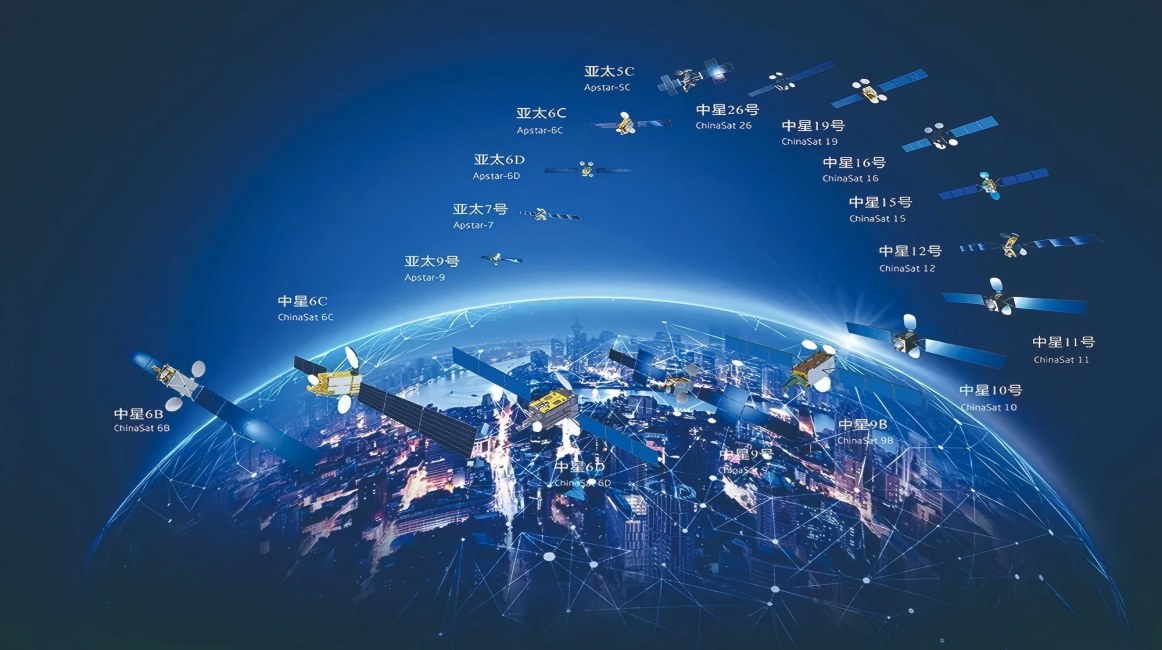
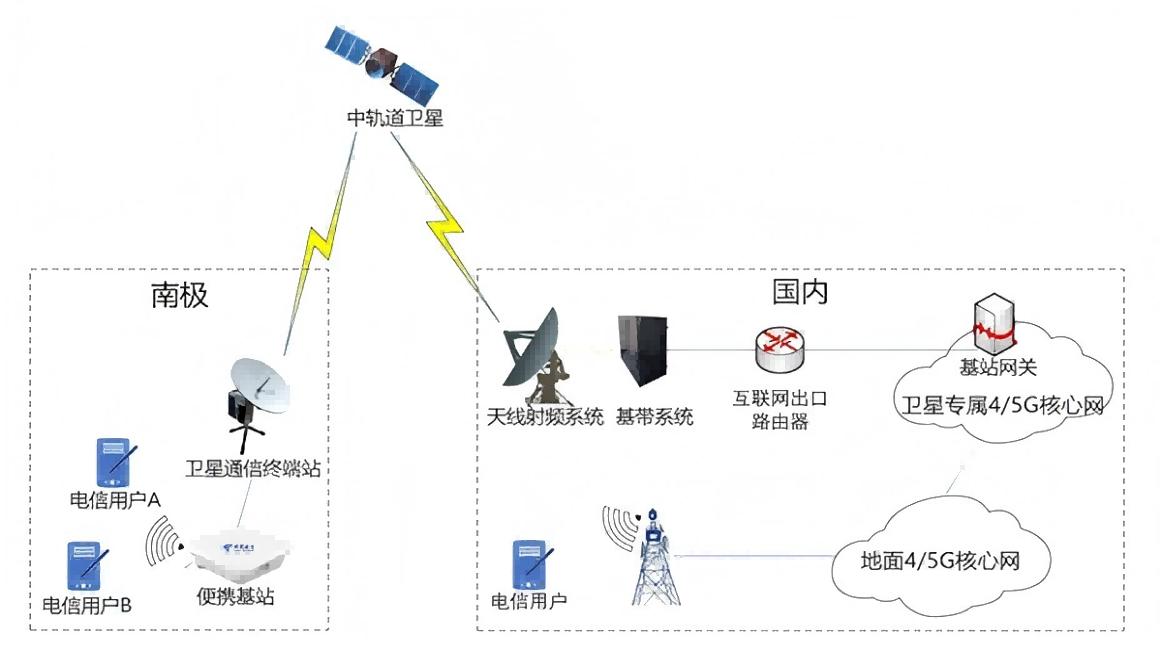
Technological breakthroughs in satellite technology have injected core momentum into new formats.The high throughput of low-orbit satellites, wide coverage of geosynchronous satellites and high precision of medium-orbit satellites complement each other, forming an "integrated space-ground" communication network. China Telecom's satellite phone users have exceeded 3 million, and 37 direct satellite-connected models have made "signal freedom" a reality, with "communication islands" in remote mountainous areas and vast oceans gradually disappearing. On the industrial side, Beidou's centimeter-level positioning has enabled remote mining operations and unmanned port operations; Jinan has optimized traffic lights using satellite positioning data, significantly improving urban operational efficiency. In 2025, China's commercial space market will surpass 2.8 trillion yuan, with satellite internet accounting for over 40%—from the consumer end to the industrial end, satellite-enabled new formats are blooming in multiple areas.
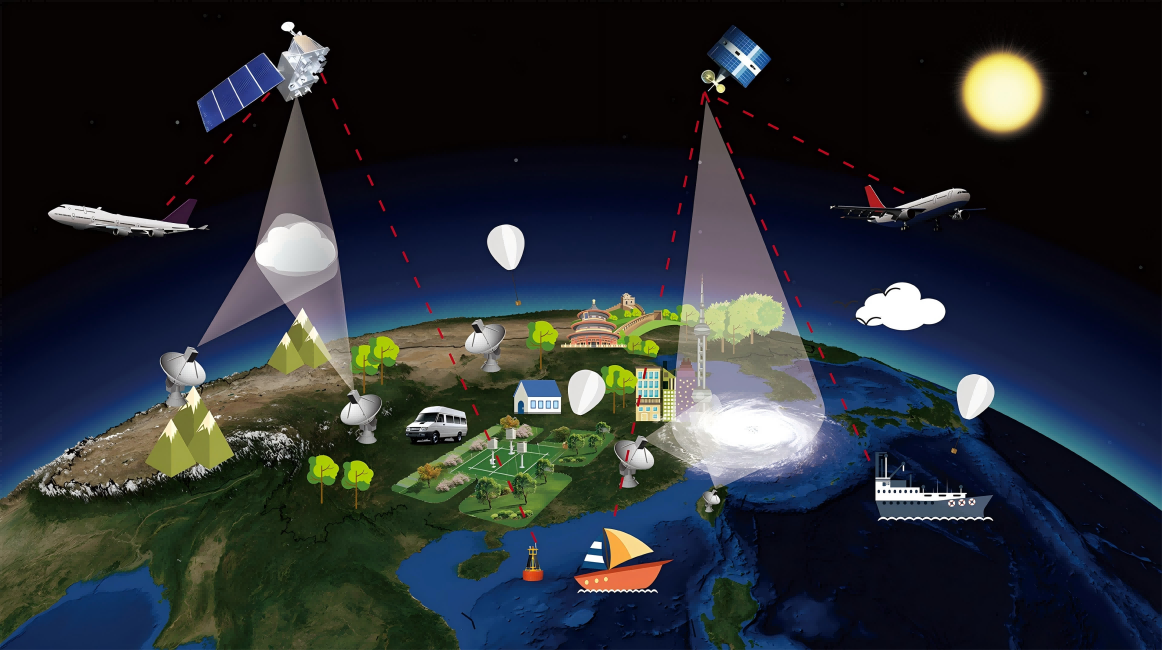
Satellite new formats also show remarkable warmth in scenarios related to people's livelihood security.Fujian's flood control personnel have built a solid safety line with free satellite functions, Tianshan hikers have regained their lives through satellite rescue functions, and ocean-going fishermen receive weather warnings and market information via satellite communication. Amap's satellite rescue function has successfully saved hundreds of people, with rescue messages automatically attached with precise positioning to double rescue efficiency. These practices confirm the core value of new formats—technological breakthroughs must ultimately focus on improving people's livelihoods, and the rise of the satellite economy is turning the commitment of "global coverage and ubiquitous connectivity" into a tangible reality.
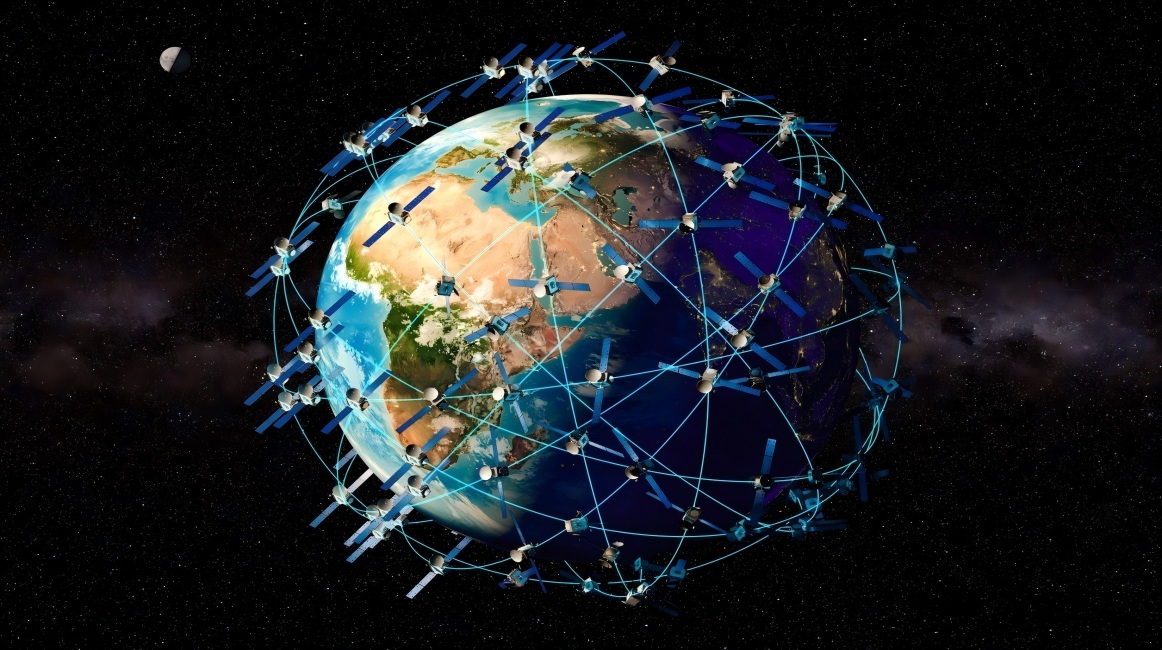
Amidst this booming development, however, the "growing pains" of the satellite industry cannot be ignored. satellite manufacturing and launch costs remain high, with a single satellite costing over 10 million yuan, and the tariffs for satellite calls and short messages are still higher than those of cellular communication, which restricts the speed of public popularization. Technical bottlenecks such as the alignment challenge in inter-satellite laser communication and the bit error rate issue caused by solar flares still await breakthroughs. There is insufficient coordination among the "satellite, management, and application" segments of the industrial chain; some high-end components rely on imports, and the commercial profit model is not yet fully mature—these issues need to be gradually addressed in the process of development. Additionally, the global competition for low-orbit resources is fierce, and the game of uneven spectrum allocation also places higher demands on the systematic layout of China's satellite industry.
In the face of these challenges, a clear path to breaking the dilemma has emerged. at the policy level, the Ministry of Industry and Information Technology (MIIT) has clearly set the goal of having over 10 million satellite communication users by 2030, with commercial trials and industry standard formulation advancing in tandem. On the technical front, the research and development of reusable rockets is accelerating, and launch costs are expected to decrease by 40% in 2026; mass production and AI empowerment are continuously reducing hardware costs. In the industrial sector, China Telecom has joined hands with upstream and downstream partners to build an "integrated space-ground" network, and cross-border cooperation between automobile manufacturers and operators is constantly expanding application scenarios. From quantum encryption to 6G space-ground integration, and from terminal miniaturization to operational scaling, the process of solving these problems is exactly the process through which new formats mature.
The starry sky is vast, and the journey ahead is long. The integration of China's satellites with new formats is not only an inevitable outcome of technological iteration but also a strategic choice for high-quality development. The scale of over 800 satellites in orbit and the prospect of Beidou's industrialization output approaching 500 billion yuan demonstrate the solid strength of China's satellite industry. The shortcomings in development are merely inevitable steps on the path of growth. With in-depth efforts in policy support, technological innovation, and industrial coordination, China's satellite economy will surely uphold the principle of innovation while breaking boundaries, lay a solid foundation for development while overcoming challenges, and transform more new formats from "concepts" into "practical applications," thereby injecting lasting momentum into the construction of a space power.

