


Traditional Chinese culture, with its long history and rich connotations, encompasses philosophy, arts, rituals, customs, craftsmanship, and many other fields. It represents the spiritual roots formed by the Chinese nation over thousands of years of civilization. However, in the context of rapid modernization, the inheritance of traditional culture is facing unprecedented complexities. How to maintain cultural continuity and vitality amid globalization and fast-paced social change has become an important issue before us.
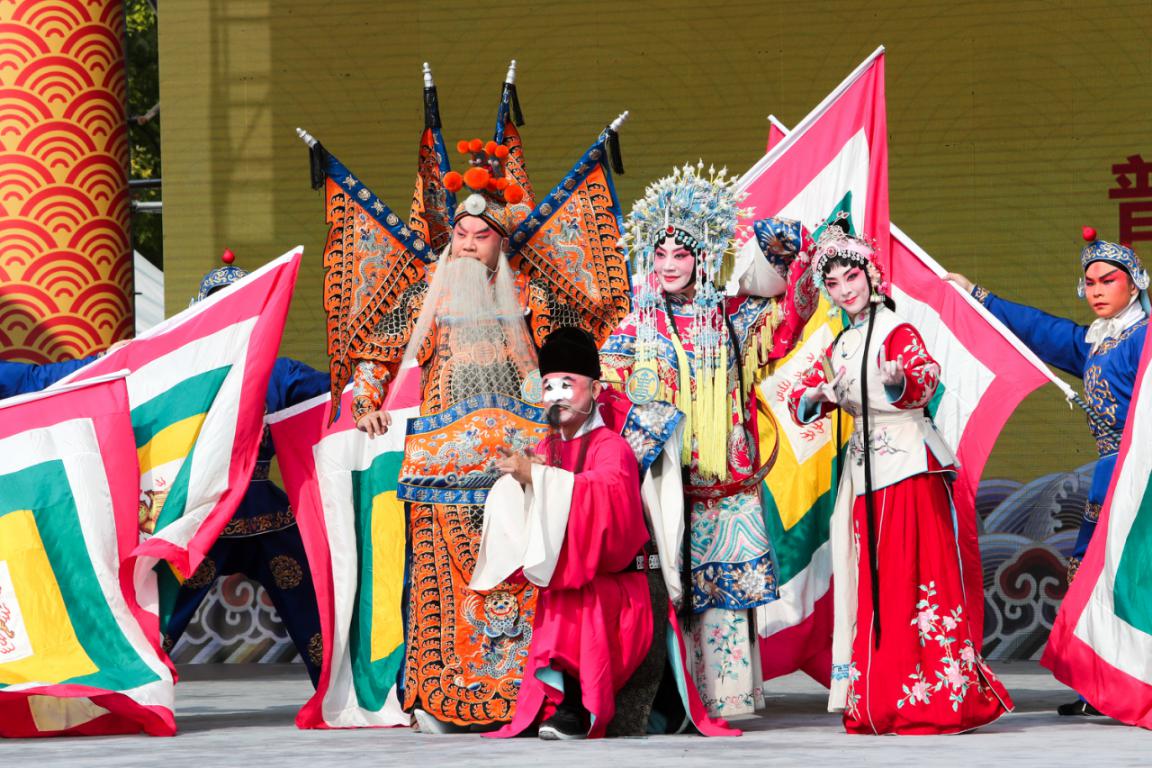
The Transformation of Modern Lifestyles Disrupts the Traditional Cultural Ecosystem
Contemporary Chinese society is characterized by a fast pace, advanced technology, and significant changes in people’s lifestyles, values, and cultural consumption habits. Digital media such as mobile internet have become mainstream, while short videos, livestreaming, online games, and social platforms dominate new channels of information. This reduces the attention given to traditional culture. Many traditional arts, rituals, and classical texts require long-term dedication and focus, yet the fragmented nature of modern life makes it difficult for the public to devote sufficient time and patience to study them in depth.
Moreover, ongoing urbanization has reshaped the environments in which traditional culture once thrived. Folk customs, local operas, and traditional crafts often rely on specific community settings and local living environments. Population outflow, aging rural communities, and structural changes weaken the soil these traditions once depended on. Culture is not merely technique—it is a way of life. When the living context disappears, many cultural practices fade as well.
The Gap Between Traditional Culture and Contemporary Values
Although traditional culture carries profound significance, many of its concepts, expressions, and social functions were shaped in ancient agrarian societies and do not always align with modern urban life. For example, certain rituals, festivals, or ethical norms may now be seen as complicated or incompatible with modern lifestyles. Young people grow up exposed more to globalized cultural products than to classical texts or local cultural ceremonies, leading them to favor modern, individualized, or multicultural expressions.
This generational gap results in both a shrinking number of formal inheritors and a declining sense of identity among the younger population. If traditional culture cannot resonate with contemporary values and aesthetics, it risks being marginalized and losing its cultural appeal.
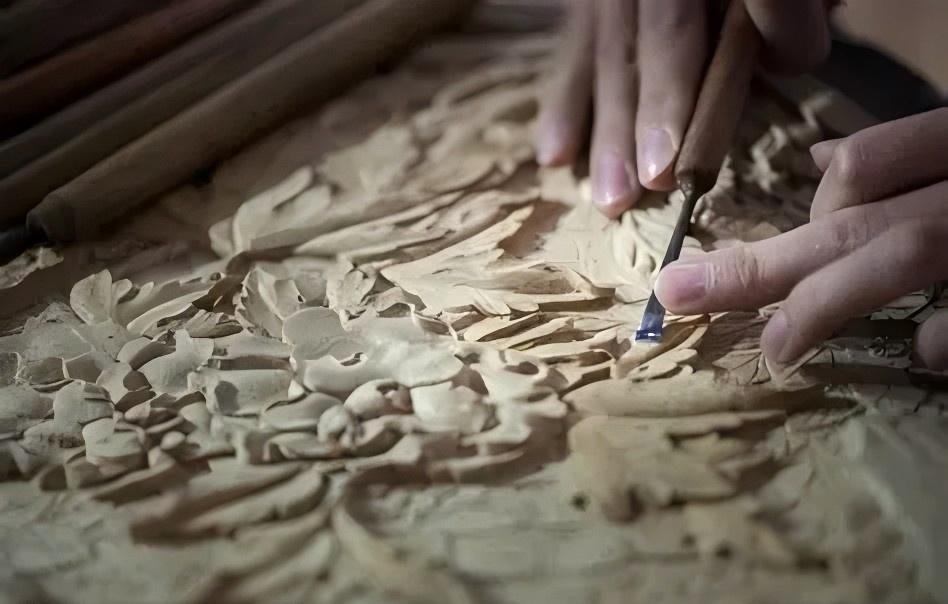
Commercialization and Entertainment Dilute Cultural Meaning
In recent years, traditional culture has returned to public attention through various new forms—such as “Guofeng” (Chinese-style) music, the resurgence of Hanfu, intangible cultural heritage livestreams, and culture-related e-commerce. However, this revival sometimes comes with excessive commercialization, symbolization, or entertainment-driven practices. Many cultural brands emphasize surface imagery while neglecting deeper cultural meaning, reducing tradition to merely a tool for gaining traffic.
Some traditional crafts have been turned into mass-produced goods for commercial gain, with processes simplified and symbols overused, which undermines the authenticity and uniqueness of traditional culture. Cultural vitality does not depend solely on broad dissemination but also on meaningful depth. When meaning is diluted, traditional culture risks being misunderstood, trivialized, or distorted.
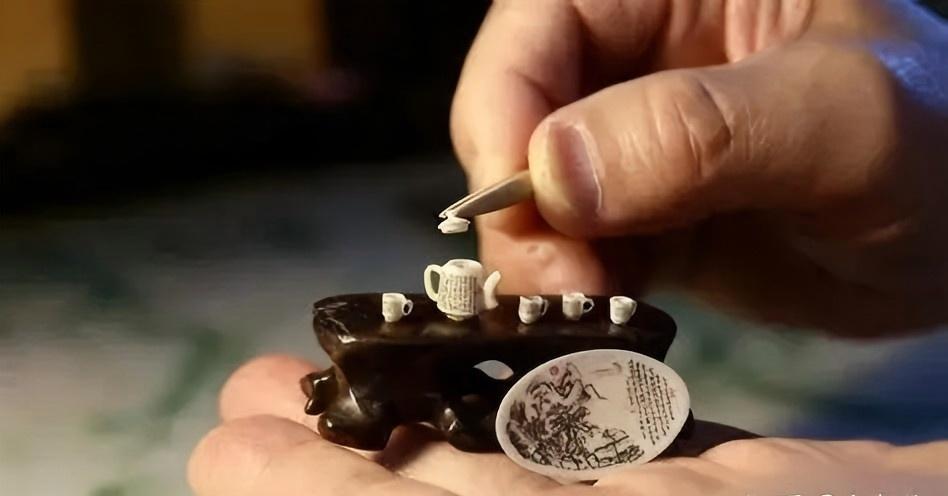
Shortage of Skilled Inheritors and the Risk of Discontinuity
The inheritance of traditional culture requires strong professional dedication. Whether in opera, calligraphy, architectural restoration, traditional medicine, or craftsmanship, mastery demands long-term training. Yet in the face of limited economic returns, long learning periods, and uncertain career prospects, fewer young people are willing to pursue cultural-heritage professions.
Some intangible cultural heritage projects face aging inheritors, a lack of apprentices, and even the risk of complete discontinuity. Once living traditions lose their active transmitters, even video recordings cannot fully restore their craftsmanship and cultural context. The loss of skilled inheritors is one of the most urgent challenges confronting cultural preservation.
Increased Cultural Competition Under Globalization
Globalization brings cultural exchange but also intensifies competition. International cultural industries—film, music, gaming, fashion—are highly developed and exert strong global influence, especially among youth. In comparison, traditional Chinese culture often adopts conservative methods of dissemination and lacks the large-scale industry support needed to expand global impact.
In the global cultural landscape, traditions do not compete on equal terms. Without innovative forms of expression, traditional culture struggles to enhance its international presence. Insufficient global communication also limits international understanding and appreciation.
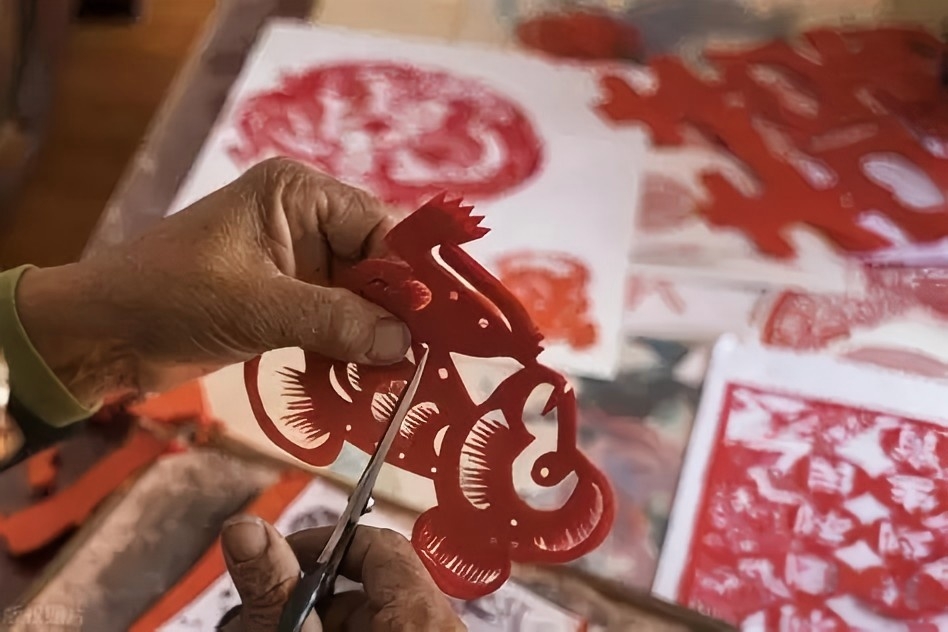
Responding to Challenges: Innovating While Preserving, Preserving Through Innovation
To address these challenges, the inheritance of traditional culture must find a balance between preservation and innovation.
First, China should strengthen systematic protection by establishing comprehensive archives and inheritor systems for intangible cultural heritage, supported by stable policies and funding. Second, traditional culture should be integrated into the education system so that younger generations can develop cultural confidence and a sense of identity from an early age.
More importantly, modern technology and artistic approaches should be used to present traditional culture in engaging ways. Digital preservation, animation and film adaptations, immersive exhibitions, as well as cultural-tourism integration can all help revitalize traditions. Innovation does not mean abandoning tradition; rather, it means using contemporary language to make tradition more accessible, relatable, and widely appreciated.
Traditional Chinese culture is the root and soul of the nation. Its preservation is essential not only for cultural diversity but also for national identity and cultural soft power. Although the inheritance of traditional culture faces multiple challenges in an era of modernization and globalization, opportunities also coexist. As long as we adhere to both protection and innovation, respect cultural patterns, and enhance cultural consciousness, traditional Chinese culture will continue to flourish and illuminate the future of Chinese civilization.

