


Can seafood be produced without oceans? China has made it a reality. The so-called “desert seafood” does not mean seafood grows straight out of sand. Instead, it refers to aquaculture of marine species in saline-alkali water bodies around deserts. Water quality is artificially adjusted with technology. Officially named saline-alkali water aquaculture, it is popularly known as “desert seafood”.
Its most well-known production sites lie around the Taklamakan Desert in Xinjiang: Aral, Qiemo, Markit, Tiemenguan and other regions. With no access to natural seawater, the industry stems from a happy combination of “legacy of an ancient ocean” and modern water-treatment technology.
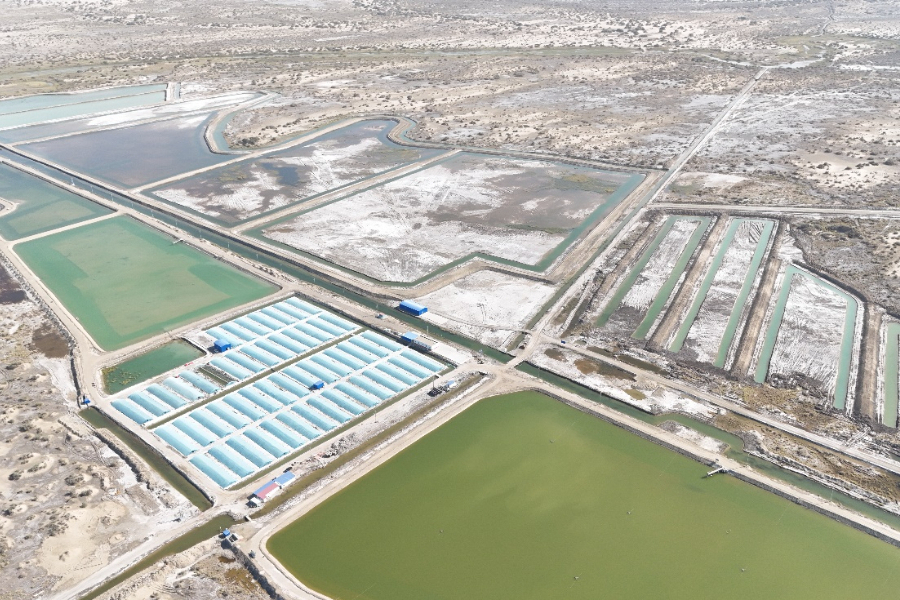
The Tarim Basin was once covered by oceans in ancient times. As the Earth’s crust rose and seawater evaporated, large volumes of salt were trapped underground, forming vast saline-alkali land and highly saline groundwater. Saline-alkali-rich drainage water generated when farmland is flushed of salt was once a burden for agriculture.
Research teams adjust ion levels and add trace elements, beneficial bacteria and algae to turn saline-alkali water into seawater-like habitat. Combined with recirculating aquaculture systems, they recreate suitable growing conditions for fish, shrimp and crabs that naturally live in the ocean. As a science-and-technology special correspondent aiding Xinjiang put it, researchers first analyse the composition of local saline-alkali water and “replenish whatever is lacking”. Water sources mostly come from meltwater of the Tianshan and Kunlun Mountains plus agricultural drainage water — resources recycled for new purposes. Success does not come from pumping raw saltwater directly; precise water regulation is the core.
Today, a “desert aquaculture map” stretches across north and south Tianshan Mountains. In Aral, farmers raise mud crabs, Litopenaeus vannamei, Japanese sea bass and grouper. Qiemo’s desert fish ponds produce grouper and mullet. Markit realises “shrimp farming moved east to west” by breeding Australian freshwater crayfish. Tiemenguan raises salmon fed by meltwater from the Kunlun Mountains. Hotan is home to “desert crabs”. The diverse desert-seafood family includes whiteleg shrimp, mud crabs, oysters, sea bass, grouper, salmon, Australian freshwater crayfish, sturgeon and Chinese mitten crabs.
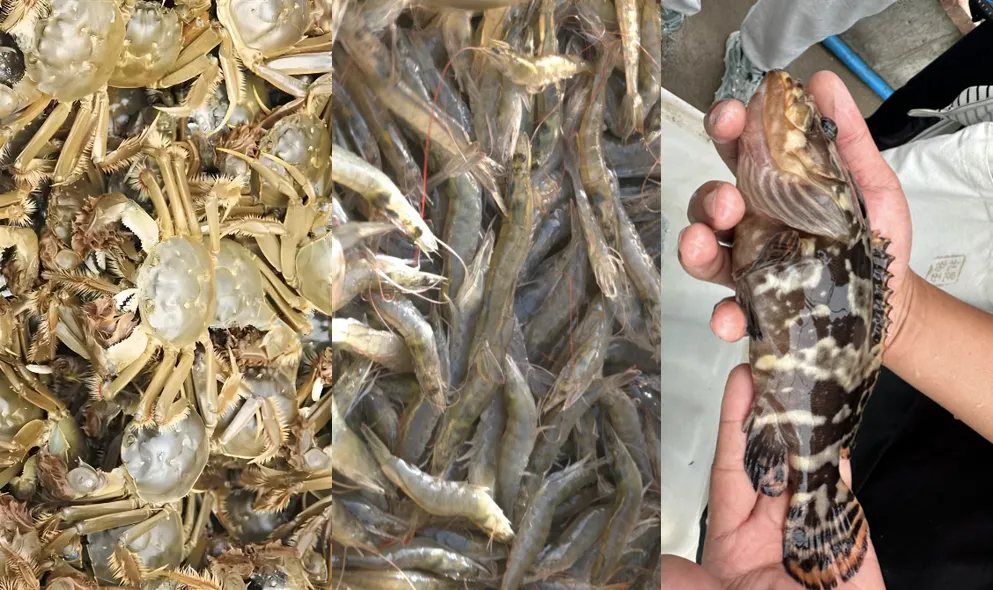
Desert seafood means far more than novelty. It delivers tangible value:
1.Treating alkali land through aquaculture, turning waste into treasure: Aquaculture absorbs salt and lowers water salinity. Water used for farming can later irrigate plants and crops, turning an ecological liability into usable resources.
2.Favourable natural conditions: Inland regions enjoy abundant sunshine and large day-night temperature differences. Free from typhoons and red tides, water environments remain stable with fewer disease outbreaks.
3.Robust industrial benefits: Idle saline-alkali wastelands are brought into use, creating jobs and raising local incomes in border areas. Seafood produced inland greatly shortens cold-chain transportation distances for Northwest and Southwest China.
4.Good market reputation: Slower growth leads to firmer flesh. Many consumers describe the produce as “sweet, fresh and low in fishy odour”.
Nevertheless, we must recognise the high barriers to this industry. Saline-alkali water varies greatly from place to place. Water-quality regulation relies on sophisticated technology and equipment. Upfront investment and energy costs exceed those of coastal seawater aquaculture. At present, it remains a niche special-interest industry and cannot replace coastal seafood. Its taste and flavour differ from genuine ocean-harvested seafood and are not inherently “superior”. A common misconception should be corrected: success cannot be achieved merely by digging pits and filling them with saltwater. Scientific water conditioning and constant monitoring determine outcomes.
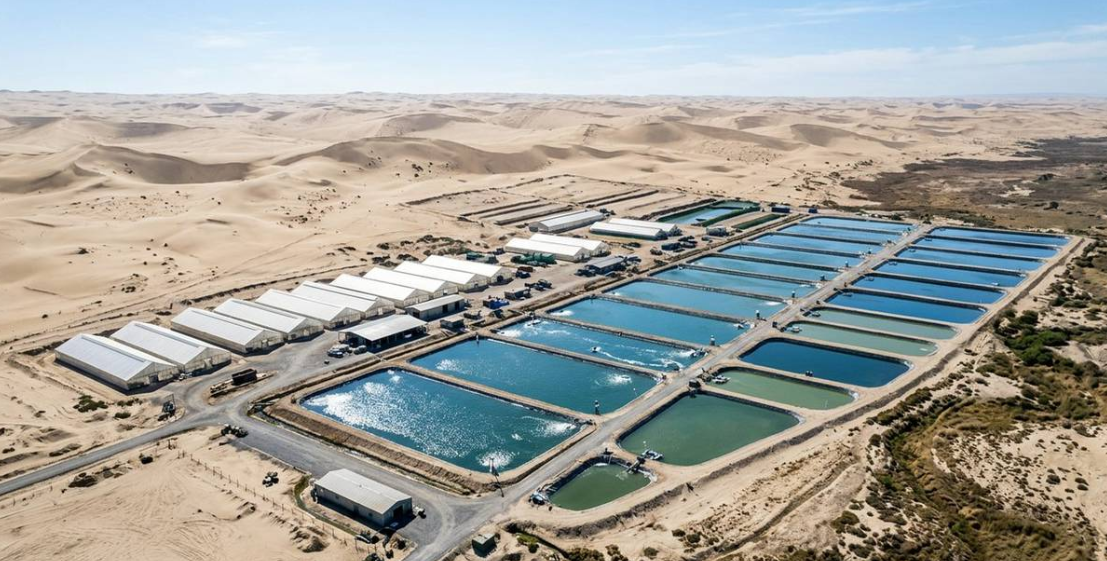
From the “Sea of Death” to a “sea of seafood”, from salt-flushing drainage to alkali-land remediation via aquaculture, from barren salt flats to popular seafood sales — desert seafood serves as an innovative model for comprehensive saline-alkali land utilisation. It vividly illustrates the “big-food concept” of tapping food supplies from saline-alkali land. It proves that technology can transform natural disadvantages into starting points for distinctive industries. New stories of “lucid waters and lush mountains” are unfolding on the fringes of vast deserts.

