


In recent years, internet-famous chain catering has rapidly gained popularity thanks to its lightweight operation, social media-driven traffic and rapid store expansion, emerging as a new growth driver in the catering industry. As brand popularity surges, industrial chaos including malicious trademark squatting, rampant copycat stores and ambiguous rights and obligations in franchise operations has broken out intensively. Copycat stores siphon customer traffic from legitimate brands, trademark squatting crowds out the development space of formal brands, and franchise disputes and accountability evasion occur frequently. These problems not only damage the interests of brand owners and consumers but also disrupt the market order of the catering franchise industry, hindering its standardized development. Rectifying infringement chaos, clarifying franchise rights and obligations, and improving intellectual property protection have become key to the quality upgrading of the internet-famous catering sector.
Prevailing Chaos: Rising Infringement Problems and Franchise Disputes in Internet-Famous Catering
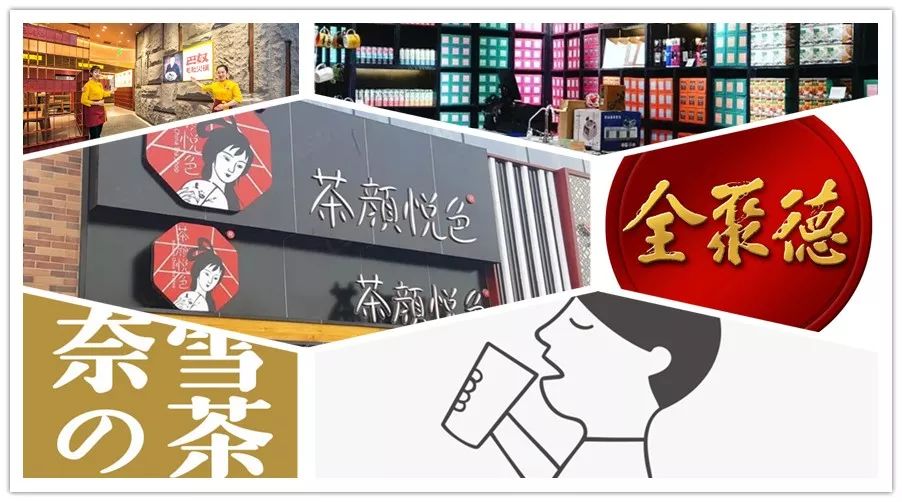
Amid fierce competition in the internet-famous catering track, trademark infringement and store counterfeiting have evolved into large-scale chaos, becoming a stubborn industrial problem. Many speculators target popular catering brands, register a large number of similar trademarks and trade names in batches, and seek profits through trademark hoarding, resale and malicious complaints. Most local internet-famous catering brands focus on store expansion and marketing in the initial stage and neglect trademark layout. Once their core trademarks are squatted, they fall into a passive situation where legitimate brands are restricted while copycat products run rampant.
Copycat stores adopt increasingly concealed infringement methods. They imitate legitimate brands subtly by adjusting store sign styles, replicating interior decoration and dish systems, and copying promotional content, misleading consumers with social media traffic. Clustered copycat stores can be found in major catering business districts, making it hard for the public to distinguish authenticity. Meanwhile, franchise disputes have become prominent. Most brands adopt simplistic franchise agreements with vague boundaries of rights and obligations among brand owners, franchisees and third-party operators. This easily leads to uneven product quality, irregular ingredient supply and difficult after-sales rights protection. In case of consumer disputes or operational losses, all parties shift responsibilities to each other, making rights protection extremely difficult.

Root Causes and Far-Reaching Impacts of Industrial Chaos
The chaos in internet-famous catering results from combined defects in enterprise operation, regulatory loopholes and market environment. Most internet-famous brands gain popularity rapidly relying on online traffic, prioritizing expansion over compliance. Their lagging intellectual property layout and imperfect brand protection systems leave loopholes for infringement. To seize market share quickly, many brands lower franchise thresholds and expand stores in a crude manner without standardized franchise management systems, directly causing disordered management and unbalanced rights and obligations in franchise chains.
In terms of institutional rules, loose judging standards for similar catering trademarks lower the threshold for infringement. Some speculators take advantage of legal loopholes to conduct malicious infringement under the guise of legal trademark registration. Previous supervision mainly focused on the compliance of trademark registration while ignoring misleading infringement in actual store operation. Low infringement costs, difficult evidence collection and long litigation cycles further fuel copycat chaos. In addition, the catering franchise industry lacks unified norms for rights and obligations, with low market access thresholds and rampant irregularities among third-party operating institutions, aggravating disorderly market competition.
Such chaos exerts profound harms on industrial development. Inferior products and services of copycat stores continuously erode the reputation and brand value of legitimate brands, restricting their long-term development. Consumers are easily misled by counterfeit stores and confronted with food safety hazards and price irregularities, with their legitimate rights and interests poorly protected. From an industrial perspective, vicious infringement competition undermines fair market order and intensifies homogeneous involution, trapping internet-famous catering in a short-lived traffic bubble and hindering its brand transformation.
Multi-pronged Measures: Rectifying Chaos and Driving Industrial Upgrading
Targeting prominent industrial problems, regulatory authorities, industry associations and market entities have jointly launched multi-pronged efforts to standardize industry development. Regulators have intensified special rectifications, severely cracking down on malicious trademark squatting, store counterfeiting, false promotion and other unfair competition behaviors. Infringing entities are penalized and included in the credit blacklist to form strong deterrence. Meanwhile, relevant laws and regulations have refined the protection rules for commercial identifiers and optimized infringement judgment criteria, precisely targeting malicious infringement conducted through legally registered trademarks and making up for institutional supervision deficiencies.
Market entities have taken initiatives to shore up compliance weaknesses. Formal internet-famous brands have built comprehensive intellectual property protection systems and deployed core and defensive trademarks in advance. They have also optimized franchise systems, refined cooperation agreements to clarify the rights and obligations of all parties, and established standardized mechanisms for store operation, ingredient supply and after-sales supervision, eliminating franchise chaos from the source. Industry associations have improved industrial norms and organized compliance training to guide market players to operate in good faith and abide by laws.
Driven by stricter supervision, improved industrial self-discipline and enhanced corporate compliance, the internet-famous catering industry has gradually abandoned crude and disorderly development and entered a standardized and law-based development stage. In the future, continuous rectification of infringement chaos, clarification of franchise rights and obligations, and strengthened intellectual property protection will be core approaches for high-quality industrial development. Only by building a fair and orderly market environment can the internet-famous catering industry break free from traffic dependence, accumulate solid brand value and achieve sustainable long-term development.

