


Recently, widespread public concern has arisen after multiple popular infant diapers were found to contain formamide, a substance with reproductive toxicity. As daily intimate necessities for infants, diapers are closely related to children’s physical health. The core of the exposed hidden danger lies not in explicit violations by manufacturers, but in a major loophole in China’s national safety standards, where formamide, a high-risk chemical, has long been excluded from mandatory testing items. This has created a paradox that products are legally compliant yet potentially hazardous. The incident has sounded an alarm for infant product safety and highlighted the backwardness of industry standards and deficiencies in supervision, urging comprehensive upgrades and rectifications across regulators and the entire industry.
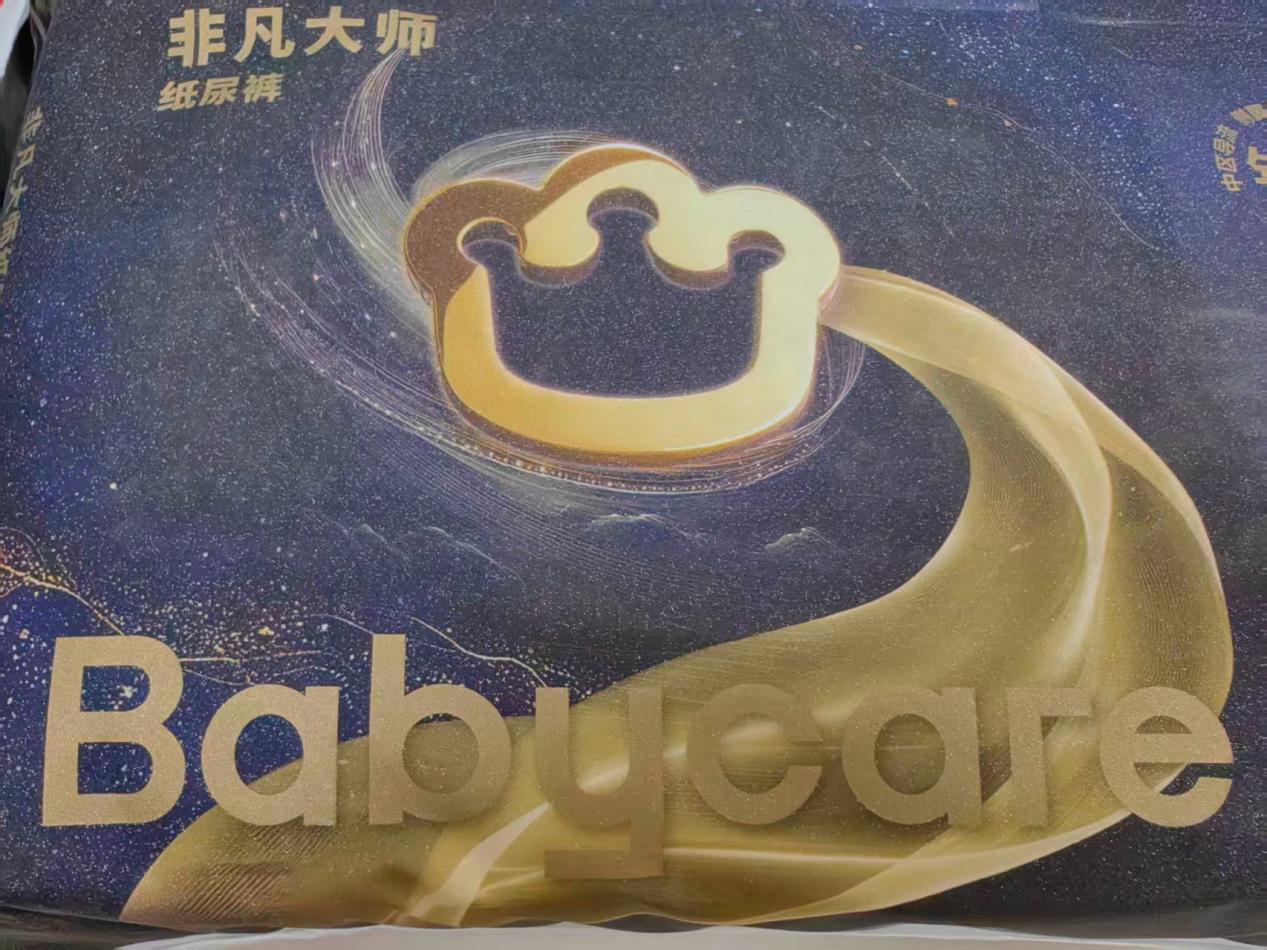
Sampling Scandal Brings Hidden Diaper Safety Hazards to Light
In June 2026, many mainstream maternal and infant brands were embroiled in safety disputes. In response to widespread parental complaints about diaper-induced red rashes, skin breakage and allergic itching in infants, authoritative media commissioned third-party institutions to conduct market sampling tests. The results showed that many best-selling diaper products, including Huggies, Biba Baby and Babycare, were detected with formamide. Classified by the EU as a Category 1B reproductive toxic substance, formamide poses definite health risks; nevertheless, it has never been restricted by China’s diaper testing system. Contradictory test results between brand self-inspection and third-party sampling triggered heated public debate and fully exposed the lagging shortcomings of domestic safety standards for infant paper products.
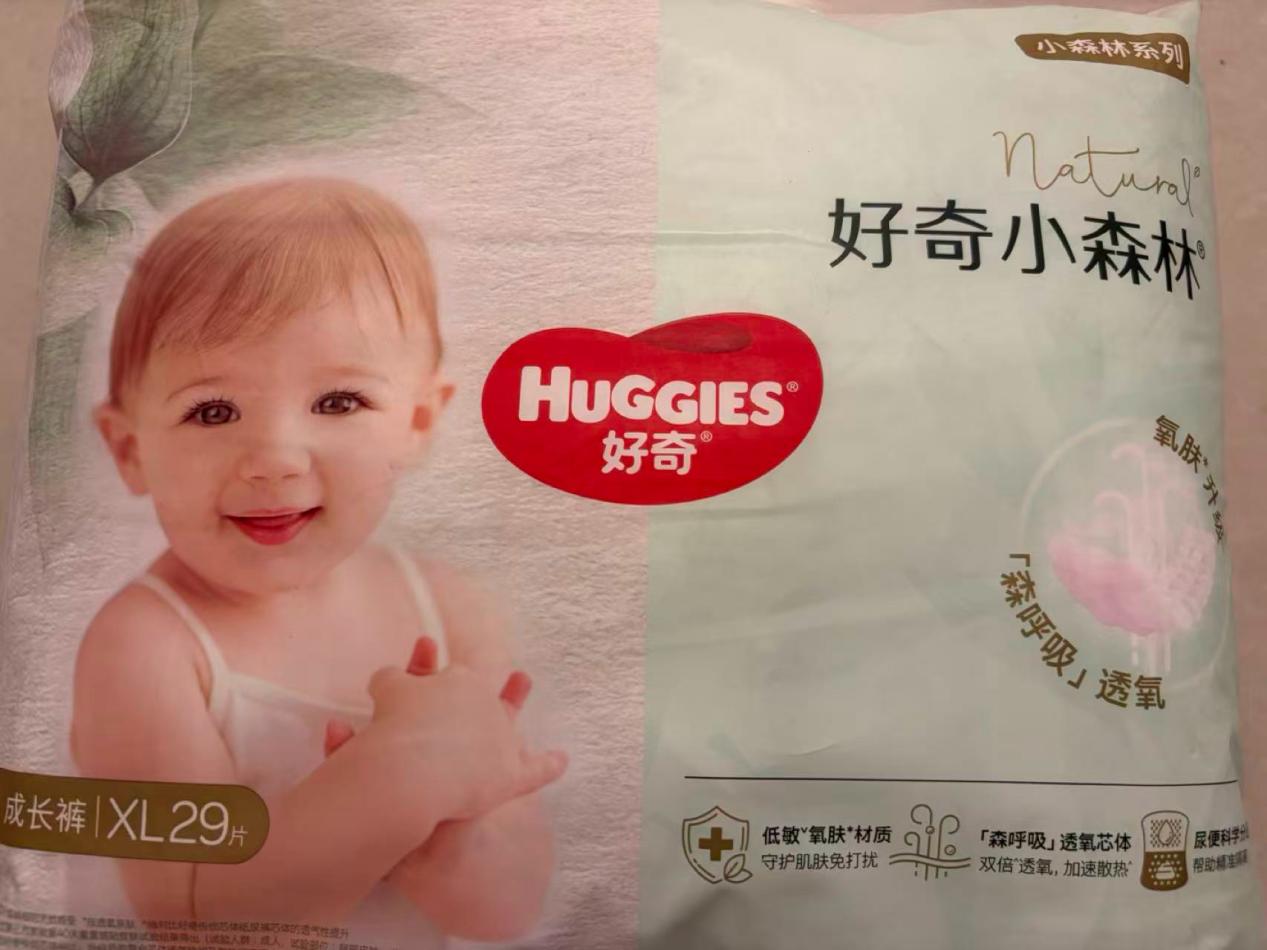
Root Causes: Dual Loopholes of Production Residues and Outdated Standards
The formamide residue issue stems from the superposition of flawed production techniques and backward national standards. Instead of being artificially added, formamide is mainly produced during the high-temperature processing of elastic bands and foam waistbands in diapers, generated by the decomposition of auxiliary materials. To cut costs, some manufacturers omit essential procedures such as devolatilization and maturation, resulting in residual harmful substances in finished products. More critically, current national safety specifications for diapers do not include formamide in mandatory testing nor set residue limits. Though banned in cosmetics, formamide has remained in a regulatory vacuum for infant intimate products, allowing hazardous products to legally enter the market.

Far-Reaching Harms: Threats to Infant Development and Industry Credibility
Infants have delicate skin and immature physical functions with extremely weak resistance to harmful substances, making formamide residues highly covert and risky. Short-term exposure irritates the skin and respiratory tract, causing diaper rashes, skin damage and mild coughs. Long-term low-dose percutaneous exposure may damage the reproductive system and cause irreversible harm to liver and kidney functions as well as physical development. Meanwhile, the “compliant yet unsafe” chaos has severely undermined consumer trust and damaged the reputation of the maternal and infant industry. The absence of standards leads to insufficient supervision, loose corporate restraints and difficult consumer rights protection, disrupting fair market competition and breaking the final line of defense for infant health.
Multi-Dimensional Rectification to Strengthen Infant Safety Barriers
Targeting the exposed safety and institutional loopholes, regulators and the industry have launched comprehensive rectification campaigns. Joint investigation teams have been set up to conduct national special sampling inspections. Substandard products with excessive formamide have been ordered off shelves and recalled, with severe penalties imposed to rectify market disorder. Institutionally, authorities are accelerating national standard revisions to include formamide in mandatory diaper testing with strict residue limits, filling the long-standing standard gap. In addition, industry associations have established a full-process risk control system, urging enterprises to optimize production techniques, improve residue removal procedures, and strictly control product safety from raw material screening and production supervision to finished product inspection, eliminating hazardous residues at the source.
Industrial Upgrading Ushered in a Standardized New Era for Infant Product Safety
The formamide scandal, while a crisis, has become a pivotal turning point for the standardized upgrading of the maternal and infant product industry. The previous extensive production model relying on outdated standards has been overturned, pushing the industry toward stricter supervision, higher standards and greater corporate accountability. Going forward, the industry will adopt a dynamic standard update mechanism to keep pace with new materials and technologies, timely identifying emerging safety risks and aligning standards with industrial development. With joint efforts from strict supervision, industrial self-discipline and corporate responsibility, the industry will abandon the outdated concept of “compliance equals safety”, uphold strict safety benchmarks, rebuild public credibility, and promote high-quality and standardized development of the maternal and infant consumer market.

