


In the bustling metropolises of China, a quiet but profound transformation is taking place on windowsills, balconies, and office desks. A growing number of young people, often referred to in Chinese social media as zhixi qingnian — or "plant-based youth" — are turning to horticulture not as a retirement pastime, but as a vital component of their daily lives. What was once widely considered a hobby for the elderly has, in recent years, become a powerful cultural current among millennials and Generation Z. This phenomenon, captured in the playful question "Are today's young Chinese starting to grow flowers and plants?" reflects a deeper shift in values, mental health awareness, and lifestyle aspirations among the country's younger generations.
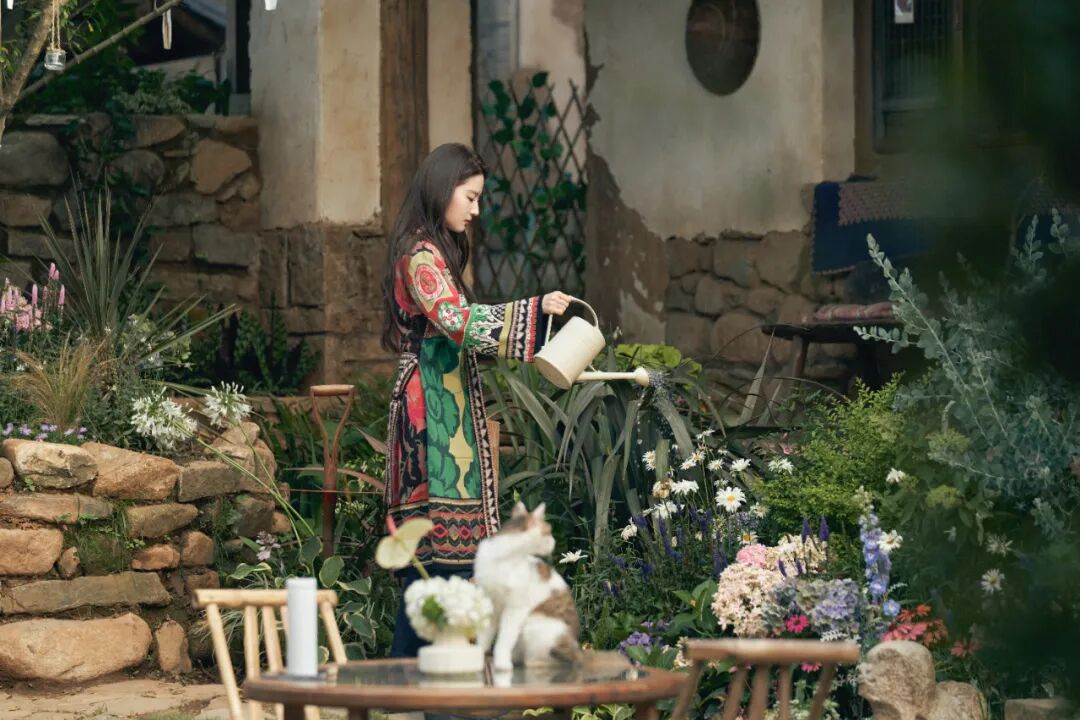
The statistics alone are striking. According to the 2025 National Flower Industry Production and Marketing Situation Analysis Report released by the China Flower Association, the country's flower retail market reached nearly 220 billion yuan in 2024, driven largely by self-indulgent consumption and instant retail channels such as food delivery and livestreaming. The market is projected to grow by a further 8 percent in the following year. More tellingly, data from the association indicates that consumers between the ages of 27 and 39 now account for more than half of all green plant purchases, making young people the undisputed main force of this burgeoning industry. This is not merely a passing fad; it is a fundamental reorientation of consumer behaviour and lifestyle choice.
One of the primary drivers behind this trend is the search for emotional solace in an increasingly high-pressure urban environment. For many young professionals in China's major cities, life is defined by relentless deadlines, demanding performance indicators, and the constant connectivity of digital work. The psychologist Huang Yingmin, deputy director of the Fourth People's Hospital of Yulin, has observed that when individuals focus on small, tangible tasks such as watering seeds or pruning leaves, they are able to temporarily withdraw from stress and anxiety, experiencing a sense of peace in the present moment. Plants, in this context, become what some have called "emotional healers" — silent companions that absorb fatigue and restlessness through their quiet, steady growth.
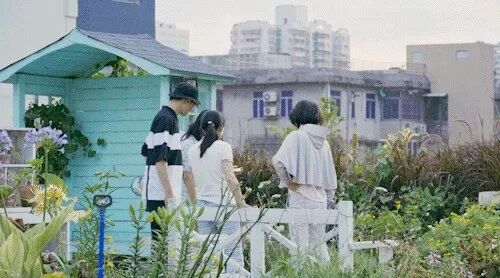
Wang Ding, a prominent online gardening expert with over five million followers across multiple social media platforms, has articulated this sentiment with particular clarity. "Young people, who are often juggling work, social lives, and personal aspirations, find solace in nurturing plants," he explained. "A sense of tranquility flows from watching a small seed sprout into a vibrant, thriving plant. It is an antidote to the pressure and chaos of city life — something that can be controlled and cared for in a world that often feels out of their hands." This observation resonates deeply with a generation that frequently feels buffeted by forces beyond its control, from economic uncertainty to the relentless churn of social media. In tending to a living organism, young people reclaim a small measure of agency and predictability.
The psychological benefits of interacting with plants are not merely anecdotal; they are supported by a growing body of research. Multiple studies have demonstrated that proximity to nature can regulate heart rate and blood pressure, alleviate stress, and contribute positively to both physiological and mental health. Indoor plants, in particular, have been shown to effectively reduce fatigue, diminish negative emotions such as anxiety and depression, and even enhance creativity and concentration. For urban dwellers who cannot easily escape to parks or countryside, bringing a piece of nature indoors offers a practical and accessible alternative. As one observer noted, while the "20-minute park effect" — the phenomenon whereby spending just twenty minutes in a park can significantly improve one's mood — has gained widespread recognition, few office workers have the luxury of visiting a park every day. Growing a few pots at home or in the office becomes the next best thing.
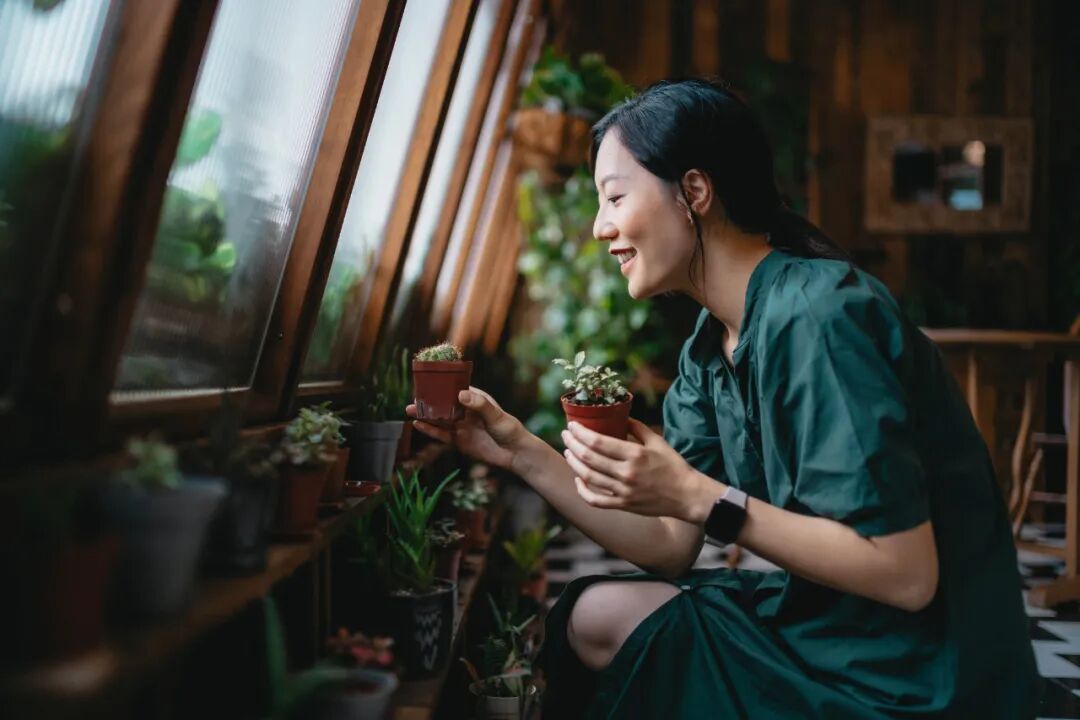
Yet the appeal of plant-keeping among China's youth extends beyond mere stress relief. It has evolved into what many describe as a "life aesthetics" movement — a way of expressing personal taste, creativity, and identity. Unlike the older generation, who may have approached gardening primarily as a practical or leisure activity, today's young plant enthusiasts are deeply invested in the visual and spatial dimensions of their collections. They carefully select plants based on leaf patterns, overall shape, and compatibility with their interior décor. A monstera's fenestrations, the height of a fiddle-leaf fig, or the velvety texture of an anthurium leaf are all considerations that matter. The result is often a meticulously curated "indoor micro-forest" that blends Nordic simplicity, Japanese minimalism, and Southeast Asian tropical aesthetics into a cohesive living space.
This aesthetic sensibility has given rise to a vibrant subculture with its own vocabulary and rituals. Young plant lovers affectionately call themselves zhinan (plant men) and zhinv (plant women), and they enthusiastically share their horticultural knowledge, cultivation tips, and "growth diaries" on social media platforms. On Douban, a popular Chinese social networking site, there are over thirty dedicated plant discussion groups, with the most popular one — "People Obsessed with Plants" — having amassed more than 330,000 members. On Xiaohongshu (RedNote), the hashtag "green plants" has generated a staggering 2.29 billion views and sparked participation from over 9.5 million users, who post everything from aesthetic plant arrangements to desperate pleas for rescue advice. The hashtag "My home cannot be without plants" has accumulated over 920 million views. These digital communities have transformed what was once a solitary hobby into a highly social and interactive experience, where individuals bond over shared successes, commiserate over plant casualties, and exchange cuttings and seedlings at offline plant swap events.
The linguistic creativity of these young enthusiasts is particularly noteworthy. They have invented a whole lexicon of puns and wordplay that infuses plant-keeping with humour and emotional resonance. A bunch of water-cultivated bananas becomes "forbidden anxiety" (jinzhi jiaolv), a play on the Chinese words for banana and anxiety. A miniature pine tree is dubbed "release relaxation" (fang qingsong), while potted strawberries are called "no worries" (mei fannao) and a small pumpkin is renamed "nothing is difficult" (wanshi bunant). These whimsical names are not merely clever word games; they represent a deliberate effort to inject positivity and levity into daily life, transforming ordinary objects into talismans against the stresses of modern existence.
The economic dimension of this trend is equally significant. A report released by the Shanghai Youth Research Center in 2025 found that "emotional consumption" has become a new focus of young people's spending habits, with nearly 60 percent of respondents willing to pay for emotional value. Increasing numbers of young consumers are embracing what has been termed "emotional-value-for-money consumption" — seeking the maximum ratio of emotional satisfaction to price. Plants, which are relatively affordable, visually appealing, functionally beneficial, and socially engaging, have emerged as a natural winner in this category. They offer a high return on investment in terms of emotional well-being, without the financial burden or long-term commitment associated with pet ownership.
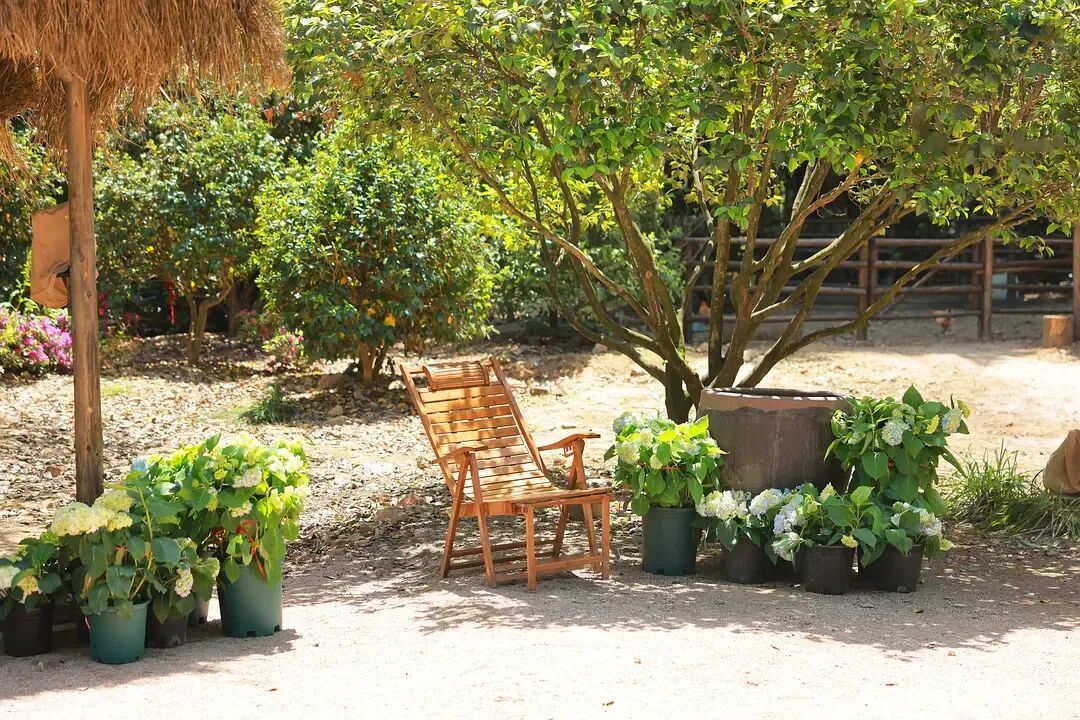
The plant trend has also catalysed significant changes in the horticultural industry itself. Recognising the growing demand from young consumers, sellers have begun to cultivate new varieties, adjust their marketing strategies, and build online communities around their brands. Some have become livestreaming hosts and self-media operators, using their expertise to attract dedicated followings. The industry has expanded beyond mere plant sales to encompass a whole ecosystem of experiences, services, and brands, integrating agriculture, culture, and tourism in novel ways. Young entrepreneurs have also entered the field, with some achieving remarkable success. Liao Wantian, a post-1995 entrepreneur in Zhejiang province, famously sold a single leaf of the "Peanut Circus" anthurium for 26,000 yuan after leaving her white-collar job to pursue her passion for horticulture. Her greenhouse now boasts over 400 species of indoor plants and generates more than 10 million yuan in annual output.
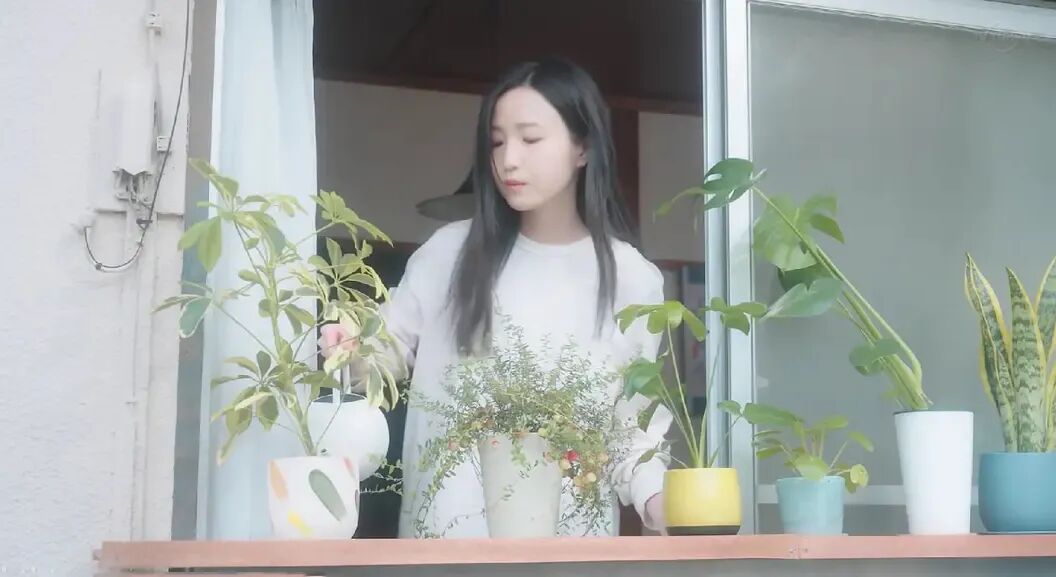
It would be a mistake, however, to assume that every young plant enthusiast is a seasoned gardener. Many readily admit to being "plant killers" — individuals whose succulents shrivel into desiccated husks or whose pothos succumb to root rot from overwatering. For these less confident souls, the rise of livestream e-commerce has been a game-changer. Platforms now connect consumers directly with flower farms in Yunnan province, China's horticultural heartland, which produced an astonishing 20.6 billion cut flowers from 350,000 mu (approximately 23,333 hectares) of cultivation in 2024. Nearly 70 percent of the growth in flower sales over the past three years has been attributed to livestreaming. With instant delivery services, young people can now "buy flowers like buying vegetables" — placing an order on their phones and receiving a freshly arranged bouquet within half an hour. This accessibility has lowered the barrier to entry, allowing even the most botanically challenged individuals to enjoy the aesthetic and emotional benefits of greenery without the pressure of keeping plants alive.
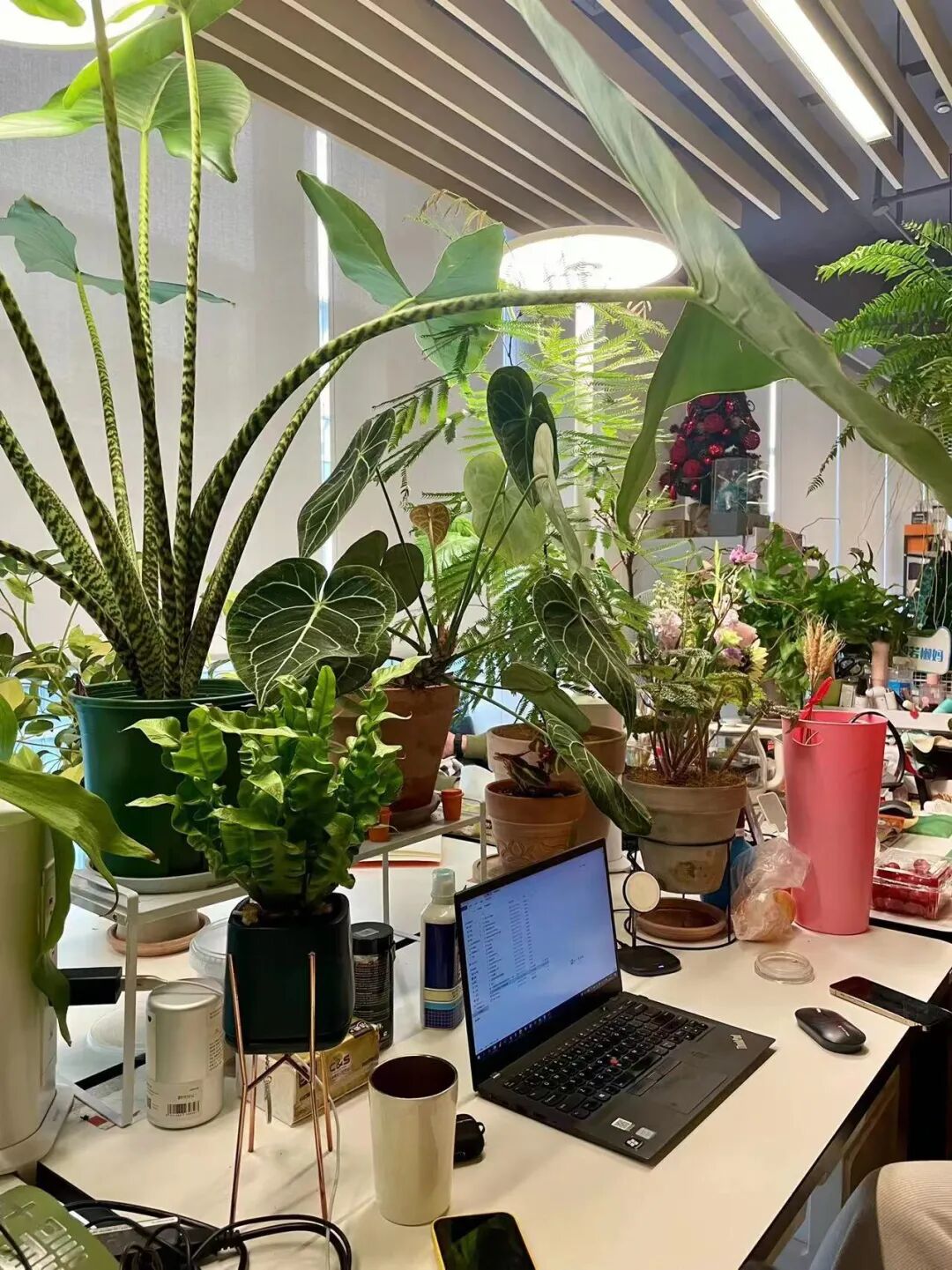
In essence, the growing enthusiasm for plant cultivation among China's young people represents a multifaceted response to the complexities of contemporary urban life. It is a coping mechanism for stress, a canvas for personal expression, a bridge to community, and a form of rational emotional consumption all rolled into one. Through the simple act of nurturing a living thing, young Chinese are carving out spaces of calm, beauty, and meaning in the midst of chaos. They are, in the words of one observer, creating "small forests" within the concrete jungle — not just as decoration, but as sanctuaries for weary souls. The phenomenon may have begun as a quiet trend, but it has blossomed into something far more significant: a testament to the enduring human need for connection with nature, and a reflection of a generation's determination to find joy and peace on their own terms. Whether this green revolution will continue to flourish remains to be seen, but for now, it is clear that the young people of China have truly started to grow flowers and plants — and in doing so, they are growing something within themselves as well.

