


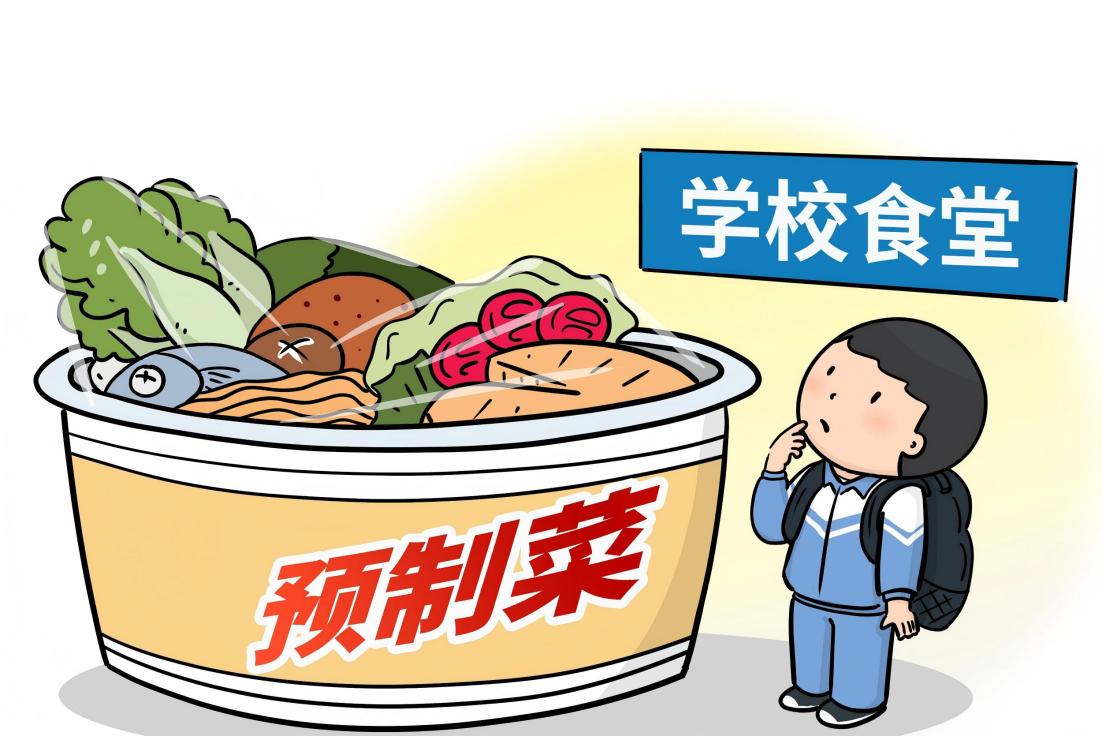
With the rapid development of the pre-prepared food industry, its advantages of convenience, efficiency and standardized production have become prominent, and campus canteens have become an important expansion scenario. However, in the process of pre-prepared food entering campuses and canteens, controversies over food safety and nutritional health have never stopped. From the strong opposition of parents to the dilemma of school authorities, the implementation of pre-prepared food on campuses presents a complex situation.
Coexistence of Popularization and Controversy of Pre-prepared Food on Campuses
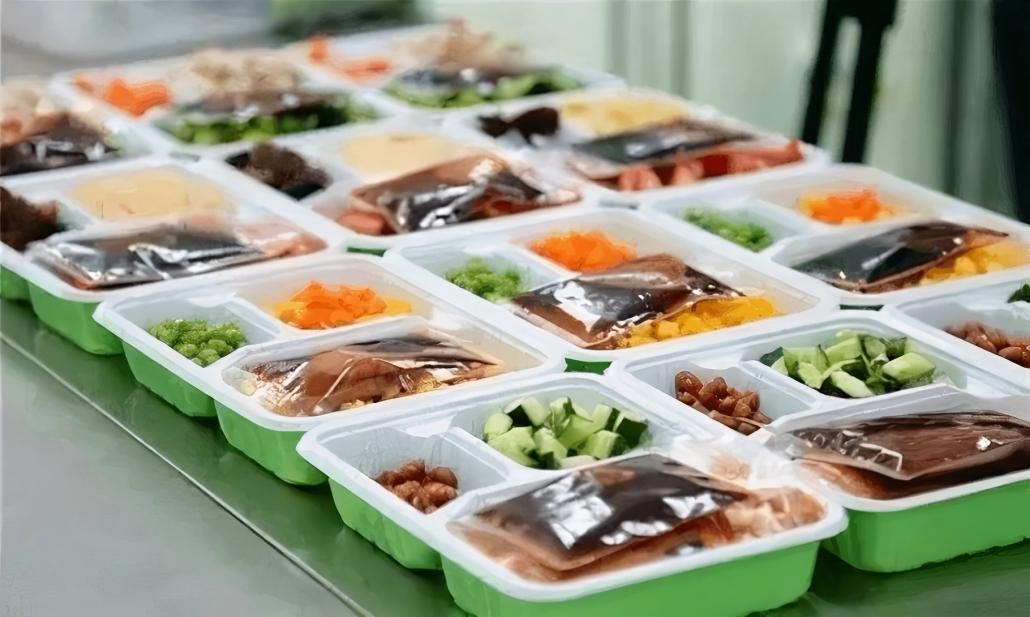
At present, the entry of pre-prepared food into campuses presents a "partially popularized, highly controversial" situation. With the advantages of reducing labor costs and improving meal supply efficiency, pre-prepared food has entered the canteens of some primary and secondary schools and universities, and is more widely used in old campuses, large-scale schools and public primary and secondary schools without self-built canteens. Some schools adopt a mixed mode of "pre-prepared food + on-site reheating" and "clean vegetables + simple cooking", which effectively alleviates the predicament of insufficient kitchen staff and heavy meal preparation pressure, and also controls food loss and meal supply costs.
At the same time, controversies have always accompanied it. Public doubts focus on two core aspects: food safety and nutritional health. It is reported online that suspected pre-prepared food meals have appeared in campuses in many places, and students reflect that the dishes have a single taste and fixed flavor, which has aggravated social anxiety. Most parents firmly oppose it, believing that pre-prepared food cannot replace the freshness and nutrition of freshly made dishes; schools are in a dilemma of "ensuring efficiency" and "ensuring safety". Even if they require catering companies not to use pre-prepared food, it is difficult to implement full-process supervision. At present, China has not fully promoted pre-prepared food on campuses, and most regions adopt a prudent attitude, only conducting pilot applications in some scenarios.
Two-way Effects on Students, Campuses and the Industry
The entry of pre-prepared food into campuses has both advantages and disadvantages, bringing convenience while hiding hidden dangers. On the positive side, it effectively eases the pressure of campus meal supply. Standardized production reduces food waste and labor costs, which is suitable for schools with large meal supply scales and limited kitchen conditions. At the same time, it promotes the pre-prepared food industry to develop in a standardized and large-scale direction, forcing enterprises to improve their technology and service quality.
The negative impacts are more prominent, focusing on safety and nutrition. For students, long-term consumption may lead to insufficient nutrition. High-temperature processing and frozen storage will cause the loss of a large number of water-soluble vitamins. Some pre-prepared foods with high oil, high salt and high sugar will also increase the risk of obesity and chronic diseases among teenagers. Loopholes in production and distribution may cause foodborne diseases. For campuses, it is easy to trigger a crisis of trust among parents and affect the school's reputation. Once a food safety problem occurs, the school shall bear the main responsibility. For the industry, the controversies on campuses have exposed the shortcomings of the pre-prepared food industry and affected the public trust in the industry to a certain extent.
Multiple Factors Behind the Controversies
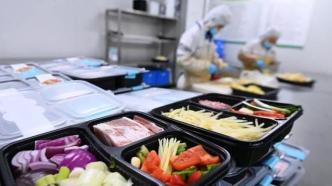
The controversies over pre-prepared food entering campuses are not accidental, but the result of the joint action of multiple factors such as industrial development, regulatory system and campus needs. At the industrial level, the pre-prepared food industry is still immature, lacking a unified national mandatory standard. Some enterprises use inferior food materials and excessive food additives for profit, fail to implement processing technology and hygiene standards in place, and the cold chain logistics technology is uneven, which easily leads to food deterioration.
At the regulatory level, there is a lack of supervision. The supervision intensity on the whole process of pre-prepared food production, processing, storage, transportation and reheating is insufficient. The mode of "enterprise self-inspection + department sampling inspection" has not been fully implemented, and the traceability system is imperfect, so parents cannot understand the detailed information of the dishes, and their right to know and supervise cannot be guaranteed. At the campus level, some schools over-pursue meal supply efficiency and cost control, fail to fully solicit parents' opinions when introducing pre-prepared food, and do not establish a sound supervision mechanism, which aggravates parents' anxiety. In addition, the public has a misunderstanding of pre-prepared food, equating it with "unhealthy and not fresh", which further amplifies the controversies.
New Possibilities for Campus Meal Supply Under Standardized Development
Despite the prominent controversies, with the improvement of supervision, industrial upgrading and concept transformation, the entry of pre-prepared food into campuses is showing a positive trend, gradually moving towards "safety, nutrition and standardization". First of all, the regulatory system is constantly improving. The state is accelerating the formulation of a unified standard for pre-prepared food, and many places have issued access specifications for campus pre-prepared food, clarifying the details of raw material requirements, additive use and nutritional ratio, strengthening full-process supervision, and promoting the establishment of a "full-chain traceability" mechanism.
Secondly, the industry is constantly upgrading. Pre-prepared food enterprises have begun to focus on campus needs, develop exclusive meals suitable for teenagers' growth and development, implement the nutritional ratio of "low salt, low fat and high protein", optimize processing technology to reduce nutrient loss, improve cold chain logistics technology to ensure food freshness, and some enterprises take the initiative to disclose production processes and test reports to enhance public trust.
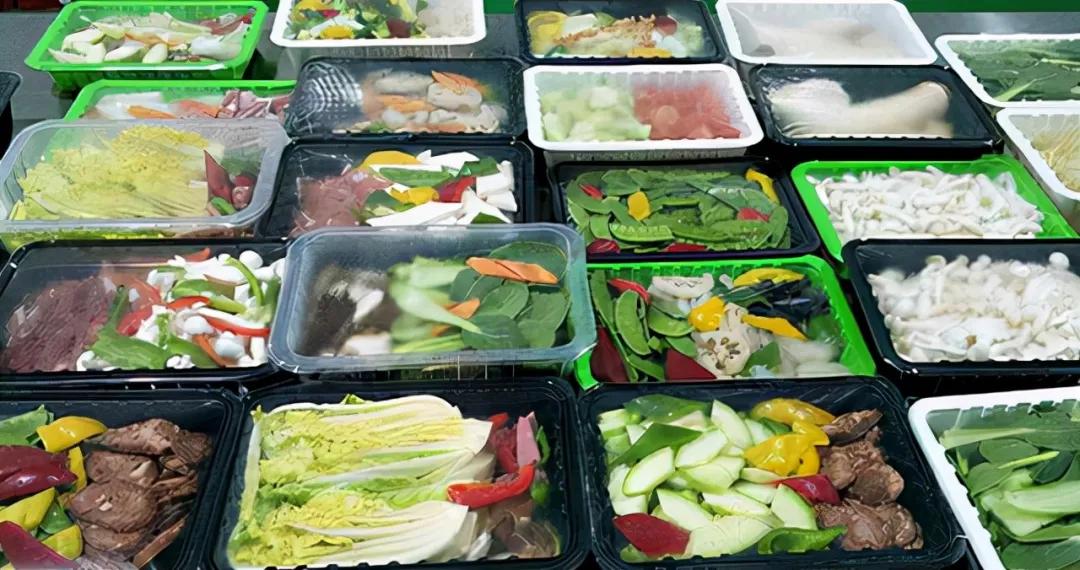
Finally, the campus meal supply mode is constantly optimized. Most schools have adopted a mixed mode of "clean vegetables + on-site cooking", which not only retains the nutrition and taste of freshly made dishes, but also eases the pressure of meal supply; at the same time, schools have gradually improved the supervision mechanism, set up catering committees, and invited parents to participate in meal tasting and visits to central kitchens. The public's perception of pre-prepared food is also becoming more rational, no longer denying it blindly, but paying more attention to its safety and nutritional standards.
The controversy over pre-prepared food entering campuses is essentially a adherence to the safety and nutrition of campus catering. With the improvement of supervision and industrial upgrading, pre-prepared food is expected to resolve the controversies and become a useful supplement to campus meal supply. In the future, only by adhering to the bottom line of safety and nutrition and promoting the standardized and nutritional development of pre-prepared food can it truly serve campuses, protect the healthy growth of teenagers, and realize the dual improvement of the efficiency and quality of campus meal supply.

