


Chinese Nanjing salted duck, commonly known as "Pipa duck", is a very representative traditional preserved meat in Jinling cuisine. It is also called "Jinling double duck" with salted duck. It is known as "north roast duck, south salted duck. It began in the Six Dynasties and flourished in the Ming and Qing Dynasties. It once entered the palace as a "tribute duck". Now it is the intangible cultural heritage of Jiangsu Province, carrying the dietary context of Nanjing for more than 600 years.
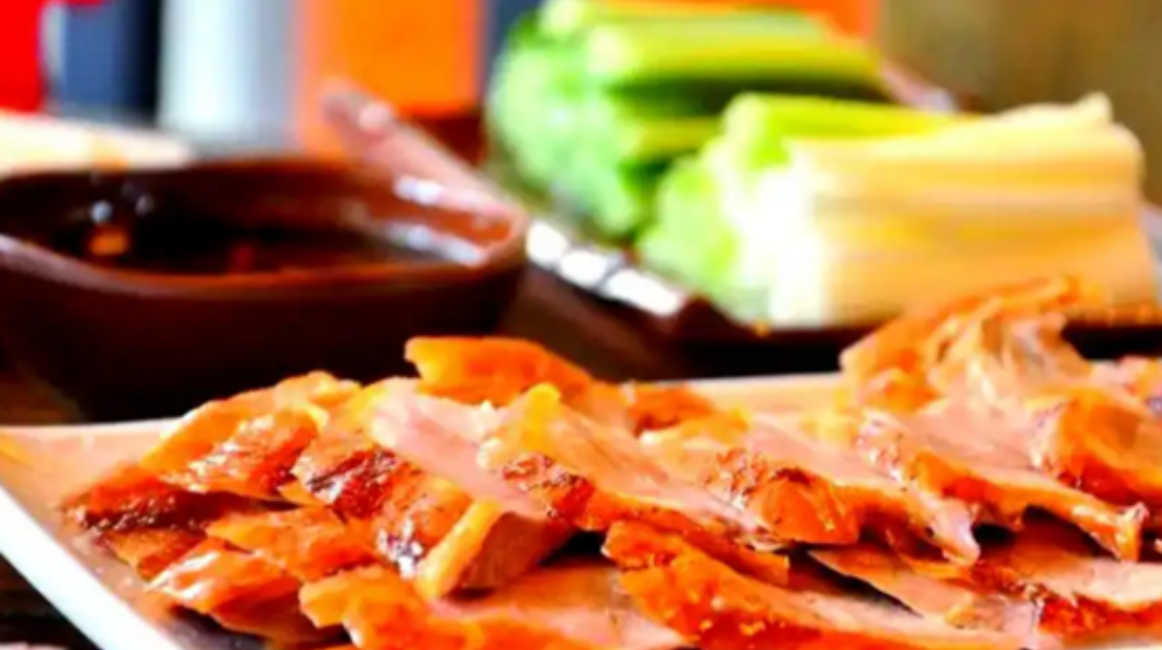
The birth of authentic salted duck is harsh from the selection of materials. Must choose lake cooked rice fat duck or Gaoyou hemp duck, with rice fattening, tight meat and uniform fat. From slaughter, stir-frying and salting, Chen Lu fu Lu Lu to hanging and air drying, dozens of processes took more than a month to finally achieve the classic appearance of "white skin, red meat and crisp bones". the duck body is flat and round like a pipa, and its texture is tight like a plate, hence its name.
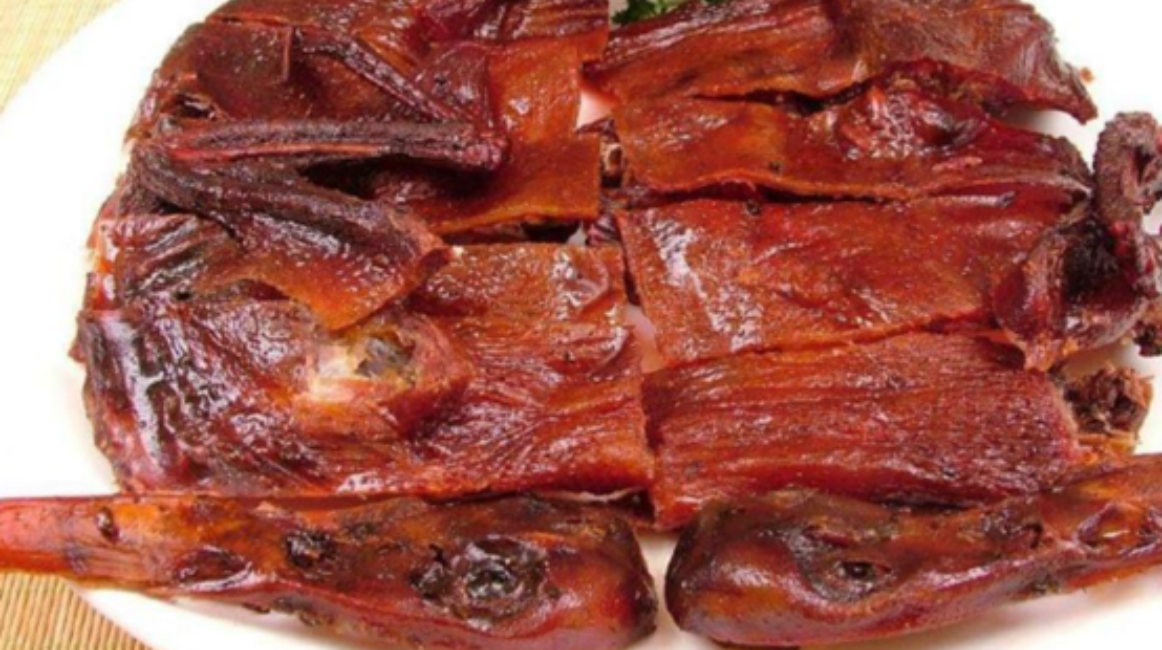
Its flavor is unique, not relying on the sauce, but with bittern into the bone, wax fragrance through the bottom. After steaming, it is cold cut, sprinkled with a little balsamic vinegar, salty and fresh at the entrance, the meat is crisp but not rotten, oily but not greasy. The more you chew, the more mellow wax fragrance and sweet grain fragrance are. It is standard on the dining table in winter and spring in old Nanjing, and it is also a good product for guests with wine.
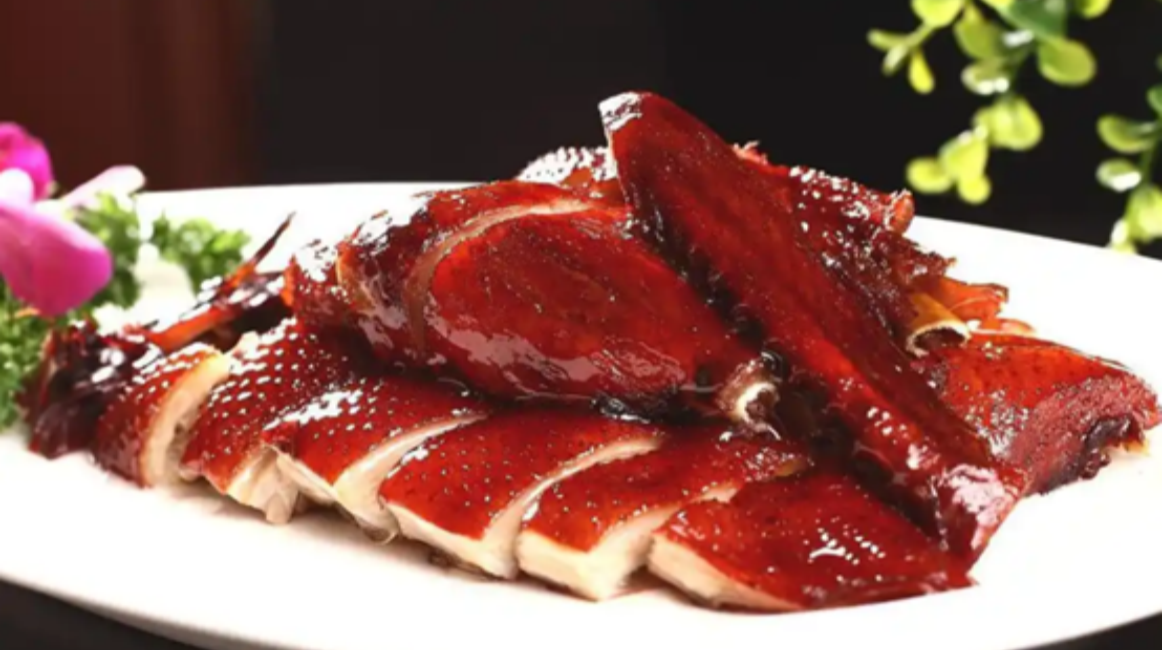
Nanjing salted duck is not only a delicious food, but also a vivid symbol of Jinling culture. Folk "would rather not eat a thousand bell millet, not a day without salted duck" slang, said it in the hearts of the local people's weight. It has witnessed the fireworks and historical changes in Nanjing. From palace tributes to ordinary family flavor, it has always been a reflection of the city's restrained, calm and skeletal taste.
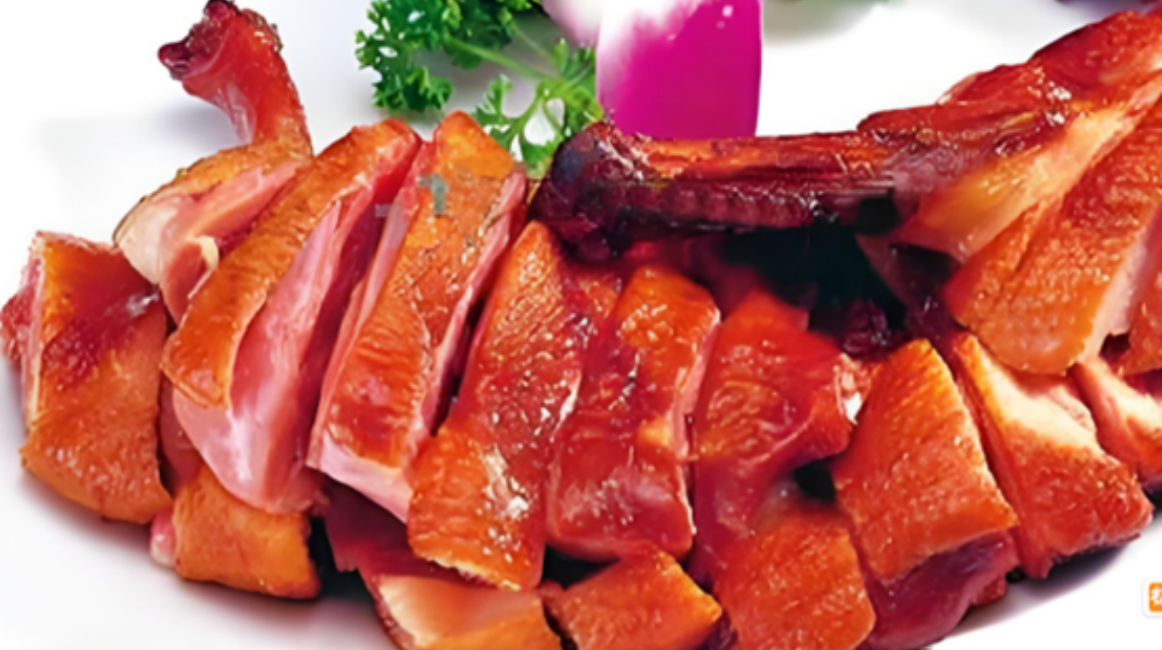
Nowadays, the production techniques of Nanjing salted duck are innovated in the process of inheritance, which not only retains the traditional process, but also adapts to the modern taste and preservation needs. It walked out of Jinling and became a business card for spreading Jiangnan food culture, allowing more people to understand Nanjing's thousand-year-old heritage and fireworks warmth in a mouthful of salty and fragrant bacon.

