


Nestled at the junction of Yunnan, Guizhou and Guangxi provinces, Qianxinan is a karst paradise favored by time. Free from the hustle and bustle of crowded tourist spots, it boasts rolling strange peaks, gurgling streams and stunning mountain scenery, as well as distinctive local delicacies infused with ethnic flavors and the essence of mountains and wilderness. With magnificent landscapes as its backbone, delicious food as its soul, and ancient folk customs as its charm, this land perfectly integrates natural beauty with earthly warmth. Every scenic spot is a picturesque view, and every bite of local food conveysys tender warmth.
Layers of Peaks: The Grandeur of Wilderness Mountains
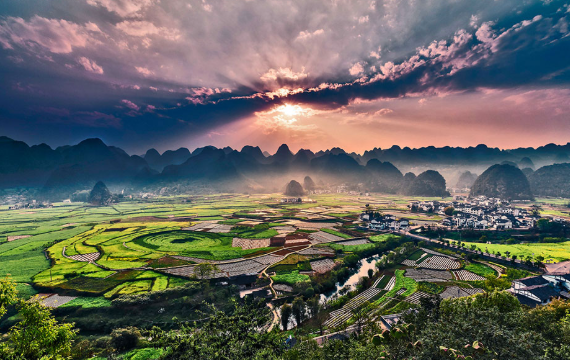
The landscapes of Qianxinan are poetic masterpieces crafted by nature, among which the Wanfenglin (Ten-Thousand Peaks Forest) stands out as the most stunning highlight. Xu Xiake, the renowned ancient geographer and traveler, once praised it, “There are countless mountains under heaven, yet only here do peaks stretch into an endless forest.” More than 20,000 conical peaks rise abruptly, overlapping and stretching far into the distance, unfolding an endless scroll of karst scenery. In spring, vast fields of rapeseed flowers bloom in full splendor, with golden blossoms surrounding dark green peaks, crisscrossing country roads and winding streams setting off idyllic rural scenery. In autumn, rolling golden rice waves adorn Buyi villages, and the gentle wind brings the pure charm of countryside life. The Nahui River winds through the forest, encircling the peaks and flowing past ancient trees and villages, presenting the grandeur and tenderness of karst landscapes in every quiet and dynamic scene.
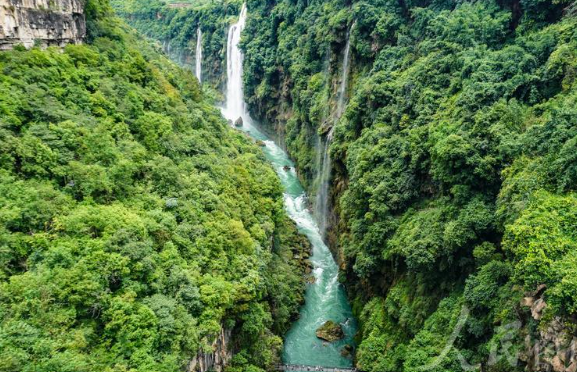
Beyond the peak forest, the Maling River Canyon embraces unique exquisite beauty. Known as “the most beautiful scar on the earth”, the canyon features towering opposing cliffs and cascading waterfalls. Over a hundred waterfalls pour down the precipices, some roaring powerfully and others flowing softly, shrouding the valley in mist and dappled light. On sunny days, rainbows hang in the sky; on rainy days, the canyon is veiled in hazy mist. Lush green plants grow on both banks, dotted with strange stones, offering delightful views at every step. The vast Wanfeng Lake is surrounded by rolling mountains, with crystal-clear blue water and scattered islands. When the morning or evening glow spills over the lake, mountains and water blend in perfect harmony with sparkling waves, resembling a fairyland on earth.
Earthly Flavors: Tasting the Original Wilderness Taste
Nourished by mountains and rivers, the fertile land breeds unique delicacies. Qianxinan’s local food rejects complicated craftsmanship and adheres to natural original flavors, with every taste embodying the gifts of nature and the wisdom of ethnic groups. Xingyi Mutton Rice Noodles are an indispensable local staple. Different from other styles of mutton noodles, it uses local goats to simmer clear and rich broth over slow fire. The mutton is tender, savory and free of gamey smell. Paired with chewy rice noodles and seasoned with secret spicy numbing sauce, it delivers a refreshing, rich yet non-greasy taste. A bowl of warm noodles warms the heart and stomach, serving as the most comforting morning treat for locals.
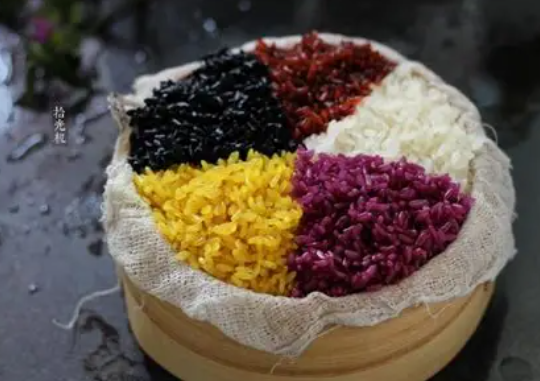
Snacks hidden in mountain villages fully reflect ethnic customs. Colorful Glutinous Rice is a traditional feast food of the Buyi and Miao ethnic groups. Made by steaming glutinous rice dyed with natural plant juices from maple leaves, gromwell roots and ginger roots, it features bright natural colors, soft glutinous texture and faint grassy fragrance without any artificial pigments. The Wanfenglin Fried Rice is a wildly popular local snack. Stir-fried with local free-range eggs, fragrant lard residue and chewy rice, and served with refreshing pickled vegetables, it boasts distinct rice grains and irresistible aroma, turning simple ingredients into ultimate earthly delicacy. In addition, savory glutinous rice dumplings stuffed with chicken feature thin wrappers and generous fillings, soaked in delicious chicken soup. Sour Bamboo Shoot Fish is appetizing and tangy, combining tender lake fish with mellow sour bamboo shoots. Every bite captures the exclusive wilderness flavor of Qianxinan.
Customs and Charm: Experiencing Human Warmth
Mountains and rivers nurture people, while food conveys sincere emotions. The beauty of Qianxinan lies more in its profound ethnic heritage accumulated over thousands of years. Inhabited by Buyi, Miao, Yi and other ethnic minorities, the region integrates ancient folk customs with landscapes and delicacies, endowing the land with vivid warmth. During traditional festivals, villages are filled with joy and excitement. The long Buyi ethnic banquet stretches for hundreds of meters, displaying an array of delicacies including colorful glutinous rice, sour bamboo shoot fish and eight classic Buyi dishes. Villagers and guests gather together, chatting and laughing in an atmosphere of pure and sincere warmth.
Ethnic customs and delicacies permeate daily life. Handmade rice cakes by elderly local women taste sweet and soft. Grey glutinous rice dumplings soaked in plant ash water offer a mellow and sweet aftertaste. Brush pastries, an intangible cultural heritage snack, feature thin wrappers and fresh fillings. Every snack carries the ingenuity passed down from generation to generation. Wandering along the village paths, you will see scattered tile-roofed wooden houses and experience simple folk customs and peaceful slow-paced life. The grandeur of mountains and rivers, the warmth of delicacies and the profundity of human customs blend perfectly here.
The tenderness of Qianxinan hides in the poetic scenery of peak forests and canyons, lingers in the smoky wilderness flavors, and settles in the simple and pure ethnic customs. Every mountain and river forms a painting, every delicacy embodies original sincerity. This secret land welcomes tourists with magnificent scenery and warms every traveler with earthly flavors, awaiting you to encounter the romance of mountains and seas and taste the warmth of mortal life.

