


Within the vast landscape of Chinese tea culture, West Lake Longjing stands as an undisputed gem. Produced amidst the hills surrounding Hangzhou’s West Lake, it is renowned worldwide for four distinctive qualities—vibrant green color, rich aroma, sweet taste, and elegant shape—and ranks first among China’s top ten famous teas. In 2025, the brand value of West Lake Longjing reached 8.639 billion RMB, marking the seventh consecutive year it has topped the list of regional public tea brands in China. From the scattered references in Lu Yu’s *The Classic of Tea* (Tang Dynasty) to its current status as the world-renowned "Queen of Green Teas," West Lake Longjing has journeyed through more than 1,200 years of history. This cup of springtime essence embodies not only the spiritual aura of West Lake’s landscape but also the dedicated craftsmanship passed down through countless generations of tea artisans.
A Millennial Tea Legacy: From Monasteries to Imperial Favor
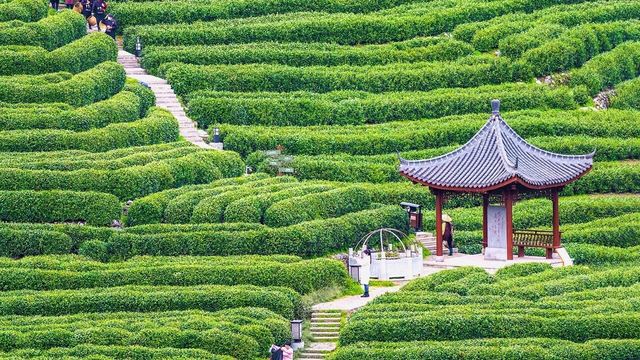
The history of West Lake Longjing dates back to the Tang Dynasty. Lu Yu, the "Tea Sage," recorded the production of tea at Hangzhou’s Tianzhu and Lingyin monasteries in *The Classic of Tea*—the earliest documentary evidence of Longjing tea. During the Northern Song Dynasty, the monk Biancai retired to Longjing Village and cultivated tea trees in the area of Lion Peak Mountain (Shifeng Shan); the name "Longjing Tea" was derived from the village itself. The tea's renown grew over centuries: its name originated in the Song Dynasty, it gained fame in the Yuan, rose to prominence in the Ming, and reached its zenith in the Qing. It was the Qianlong Emperor of the Qing Dynasty who truly elevated West Lake Longjing to its supreme status. He toured the region south of the Yangtze River six times—visiting Longjing four times—composed six imperial poems about the tea, and bestowed the title of "Imperial Tea" upon the eighteen tea trees growing in front of the Hugong Temple at the foot of Lion Peak Mountain. From then on, West Lake Longjing became world-famous and a premier choice among tribute teas. After the founding of the People's Republic of China, the fondness shown by leaders such as Mao Zedong and Zhou Enlai brought the fragrance of this tea into the halls of Zhongnanhai.
Landscape Nurtures Tea: Shi, Long, Yun, Hu, and Mei
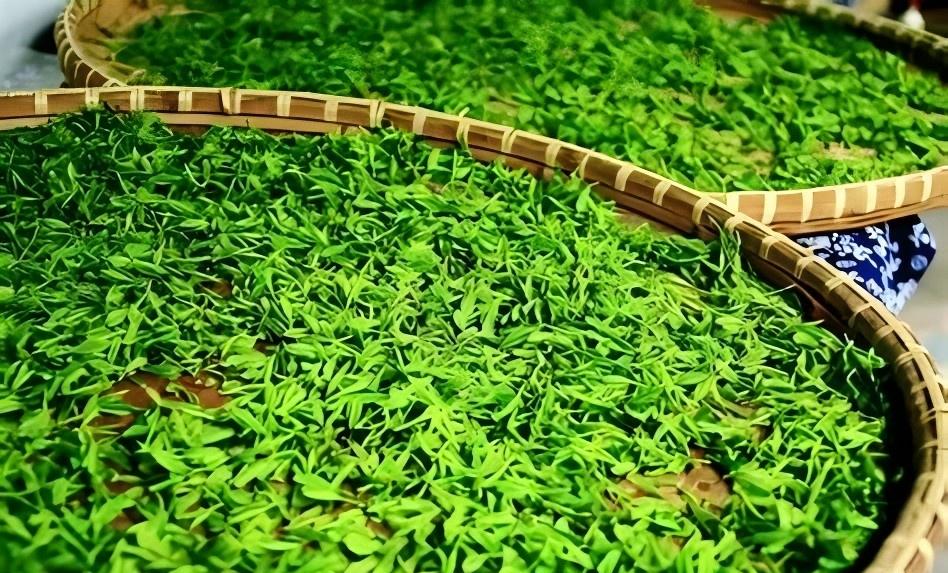
The exceptional quality of West Lake Longjing stems, first and foremost, from its unique and inimitable *terroir*. The core production area is situated in the hills surrounding the West Lake Scenic Area and is renowned for five traditional "brand" names: Shi (Lion), Long (Dragon), Yun (Cloud), Hu (Tiger), and Mei (Plum). The terrain around Shifeng Mountain—high in the north and low in the south—blocks cold northern currents while trapping warm southern ones; meanwhile, moisture drifting from West Lake lingers over the tea gardens, creating a unique microclimate of swirling mists. Tea trees growing amidst these mists produce exceptionally tender buds and leaves. The soil, a blend of white sandy earth and yellow loam, offers excellent permeability and is rich in trace elements, providing an ideal environment for the tea trees. The Meijiawu area, a historic village with six centuries of tea culture, accounts for approximately one-third of the total output of the core production area. It is this exceptional landscape that gives West Lake Longjing its peerless character: a flavor that is subtle yet lingering, and an aroma that is pure and refreshing.
Artisanal Roasting: Ten Techniques to Reveal True Flavor
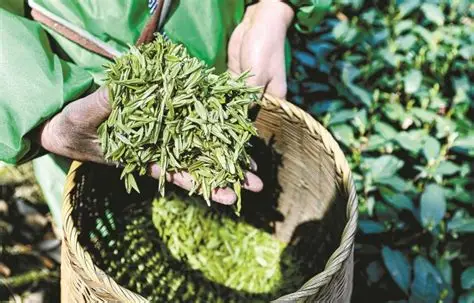
"West Lake Longjing is crafted by hand, leaf by leaf." This saying captures the painstaking effort and meticulous care involved in harvesting and processing Longjing tea. Harvesting follows the principles of "early, tender, and frequent," with the highest quality tea—known as *Mingqian* tea—picked before the Qingming Festival. The picking standards are extremely rigorous: only intact "one bud, one leaf" shoots are selected, with the bud longer than the leaf and a total length of approximately 1.2 centimeters. Producing just one *jin* (500 grams) of premium *Mingqian* West Lake Longjing requires the harvesting of at least 80,000 tender buds and leaves. The freshly picked leaves undergo multiple processing stages—including spreading, fixation (kill-green), moisture redistribution, and final roasting—all carried out in specially designed iron pans. Tea masters employ ten distinct techniques—shaking, guiding, squeezing, flicking, straightening, spreading, pressing, grasping, flattening, and polishing—relying on their hands to sense changes in moisture content against pan temperatures exceeding 200°C as they gradually shape the tea leaves. The essence of hand-roasting lies in the seamless interaction between hand and leaf—never letting the tea leave one's grasp. This technique is recognized as a National Intangible Cultural Heritage and, in 2022, was inscribed on the UNESCO Representative List of the Intangible Cultural Heritage of Humanity as part of "Traditional tea processing techniques and associated social practices in China."
A Cup of Spring: Brewing and Tasting
Savoring West Lake Longjing is a grand way to welcome spring. It is best brewed in a glass or white porcelain cup using about 2 to 3 grams of tea leaves and water heated to 85°C. When pouring, first moisten the leaves and let the aroma develop for thirty seconds, then pour from a height until the cup is seven-tenths full. As the leaves unfurl and dance within the cup, the liquor gradually takes on a brilliant, translucent emerald-yellow hue. The taste is sweet, fresh, and mellow, accompanied by a delicate, lingering fragrance—often reminiscent of fresh bean curd or subtle floral notes—that stays on the palate. To distinguish quality, look for fresh, vibrant green buds and leaves that resemble a lotus flower emerging from the water; older tea appears dull with withered, thin leaves. Authentic West Lake Longjing leaves are flat and smooth with a "brown rice" color—contrary to the misconception that a greener color indicates better quality. Today, every batch of authentic West Lake Longjing bears a certificate of origin, serving as a crucial mark of authenticity for consumers.
A cup of West Lake Longjing holds the misty rain of the West Lake, the legacy of centuries of craftsmanship, and the Chinese people's anticipation of spring. From the temple tea described by Lu Yu to the imperial tribute honored by the Qianlong Emperor, and now to the cups of ordinary households, West Lake Longjing has remained an integral part of the Chinese spirit. Hangzhou is currently actively pursuing the designation of West Lake Longjing tea as a Globally Important Agricultural Heritage System (GIAHS) for 2026. This tea, with an aroma that has endured for a millennium, is stepping onto the global stage with newfound confidence. On a spring afternoon, as you watch the tender tea buds unfurl and settle in your cup, you might just hear the breeze of West Lake, the springs of Longjing, and the warmth passed down through the palms of tea-roasting artisans over the centuries.

