


The flavor of the New Year lies in the mortal world and shines brighter in the brilliant lights. As the most representative folk symbol of Chinese Spring Festival, lanterns carry thousands of years of cultural memories and expectations for reunion. From the faint lights in the streets and alleys to the bright display of thousands of lanterns, each one illuminates the joy of the New Year, links the Chinese people’s yearning for a better life, and becomes an indelible New Year mark etched in their bones.
Tracing Back a Millennium: The Origin and Inheritance of Lanterns
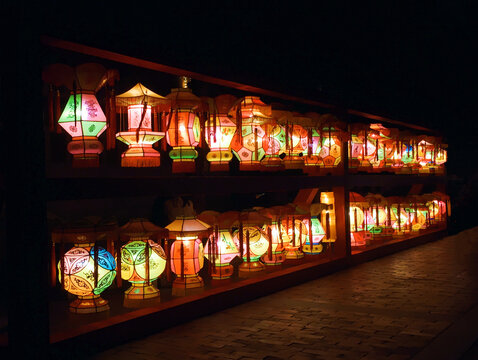
Lanterns originated in the Western Han Dynasty, derived from the ancient custom of "lighting lanterns to pray for blessings." The ancients believed that lights could drive away evil spirits and bring blessings, and the tradition of lighting lanterns during the Spring Festival has been passed down to this day. The invention of papermaking in the Eastern Han Dynasty simplified lantern production, allowing them to move from noble mansions to ordinary families and become an indispensable part of the Spring Festival.
The Sui and Tang dynasties were the golden age of lantern development. Viewing lanterns on the Lantern Festival became a national celebration, with Chang’an adorned with countless bright lanterns, and various types such as zoetropic lanterns and Kongming lanterns emerged. With the rise of civic culture in the Song Dynasty, lantern styles became more diverse and craftsmanship more exquisite. Lantern fairs were accompanied by singing, dancing and acrobatics, showing the prosperity of the market. Over thousands of years, lanterns have evolved from ritual carriers to New Year symbols with both ornamental and folk value.
Lights Conveying Emotions: The Folk Bond Between Lanterns and Spring Festival
Lanterns have long transcended their lighting function, integrated into the fabric of Spring Festival customs, and carried beautiful meanings of reunion and blessing. On the eve of the Spring Festival, every household hangs red lanterns, which not only decorate the residence but also embody the expectation of family reunion, becoming an emotional sustenance for overseas travelers missing their hometowns.
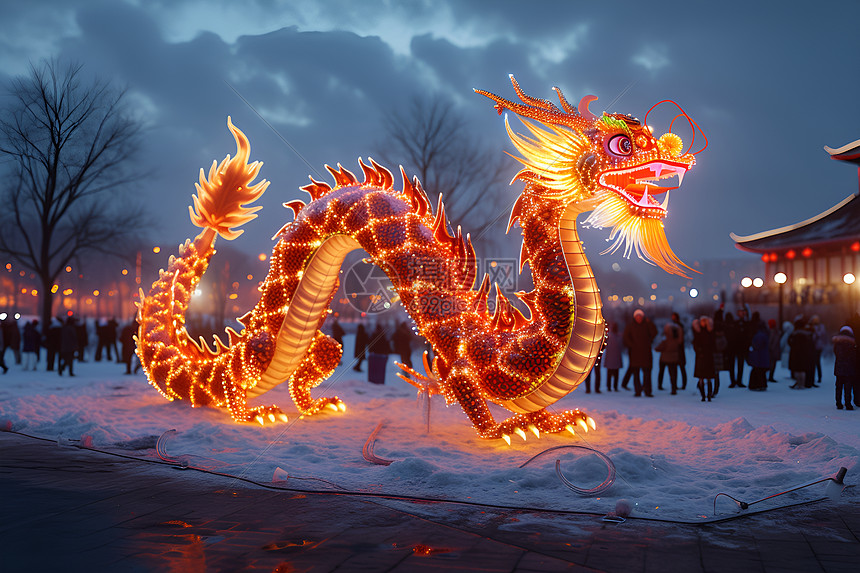
Viewing lanterns on the Lantern Festival is the climax of Spring Festival customs. Lantern fairs around the country are bustling with activity, and viewing lanterns and guessing lantern riddles become popular pastimes for all. Guessing lantern riddles, which combines fun and knowledge, adds elegance to the lanterns. Lanterns of different shapes, such as fish-shaped, lotus-shaped and dragon-shaped ones, carry blessings like "abundant harvest year after year" and "good luck," making the New Year flavor more rich and mellow.
Ingenious Craftsmanship: Regional Characteristics and Production Techniques of Lanterns
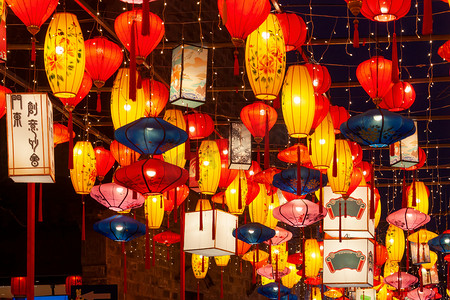
China has a vast territory, and lanterns have formed distinct regional characteristics. Northern lanterns are simple and grand, mainly red lanterns and dragon lanterns, made of thick materials with bright colors, reflecting the boldness of northerners. Southern lanterns, such as Suzhou, Guangdong and Sichuan lanterns, are exquisite and vivid, mostly made of bamboo strips and silk, showing the grace and elegance of the Jiangnan and Lingnan regions.
Lantern making integrates weaving, paper-cutting and painting, going through multiple processes including material selection, frame making, pasting, painting and decoration. Craftsmen build frames with bamboo strips, paste rice paper or silk on them, paint folk patterns, and add light sources to complete a lantern. Handmade lanterns carry craftsmanship and warmth, a folk charm that machine-made lanterns cannot replace.
Passing on the Torch: Contemporary Inheritance and Innovative Development of Lanterns
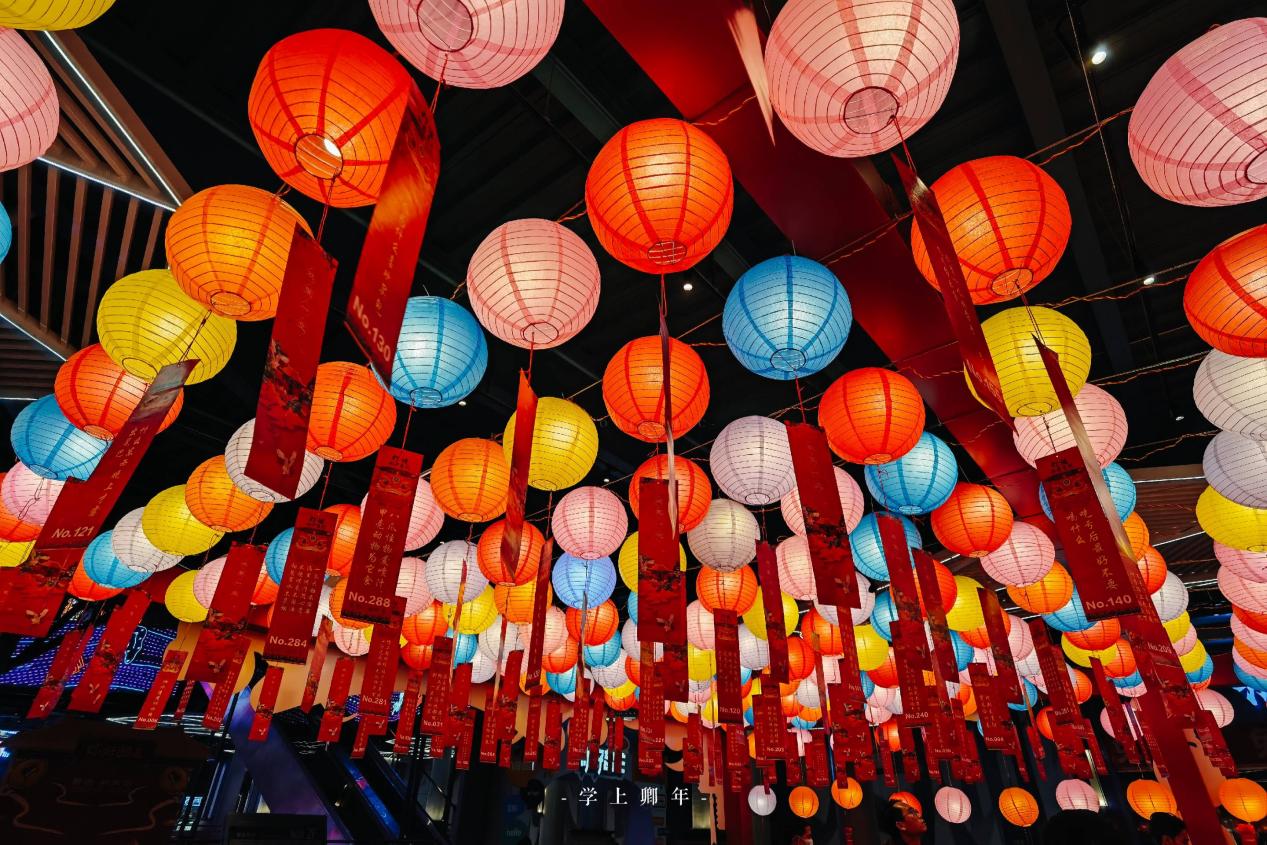
In the new era, lanterns have innovated while adhering to traditions. Integrating modern lighting technology to create immersive lantern fairs, they have evolved from static displays to dynamic light shows, becoming a highlight of Spring Festival cultural tourism and attracting young people to participate.
Young inheritors have injected vitality into lantern making, designing national trend and cartoon-style lanterns to cater to young people’s aesthetics. Lanterns have been combined with cultural and creative products and short videos to expand their dissemination channels. The use of environmentally friendly materials and energy-saving light sources makes lanterns conform to the concept of green development, retaining the New Year flavor while showing contemporary characteristics.
A single lantern carries thousands of years of cultural heritage and expectations for reunion. It witnesses family gatherings, records the inheritance of folk customs, maintains the warmth of daily life through the flow of light and shadow, and conveys cultural power, enabling excellent traditional Chinese folk culture to thrive and shine in the new era.

