


In the vast and vibrant tapestry of Chinese cuisine, where flavors tell stories and dishes embody wishes, there exists a creation of profound simplicity and deep symbolism. It appears at life’s most cherished gatherings: weddings bursting with red and gold, Lunar New Year feasts echoing with laughter, milestone birthdays celebrating venerable elders. There, amidst a symphony of plates, one will often find it—a commanding, glossy quartet, resting in a pool of luminous, savory sauce. These are the Four-Joy Meatballs, or Si Xi Wan Zi. More than mere culinary fare, they are edible emblems of happiness, their very name a promise and their presence a blessing. To understand this dish is to grasp a fundamental tenet of Chinese food culture: that nourishment feeds not just the body, but also the soul and the collective spirit of family and community.
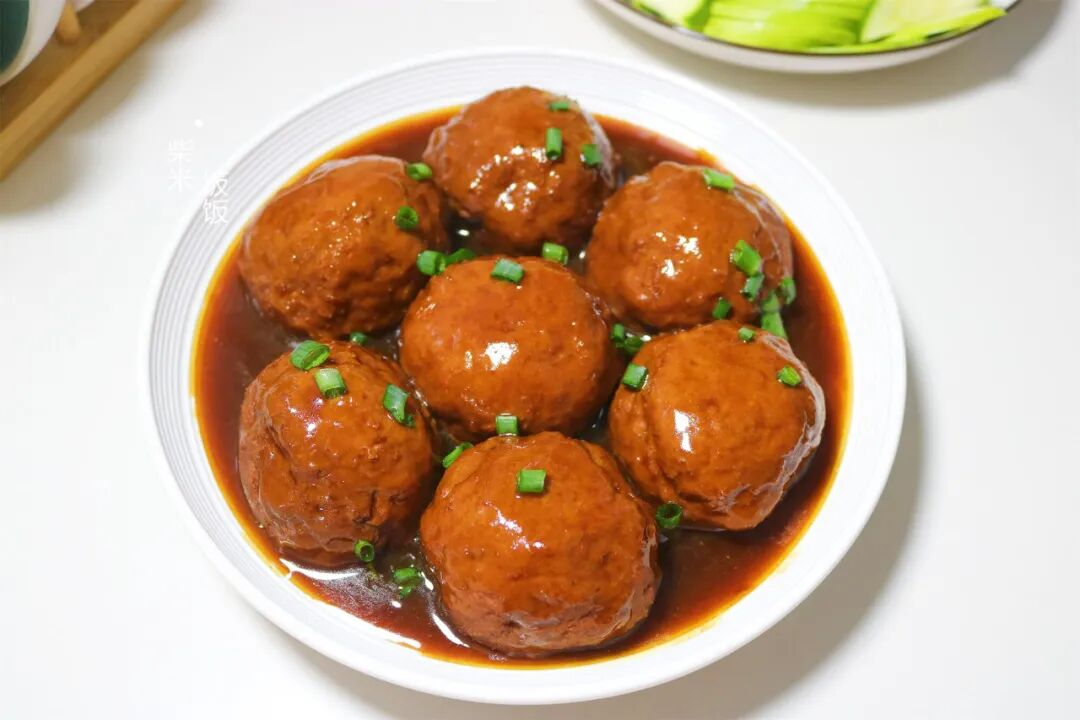
The story of the Four-Joy Meatballs is woven into the long history of Chinese gastronomy, with threads leading back to the imperial kitchens of ancient times. While its precise origins are lovingly debated, many culinary historians trace its lineage to the broader tradition of large, braised meatballs, a dish known as Lion’s Head Meatballs from the Yangzhou region. However, where the Lion’s Head celebrates grandeur and texture, the Four-Joy Meatballs evolved to carry a specific, potent symbolic weight. The “Four Joys” themselves are a poetic encapsulation of core human aspirations deeply rooted in traditional Chinese philosophy. These joys are commonly understood to represent four cardinal milestones: marriage, the birth of children, career success, and longevity. Another interpretation speaks of four blessings from heaven: happiness, prosperity, longevity, and good fortune. Thus, the dish transforms from a simple combination of minced meat and seasonings into a tangible vessel for hope. Each meatball, perfectly round, signifies completeness, reunion, and the eternal cycle of life, its golden-brown surface shimmering like a precious artifact promising a future bright with auspicious events.
The creation of Four-Joy Meatballs is an exercise in balance and harmony, principles at the very heart of Chinese culinary arts. It begins with the selection of the core ingredients. Typically, a mix of fatty and lean ground pork is preferred, ensuring the final product is succulent and rich without being dry. To this, finely chopped water chestnuts or bamboo shoots are added, introducing a crucial element of subtle crunch that contrasts delightfully with the meat’s tenderness—a play on textures highly prized in the cuisine. Green onions and ginger, minced to aromatic perfection, are incorporated not just for flavor but for their perceived warming properties. The binding agent is often a combination of egg, cornstarch, and sometimes a splash of rice wine, which melds the components into a cohesive, malleable mixture.
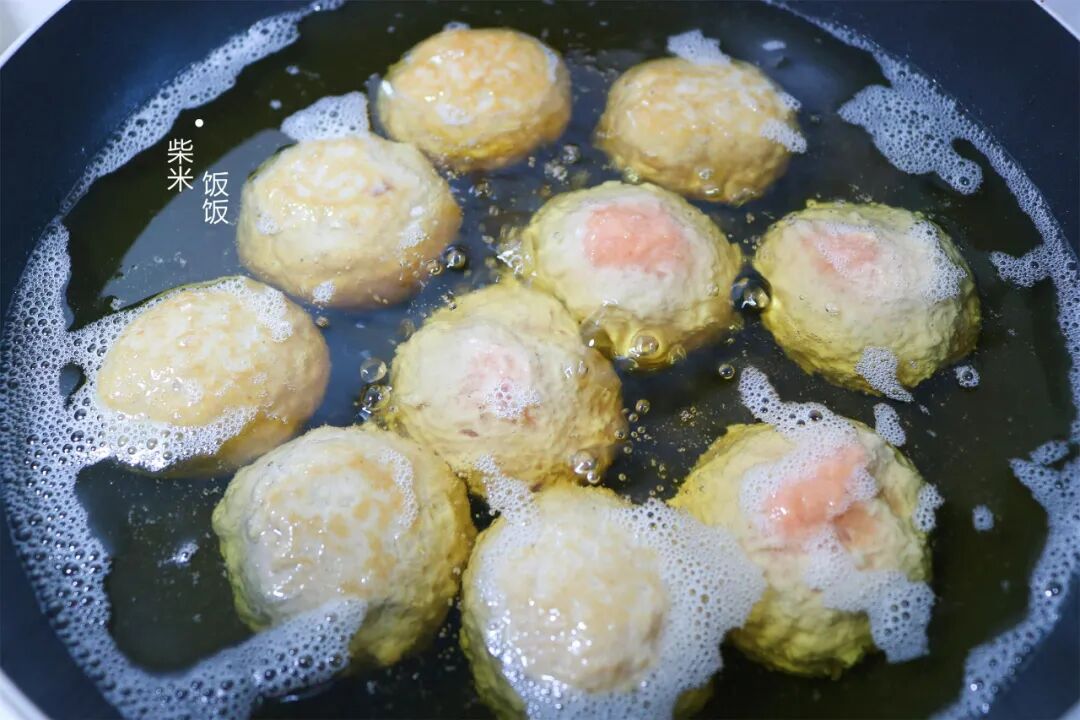
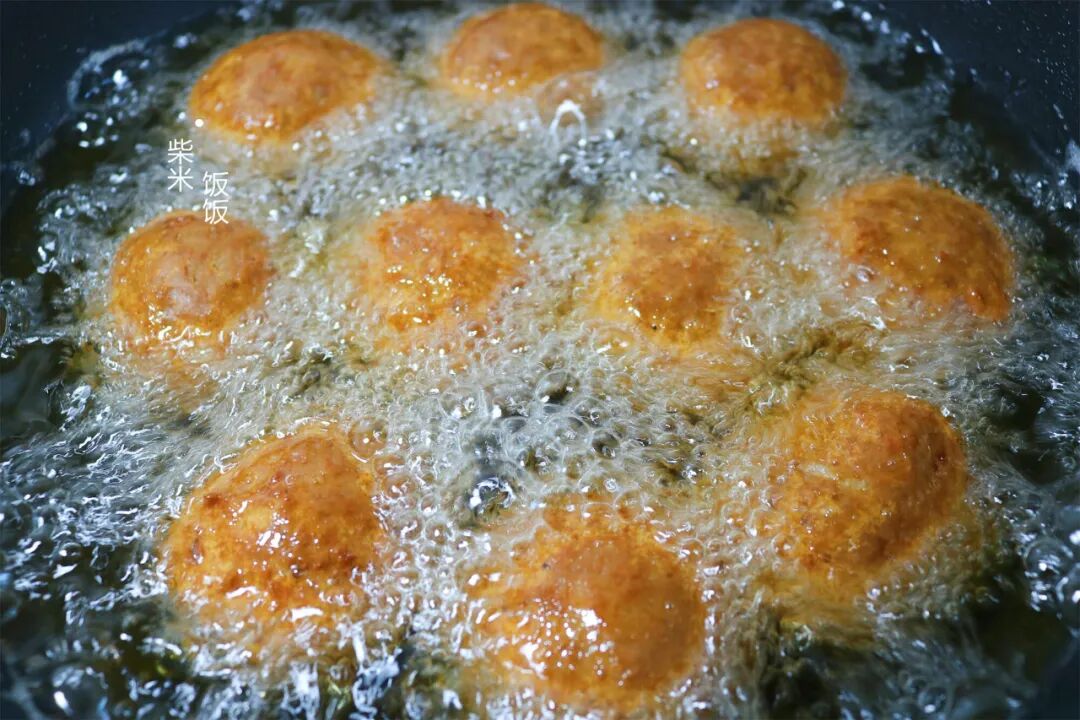
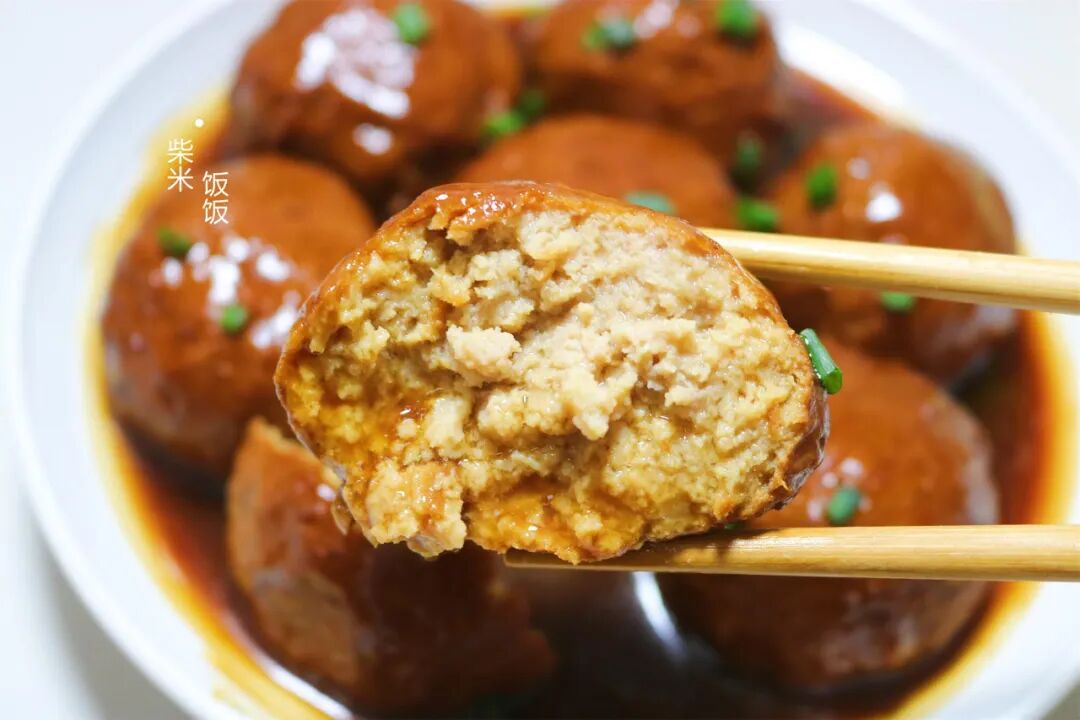
Then comes the transformative act of shaping and cooking. Portions of the mixture are carefully rolled between oiled palms into large, smooth spheres, their size conveying generosity and substance. The next step is critical: deep-frying. This seals the exterior, locking in the juices and creating that signature golden, slightly crusty shell. But the journey to completion is through braising, the gentle, patient cooking method that defines so many classic Chinese dishes. The fried meatballs are nestled in a pot, often atop a bed of blanched greens like bok choy or Shanghai cabbage to prevent sticking and add a layer of vegetable sweetness. They are then generously anointed with a simmering sauce made from soy sauce (both light and dark for color and depth), Shaoxing wine, rock sugar, ginger, and star anise. As the pot bubbles softly, a magical alchemy occurs. The robust sauce slowly permeates the meatballs, its flavors deepening and concentrating, while the starch from the meatballs subtly thickens the liquid into a glossy, velvety coat. The result is a masterpiece of contrast: a savory, slightly sweet, and profoundly umami-rich exterior giving way to a moist, fragrant, and complex interior.
Presenting Four-Joy Meatballs is itself a ritual. They are always served in even numbers, most commonly four, arranged symmetrically on a plate or in a deep, wide bowl. The accompanying sauce is generously ladled over them, and they are frequently garnished with bright green strands of scallion or cilantro. The vibrant greens against the deep, mahogany hue of the meatballs and the sheen of the sauce create a visual feast that precedes the culinary one. To partake in this dish is to engage in a shared experience. Using serving spoons or chopsticks, a meatball is carefully divided among family and friends, its tender structure yielding easily. Each bite is a harmonious blend of the salty, the sweet, the aromatic, and the texturally diverse—a microcosm of the balanced life the dish wishes upon its consumers.
While the core essence of the Four-Joy Meatballs remains constant, regional variations add delightful accents to the theme. In northern China, the flavors might lean more savory, with a heavier hand on the soy sauce and perhaps a touch of fermented bean paste for a more robust profile. In the eastern and southern regions, a sweeter nuance is often preferred, with rock sugar playing a more prominent role, mirroring the local palate. Some modern interpretations, acknowledging diverse dietary needs, have emerged. Chefs might prepare versions using finely chopped mushrooms, tofu, or lentils to create vegetarian “meatballs” that still honor the symbolic form and sauce. Others experiment with different proteins like beef, chicken, or even seafood, though pork remains the canonical choice for its flavor and cultural association with prosperity and strength.
Ultimately, the enduring power of Four-Joy Meatballs lies in their profound cultural resonance. In a fast-paced, modern world, they remain a steadfast anchor to tradition, a delicious reminder of shared values and collective hopes. They are not everyday food; their appearance marks a day as special, an occasion as significant. For a foreign guest encountering them for the first time, the experience transcends simple eating. It is an invitation into a worldview where food is a language of care, where symbolism is woven into the fabric of a meal, and where joy is something to be crafted, shared, and literally consumed. The dish communicates a universal message of goodwill, celebration, and the human desire for a flourishing life, making it a truly golden ambassador of Chinese culture. To savor a Four-Joy Meatball is to taste a piece of China’s philosophical heart—a heart that believes in crafting happiness, one deliberate, flavorful, and perfectly round bite at a time. It is a culinary heirloom, passed down through generations, not just as a recipe but as an edible prayer for prosperity, a warm, savory blessing served on a plate, connecting the past to the present, and families to their brightest futures.

