


For millennia, a single flower has quietly come to embody the soul of a civilization. In China, the chrysanthemum is far more than a mere ornamental plant; it is a living symbol of noble character, a key to understanding ancient philosophical ideals, a ingredient in a beloved daily beverage, and a muse for poets and artists across the centuries. Its story, woven deeply into the fabric of Chinese culture, is a thousand-year journey from a wild herb to the "Golden Flower" of autumn, revered by emperors and commoners alike.
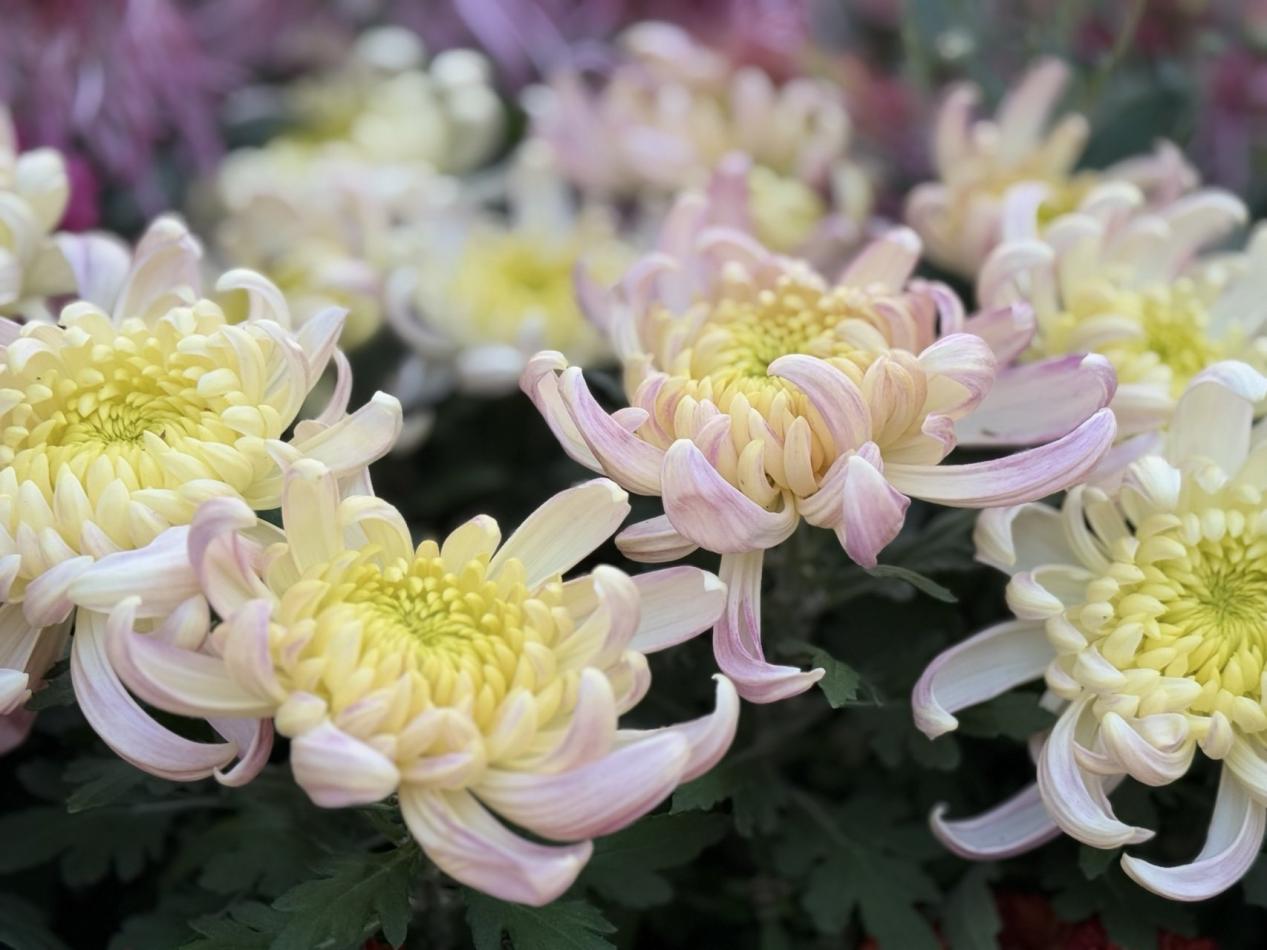
The history of the cultivated chrysanthemum in China stretches back to antiquity, with its origins lost in the mists of the Shang Dynasty (c.1600–1046 BC) . Long before it was prized for its aesthetic beauty, the wild chrysanthemum was valued for its practical uses. Ancient peoples discovered the plant’s medicinal properties, and for centuries, it was primarily cultivated as a vital herb and a remedy for various ailments . It wasn't until around the 9th century that Chinese gardeners and horticulturalists began applying sophisticated breeding techniques, transforming the simple, single-petaled wildflower into an astonishing array of complex forms and colors. The imperial gardens became centers of this botanical innovation, carefully cultivating varieties that would become national treasures . This evolution from a practical herb to an ornamental treasure marks the beginning of the chrysanthemum's ascent to cultural prominence.
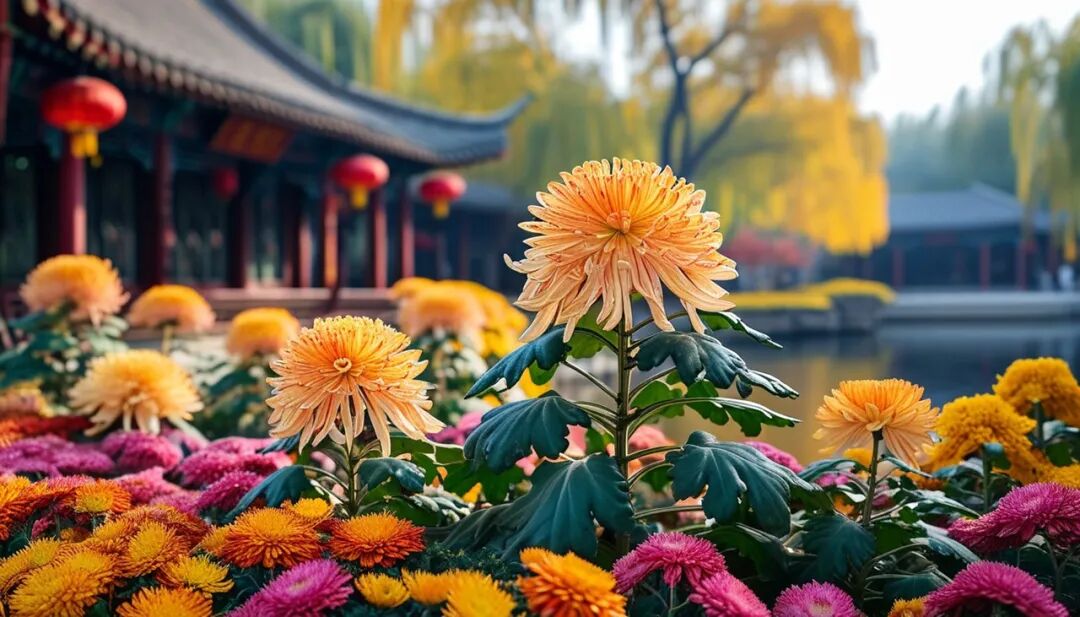
The chrysanthemum's transformation from a garden flower to a cultural icon is inseparable from the legacy of one man: the poet Tao Yuanming (365–427). Living during the tumultuous Eastern Jin Dynasty, Tao Yuanming became the archetype of the recluse scholar, a man who famously abandoned a life in the bureaucracy to live a simple life of farming, writing, and drinking wine. In one of his most famous poems, he paints an enduring image of serene contentment: "Picking chrysanthemum flowers by the eastern hedge, I gaze at South Mountain in the distance" . With these simple lines, Tao Yuanming forever fused the chrysanthemum with the ideals of a simple, reclusive life, lived with integrity and stay away from the corruption of the political world. The flower that blooms in the cool, crisp air of autumn became a metaphor for the scholar who could preserve his moral purity even in the face of adversity and societal decay . Through Tao Yuanming's verse, the chrysanthemum became an emblem of the scholar-gentleman, a symbol of quiet strength and unwavering principle.
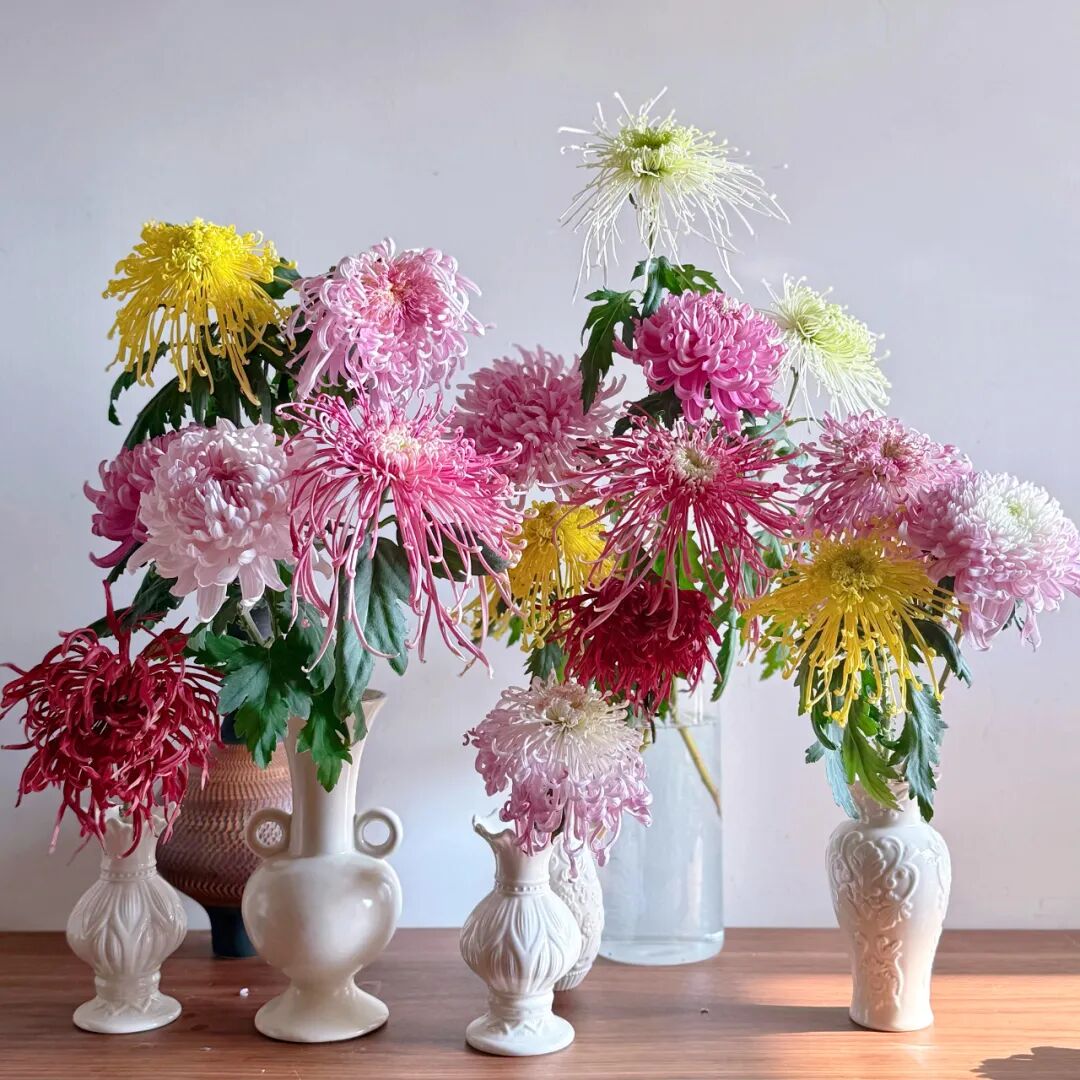
This symbolism was so powerful that the chrysanthemum was later enshrined as one of the "Four Gentlemen" (Si Junzi) in Chinese art, a quartet of plants that also includes the plum blossom, the orchid, and the bamboo . Each of these "gentlemen" represents a different season and a corresponding virtuous ideal. The plum blossom, braving the winter snow, stands for resilience and hope. The orchid, growing gracefully in hidden valleys, represents elegance and humility. The bamboo, strong yet flexible, embodies integrity and perseverance. The chrysanthemum, blooming in the golden days of autumn, is the emblem of the season of harvest and reflection. Its ability to flower when most other plants have withered serves as a powerful metaphor for the scholar who remains steadfast and honorable in challenging times . This artistic motif became a cornerstone of Chinese painting and ceramics for centuries, with artists striving to capture not just the physical form of these plants, but the very essence of their virtuous character. A Qing Dynasty vase adorned with white chrysanthemums, for instance, is not merely a decorative object; it is a vessel carrying the auspicious wish for a noble and resilient spirit .
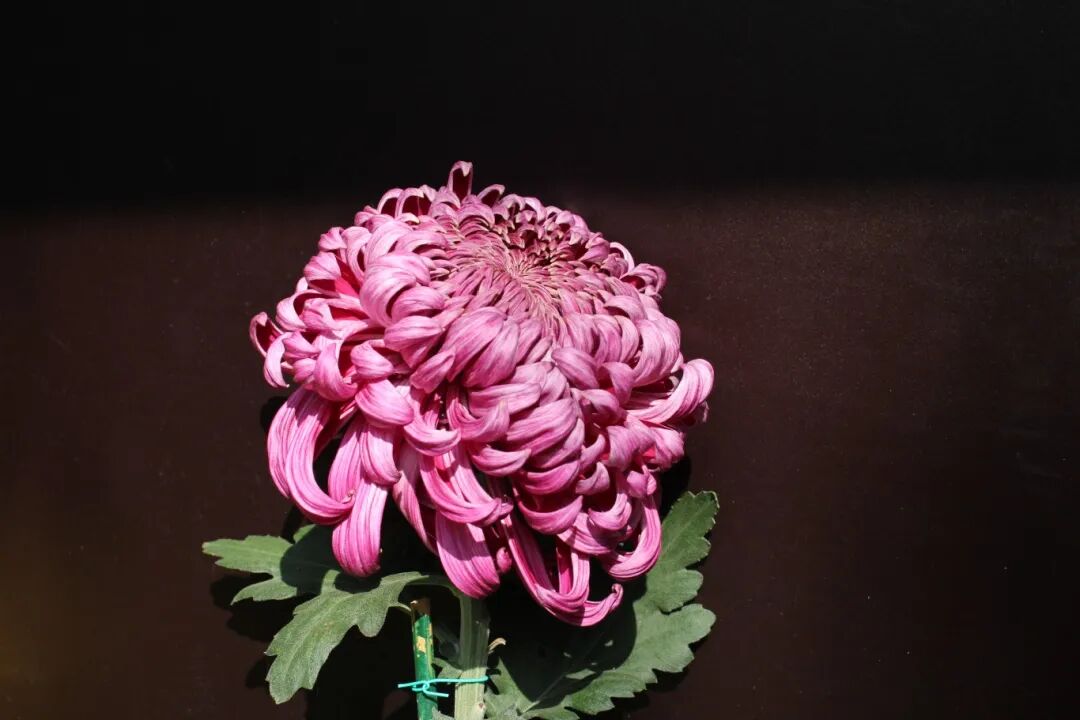
The cultural significance of the chrysanthemum reaches its zenith each year with the arrival of the Double Ninth Festival, or Chongyang Festival, celebrated on the ninth day of the ninth lunar month . As the lunar calendar turns to autumn, the chrysanthemum bursts into full bloom, earning the ninth month the poetic name "the month of chrysanthemum" . The festival itself is a vibrant celebration of this flower. Ancient traditions, still observed today, call for climbing mountains, enjoying the late autumn scenery, and, most importantly, admiring the chrysanthemums . People flock to parks and exhibitions to view the spectacular displays of countless varieties, a practice that has been a beloved custom for over a thousand years .
Integral to the Double Ninth Festival is the consumption of chrysanthemum wine. This "lucky wine," as it was known in ancient times, is made by infusing glutinous rice wine or yellow wine with chrysanthemum blossoms . It was believed to have powerful health benefits, a notion famously echoed by Tao Yuanming himself, who wrote that "wine can dispel all kinds of diseases, and eating chrysanthemum can prevent aging" . To this day, families might enjoy this fragrant wine alongside other seasonal delicacies, continuing a tradition that connects them to their ancestors and the timeless rhythms of the seasons . The festival, recognized as part of China's Intangible Cultural Heritage, has also evolved into a day to honor the elderly, reinforcing the flower's ancient association with longevity and respect .
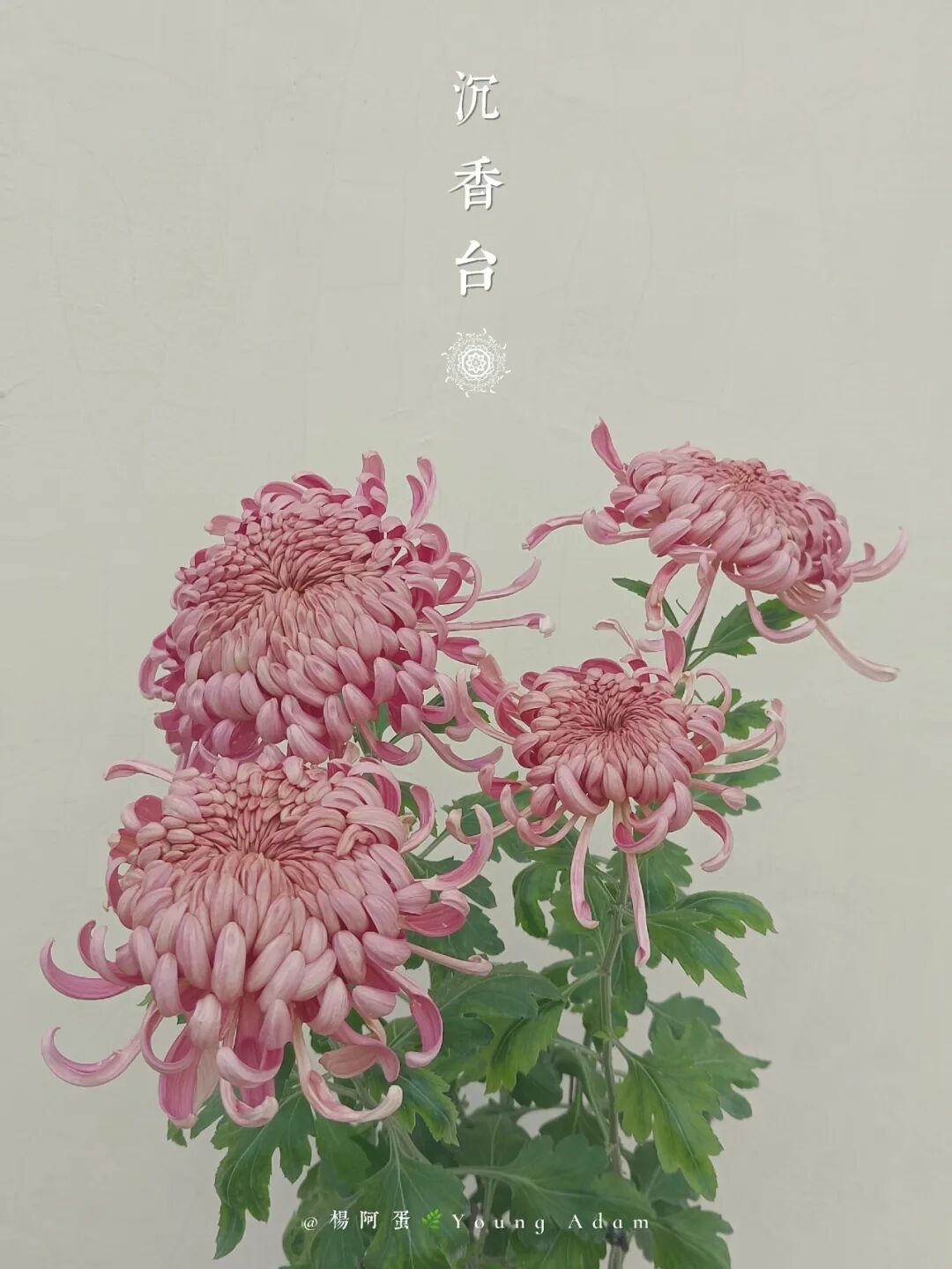
The chrysanthemum's role as a bringer of health and vitality is most directly experienced through the simple, daily pleasure of drinking chrysanthemum tea, or ju hua cha. In China, this infusion is consumed almost as widely as green tea, particularly during the hot summer months . Its popularity stems not only from its delightfully refreshing and slightly sweet taste but also from its profound significance in Traditional Chinese Medicine (TCM). Known as a "cooling" herb, chrysanthemum is believed to possess the ability to dispel "wind-heat" and soothe the liver .
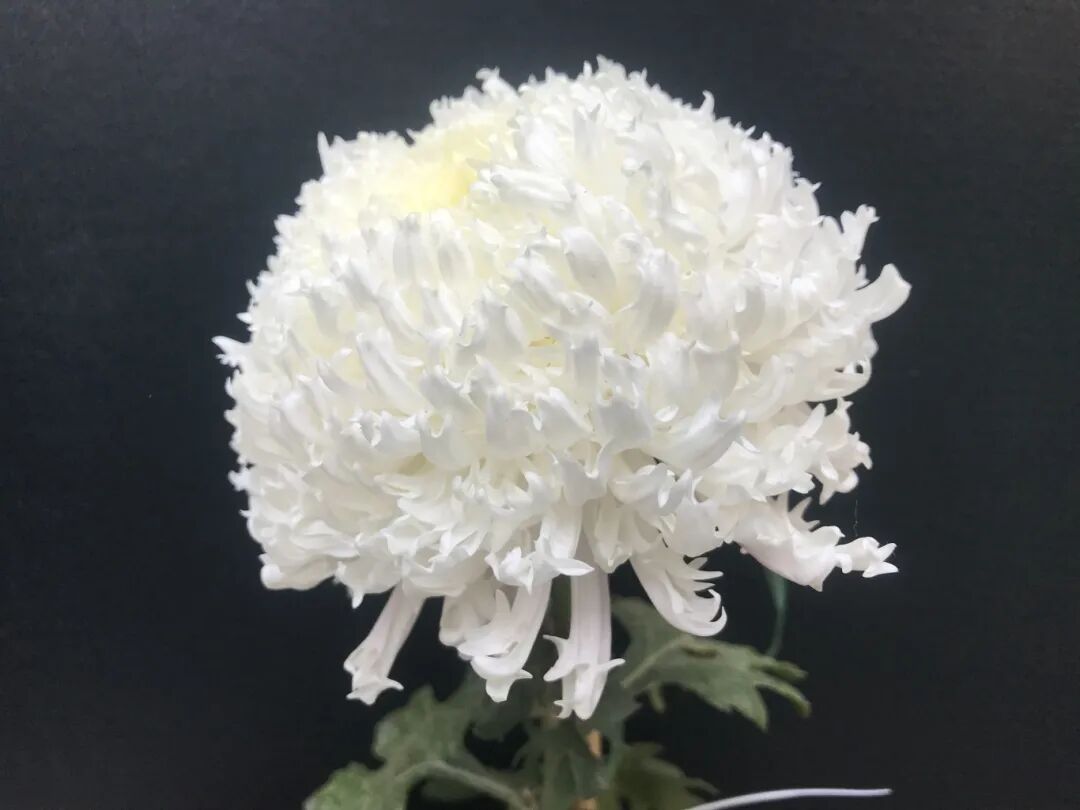
For many, a cup of chrysanthemum tea is the first remedy for a sore throat, a headache, or dry, tired eyes—common complaints linked to excess internal heat . In an era of ubiquitous screens, its reputed ability to relieve eye strain and fatigue has made it more relevant than ever. The tea is often prepared simply by steeping a few dried flowers in hot water, sometimes sweetened with a touch of rock sugar or honey. It is also commonly combined with other functional ingredients, such as goji berries, to create a nourishing blend specifically aimed at supporting liver health and improving vision . This daily ritual, practiced in homes and restaurants across the country, is a living testament to the flower's enduring place in the Chinese pursuit of wellness and balance . The type of chrysanthemum used can even vary by region and purpose, from the pungently sweet yellow blooms of Hangzhou, prized for clearing heat, to the fluffy white flowers valued for cooling internal "fire" .
The deep reverence for the chrysanthemum in China eventually spread far beyond its borders, influencing cultures across East Asia and, eventually, the world. By the 8th century, the flower had arrived in Japan, where it was embraced with such enthusiasm that it became a symbol of the imperial family. The Emperor is said to sit upon the "Chrysanthemum Throne," and the official imperial seal, the kikukamon, is a stylized 16-petal chrysanthemum bloom . Japanese breeders further developed the flower, creating intricate new forms that would later captivate the West.
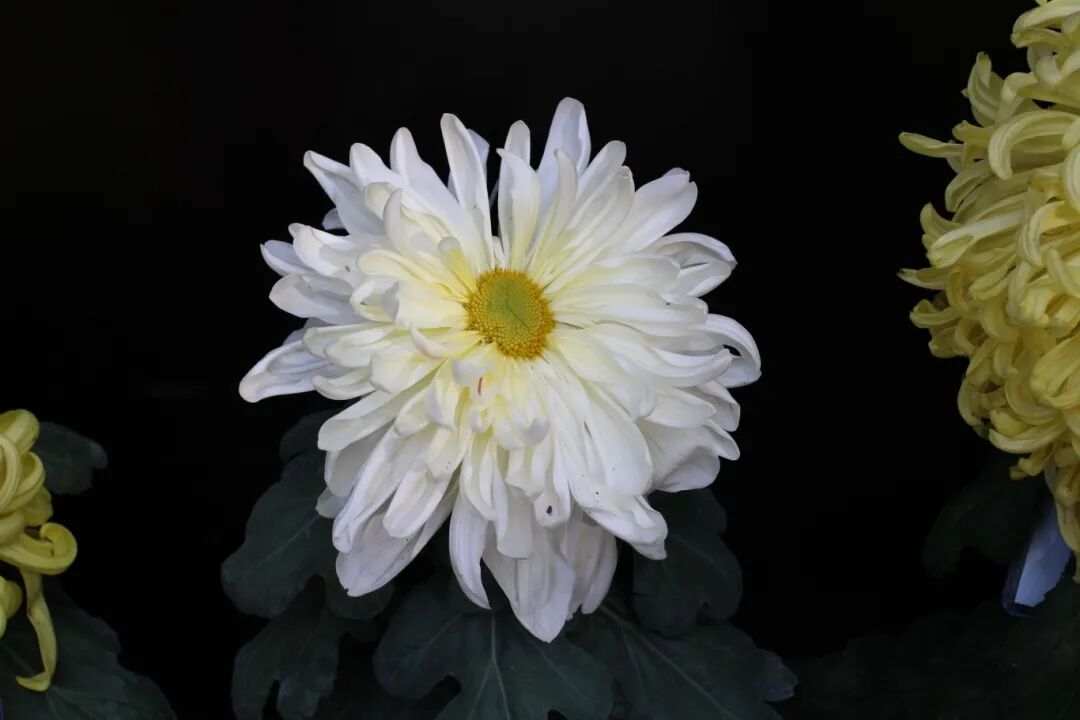
When these Japanese varieties reached Europe in the mid-19th century, they sparked a sensation, particularly among the Impressionist painters. Artists like Claude Monet, who cultivated chrysanthemums in his famous garden at Giverny, were drawn to their sculptural forms and vibrant colors . The fashion for Japonisme swept through the art world, and the chrysanthemum, a flower so deeply rooted in Eastern aesthetics, became a favorite subject for Monet, Gustave Caillebotte, and even the Dutch painter Piet Mondrian in his early career . This cross-cultural journey completed a full circle: a flower born from Chinese horticulture and philosophy, refined by Japanese artistry, went on to inspire a new generation of Western artists, forever changing the global perception of botanical beauty.
From a medicinal herb in ancient times to a symbol of poetic integrity, from the centerpiece of a traditional festival to a soothing daily tea, the chrysanthemum stands as a unique and powerful emblem of Chinese civilization. It is a flower that embodies the passage of time, the virtue of resilience, and the simple, profound beauty found in nature. To understand the chrysanthemum in China is to understand a culture that has, for thousands of years, found profound meaning in the petals of the golden flower of autumn.

