


When one thinks of China, images of mist-shrouded mountains, ancient pagodas, and flavorful cuisines often come to mind. Among these treasures, tea culture stands as a profound symbol of the nation’s history, philosophy, and way of life. More than just a beverage, tea is a thread that weaves through China’s landscapes, heritage, and global connections, offering a unique window into the country’s soul.
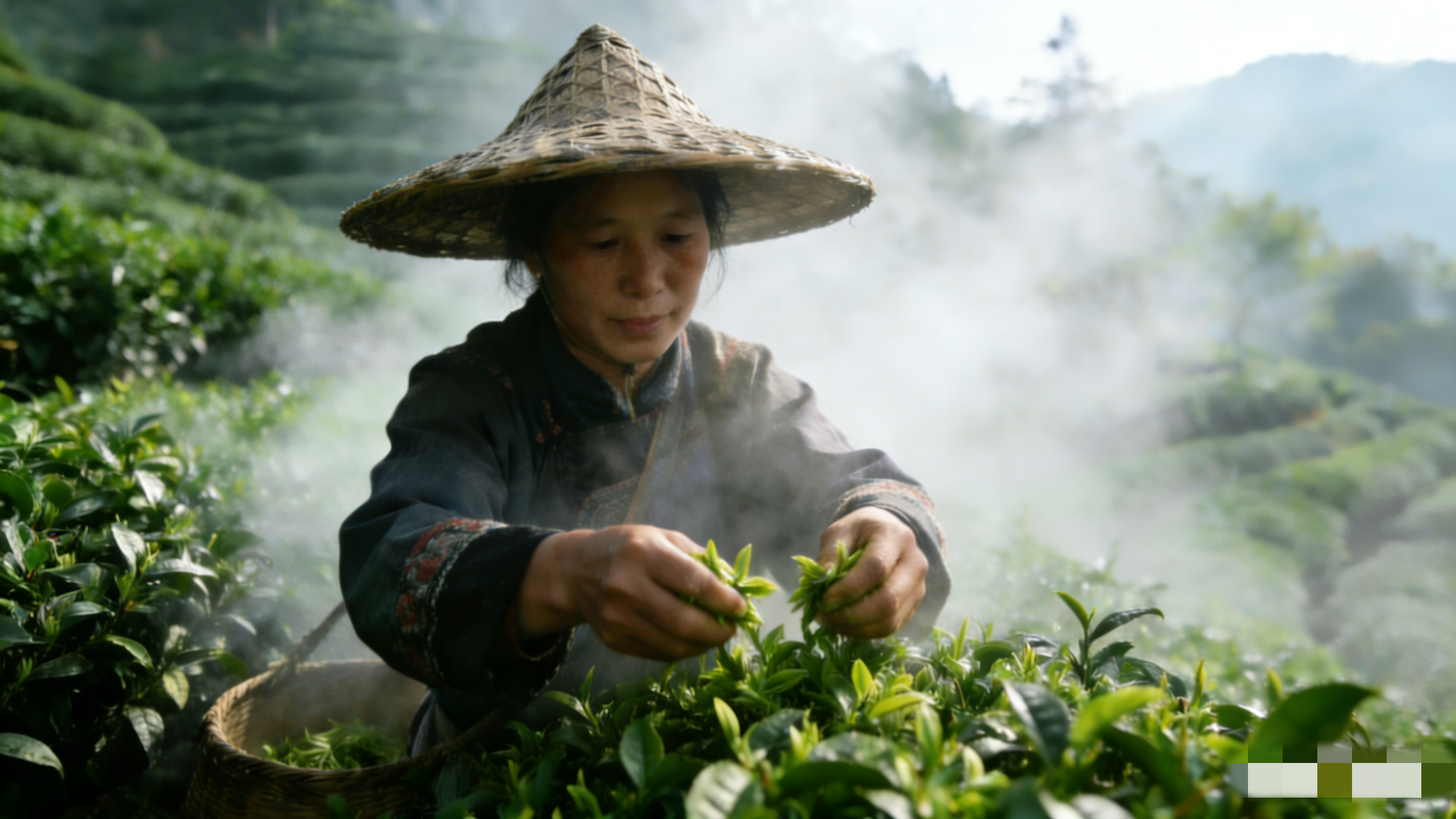
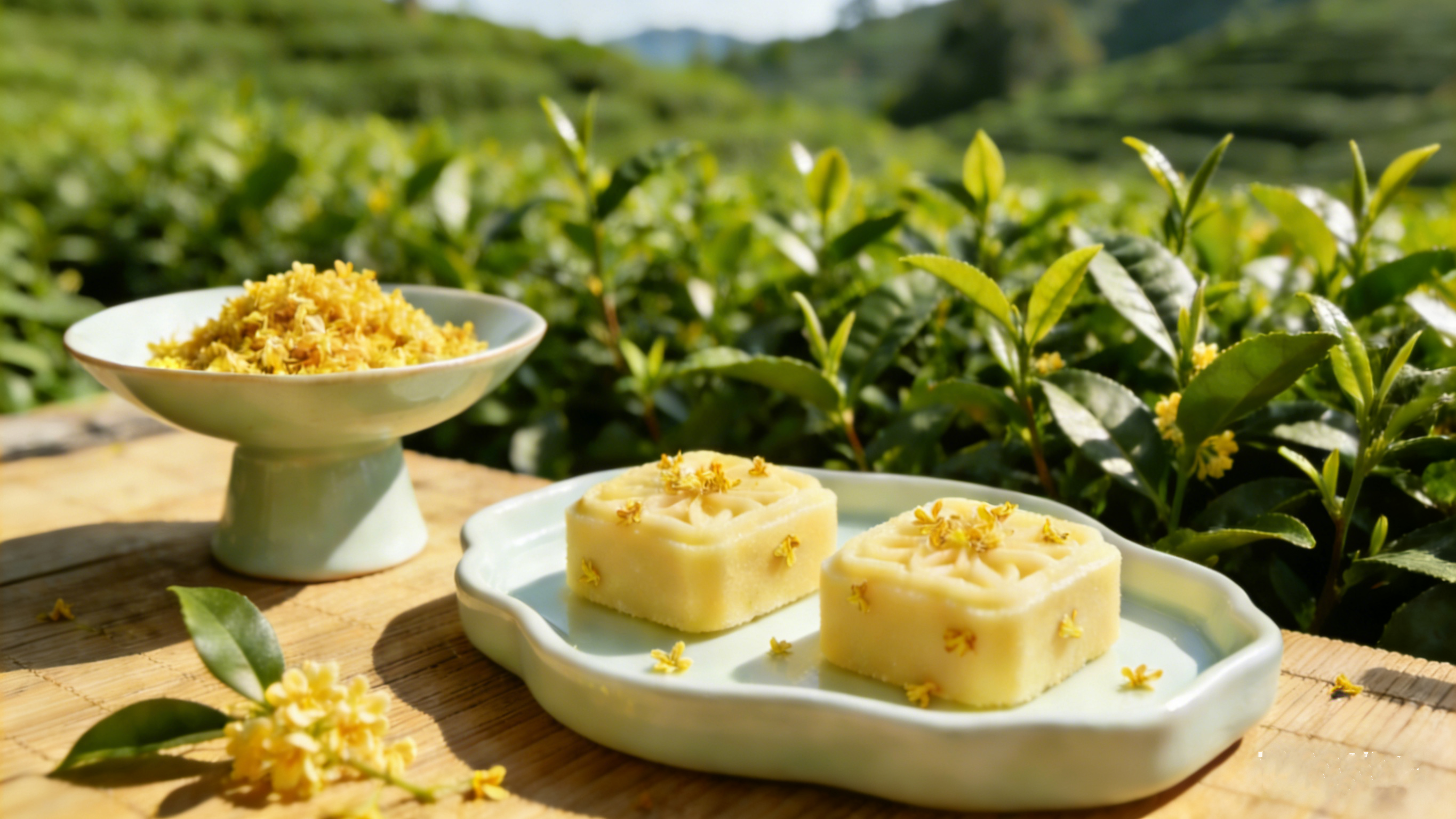
China’s tea culture is deeply rooted in its stunning natural scenery. The best teas thrive in regions blessed with ideal climates and terrain—think the rolling green hills of Anxi in Fujian Province, where Tieguanyin (Iron Goddess of Mercy) tea grows amid mist and fertile soil, or the misty peaks of Huangshan in Anhui, home to the delicate Huangshan Maofeng. These tea-growing areas are not just agricultural lands but popular tourist destinations. Visitors can wander through tea plantations at dawn, pluck fresh tea leaves with local farmers, and savor a cup of newly brewed tea while admiring panoramic views of mountains and valleys. Accompanying the tea are local delicacies: in Hangzhou, Longjing (Dragon Well) tea pairs perfectly with sweet osmanthus cakes, while in Sichuan, robust Pu’er tea balances the spiciness of mapo tofu. This combination of tea, food, and scenery creates an immersive experience that delights all senses.
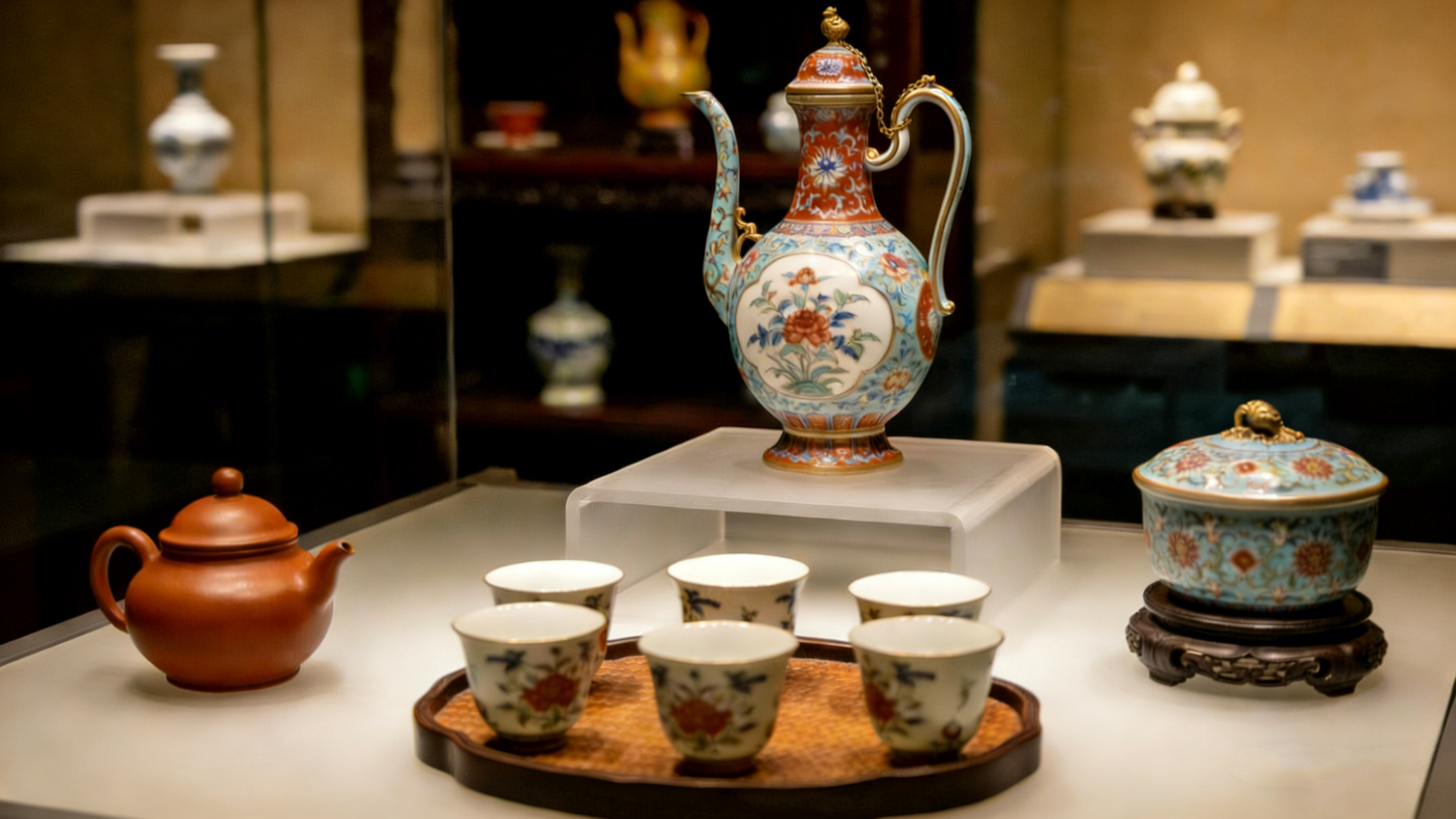
The history of Chinese tea dates back over 4,000 years, intertwined with ancient monuments and cultural traditions. Legend has it that tea was discovered by Emperor Shennong in 2737 BCE when a tea leaf accidentally fell into his boiling water. Since then, tea has permeated every aspect of Chinese life. In Xi’an, the starting point of the Silk Road, ancient caravans once carried bricks of Pu’er tea to Central Asia and beyond, turning tea into a valuable commodity. The Song Dynasty (960–1279) saw the rise of elaborate tea ceremonies, which were often held in imperial palaces and scholarly gardens—remnants of which can still be seen in the classical gardens of Suzhou. Even the iconic Forbidden City in Beijing houses ancient tea sets, including delicate porcelain cups and jade tea spoons, showcasing the royal family’s love for tea. These historical relics tell stories of how tea shaped China’s social and economic development.
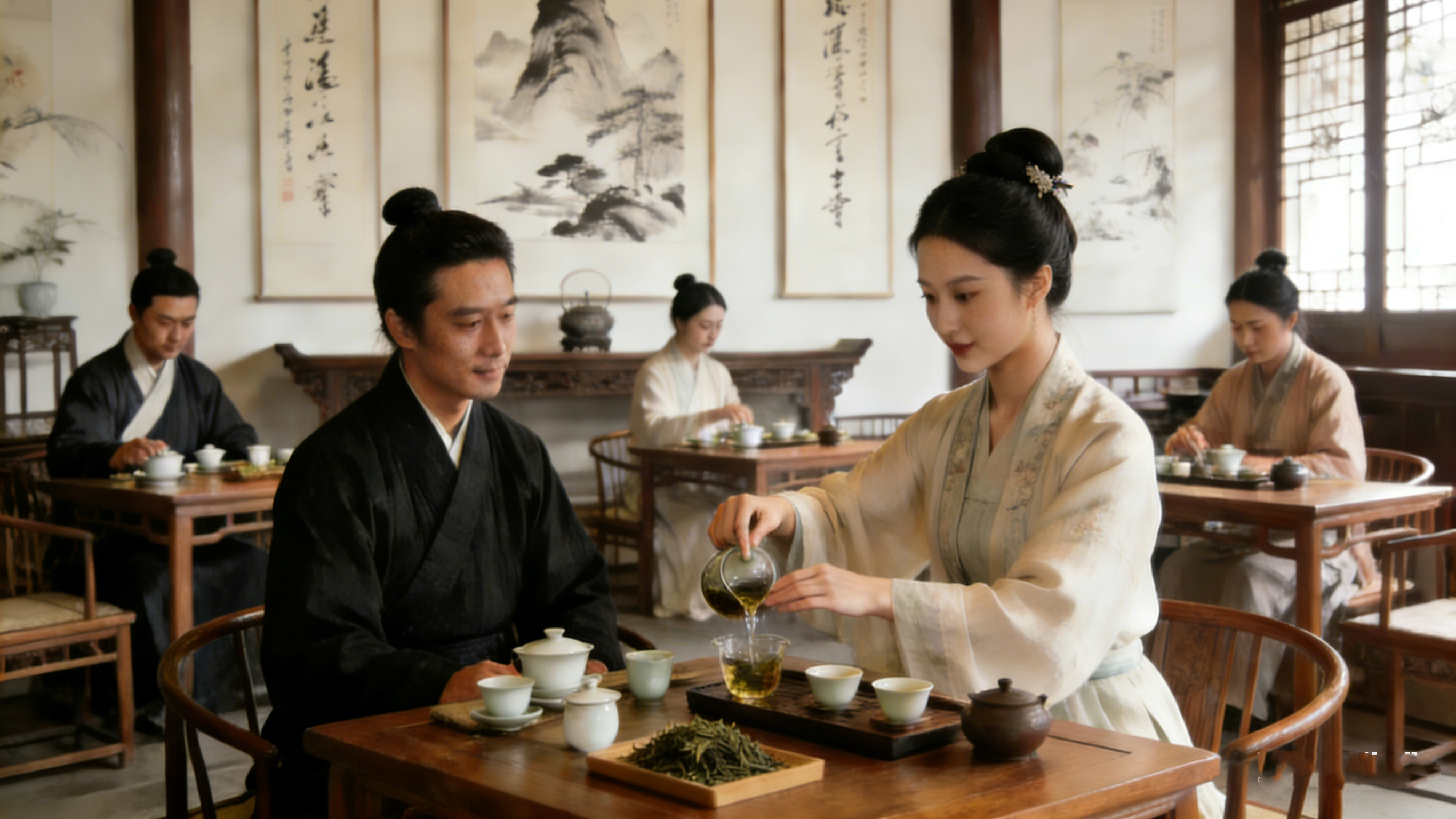
Tea is also a reflection of China’s humanistic spirit, embodying the principles of harmony, modesty, and mindfulness. The Chinese tea ceremony, known as “chadao,” is more than a ritual—it is a way of cultivating inner peace. In a traditional tea house, whether in the bustling streets of Shanghai or the quiet lanes of Chengdu, one can witness the grace of tea preparation: the gentle pouring of water, the careful rotation of the teapot, and the respectful offering of tea to guests. This practice emphasizes the importance of connection—between people, and between humans and nature. For centuries, scholars and poets have praised tea in their works, using it as a metaphor for purity and wisdom. Even today, tea remains a central part of social interactions, from family gatherings to business meetings.
China’s tea culture has also left a lasting impact on the world. Through the Silk Road and maritime trade routes, tea spread to Japan, Korea, Europe, and beyond, influencing local cultures and customs. In Japan, the tea ceremony evolved into a unique art form, while in Britain, afternoon tea became a beloved tradition. Today, Chinese teas such as Longjing, Pu’er, and Tieguanyin are enjoyed by tea lovers worldwide, and Chinese tea culture has become a bridge for cultural exchange. International tea festivals held in cities like Hangzhou attract visitors from around the globe, showcasing the diversity and charm of Chinese tea.
In essence, Chinese tea culture is more than just about tea—it is a celebration of China’s natural beauty, rich history, and profound humanistic values. It invites the world to slow down, savor the moment, and discover the timeless elegance of one of the world’s oldest civilizations.

