


Invitation of Warm Winter: Lao She's Unfinished Story of Jinan
When winter arrives, Jinan always comes to mind. In his essay "Jinan's Winter," Lao She portrayed the old city's winter as an "ideal realm" —free from biting winds, instead radiating warmth and tranquility. Today, Jinan's winter remains like an unfinished poem, drawing not only domestic tourists but also quietly becoming a window for international travelers to experience the serene beauty of the East. Blending profound historical heritage with a leisurely urban rhythm, Jinan reveals a unique aesthetic of life in winter, serving as a cultural bridge that connects tradition and modernity, East and West.
The Pulse of Spring Vein: Living History
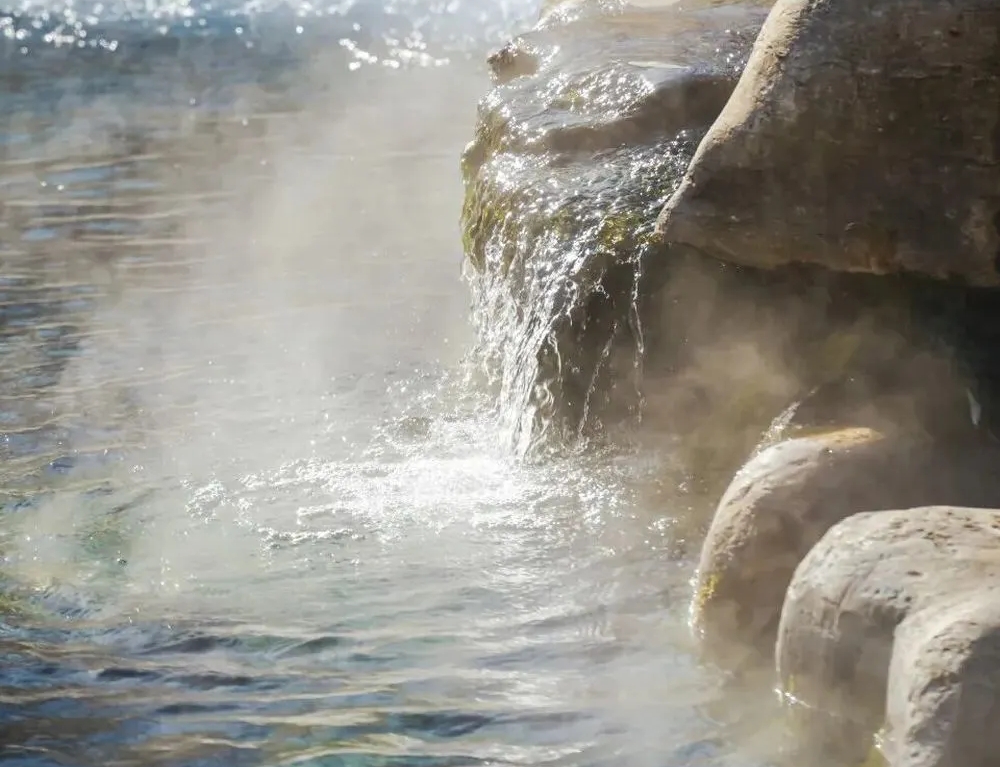
Jinan is known as the "City of Springs," and winter is the best season to listen to the stories of its springs. This city, with a history of over four thousand years, appears particularly reserved and profound under the cover of winter mist and warm sunshine. Lao She's description of "Xiaoshan Mountain encircling Jinan" refers precisely to the area around Qianfo Mountain in the southern part of the city. The network of springs—Baotu Spring, Heihu Spring, Pearl Spring, and seventy-two other famous springs—serve as the city's veins, flowing continuously even in the coldest winter, shrouded in mist like a fairyland. The history here is not only frozen but also flowing: from the legend of Shun tilling the mountains, to the poems left by Li Bai, Du Fu, and Su Shi, to the modern footprints of opening up as a commercial port, Jinan always finds its own rhythm between conservatism and enlightenment. For international tourists, Jinan's winter is neither as solemn as Beijing's nor as damp and cold as the winter in Jiangnan. It is mild, simple, and full of street life and human warmth, just as Lao She said: "In the winter of North China, Jinan truly is a treasure land with its warm and sunny weather."
New Face of the Ancient City: A Winter City Picture
The winter landscape of Jinan is a long scroll combining movement and stillness. In the early morning, the steam by the moat merges with the distant grayish-blue city walls; in the afternoon, sunlight bathes the bluestone pavement of Furong Street, where freshly baked pancakes emit the aroma of wheat; in the evening, the remaining lotus flowers in Daming Lake reflect the slanting sun, outlining the tranquil silhouette of "half the city is mountains, the other half is lakes." Unlike many highly modernized Chinese cities, the old town of Jinan still retains its charming streets and the warm, cozy atmosphere of daily life. Visitors can stroll along Qu Shui Ting Street, watching springs flow past every household, while locals continue to wash clothes and vegetables by the river; they can also climb up to Jiefang Pavilion to overlook the spectacular sight of three stone-carved tiger heads gushing from Heihu Spring. Jinan's winters are rarely harsh, with spring water temperatures consistently around 18 degrees Celsius, so the water surface is always veiled in light mist, and the willows even retain a faint green hue. This sense of "spring in winter" surprises and heals many visitors from cold regions like Northern Europe and North America.
Life is a Scenery:Experiential Humanistic Dwelling
Winter in Jinan captivates visitors with its unhurried, warm rhythm of life. Instead of rushed sightseeing, the city offers immersive daily aesthetics. Start your day with a cup of spring-infused jasmine tea at an old-town teahouse, accompanied by a Shandong kuaishu (a traditional storytelling performance). Savor authentic Lu cuisine at noon—steaming hot dishes like nine-turn intestines, milk soup with water spinach, and braised pork belly will instantly dispel the chill. In the afternoon, step into a public bathhouse tucked away in a hutong (a narrow alley)—Jinan's renowned "bathhouse culture" where a warm winter soak becomes a unique way to chat with locals and soak in the city's character. For international travelers, these experiences feel both unfamiliar and familiar: the unfamiliar lies in the Eastern ritualistic lifestyle, while the familiar resonates with humanity's universal need for warmth and connection in winter. Jinan's straightforward hospitality makes a simple "lao shi er" (a respectful local term) instantly bridge the gap, transforming travelers from mere spectators into part of the city's winter narrative.
The Artistic Conception of Ink Painting: A Winter Concert of Art and Nature
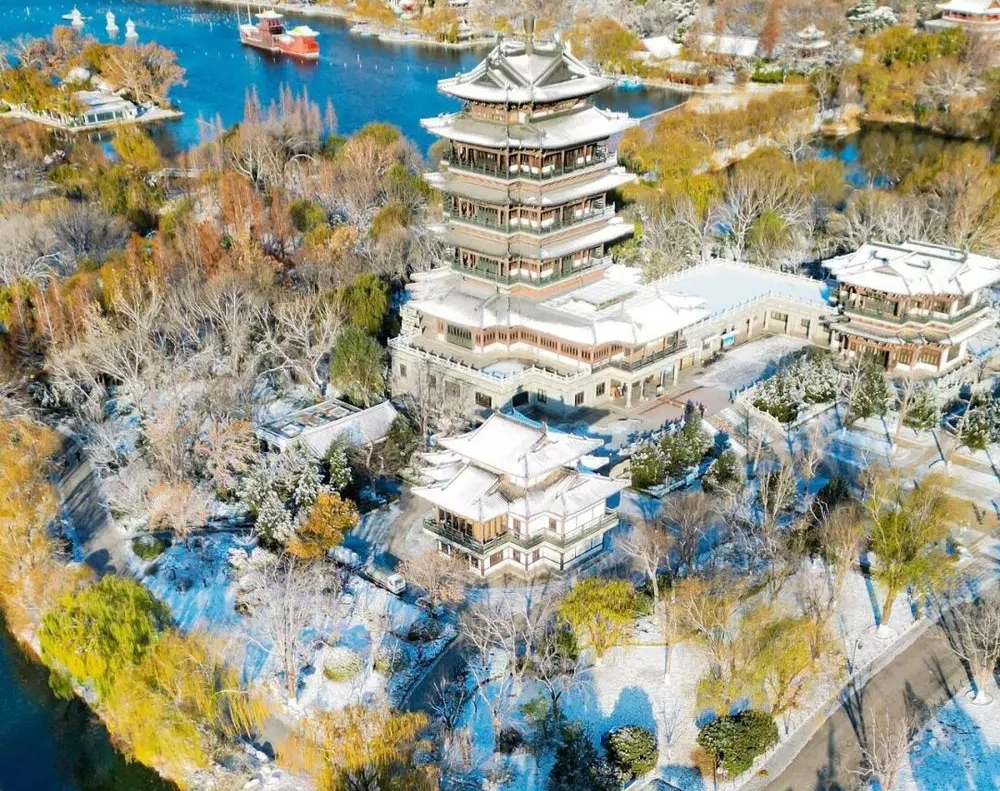
Jinan's winter carries a distinct Eastern aesthetic, particularly aligning with the philosophy of "negative space" and "vitality" in ink painting. The post-snow scene is the most typical: a light snow gently covers the blue-tiled roofs, the outline of Qianfo Mountain in the distance appears hazy, and the mist rising from the spring resembles freehand brushstrokes, making the entire city seem like a slowly unfolding Song Dynasty landscape. This visual experience has profoundly influenced the literary creations of figures from Li Qingzhao to Lao She. Today, visitors can see contemporary artists reinterpreting the "Winter Charm of Spring City" at the Shandong Provincial Art Museum; they can also read Li Qingzhao's verses describing her hometown's winter by the Lotus Deity Temple by Daming Lake. Audibly, Jinan's winter is tranquil—the wind whispers softly, the spring murmurs, occasionally punctuated by the tinkling of pipa practice tunes from street corners. Many foreign tourists have expressed that in this atmosphere, they better understand the aesthetic concepts of "stillness overcoming movement" and "the interplay of void and substance" in Chinese art.

The World's City of Springs:From Lao She to International Travel Guide
Lao She's "The Winter in Jinan" has been translated into multiple languages including English, French, Japanese, and Korean since its publication in the 1930s, becoming the first window for many international readers to understand Jinan. In recent years, Jinan has been selected as the "Cultural Capital of East Asia," and its unique winter tourism has gradually attracted attention from international travel media. Lonely Planet once listed Jinan's "Winter Spring Charm" as one of the most underrated experiences in China; BBC Travel Channel even produced a documentary focusing on the wisdom of life in spring water households during winter. An increasing number of international tourists choose to visit Jinan around the Lunar New Year to experience traditional New Year customs such as making dumplings, pasting Spring Festival couplets, and visiting the Baotu Spring Lantern Festival. Jinan has also continuously improved its international travel services: bilingual signage at scenic spots, provision of English audio guides, and training volunteers to communicate in simple foreign languages. These efforts have transformed Lao She's "charitable winter" from a literary image into a tangible and shared reality.
Challenges and Future: Protecting the Truth in Warmth
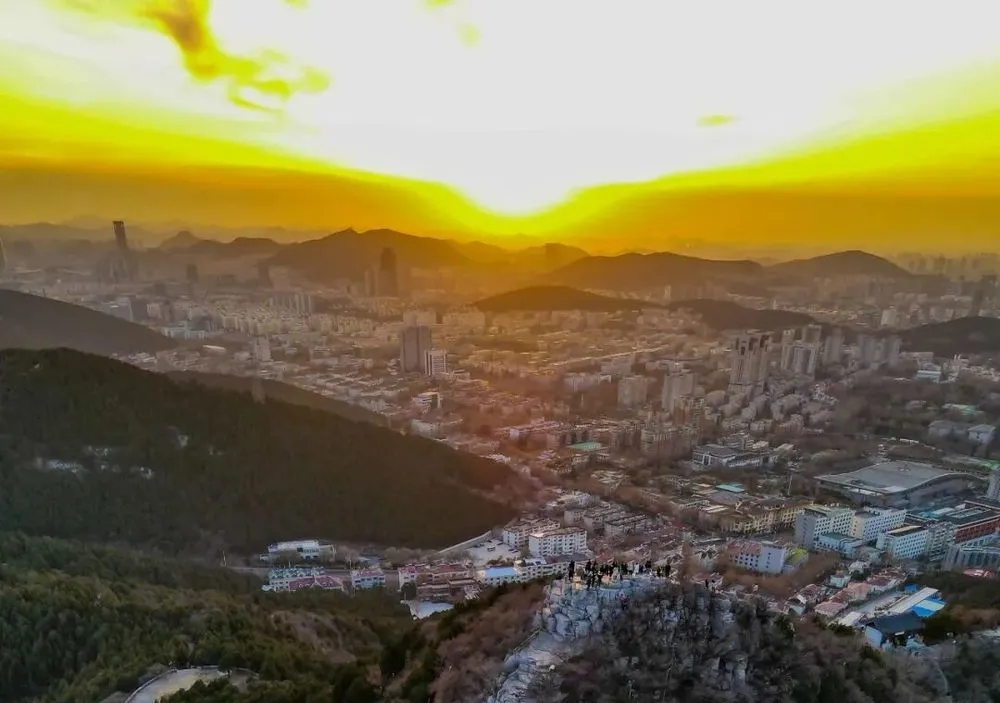
As tourism gains momentum, Jinan faces the dual challenge of balancing preservation and development. How to protect spring ecosystems during urban expansion? How to preserve the historic texture and cultural warmth of the old city in urban renewal? How to avoid over-commercialization in tourism promotion? Jinan's response demonstrates cultural awareness through rigorous measures: Strict groundwater extraction controls ensure continuous spring flows; designated historical districts protect traditional courtyard layouts and street patterns; cultural initiatives like "Jinan Winter Banquet" and "Spring Trail Adventures" prioritize immersive experiences over tourist numbers. The city plans to connect scattered cultural gems – including Longshan Culture ruins, Lingyan Temple's Song Dynasty sculptures, and modern architecture from the old commercial port – through the "Winter Cultural Corridor". It will also develop international-friendly short-term courses in intangible cultural heritage crafts, calligraphy, and tea ceremonies. The vision is to transform Jinan's winter from a tourist destination into an immersive classroom of Eastern lifestyle aesthetics.

To the world, Jinan's winter offers a unique possibility: beyond the hustle of modern cities, there remains a place that breathes in harmony with the rhythm of its springs, maintaining warmth and poetry through the cold season. It is unassuming yet profound, unassuming yet thought-provoking. As Lao She wrote: "Close your eyes and imagine: an old city... Is this not an ideal realm?" Today, this realm quietly awaits every traveler who comes to listen to the murmurs of the springs and feel the warmth of winter. Here, winter is not an end, but a gentle and vibrant invitation.

