


In the hinterland of the Chengdu Plain in Sichuan, China, the Minjiang River flows through, nurturing the prosperity of the "Land of Abundance". The source of all this is the Dujiangyan Irrigation System, first built during the Warring States Period. This water conservancy miracle, constructed under the supervision of Li Bing and his son, has withstood over 2,300 years of trials and tribulations. It still nourishes the Chengdu Plain today, standing as a model of "harmony between humans and nature" in the history of world water conservancy.
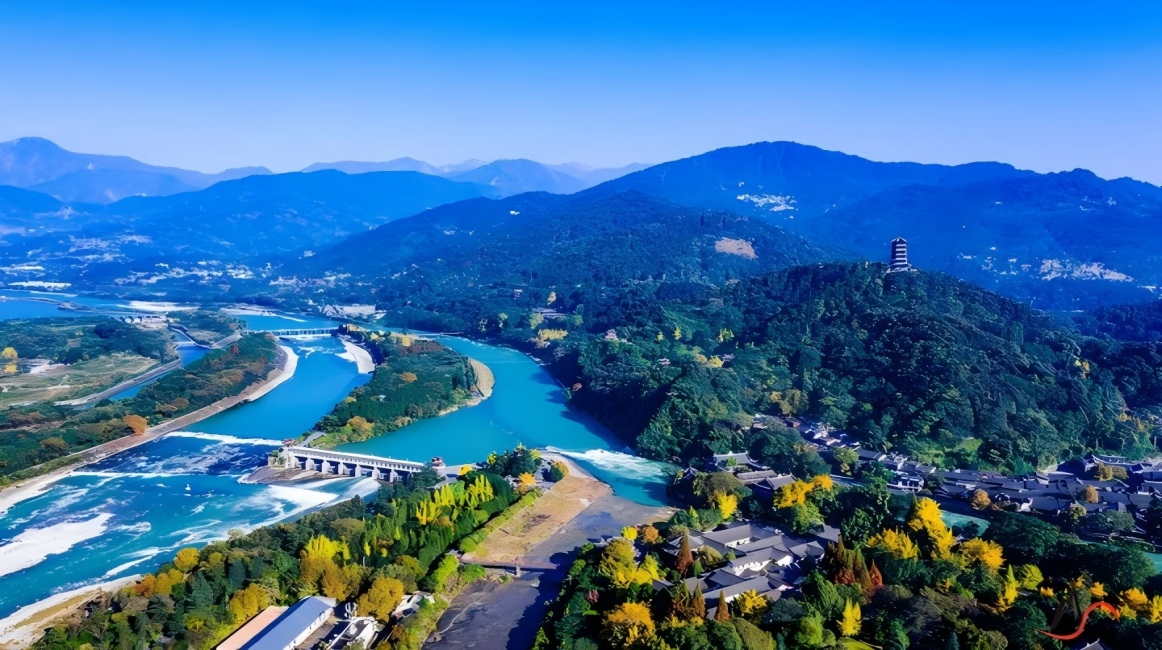
The birth of Dujiangyan stemmed from strategic needs during the Warring States Period. In 256 BCE, Li Bing, the governor of Shu Commandery under the State of Qin, witnessed the tragic scenes of devastating floods along the Minjiang River and alternating droughts and floods on the Chengdu Plain. He was ordered by King Zhaoxiang of Qin to control the floods. Abandoning the traditional approach of "damming to block water", he surveyed the terrain along both banks of the Minjiang River. Eventually, he decided on the water control strategy of "following the natural course and adhering to the laws of nature". After several years of construction, he completed a super project integrating flood control, irrigation and navigation.
The ingenuity of this project lies in the perfect coordination of its three main structures. The Fish Mouth Water-Diversion Dike, shaped like a fish's mouth, splits the Minjiang River into two branches: the Inner River diverts water to the Chengdu Plain, while the Outer River discharges floodwaters. The Feisha Weir plays a crucial role in "flood discharge and sediment flushing". During the flood season, excess water overflows from the top of the weir, carrying sediment into the Outer River and preventing river silting. In the dry season, it retains water in the Inner River to ensure irrigation supply. The Baopingkou Water Inlet is the "throat" of the project. The man-made mountain gorge controls water flow, ensuring stable water volume and forming a natural irrigation network. The three complement each other, enabling the miracle of "water and drought being at people's disposal, with no fear of famine" without manual operation.
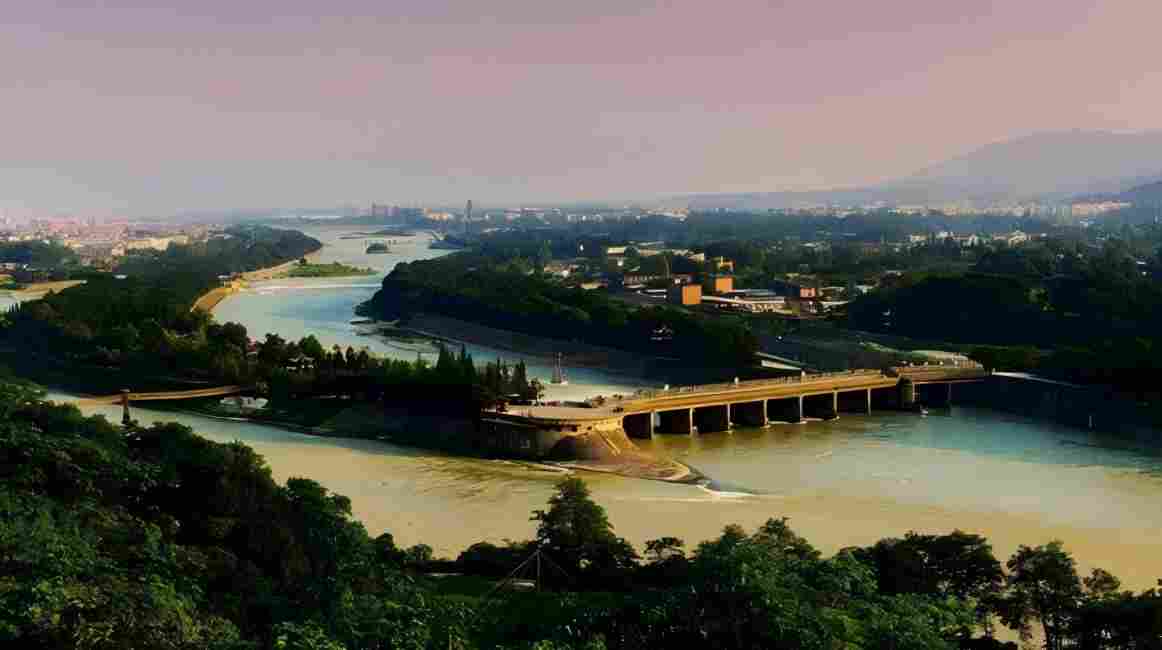
The wisdom of Dujiangyan is further reflected in the reverence for and utilization of natural laws. Li Bing put forward the water control maxim: "Deepen the shoals and build low weirs". Every winter and spring during the dry season, ancient people dredged the Inner River to ensure smooth water flow. At the same time, they controlled the height of the Feisha Weir to guarantee flood discharge efficiency during the flood season. This concept of "working with the tide" formed a virtuous cycle between the project and the natural ecosystem. No major floods have occurred in more than 2,000 years, making it the only existing ancient water conservancy project in the world still in operation.
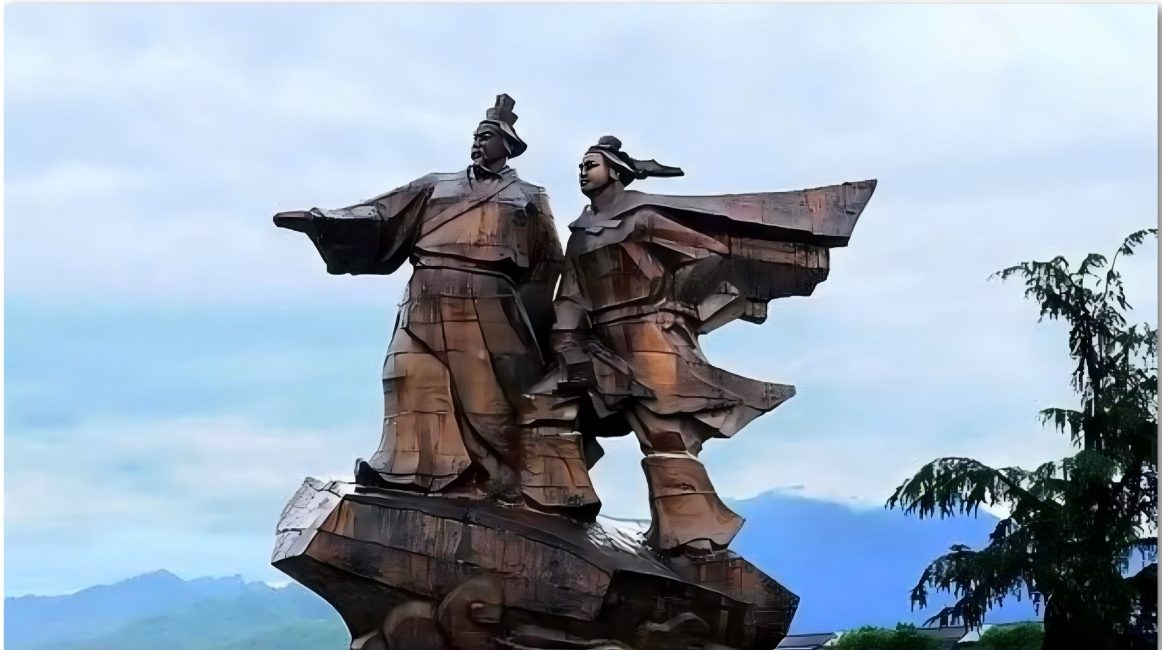
As a World Cultural Heritage site, Dujiangyan carries profound historical and cultural value. The statues of Li Bing and his son enshrined in the Erwang Temple witness the admiration of later generations for the water control ancestors. The Anlan Suspension Bridge by the river is associated with the touching legend of the "Couple's Bridge". Inscriptions and poems left by literati of all dynasties record the historical changes of the project. More importantly, Dujiangyan nurtured the core characteristics of Tianfu culture—pragmatism, innovation and harmonious coexistence. It has become a vivid portrayal of the dialectical thought of "man conquering nature" and "harmony between humans and nature" in Chinese civilization.
To this day, Dujiangyan still radiates vigorous vitality. It irrigates over 10 million mu of fertile farmland on the Chengdu Plain, ensuring the drinking water safety of tens of millions of people with an annual water supply capacity of 10 billion cubic meters. Meanwhile, as a national 5A-level scenic spot and a World Heritage site, it attracts millions of tourists every year to pay homage. It has become an important window to showcase ancient Chinese scientific and technological wisdom and ecological civilization. More profoundly, the concept of "adapting to nature and pursuing sustainable development" embodied in Dujiangyan provides valuable experience for modern water conservancy project construction. In the context of the global ecological crisis, it demonstrates the contemporary value of Eastern wisdom.
From the flames of war in the Warring States Period to modern civilization, Dujiangyan has spanned thousands of years. The quietly flowing Minjiang River not only nourishes the fertile land of the Land of Abundance but also inherits the spiritual gene of the Chinese nation—"following the laws of nature, being pragmatic and innovative". This immortal project has long transcended the scope of water conservancy facilities. It has become a spiritual totem of the harmonious coexistence between Chinese civilization and nature, telling the world the eternal charm of Eastern wisdom.

