


Snow and Ice Legend: The Birth of Harbin Winter Wonderland and Global Resonance
Among all the winter wonders in the world, Harbin Ice and Snow World rises like a giant from the polar dream, pushing the art of ice and light to astonishing heights. As the world's largest and most spectacular ice sculpture and snow sculpture theme park, its 27th edition not only continues the extraordinary tradition of ice and snow art but also opens a door to the fantastical world of China's northern lands for travelers from around the globe through innovative storytelling and immersive experiences. Since its first hosting in 1999, it has evolved from a local festival into an internationally acclaimed cultural event, attracting millions of pilgrims every year to witness the miracle born from the dance between water and the bitter cold.

Origin and Development:From the Ice Lantern of the Songhua River to the World-class Ice and Snow Hall
The story of Ice and Snow World traces back to Harbin's centuries-old tradition of ice lanterns. Centuries ago, local fishermen would carve simple ice lanterns during winter, lighting candles inside to provide illumination and solace in the bitter cold. This folk wisdom was revitalized in the late 20th century. In 1999, to celebrate the millennium and boost winter tourism, the Harbin municipal government launched the first Ice and Snow World along the Songhua River. Since then, this seasonal art event has grown at an astonishing pace.
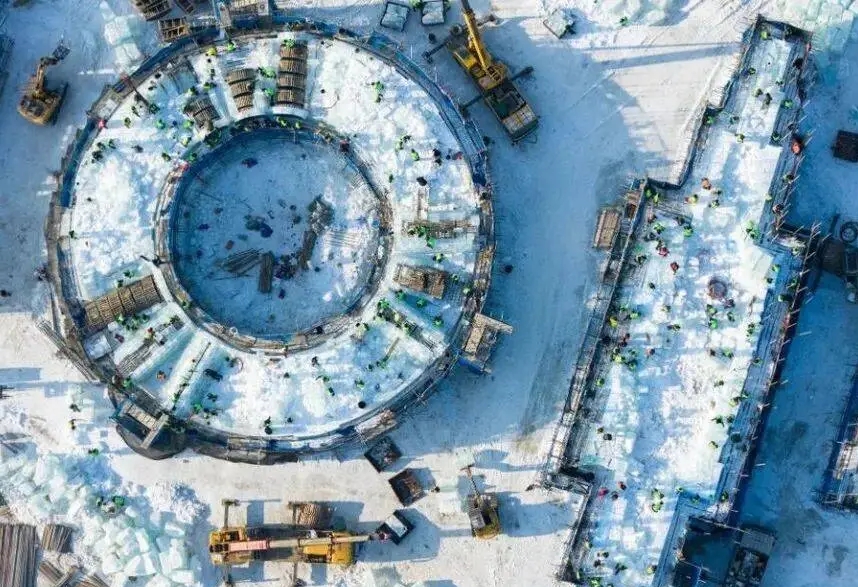
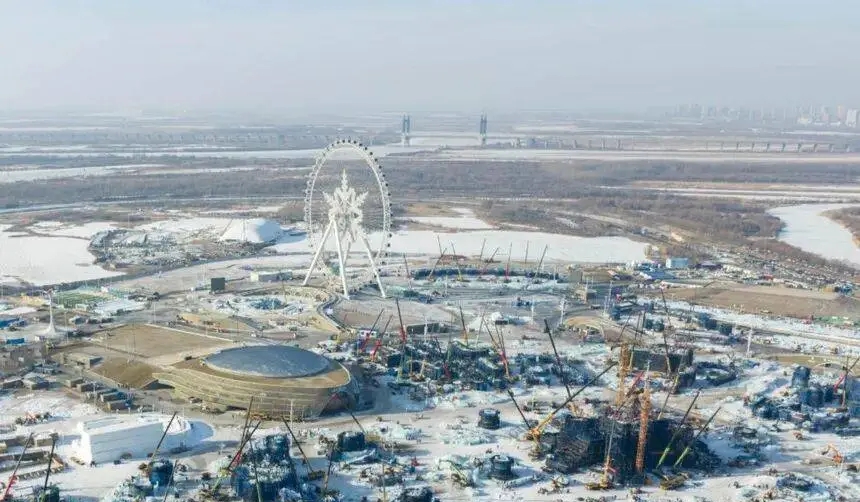
The 27th Park marks its crucial transition from "ice and snow exhibitions" to "ice and snow narrative experiences". With the theme of "Ice and Snow Integration, World Together", the park covers an area of 600,000 square meters and uses over 220,000 cubic meters of ice and snow. The design team is no longer satisfied with static sculptures, but has constructed a complete ice and snow universe that includes themed areas, interactive installations, light and shadow theaters, and cultural performances. Among them, the 48-meter-tall main tower "Ice and Snow Crown" reinterprets the traditional Chinese pavilion form with modern design language, becoming the most iconic visual focus of the park.

The Fusion of Art and Architecture: When Ice Sculpture Meets Technology and Narrative
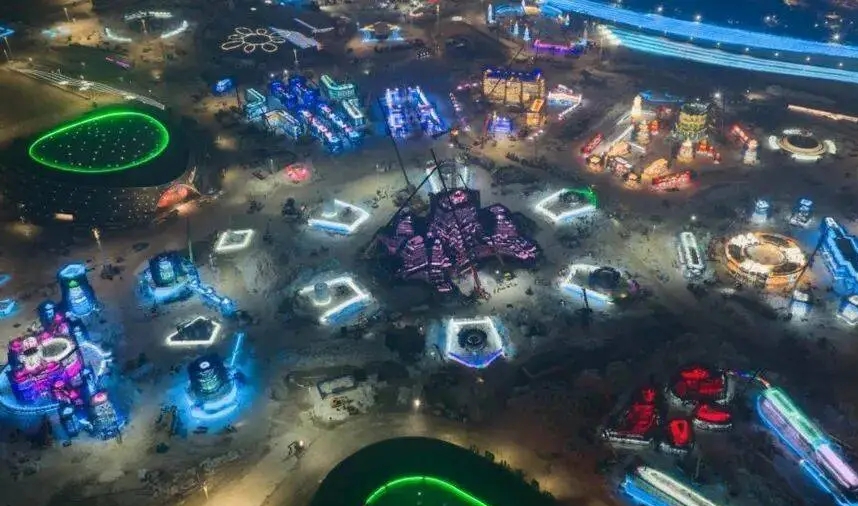
In Harbin, ice sculpture has transcended traditional craftsmanship to become an interdisciplinary art form that integrates architecture, engineering, and environmental aesthetics. Artist-engineer teams collaborate in freezing temperatures of-30°C, meticulously carving, stacking, and sculpting natural ice from the Songhua River. The park's latest initiative incorporates parametric design tools, ensuring structural safety while showcasing fluid curves. At night, embedded LED lighting transforms the space into a dazzling cosmic spectacle. The daily "Aurora Show" uses laser projections to weave cultural legends across the ice curtain.
The park's design showcases a rich tapestry of global cultures—from ice domes inspired by European Gothic cathedrals to snow wall reliefs echoing Japanese ukiyo-e art, culminating in a futuristic exhibition space themed around interstellar exploration. This international fusion transcends mere collage; it uses' ice and snow 'as a universal medium to explore shared human emotions about winter, light, and celebration across civilizations. Visitors can wander the' Silk Road Ice Corridor 'to envision ancient caravans traversing frozen steppes, or encounter snow-sculpted spirits from Northern Europe and East Asia in the' Fantasy Fairy Tale Kingdom.'
International Communication: From Regional Festival to Global Winter Tourism Destination
The Ice and Snow World's global appeal stems from its remarkable transformation of regional winter adaptation strategies into a universal aesthetic experience. Organizers livestreamed the ice harvesting ceremony and sculpting process worldwide via social media, while inviting international ice sculpture teams to participate in creative competitions. Their overseas outreach strategy emphasizes "approachable wonder" —despite the harsh climate, the park features warm rest stations, complimentary ginger tea, and multilingual tour services, all demonstrating thoughtful consideration for international visitors.
For many international tourists, visiting the Ice and Snow World has become a gateway to experience the culture of China's northeast. The international ice and snow film festival, winter music festival, and Russian-themed performances surrounding the park collectively create a festive atmosphere of multicultural integration. Tourism data shows that in recent years, there has been a significant increase in visitors from Southeast Asia, Europe, and North America, with many listing Harbin as a "must-visit winter destination in a lifetime." A French tourist wrote in a blog: "Here, ice is not synonymous with cold, but a warm carrier of light, color, and celebration."
Immersive Experience: The Philosophy of Ice and Snow Interaction Beyond Spectating
Unlike the earlier "view-only" model, the 27th Ice Park emphasizes immersive participation. Visitors can experience a 320-meter-long high-speed ice slide, navigate an ice maze in snow karting, or try their hand at ice sculpture creation under professional guidance. The "Ice and Snow Lifestyle Pavilion" recreates traditional Northeast China winter scenes, where guests can learn to make frozen pears and candied hawthorns, or listen to old stories about ice fishing and winter hunting while warming themselves on heated kang beds.
The most popular attraction for international families is the "Ice and Snow Science Corridor," which uses interactive installations to explain ice crystal formation, the history of cold-weather technology, and climate change's impact on ice and snow ecosystems. This educational entertainment approach allows the park to serve as an environmental education hub beyond its recreational functions. Meanwhile, the nightly "International Tourists' Ice and Snow Party" breaks down cultural barriers, with travelers from different countries dancing together in the ice rink, embodying the simple philosophy of "making friends through ice."
Challenges and Future:Preserving the Ice and Snow Legend in a Warming World
Despite its annual expansion, Ice and Snow World confronts significant challenges. Climate change has shortened the ice season on the Songhua River and altered ice composition, compelling the creative team to adjust ice harvesting schedules and develop new reinforcement materials. The park has launched a "Green Ice and Snow" initiative, featuring energy-efficient LED lighting, recycling melted ice water for summer irrigation, and collaborating with climate research institutions to monitor environmental impacts.
Looking ahead, the planning team is exploring ways to extend the Ice and Snow World's operational lifespan and geographical reach. The planned "Indoor Permanent Snow Pavilion" is expected to operate year-round, while collaborations with international ski resorts and polar research stations aim to expand ice and snow experiences from mere viewing to sports and scientific exploration. Digitalization is also revolutionizing the experience—through AR guided tours, visitors can trace the evolution of ice sculptures throughout history or interact with virtual snow spirits.
For international travelers, Harbin Ice and Snow World transcends being merely a tourist attraction—it stands as a living testament to how human creativity responds to nature, transforming harsh winters into artistic beauty. It proves that even in the depths of the coldest winter, humanity can still build a warm sanctuary filled with laughter, light, and cultural dialogue. As the chief designer put it: "We sculpt not ice, but the story of time and light. These ice crystals may eventually melt back into rivers, but the awe and connections they carry will remain eternally in every visitor's memory."
In this age that yearns for authentic experiences, Ice and Snow World reminds us of nature's wonders through its fleeting yet magnificent existence, while celebrating humanity's shared resilience in turning adversity into celebration. Each winter, when the first ice is extracted from the Songhua River, a dialogue between cold and warmth, transience and eternity, and local and global perspectives unfolds anew.

