


In the vast, open landscapes of Inner Mongolia, where the sky meets the earth in an unbroken line of blue and green, a unique culinary tradition offers warmth and welcome to all. Unlike the sweet, milky teas familiar to Western cafes, Mongolian milk tea, or suutei tsai, presents a delightful surprise with its distinct savory character. This salty brew, far from being a mere beverage, is a cornerstone of daily life, a symbol of hospitality, and a testament to the Mongolian people's harmonious adaptation to their environment. For the nomadic herders of the plateau, a day begins not with coffee but with the soothing ritual of preparing and sharing this hearty, salted tea, a practice steeped in centuries of history .
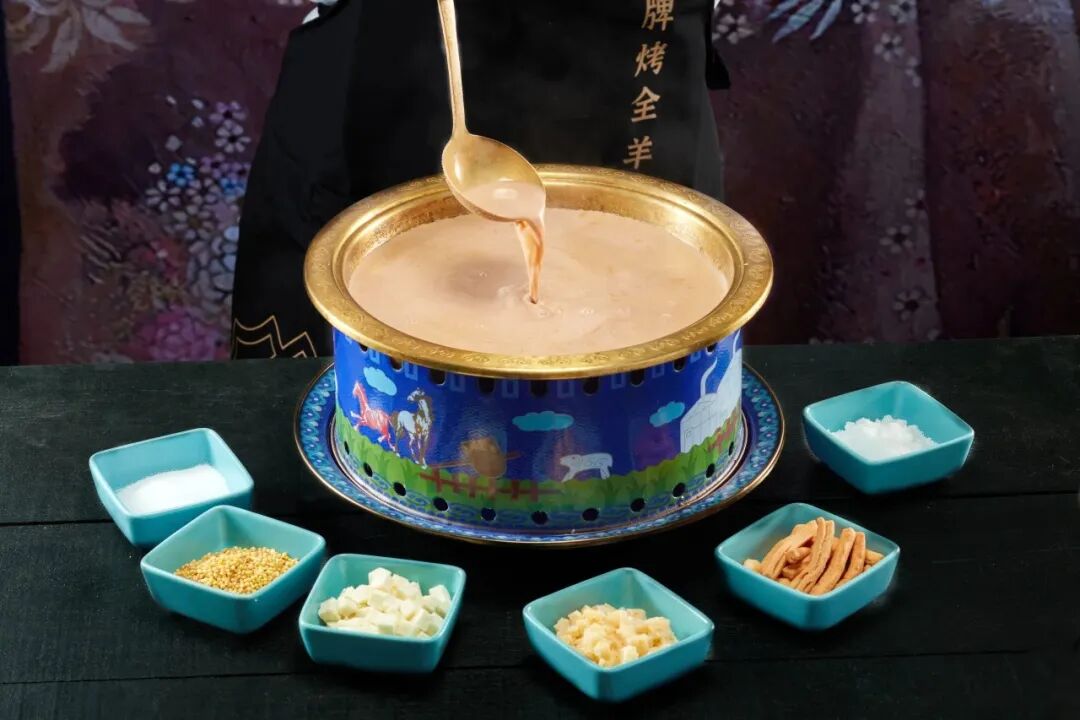
The preparation of this tea is an art form passed down through generations. The process begins with brick tea, a type of compressed tea historically traded along the ancient tea routes. This brick tea is carefully broken into pieces and boiled in water in a large iron pot until a dark, fragrant tea base is achieved. Then, fresh milk from the herds—whether cow, sheep, or goat—is added, followed by the crucial ingredient: a pinch of salt. The mixture is brought to a rolling boil, allowing the flavors to fuse completely. The result is a robust, aromatic drink that is both invigorating and nourishing . The skill involved is significant; as one resource notes, "When a girl is about to marry, her mother would meticulously teach her the skill of boiling salty milk tea. After the wedding, the bride would demonstrate her tea-making prowess in front of relatives and friends" . The final product is a warm, creamy liquid with a savory finish, a world away from the sugary drinks found in global chains.

The most immediate question for an uninitiated taster is why salt? The answer lies woven into the very fabric of Mongolian geography and lifestyle. The climate of Inner Mongolia is harsh, with long, bitterly cold winters and strong, dry winds. In such an environment, physical labor like herding accelerates the loss of salt and electrolytes from the body. The salt in the tea acts as a natural replenisher, helping to maintain fluid balance and enhance resistance to the cold . Furthermore, the traditional diet of the Mongolian people is rich in meat and dairy, and the salty tea serves as a perfect digestive aid, cutting through the richness of the food. As historical records suggest, the nomadic peoples found that salt helped mask any unpleasant odors from the scarce water sources on the steppe, making it a practical choice for ensuring the water used for tea was palatable . Thus, the salt is not a random addition but a thoughtful adaptation to the demands of a nomadic existence.
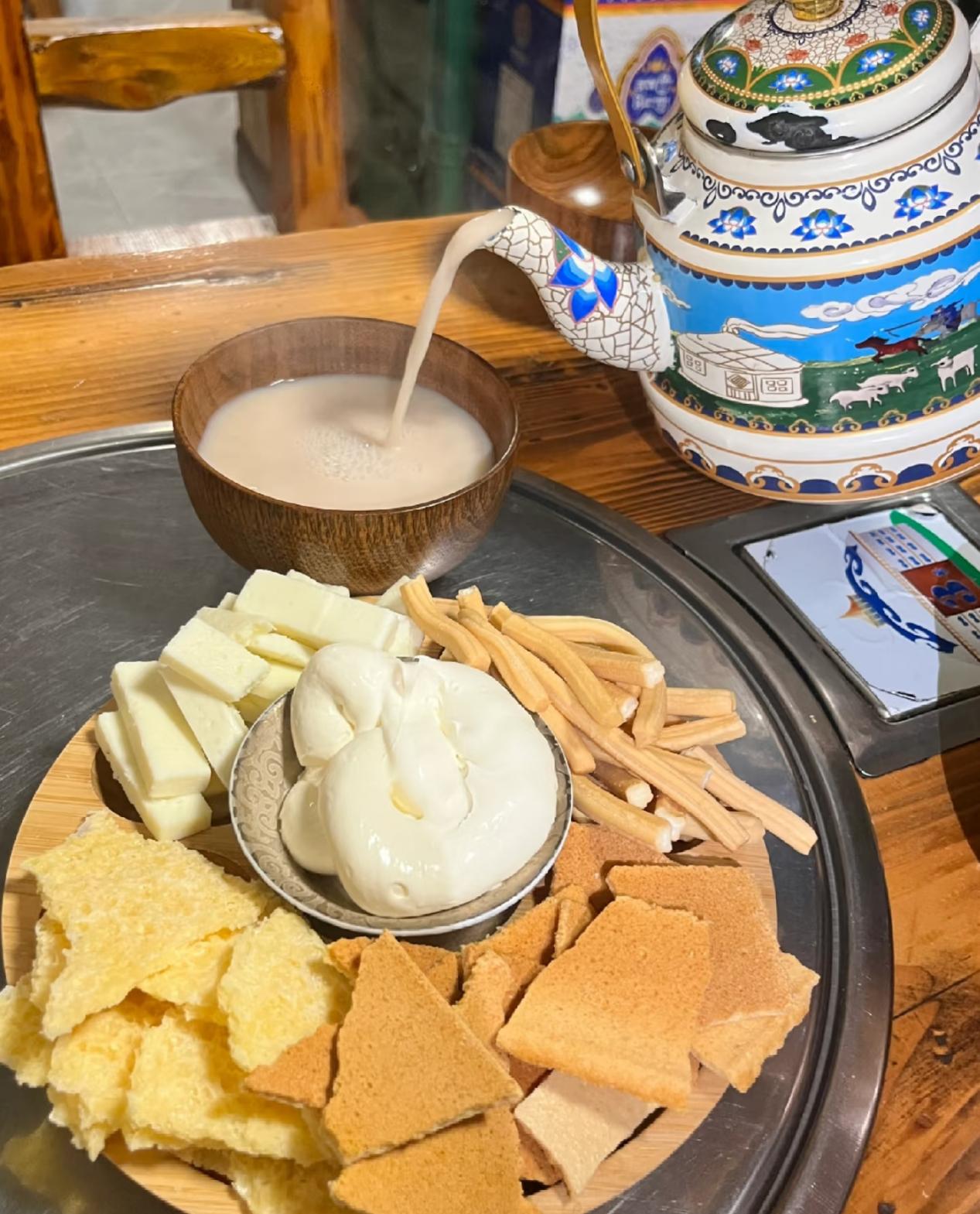
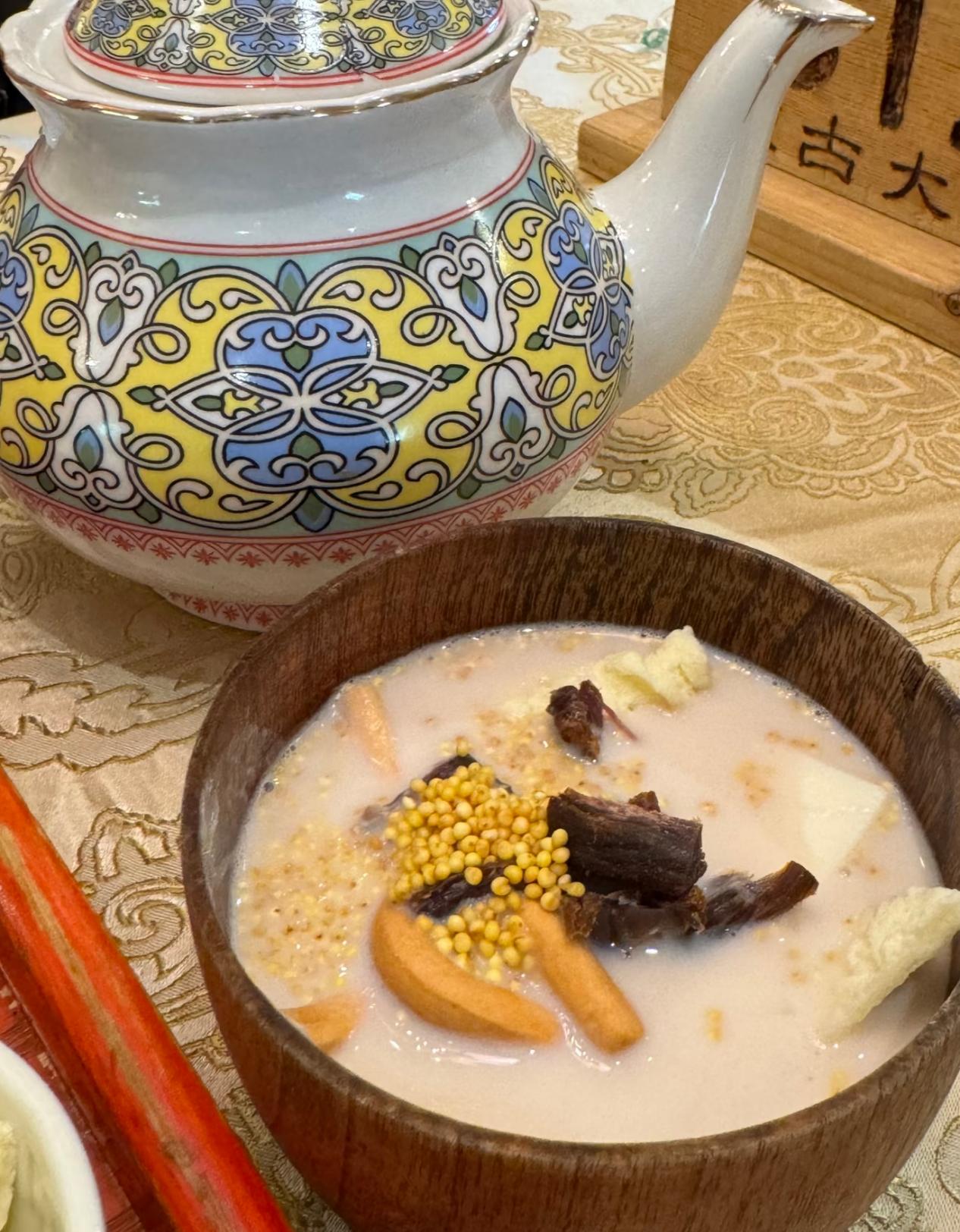
Beyond its basic ingredients, Mongolian milk tea is often a complete meal in a bowl. It is common to enrich the tea with a variety of accompaniments that transform it from a simple drink into a sustaining dish. A typical preparation, known as "pot tea," involves frying millet, dried meat, cheese, and butter in the pot before the prepared tea is poured in . The result is a hearty, savory soup teeming with textures. The crispy millet provides a crunch, the cheese offers a soft chewiness, and the meat lends a deep, satisfying flavor. For a traveler or a herder returning from a long day on the pastures, such a meal is not just about quenching thirst but about replenishing energy and finding comfort. This practice of adding substantial ingredients underscores the tea's role as a vital source of nutrition, perfectly suited to a life of movement and physical exertion.
The cultural significance of this tea runs deep. It is the ultimate expression of hospitality. Upon entering a Mongolian yurt, a guest is almost invariably greeted with a bowl of steaming hot salty tea, offered with both hands as a sign of respect. To refuse this offering would be considered a grave discourtesy . The tea is also central to the rhythm of daily life. Mongolian families often follow a pattern of "three teas and one meal" a day, with the hearty main meal consumed in the evening after herding . Every morning, the household's mother or wife rises to boil a large pot of tea that will last the entire day, kept warm in a thermos for family and any visitors who might arrive . This daily ritual underscores the tea's role as a constant, unifying thread in the social and familial fabric.
The history of Mongolian salty milk tea is a story of cultural exchange, echoing the movements along the legendary Silk Road and the ancient Tea Horse Road. Tea was not native to the grasslands; it traveled north from agricultural China, where it was often consumed as a delicate, unsullied infusion. Upon reaching the steppes, it collided and merged with the robust dairy culture of the nomadic peoples. This fusion created something entirely new—a drink that perfectly served the needs and tastes of its new adopters . For centuries, this exchange was formalized through the tea-horse trade, where Chinese merchants traded bricks of tea, books, and medicine for the hardy horses and other products of the northern pastoralists . The brick tea itself became a form of currency, with historical accounts noting that during the Qing Dynasty, "a brick of tea could be exchanged for a sheep" and sometimes even a cow . This deep historical interconnection means that every bowl of salty milk tea is not just a local specialty but a living artifact of cross-cultural dialogue.

In contemporary times, this ancient tradition is finding new expressions while holding onto its soul. In the cities of Inner Mongolia, bustling milk tea houses are as common as coffee shops in the West. These establishments serve as social hubs where people gather over pots of tea, often accompanied by an array of traditional snacks like fried pastries, dried yogurt, and cold cuts of meat . Moreover, enterprising producers have modernized the tradition, creating instant powdered versions and portable bottled salty milk teas. These products have allowed the taste of the Mongolian steppe to travel far beyond its homeland. For instance, one company in theEjin Horo Banner area reported distributing its cup-style Mongolian milk tea through 68 dealers across the country, generating significant revenue . This demonstrates how a traditional flavor is being successfully introduced to a wider market. For Mongolians living away from home, these products offer a tangible taste of home and identity, a comforting reminder of their heritage in a rapidly changing world.

Ultimately, a bowl of Mongolian salty milk tea is more than the sum of its parts—it is a story in a cup. It tells of a resilient people living in harmony with a demanding land, of ancient trade routes that connected diverse cultures, and of a hospitality that welcomes the stranger as a friend. From the morning ritual in a yurt where the tea is sipped as the sun rises over the grasslands, to the modern tea house in Hohhot where friends chat over a shared pot, this unique beverage continues to warm bodies and souls. It stands as a powerful example of how a simple combination of tea, milk, and salt can be transformed by culture, history, and necessity into a profound and enduring symbol of a way of life .

