


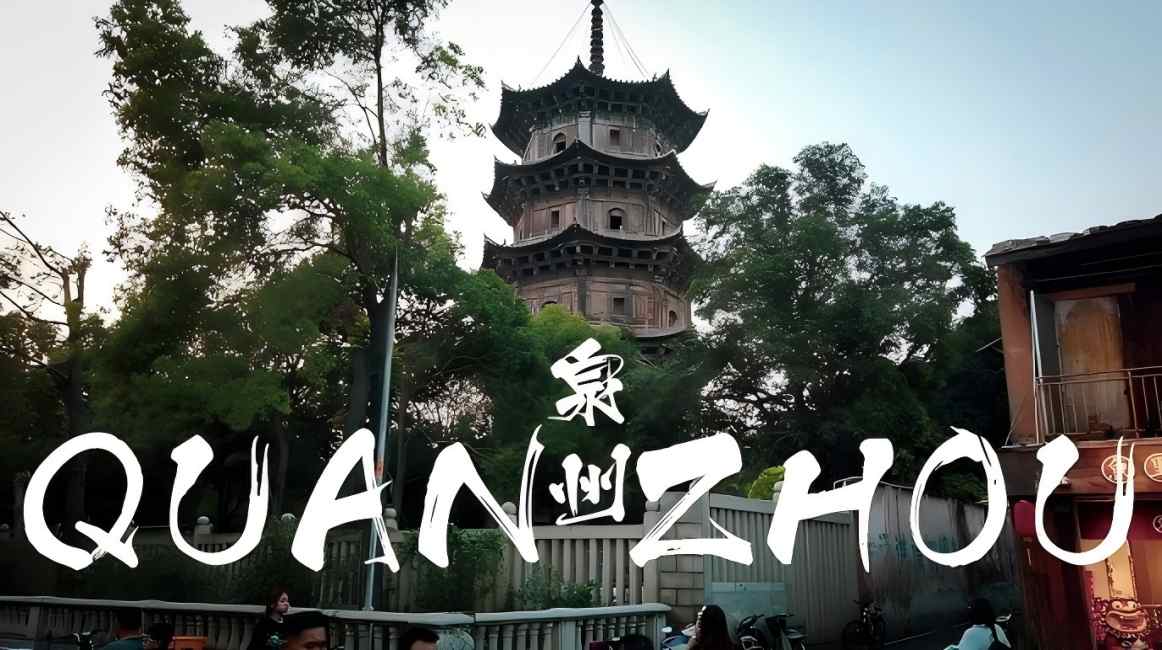
On October 31, 2025, UNESCO's certification added another world-class title to Quanzhou — "City of Gastronomy". This "No.1 Port in the East" during the Song and Yuan dynasties continues the legend of "the roar of the sea echoing with the bustle of merchants from all nations" through the tastes on the tip of the tongue, condensing the gifts of mountains and seas, cultural integration and market warmth into a unique culinary code.
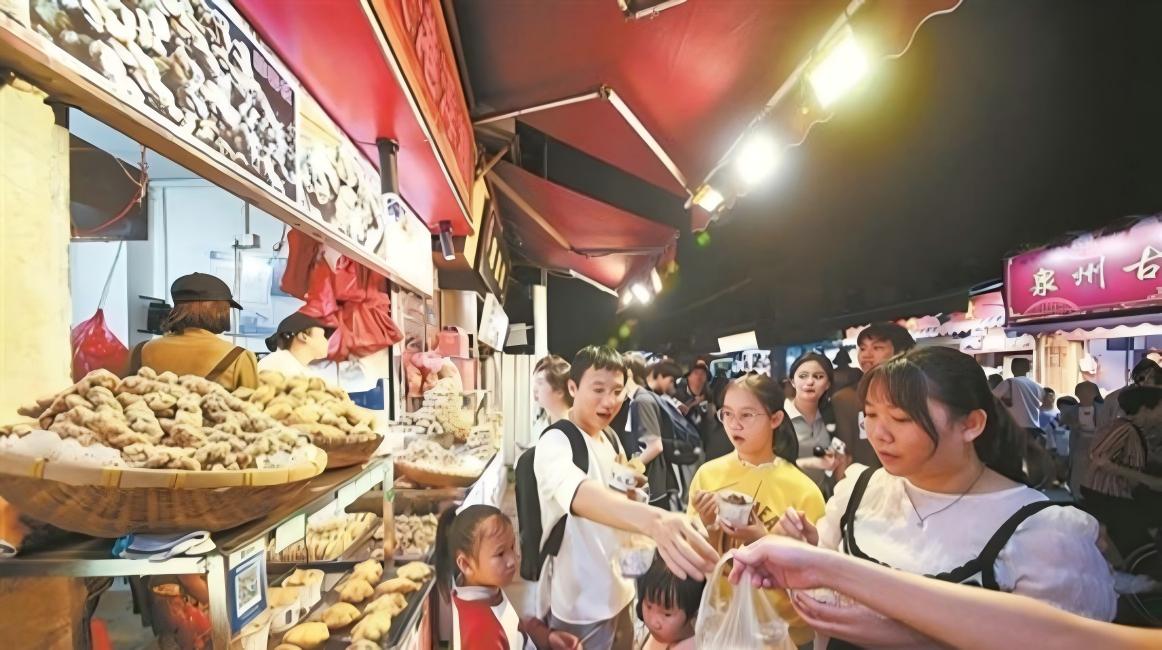
Quanzhou's culinary genes lie in the all-day market vitality. Before dawn on West Street, the steamers in pastry shops have already risen, with the caramel aroma of manjian gao (sweet pancake with fillings) mixed with the sesame fragrance of matiji su (sesame crisp cake) drifting over the arcade. At morning, in front of the mianxian hu (thin vermicelli paste) stalls, elderly craftsmen thicken the soup with shrimp bran and pork bone stock, sprinkle with cu rou (fried pork with vinegar) and oysters, and a bowl warms the whole morning. At noon, in the beef steak restaurants, the sauce blended with curry and Chinese angelica soaks the beef bones, paired with mushroom and mustard salted rice — a perfect collision between Maritime Silk Road flavors and local tastes. This culinary vitality, lasting from dawn till night, has truly made food the backdrop of daily life.
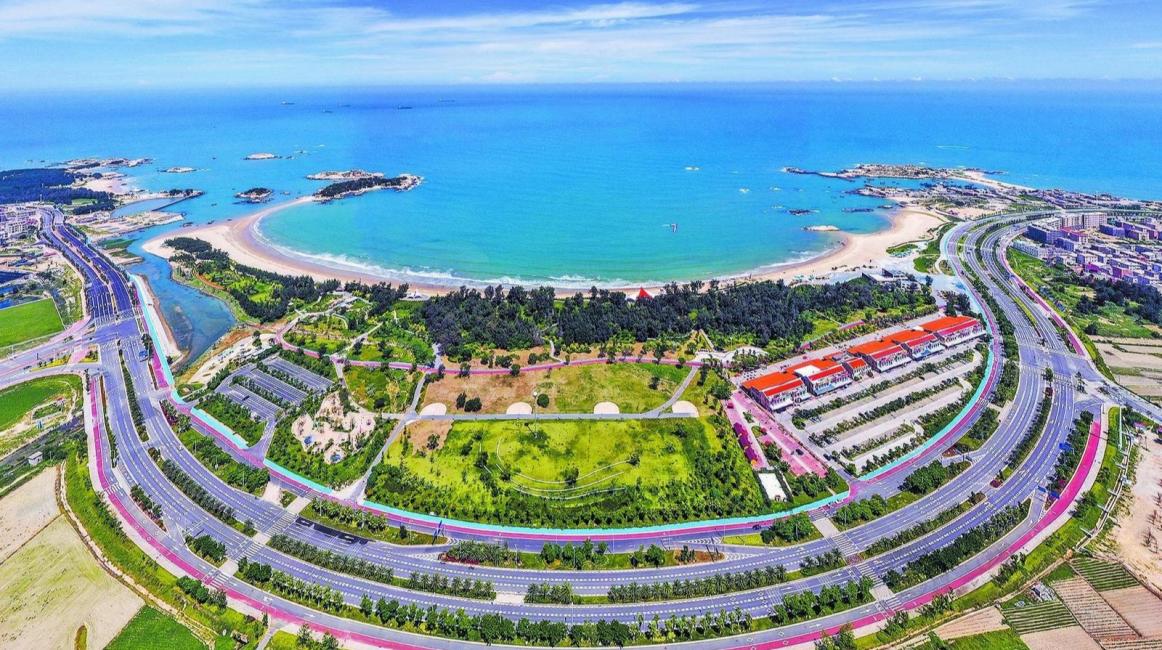
The ecological wisdom of coexistence between mountains and seas has created the authentic freshness of Quanzhou's cuisine. Backed by mountains and facing the sea, Quanzhou people deeply understand the principle of "using the right ingredients at the right time": spring bamboo shoots with summer razor clams, autumn laver with winter oysters, and even ginger is divided into spring-planted water ginger for beef soup and winter-harvested ginger mother for stewed duck. What's more amazing is the wisdom of "making the most of everything": humble sweet potato starch can make meat soup smooth and flavorful, mango dipped in soy sauce can stimulate a unique sweet and fresh taste, and the stock boiled with shrimp bran supports half of Quanzhou's snack scene. This reverence for nature is exactly the sustainable concept advocated by the "City of Gastronomy".
The Maritime Silk Road charm has injected diverse genes into Quanzhou's flavors. Marco Polo once marveled at the prosperity of the pepper trade here, and these exotic spices were finally integrated into local cooking with the wisdom of "enhancing aroma without overwhelming the original taste". The satay sauce brought back by overseas Chinese Chen Youxiang, after improvement, has become the soul of satay noodles, with the aroma of more than 20 ground ingredients spanning a century; Southeast Asian curry combined with local beef has given birth to Quanzhou beef steak with mild spiciness and rich sauce flavor. Just like the dried squid and lotus seeds in Hou Apo's meat zongzi (glutinous rice dumplings), local ingredients and imported treasures complete a dialogue across time and space in the rice dumpling leaves.

These flavors are also connected to the homesickness of tens of millions of overseas Chinese. 9.5 million overseas Chinese of Quanzhou origin have brought the meat zongzi making skills to Southeast Asia, and the method of Nyonya zongzi in Malaysia still bears the mark of their hometown; while the dietary customs brought back by overseas Chinese have kept Quanzhou's cuisine constantly rejuvenated. Today, from primary school cooking competitions to intangible cultural heritage snack festivals, from the persistence of time-honored brands to new creative fusions, Quanzhou's cuisine is heading to the world while inheriting its traditions.
When the aroma of ginger mother duck drifts over Tumen Street, and the sweetness of siguo tang (four-fruit soup) relieves the afternoon heat, the flavors of this ancient city hide the gifts of mountains and seas, thousands of years of cultural heritage and human warmth. This is Quanzhou's culinary code — embracing the world with inclusiveness and repaying time with persistence.

