


Standing at the eastern gateway of the Qaidam Basin, Caka Salt Lake spreads like a giant precious mirror on the plateau at an altitude of 3,100 meters. Located in Caka Town, Wulan County, Haixi Mongolian and Tibetan Autonomous Prefecture, Qinghai Province, this salt lake covers a total area of approximately 105 square kilometers and is one of China's four major salt lakes. "Caka" means "the shore of the salt sea" in Tibetan, and it is called "Dabsan Nur" in Mongolian. The names in these two ancient languages have long revealed its profound connection with this land. As a brine lake with both solid and liquid phases, the vast and flat lake surface is not only a gift from nature but also a geographical wonder, serving as an important tourist hub connecting Qinghai Lake and Dunhuang.

The most breathtaking feature of Caka Salt Lake is the spectacle of the "Mirror of the Sky". On clear and windless days, the lake surface is like a meticulously polished mirror, perfectly reflecting the blue sky, white clouds, distant mountains, and snow-capped peaks, creating a stunning scene where "the sky and water merge into one, and people feel as if they are in a painting". The salt lake is even more charming at dawn and dusk. At sunrise, the golden-red glow dyes the lake surface, and at sunset, the afterglow coats the salt flats with a warm orange hue, performing different light and shadow magic every moment. At night, it turns into the "Mirror of the Night Sky". As China's first top stargazing and photography base, the salt lake under dark sky protection clearly reflects the Milky Way, with stars twinkling in harmony with the lake surface, making people feel as if they are in the depths of the universe. With the rotation of the four seasons, the salt lake displays more diverse beauty: abundant water and clear reflections in summer, and a quiet and holy snow-covered salt plain in winter, each with its own charm.
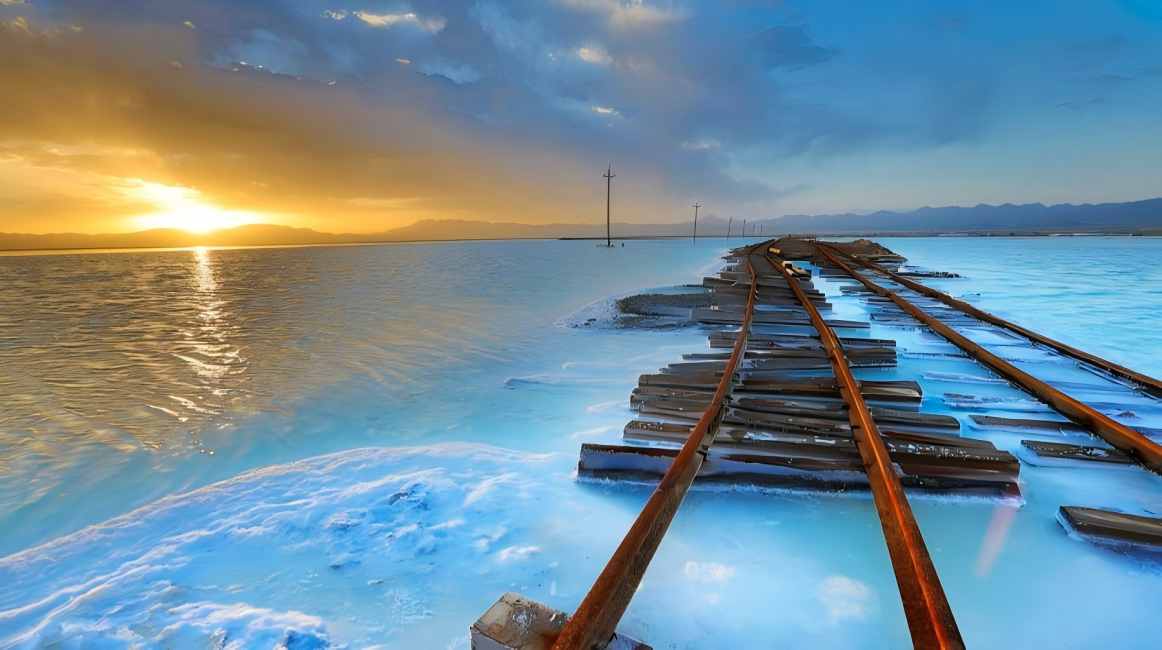
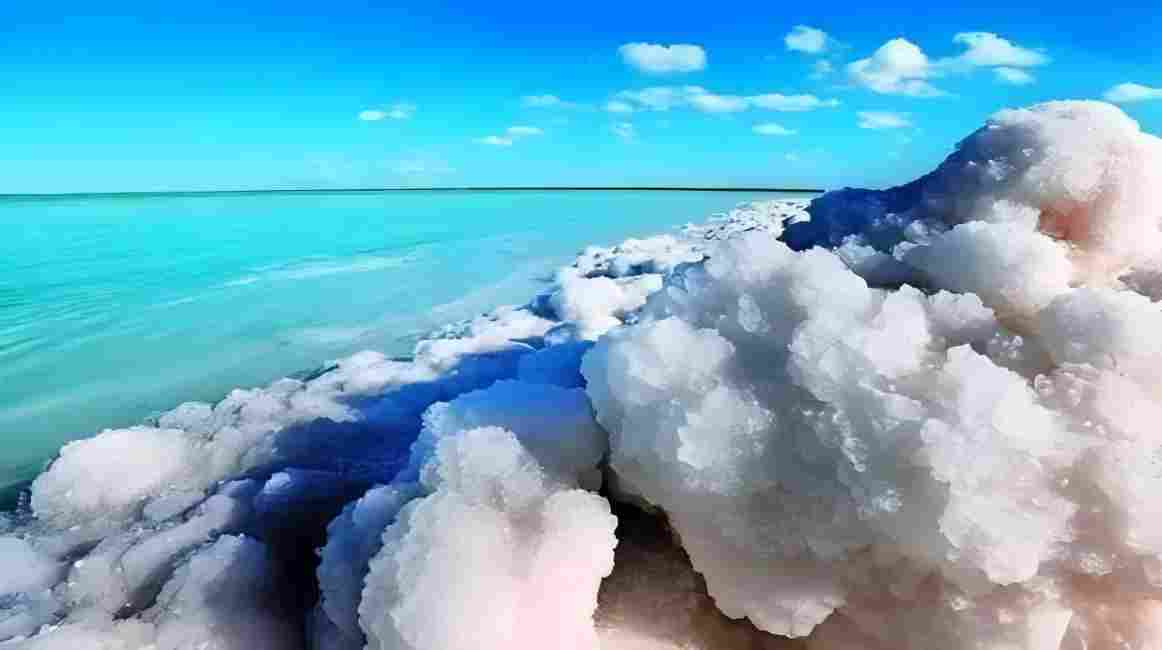
The formation of this "mirror between heaven and earth" stems from hundreds of millions of years of geological changes. During the Late Glacial Period of the Qinghai-Tibet Plateau, Caka Salt Lake evolved from a freshwater lake. Through tectonic movements and climate changes, it formed a rock salt layer several meters thick, covered by a shallow brine layer, creating a natural reflective mirror. As an important mineral resource, the proven salt reserves of the lake can supply the whole country for more than 80 years, with a sodium chloride content of over 95%. Meanwhile, it is also a natural laboratory for studying climate change and lake evolution on the Qinghai-Tibet Plateau, providing precious samples for geologists. Its unique salt layer structure and ecosystem hold irreplaceable scientific value.
The charm of Caka Salt Lake lies not only in its natural wonders but also in the millennium-old civilization it carries. Since the Western Han Dynasty, the history of salt mining here has lasted for more than 2,000 years. After the establishment of salt administration institutions in the Qing Dynasty, the crystal-clear green salt was transported to various places via the Ancient Tea-Horse Road, becoming an important material for maintaining border trade. Today, the tools and documents displayed in the Salt Culture Museum quietly tell the story of the transformation from traditional manual salt mining to modern mechanized production. For Mongolian and Tibetan compatriots, the salt lake is a sacred place. The Lake Worship Ceremony, which began in 1780, is held annually on the 15th day of the fifth lunar month. People sing and dance, offer sacrifices, praying for good weather and abundant salt production. The giant salt sculptures by the lake reproduce these historical legends and folk cultures in artistic form, becoming frozen imprints of civilization.

Striking a balance between development and protection, Caka Salt Lake has embarked on a sustainable path. The scenic area has established a 45,000-hectare core protection zone, implemented a visitor limit policy and a salt layer restoration system, and improved the surrounding ecology by planting reeds and other plants. Abandoning the past single mining development model, the salt lake now forms a trinity pattern of "industry + tourism + ecology". It not only protects the fragile plateau ecology but also drives employment for more than 5,000 people in the surrounding areas, truly transforming green mountains and clear waters into valuable assets. This development concept allows the salt lake to showcase its natural beauty while serving as a model for ecological protection.
When standing in the vastness of Caka Salt Lake, the soul can't help but calm down. The crystal-clear salt grains underfoot creak when stepped on, and the distant sky and earth blend into one, making people truly feel their own insignificance and the vastness of nature. Here, the hustle and bustle of the city is isolated, and the impetuosity in the heart is soothed, leaving only the tranquility of communicating with heaven and earth. The salt lake is like a mirror, not only reflecting the clarity of the sky but also the changes in the relationship between humans and nature—from the past reliance on resources to the present cherishing of ecology, it has witnessed the progress of human civilization.
Caka Salt Lake is never just a scenic spot. It is a miracle of geological evolution, a carrier of millennium-old civilization, a sample of ecological protection, and a pure land that purifies the soul. This bright mirror inlaid on the plateau reflects all things in heaven and earth, as well as humanity's eternal pursuit of a better life and harmonious coexistence. It is worthy of our eternal cherishing and protection.

