

In the weeks leading up to the Lunar New Year, a quiet yet profound transformation sweeps across China. The bustling cities and tranquil villages alike become galleries of calligraphy as doorframes everywhere are adorned with strips of brilliant red paper, inscribed with auspicious phrases in stark, elegant black ink. These are chunlian, or Spring Couplets, a tradition stretching back over a thousand years, originally intended to ward off a mythical beast and invite good fortune. Today, they stand as one of the most ubiquitous and cherished symbols of the festival, a direct link between the ancient past and the dynamic present. However, to view them merely as decorative relics would be to miss a vibrant, ongoing story. The practice of pasting these couplets is a living ritual, one that is currently navigating a fascinating tension between deep-rooted cultural preservation and the irreverent, innovative spirit of a new generation. From solemn temples to trendy apartment doors, these strips of red paper are evolving, becoming a canvas where tradition is not only honored but also interrogated, personalized, and sometimes playfully subverted, reflecting the complex heartbeat of modern China.
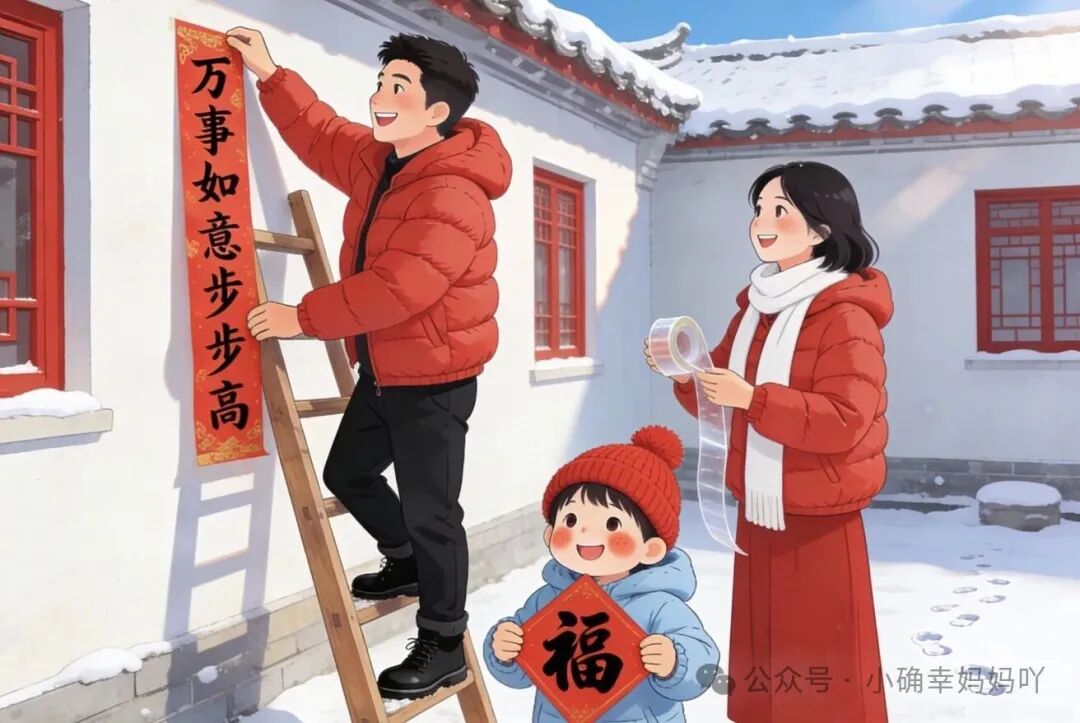
The tradition’s origins are rooted in both practical legend and literary history. The most popular folk tale speaks of a monster called Nian that would terrorize villages at the turn of the year, until people discovered it feared the color red and loud noises. Thus, red paper was placed on doors for protection. This superstitious beginning gradually fused with the cultured practice of writing poetic parallel verses, a hallmark of Chinese literary art. A proper pair of couplets must adhere to strict rules of tonal harmony, semantic parallelism, and thematic unity, expressing hopes for prosperity, health, and happiness in the coming year. Common classics include phrases like “The old year leaves accompanied by the sound of firecrackers; The new year arrives with the brilliance of spring blossoms.” For centuries, the act was a communal one. Families would often ask the most scholarly member or a respected village elder to brush the characters, turning the creation into an event of social bonding and cultural transmission. The glue, traditionally a simple paste of flour and water, symbolized the act of “attaching” one’s hopes firmly to the home. The placement is also precise: the first line goes on the right side of the door (as one faces it), the second on the left, and a horizontal scroll across the top, completing the frame of blessings. This ritual, repeated annually, served as a tangible reaffirmation of family continuity, cultural identity, and shared optimism.
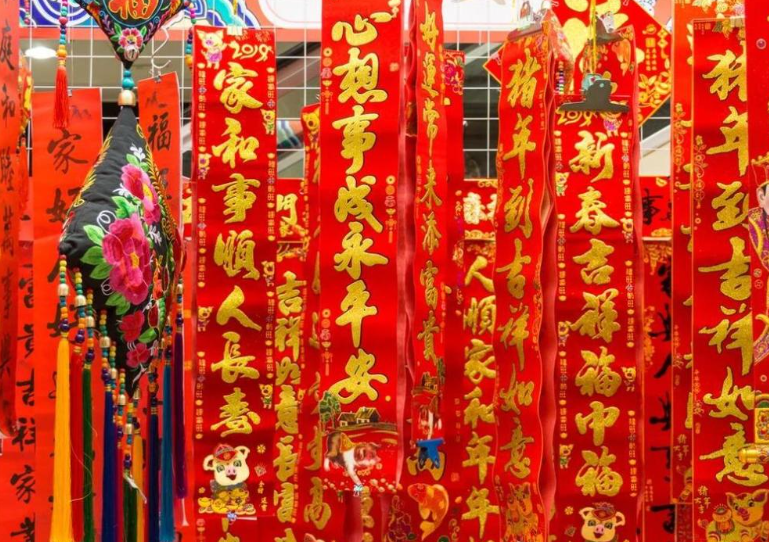
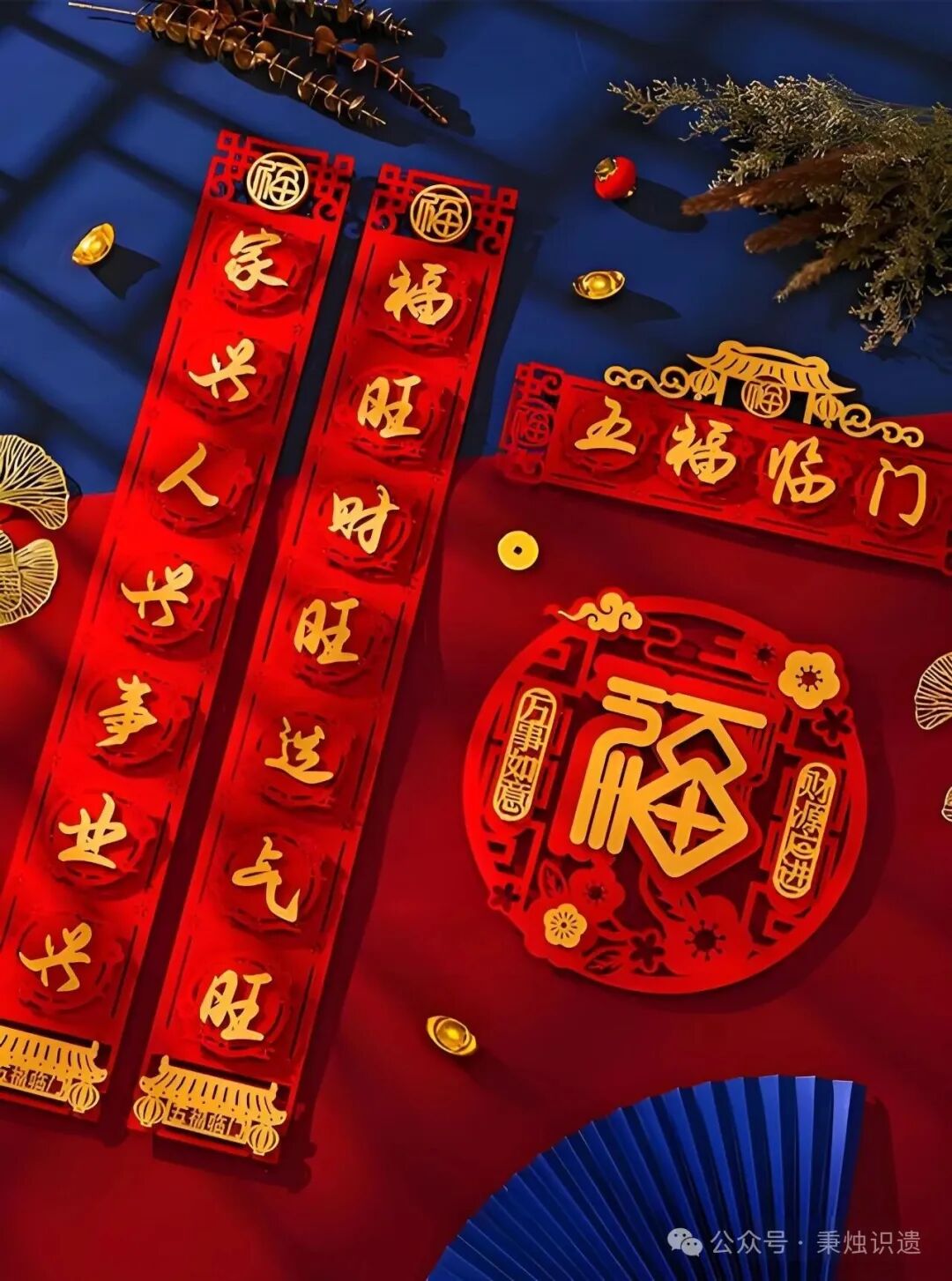
In contemporary times, the tradition’s core function as a cultural anchor remains powerfully intact. For millions, purchasing and pasting Spring Couplets is as essential to the New Year as the reunion dinner. It marks a physical and symbolic cleansing of the old year and a welcome to the new. The market for couplets is vast, ranging from mass-produced, glitter-adorned versions sold in supermarkets to exquisite, hand-brushed pieces created by master calligraphers that can cost hundreds of dollars. During this period, temples, cultural streets, and even shopping malls often set up free calligraphy booths where masters write personalized couplets for queues of eager citizens, a scene that vividly connects public life with ancient art. For China’s massive migrant population, a new set of couplets on the door of their urban apartment or their ancestral home in the countryside is a powerful statement of belonging and hope, bridging the gap between their mobile lives and a sense of rooted tradition. The content, while often traditional, also adapts to contemporary aspirations. It’s common to find verses praying for success in business, smooth academic journeys for children, or good health for the elderly, directly linking ancient poetic form to modern life goals. This adaptability is key to the tradition’s survival; it allows universal hopes to be continually expressed in a familiar, formalized language.
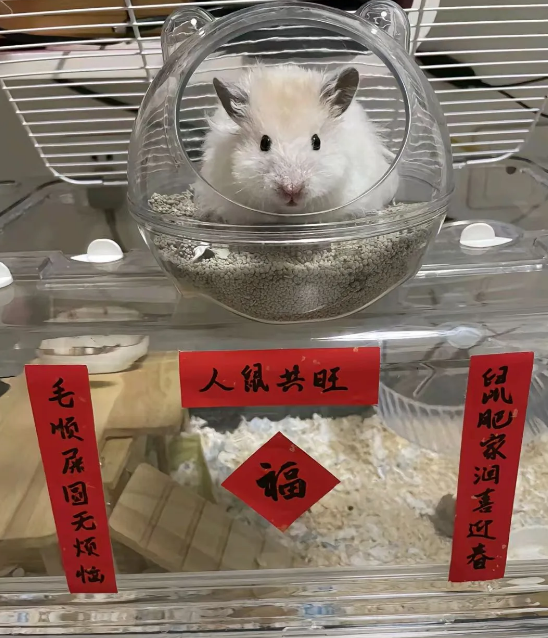
Yet, it is precisely in this space of adaptation that the most intriguing, and sometimes controversial, evolution is occurring, driven by China’s tech-savvy, individualistic youth. A phenomenon dubbed “spring couplet reform” or even “spring couplet explosion” has erupted on social media platforms like Xiaohongshu and Douyin. Young people, while embracing the ritual’s festive role, are increasingly dissatisfied with what they see as the generic, occasionally hollow, and overly commercialized nature of mass-produced phrases. Their response has been creative rebellion. They are explosively modifying the tradition by writing couplets that feature internet slang, niche humor, and deeply personal declarations. Instead of “May wealth and treasures fill your home,” a door might boldly declare, “May my bank account balance match my confidence” or “Wishing for peace and quiet, and for my cat to stop knocking things over at 3 AM.” Pop culture references abound, with couplets themed around popular video games, anime, or idol groups. This trend represents a fundamental shift: from couplets as a standardized, outward-facing blessing to the world, to couplets as an inward-facing expression of personal identity and inside jokes for one’s peer group. It transforms the door from a ceremonial facade into a personal billboard.
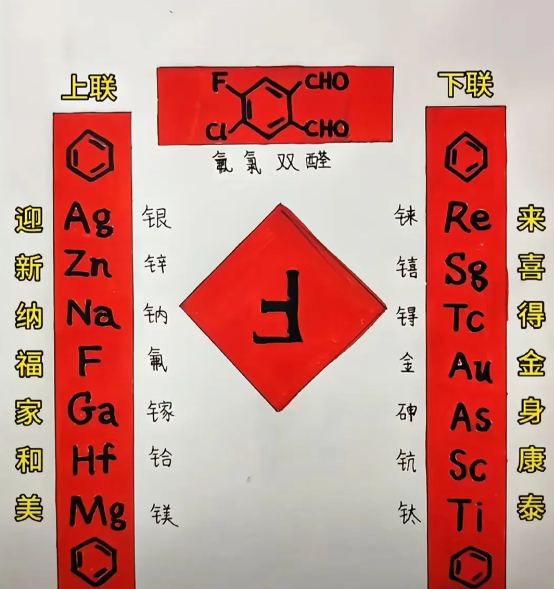
This wave of innovation, however, rides a tide of spirited debate. Traditionalists, including many elders and cultural purists, view these modern adaptations with concern, if not outright dismay. They argue that the “explosive reform” strips the couplet of its essential dignity, poetic beauty, and communal cultural weight. Reducing a centuries-old literary art form to a meme or a joke, they contend, cheapens the tradition and risks severing the link to its profound historical and linguistic roots. The controversy touches a deeper nerve about cultural preservation in a fast-changing society. Critics worry that if the form becomes too untethered from its rules and solemn intent, its original meaning will be lost to future generations, leaving only an empty aesthetic shell. On the other hand, proponents of the new style offer a compelling counter-argument. They see their actions not as destruction, but as revitalization. By infusing the tradition with their own language and concerns, they are actively engaging with it, ensuring it remains relevant and personally meaningful. They argue that a rigid, museum-piece approach to tradition guarantees its stagnation and eventual abandonment. For them, a viral, witty couplet that sparks laughter and conversation among friends does more to keep the ritual alive than a beautiful but emotionally distant classical phrase ever could. This creative engagement, they insist, is a form of preservation through participation.
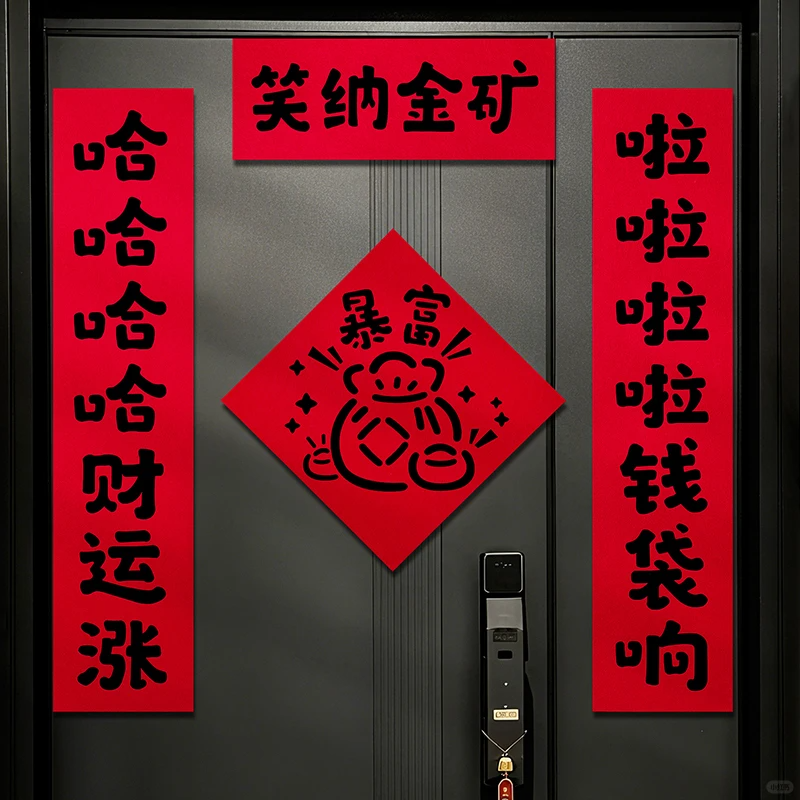
The debate extends beyond content into the very medium of the couplets. The digital age has given rise to virtual Spring Couplets—animated GIFs and stickers shared on messaging apps like WeChat, complete with flashing lights and sound effects. Some young people even design minimalist, Scandinavian-style couplets in muted colors, a stark departure from the obligatory fiery red. While some embrace these as convenient and modern, others deride them as a loss of tactile, real-world ritual. The commercial world has also keenly jumped in. Brands from tech companies to dairy producers create promotional couplets that cleverly embed their products or slogans into traditional-looking verses, a practice that walks a fine line between festive marketing and cultural commodification.
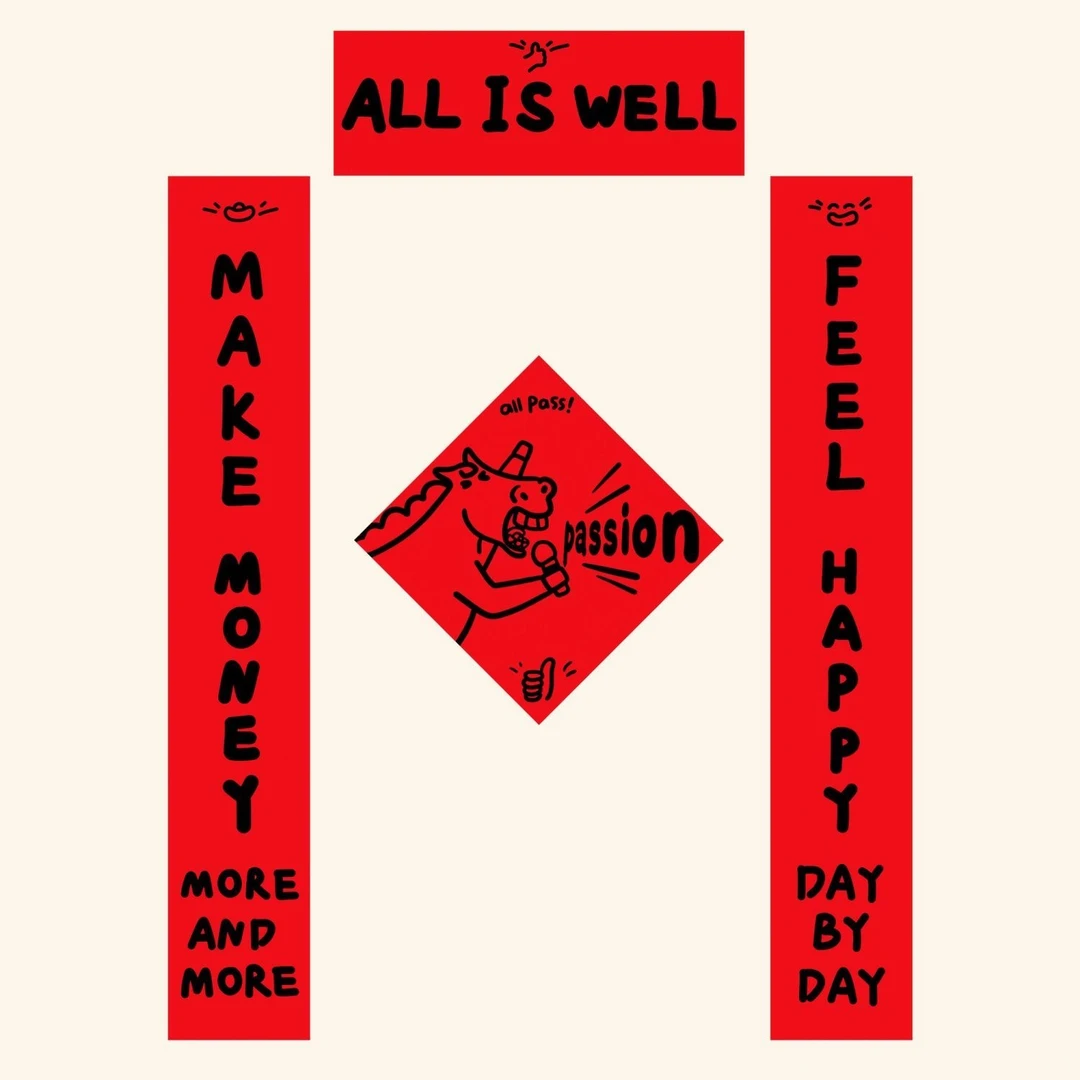
Ultimately, the story of Spring Couplets in modern China is not a binary battle between old and new, but a dynamic and ongoing negotiation. It reflects a society that is fiercely proud of its continuous civilization yet is hurtling toward the future at breakneck speed. The doorways of the nation have become a fascinating liminal space where this negotiation is literally posted for all to see. One can walk down a single alley and see a weathered door framed by impeccably brushed classical poetry next to a sleek apartment gate sporting a witty couplet about “successfully paying the mortgage.” Both are authentic expressions of the same festival spirit. This coexistence suggests that the tradition’s greatest strength is its symbolic flexibility. The red paper and the act of pasting it remain the constant, non-negotiable core—the ritual vessel. The words inscribed upon it, however, are increasingly fluid, reflecting the diverse voices of a complex society. In this way, the Spring Couplet continues to fulfill its ancient purpose: it still guards the doorway. But now, it guards not just against mythical beasts, but also against cultural irrelevance, serving as a vibrant, living testament to how China is continually rewriting its own story, one doorframe at a time.