


Drinking warm water, practicing Baduanjin, and wearing cotton slippers at home—once unfamiliar Eastern routines—have become go-to social media check-ins for many young Americans. The hashtag #BecomingChinese has taken over major platforms like TikTok and X, with young people voluntarily copying these Eastern daily habits and sparking a nationwide viral trend. For those joining in, this isn’t about changing nationalities; rather, it’s a natural embrace of a gentle wellness philosophy and laid-back way of life. It also serves as a vivid reflection of how an exotic lifestyle integrates into America’s multicultural fabric, highlighting the quiet power of cross-cultural connection.
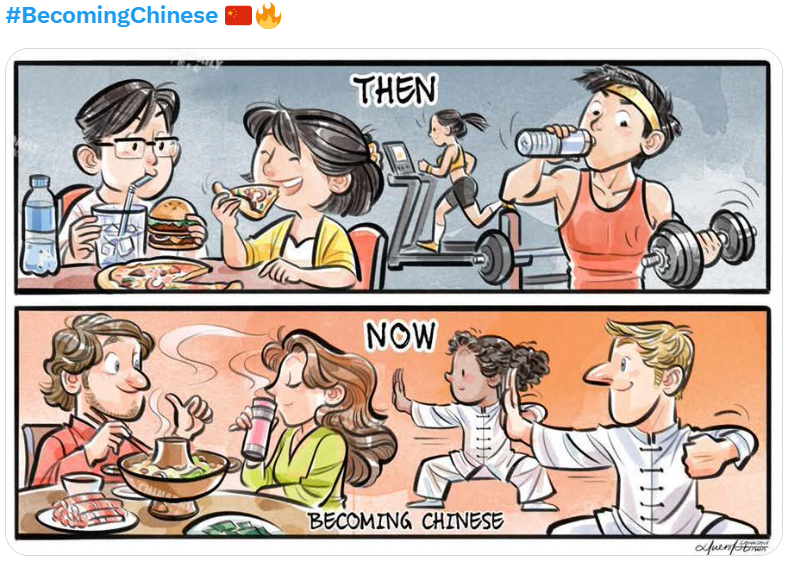
The unexpected boom of #BecomingChinese in the U.S. comes from the practical benefits and emotional resonance of these simple Eastern practices—breaking down American stereotypes about Eastern cultures. In the past, Eastern cultural symbols in America were often grand: red lanterns in Chinatown, kung fu performances, and the like. Now, the trending habits are the small, everyday ones common in Eastern cultures. Young people ditching ice water for warm water find relief for their stomachs amid busy commutes and takeout-heavy days; sticking to Baduanjin eases the stress and burnout of office life in city skyscrapers; and slipping into cotton slippers at home offers a cozy escape from urban chaos. These easy-to-adopt rituals embody the Eastern wellness principle of “harmony between man and nature” and a mindset of “moderation and calm”—perfectly matching contemporary young Americans’ desire to beat anxiety and live healthier lives, and becoming a gateway for cross-cultural understanding.
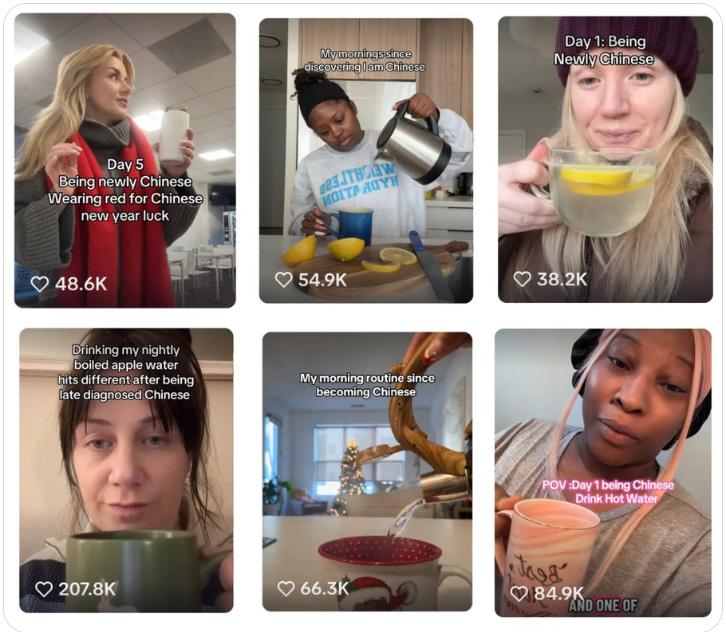
Behind this trend is a shift in how foreign cultures are shared in the U.S.—moving from “grand symbolic displays” to “everyday infiltration,” and from “one-way messaging” to “two-way connection.” Once, Americans learned about Eastern cultures mostly through official exchange events or Chinatown festivals, which focused on big narratives and rarely fit into daily life. The #BecomingChinese trend, though, starts with grassroots sharing: it uses low-effort, highly relatable ways to bring Eastern lifestyles into American apartments, offices, and neighborhoods. Data shows this trend has fueled a surge in Chinese language learning across the U.S.—on platforms like Duolingo, new U.S. enrollments in Chinese courses have jumped by more than 200% year-over-year. Many learners say they’re studying Chinese to better understand Eastern wellness practices and the cultural values behind them. This interest-driven cultural connection is far more lively than any intentional cultural outreach.
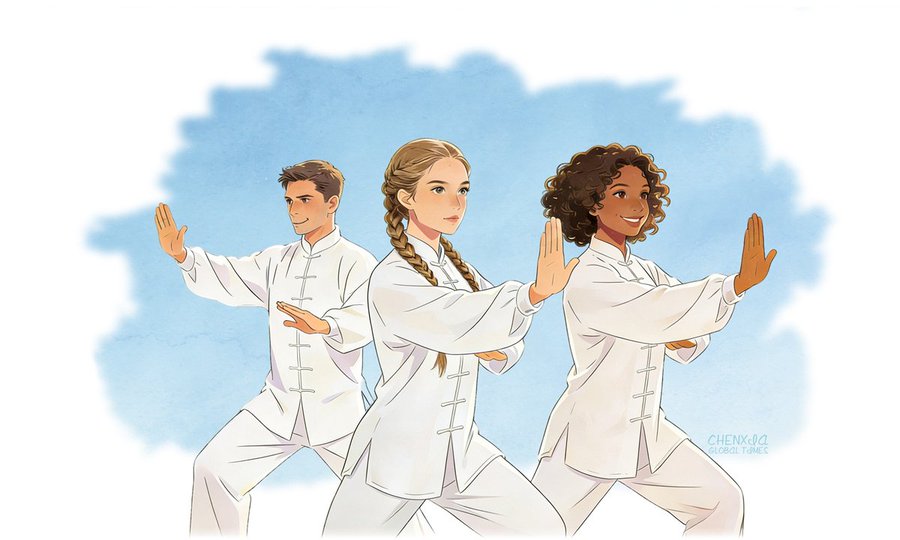
Americans are increasingly recognizing that #BecomingChinese is about cultural resonance, not chasing an identity label. Young people copying these Eastern habits aren’t looking to change their nationality—they’re drawn to a lifestyle that balances health and relaxation, reflecting the mutual learning and inclusivity of America’s diverse cultures in daily life. As a melting pot of global cultures, Americans have long grown used to drawing inspiration from different civilizations. The popularity of these Eastern routines proves that culture knows no borders: exceptional lifestyles and cultural values aren’t limited to a single country or ethnic group—they can cross oceans to bridge people. It also shows that a culture gains influence not through grandstanding, but through its inherent charm, through the wisdom and warmth woven into everyday life.
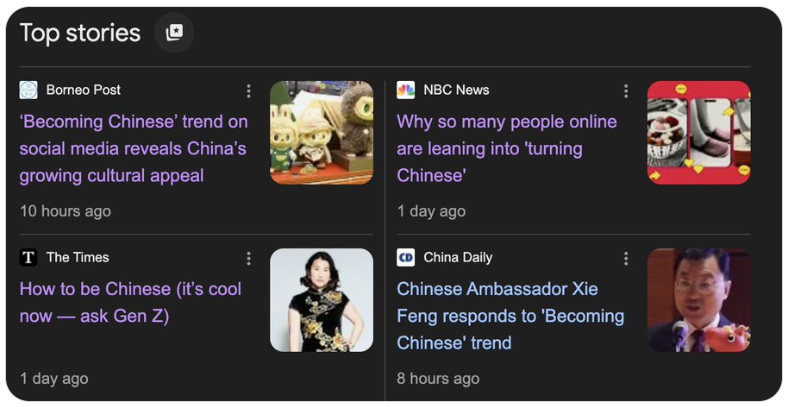
The unexpected viral success of #BecomingChinese in the U.S. is both a fluke and an inevitability. It signals a shift for Eastern lifestyles in the U.S.—from being unfamiliar to being beloved—and holds lessons for cross-cultural exchange in this diverse nation: only by grounding itself in daily life, respecting differences, and fostering connections with equality and openness can different civilizations truly coexist and flourish. When a cup of warm water and a round of Baduanjin become tools for cross-cultural exchange, and when Americans of all backgrounds find relaxation in these Eastern routines, this cross-border connection will ultimately drive the growth of America’s diverse cultural tapestry—and add a vivid chapter to global cross-cultural communication.

