


In an age when classical performing arts across the globe often struggle to hold the attention of digitally native audiences, a five‑hundred‑year‑old regional opera from eastern China has achieved what many contemporary theatre producers only dream of. The Wuju Opera production Three Battles with the White Bone Demon—a freshly adapted work drawn from a famous episode in the sixteenth‑century novel Journey to the West—has become a genuine online phenomenon since its premiere in 2023. It has been staged more than 230 times in over thirty countries, accumulated over three billion views across various social media platforms, attracted more than five million spectators both in theatres and via livestreams, and received the Wenhua Award, the highest governmental honour for cultural and artistic achievement in China. Given that countless other attempts to modernise traditional theatre have failed to generate comparable enthusiasm, one cannot help but ask: what makes this particular adaptation so extraordinarily successful?
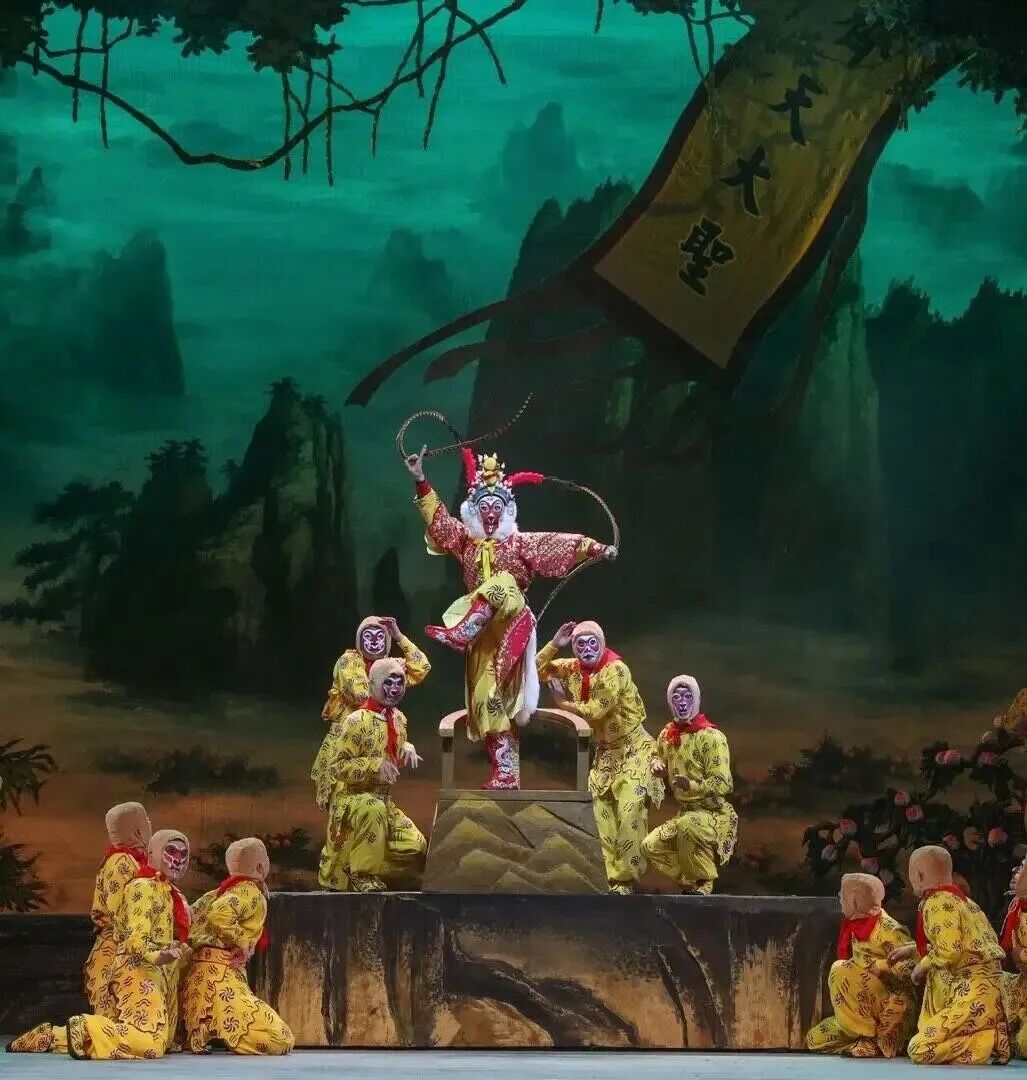
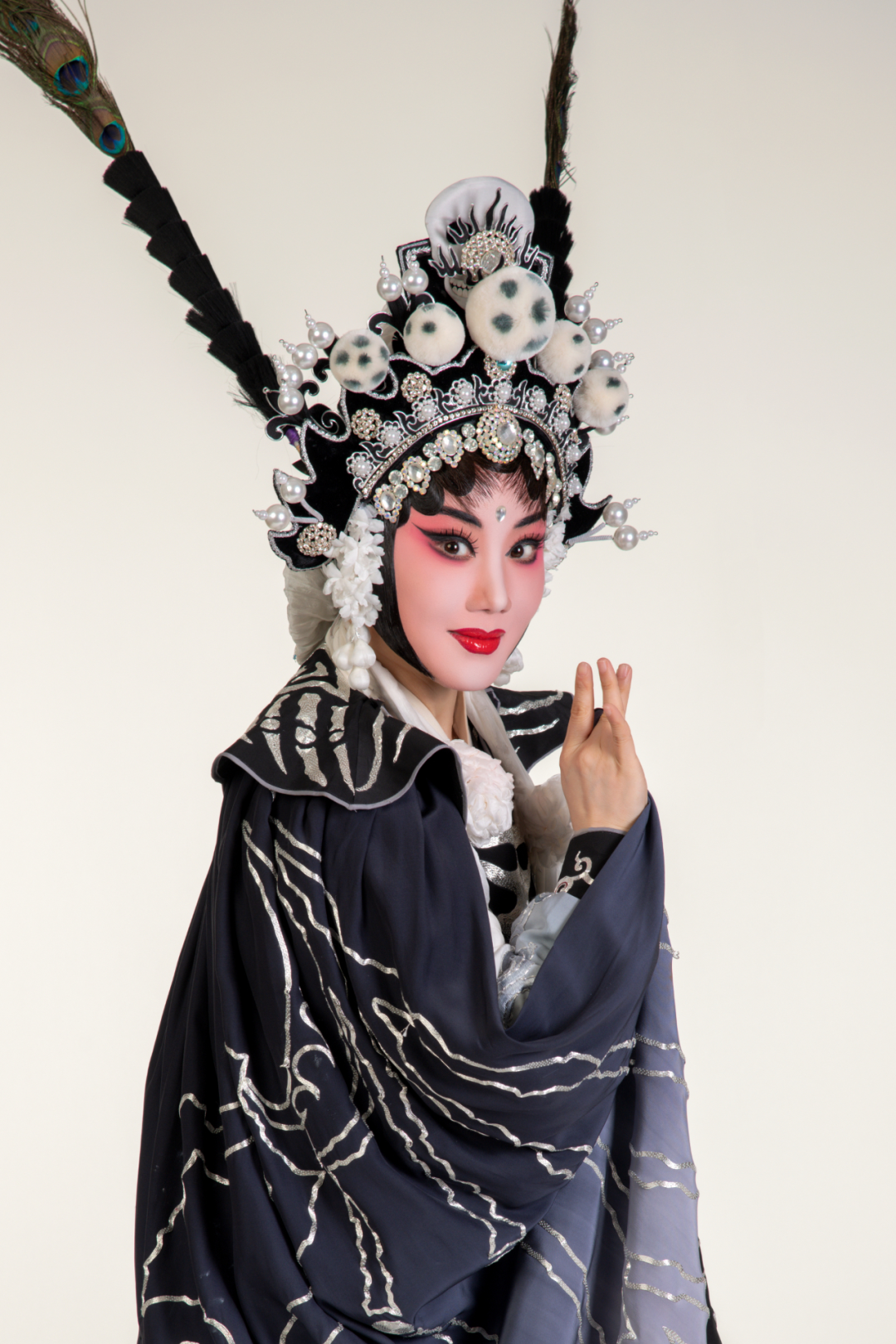
The most immediately visible factor—and the one that first propelled the production into the viral spotlight—is a breathtaking piece of stagecraft performed by the lead actress Yang Xiayun, herself a recipient of the prestigious Plum Blossom Award for Chinese theatre. In the span of a few seconds, Yang transforms the character of the White Bone Demon through three consecutive changes of both facial makeup and costume. The first change reveals a skeletal white face, the second a crimson visage representing flesh, and the third the demon's fully formed human appearance. This combined technique of face‑changing and costume‑changing, borrowed from the Sichuan opera tradition but significantly refined for this production, visually encapsulates the demon's three identities—skeleton, flesh, and bone, or alternatively, monster, deceiver, and human. Audiences, both in the theatre and on screens, have been left utterly spellbound; many confess that they dare not even blink for fear of missing a single instant of the transformation. Yet this virtuosic display is far from mere showmanship. As Yang herself has explained in interviews, the technique serves a clear dramatic purpose: it not only dazzles the eye but also establishes the demon's shape‑shifting nature and plants narrative clues for the conflicts that follow. It is a moment that works on multiple levels—spectacular enough to be clipped and shared, yet substantive enough to reward repeated viewing.
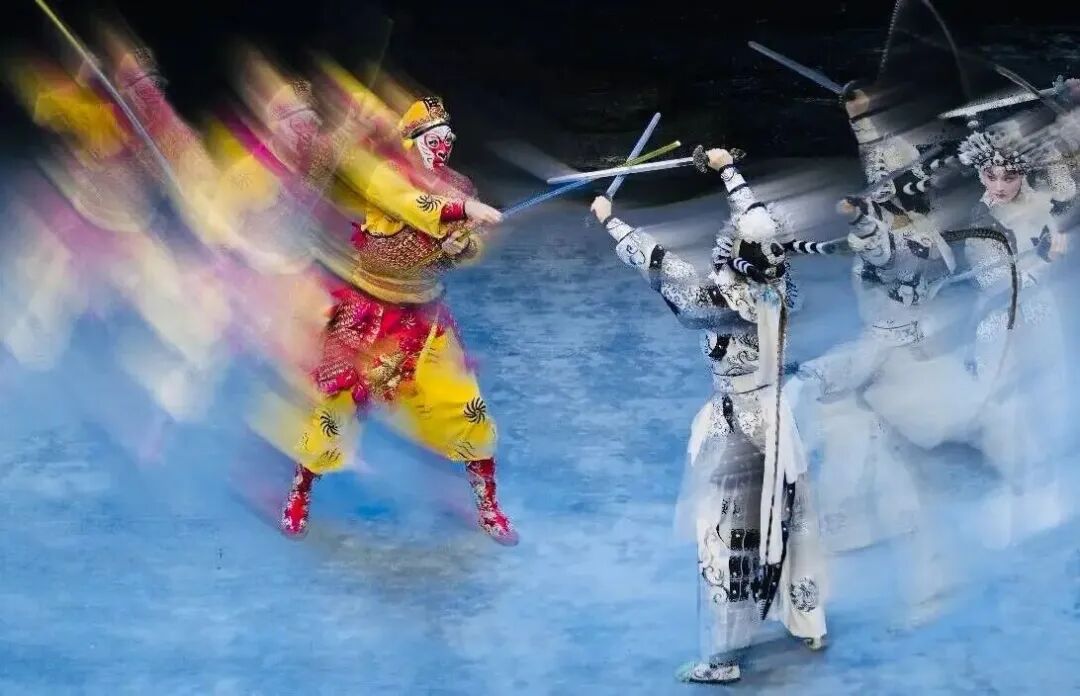
However, what makes this production truly remarkable is that its success rests on something far more substantial than a single viral moment. The creative team, led by director Weng Guosheng—himself a celebrated performer of "monkey opera" and another Plum Blossom Award winner—has pursued a guiding philosophy that might be summarised as honouring tradition while embracing innovation. This is not an empty slogan but a rigorous artistic principle. The production preserves the core essence of Wuju Opera: its percussive, driving musical rhythms; its robust and acrobatic martial arts traditions; and its distinctive performance vocabulary, which blends singing, speaking, acting, and combat with extraordinary physical discipline. At the same time, it integrates contemporary stagecraft, modern choreographic influences, and even technological innovations, but always in ways that serve the drama rather than overwhelm it. Every addition is tested against a simple criterion: does it deepen the emotional impact or enhance the storytelling? If not, it is discarded.
Consider, for instance, the reimagining of Tang Sanzang, the Buddhist monk who serves as the moral compass of the Journey to the West narrative. Traditionally portrayed as frail, passive, and somewhat gullible—a character whose compassion often tips into naivety—the Tang Sanzang in this production is given an entirely new dimension. Played by Lou Sheng, another Plum Blossom Award winner renowned for his martial prowess, this Tang Sanzang is both civil and martial. He runs, leaps, tumbles, and rolls across the stage when pursued by the demon, his physical vulnerability rendered through the very athleticism that defines Wuju performance. This is not gratuitous acrobatics; rather, it is an approach deeply rooted in Wuju's distinctive performance principle of "civil roles performed with martial techniques, and martial roles performed with civil refinement." The result is a character who is simultaneously more physically dynamic and more dramatically compelling. He is no longer a passive victim but an active participant in his own peril, and his struggles on stage evoke a more immediate and visceral sympathy from the audience.
The adaptation also demonstrates considerable narrative sophistication in its treatment of the story itself. The creative team made a deliberate decision to streamline the plot, focusing tightly on the core conflict of the three battles and excising extraneous subplots that might dilute the emotional tension. The entire production runs approximately two hours, with no wasted dialogue or superfluous scenes. This lightweight approach to storytelling—what one critic has termed narrative minimalism—breaks down the barrier that often prevents younger viewers from engaging with traditional theatre, dispelling the stereotype that such performances are ponderous and slow‑moving. The central narrative arc, in which Sun Wukong, the Monkey King, repeatedly defeats the White Bone Demon's illusions only to be misunderstood, slandered, and ultimately banished by his own master, resonates with contemporary audiences on a deeply emotional level. As one observer has noted, the drama's surface is about fighting monsters, but its core is about a universally recognisable human experience: the frustration of being right yet being blamed, of telling the truth yet being treated as a troublemaker. This thematic universality transcends cultural boundaries and speaks directly to anyone who has ever felt unjustly accused or marginalised.
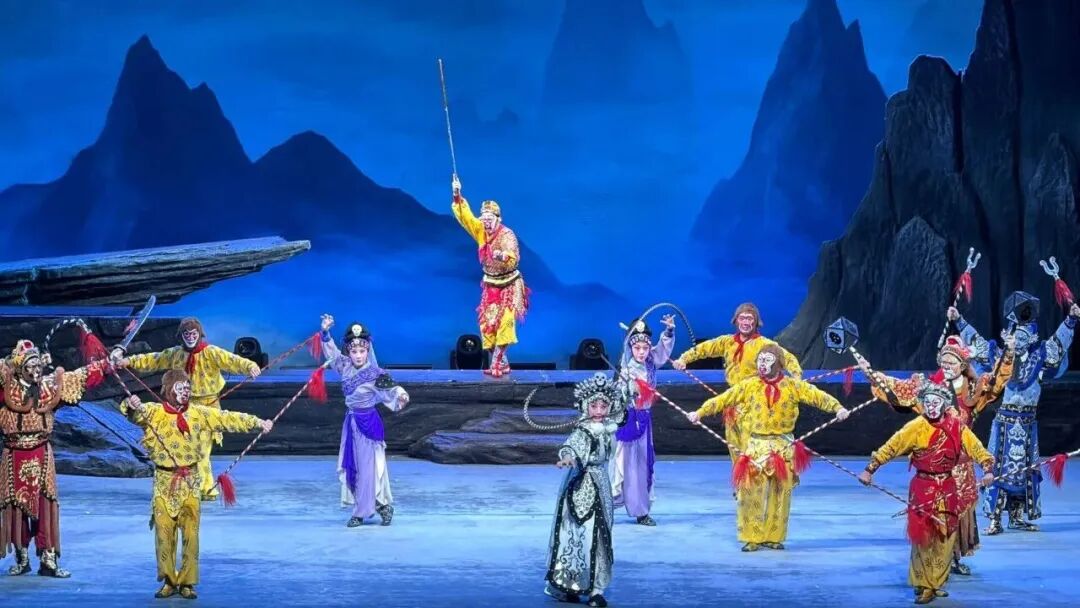
The production's treatment of Sun Wukong himself is particularly noteworthy and constitutes another key reason for its widespread appeal. Rather than portraying him as a mere monster‑slaying machine or a boastful trickster, the adaptation emphasises his psychological depth and emotional vulnerability. He is a lonely hero who persists in his mission despite being misunderstood, rejected, and ultimately cast out by the very person he is trying to protect. The farewell scene between the Monkey King and his master is given extensive dramatic weight, allowing the audience to feel the full force of his grief, anger, and conflicted loyalty. In a striking staging choice, four simultaneous projections of Sun Wukong appear on stage, all pleading with Tang Sanzang for forgiveness, their synchronised acrobatic movements underscoring the emotional intensity of the moment. This is theatre that speaks to the heart as much as to the eyes. The Monkey King's iconic cudgel, his somersault cloud, and his mischievous grin are all present, but they are imbued with a new emotional resonance that makes him more than a folk hero—he becomes a tragic figure, a defender whose loyalty is tested to its breaking point.
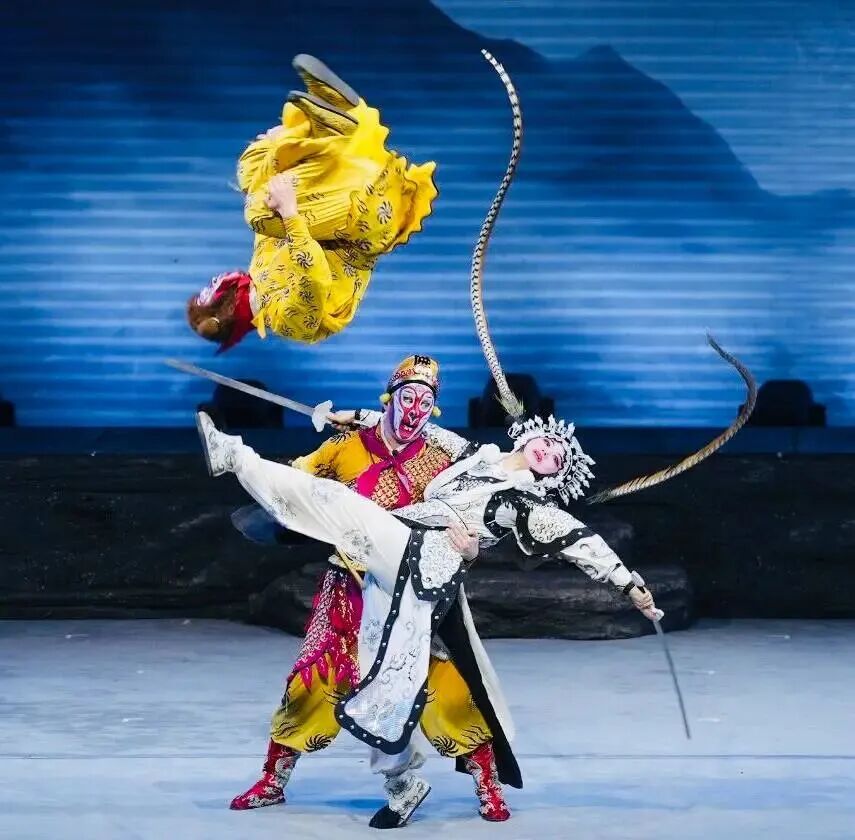
Technological innovation, too, plays a carefully calibrated role in the production's success. In one sequence, Sun Wukong transforms into a bee to infiltrate the demon's lair—a moment traditionally achieved by manipulating a small puppet with nearly invisible wires. The production instead employs a small drone, dressed in a costume of pearl cotton and gauze. The drone's natural buzzing sound becomes part of the soundscape, enhancing rather than detracting from the theatrical illusion. Elsewhere, electronic laser effects trace the protective circle that the Monkey King draws around his master, and at the climax, when the White Bone Demon is finally vanquished, a skeletal stage set dramatically explodes in perfect synchrony with the actor's final movement. These effects are not tacked on for their own sake; they are integrated into the dramatic fabric of the production, enhancing the live performance rather than overshadowing it. The production team has been careful to ensure that every technological element remains subordinate to the actors' performances, a principle that distinguishes this work from many other modernised operas that rely too heavily on digital spectacle.
The production also knows how to entertain without sacrificing artistic integrity. The character of Zhu Bajie, the gluttonous and lustful pig‑monk, is given a comic treatment that draws on contemporary sensibilities while remaining faithful to his traditional persona. In one celebrated sequence, the White Bone Demon, disguised as a village maiden, coos "Brother Bajie" in a seductive voice that sends the pig‑monk into a swoon, his nine‑toothed rake nearly slipping from his grasp. The character's performance incorporates modern comedic timing—pauses, double‑takes, and exaggerated physical reactions—that resonate with today's audiences without betraying the operatic style. This balancing act between tradition and modernity is one of the production's greatest strengths. It does not dumb down the art form; rather, it translates its ancient vocabulary into a language that contemporary viewers can instinctively understand and enjoy.
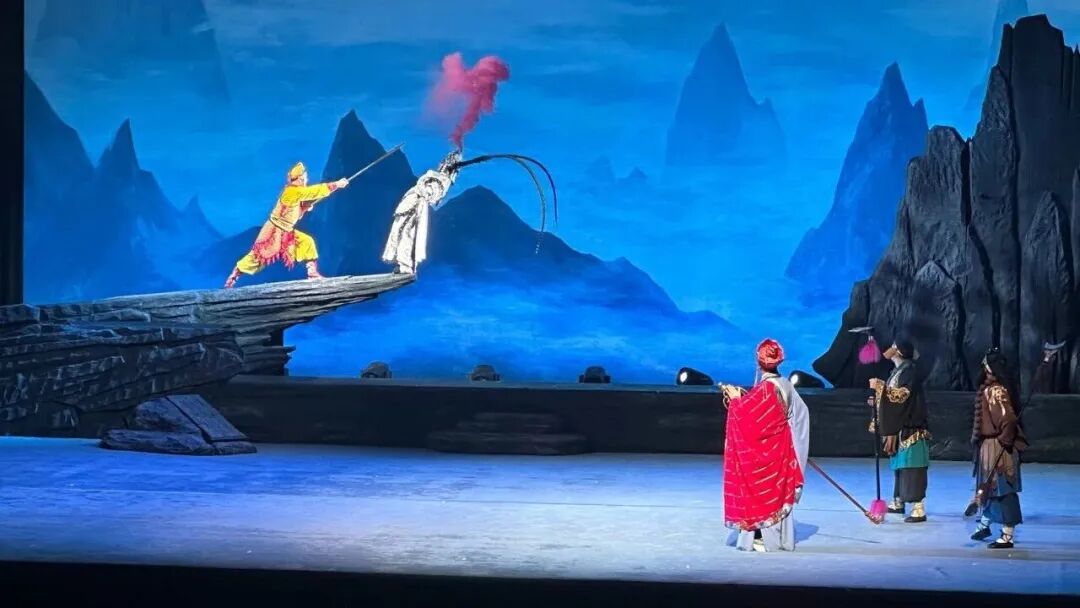
Beyond the stage itself, the production has benefited from a shrewd and organic digital strategy. Clips of the face‑changing sequence, the acrobatic fights, and the emotional farewell scene have been widely shared on platforms such as YouTube, TikTok, and Weibo, often accompanied by reaction videos from both Chinese and foreign viewers. The production's international tours have also generated significant media coverage, with European and American critics praising its fusion of ancient traditions with modern stagecraft. Yet the production has not chased virality at the expense of authenticity. Every short clip that goes viral is essentially a trailer for the full theatrical experience, and many viewers who first encounter the production online eventually seek out tickets to see it live. This virtuous cycle between digital exposure and physical attendance has been carefully nurtured by the production team, who understand that in the modern cultural economy, a work must be both shareable and substantial.
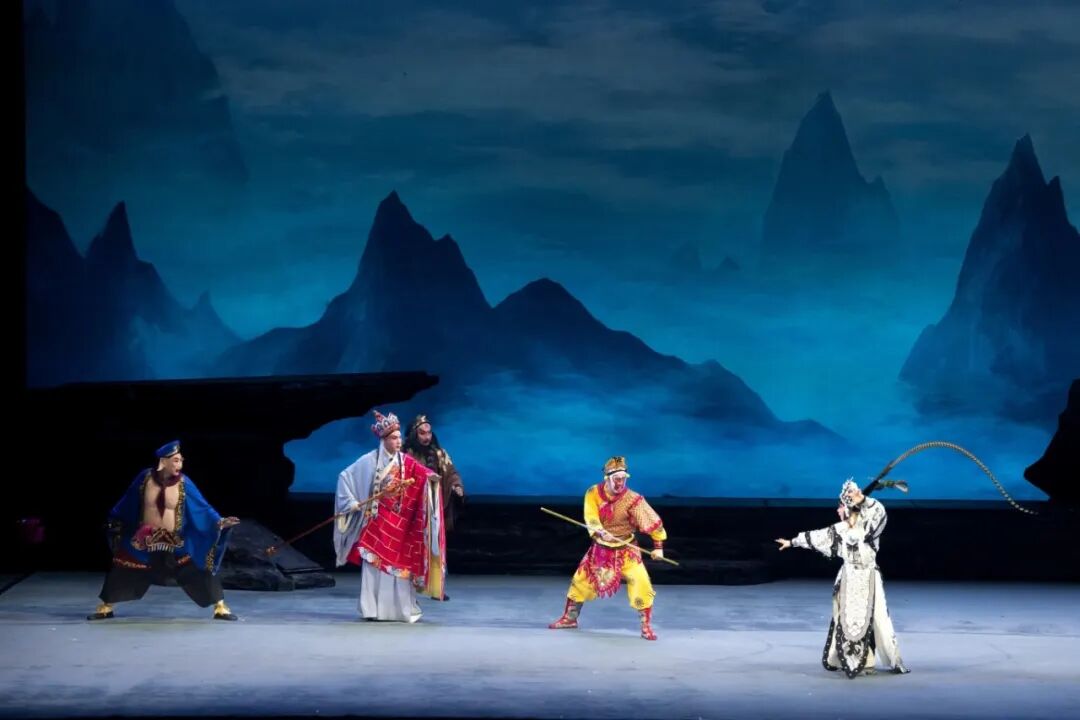
Finally, it is worth noting that the production's success cannot be separated from its broader cultural context. Journey to the West is one of the most beloved stories in East Asian literature, and its characters are deeply embedded in the collective consciousness. By reinterpreting such a familiar tale with fresh eyes, the production taps into a rich reservoir of cultural memory while simultaneously offering something new. For foreign audiences, the story provides an accessible entry point into Chinese mythology, while the operatic form offers a window into a performing art that has survived for centuries through constant adaptation and reinvention. In this sense, Three Battles with the White Bone Demon is not merely a successful new work; it is a living demonstration of how traditional theatre can remain relevant in the twenty‑first century. It honours its roots, embraces its time, and above all, tells a story that moves people across age, nationality, and language. That is why, in a world saturated with digital entertainment, this centuries‑old opera has managed to capture the global imagination—one spectacular transformation, one heart‑wrenching farewell, and one viral clip at a time.

