


On a misty morning at a suburban lake outside Beijing, a cluster of young men and women in their late twenties arranges fishing rods along the bank. They chat easily, check their mobile phones between casts, and snap photos of the shimmering water. Ten years ago, this scene would have been dominated by retirees in wide-brimmed hats. Today, fishing in China has shed its old‑age stereotype and become one of the fastest‑growing outdoor pursuits among the country's millennials and Generation Z.
The numbers are striking. China now has an estimated 150 million recreational anglers, roughly one in every ten citizens. Among them, the 25‑to‑44 age group accounts for 46 percent of all participants, and the 18‑to‑29 bracket is the fastest‑growing segment, having nearly doubled its share in just five years. This demographic revolution has transformed fishing from a quiet pastime of the elderly into a vibrant, youth‑led social phenomenon.
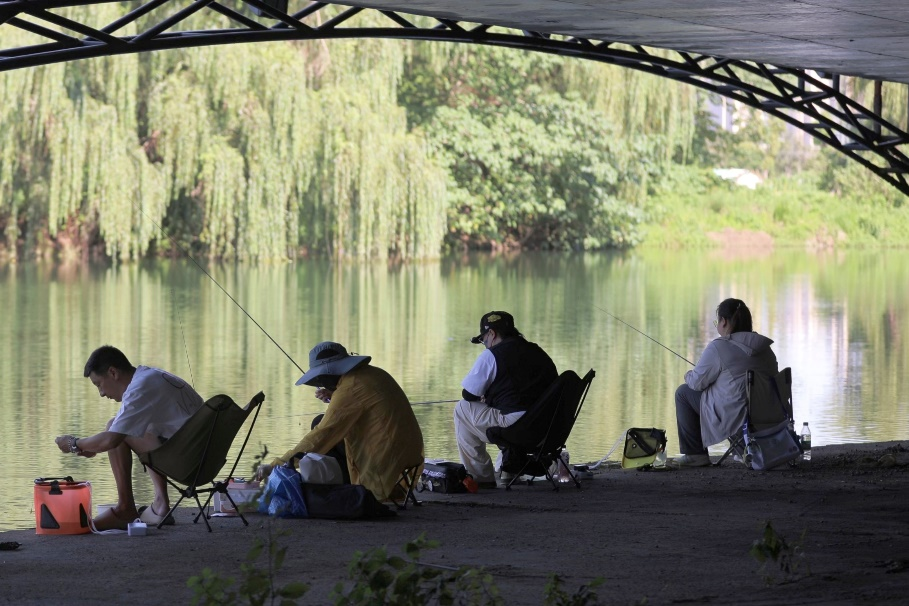
What drives this surge? For many young Chinese, fishing offers a rare antidote to the relentless noise of urban life. In a country where workdays are long, smartphones buzz incessantly, and social competition is intense, the simple act of sitting by still water provides a psychological sanctuary. Surveys show that stress relief is the primary motive for taking up fishing, cited by nearly 60 percent of new anglers—far ahead of socialising or catching food. Many work in high‑pressure sectors such as finance or technology; for them, a day on the bank is not about productivity but about reclaiming inner calm.
The appeal is not merely passive. Fishing works on the brain like a carefully designed reward system—long periods of quiet anticipation punctuated by sudden, thrilling strikes. This intermittent reinforcement creates a powerful cocktail of dopamine and adrenaline, making each catch feel earned and memorable. Unlike video games, where rewards are programmed, fishing offers genuine uncertainty; the fish may or may not bite, and that unpredictability keeps young enthusiasts hooked.
Yet the younger generation approaches fishing with a fundamentally different philosophy from their elders. Traditional anglers measured success by the weight of their catch—a utilitarian mindset rooted in food security. Today's youth prioritise experience over outcome. The practice of catch‑and‑release has gained wide acceptance; many keep only what they need and return the rest, reflecting a growing environmental consciousness. One young angler in Hangzhou remarked that even coming home empty‑handed does not spoil his mood—the pleasure lies in the scenery, the companionship, and the quiet rhythm of casting and waiting. This shift from "possession" to "experience" marks a cultural turning point.
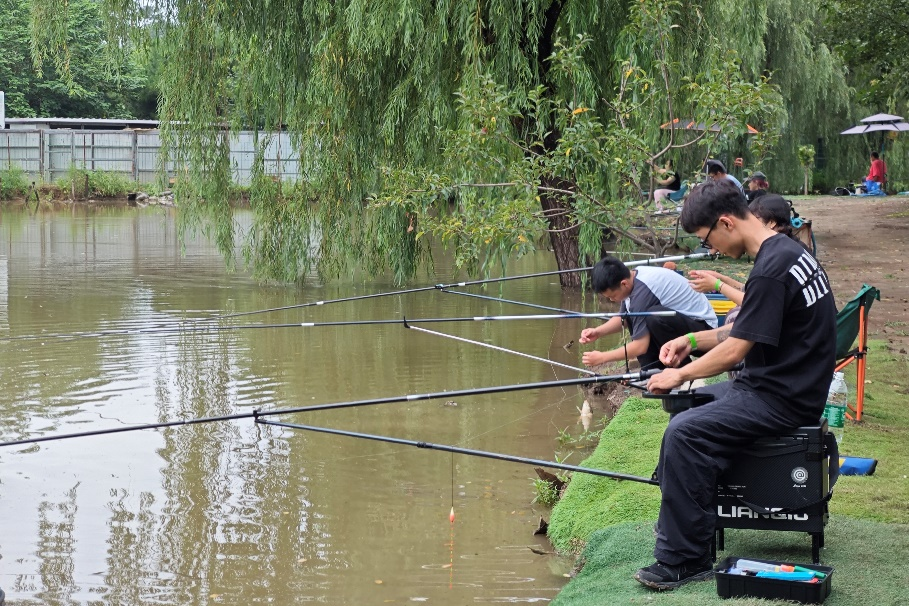
Diversification of fishing styles has also fuelled youth participation. Traditional bait‑and‑float fishing remains popular, but new methods have emerged to suit different tastes. Lure fishing, which uses artificial baits to mimic prey, demands constant casting and retrieval—an active, athletic style that appeals to those who dislike stillness. It has been likened to a form of water‑based golf for its blend of skill, strategy, and physical engagement. Micro‑angling, on the other hand, uses miniature rods to target small species in urban ponds and park canals. The equipment is cheap, the entry barrier low, and the settings often photogenic—perfect for social media sharing. At the opposite extreme, sea fishing attracts adventurers with higher budgets, offering the visceral thrill of battling powerful ocean fish.
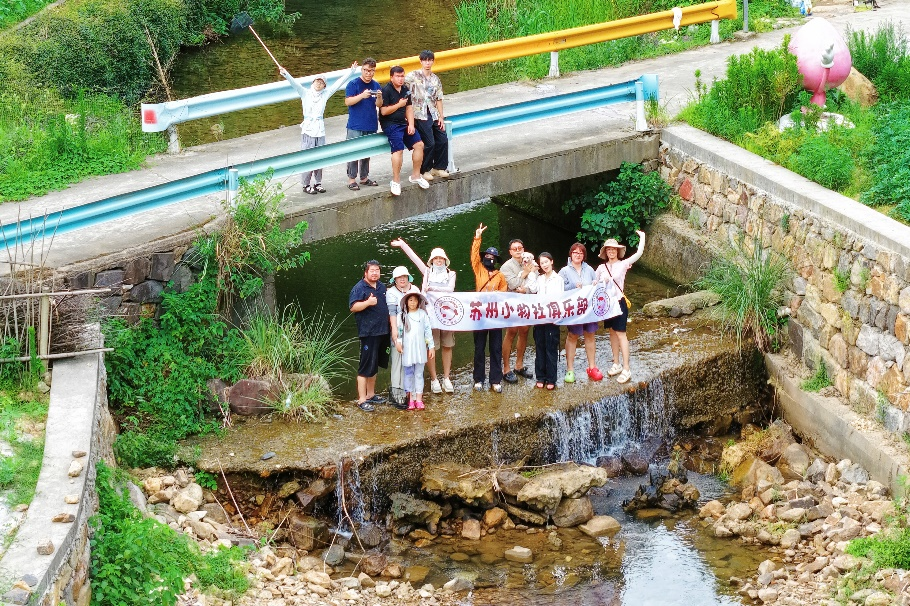
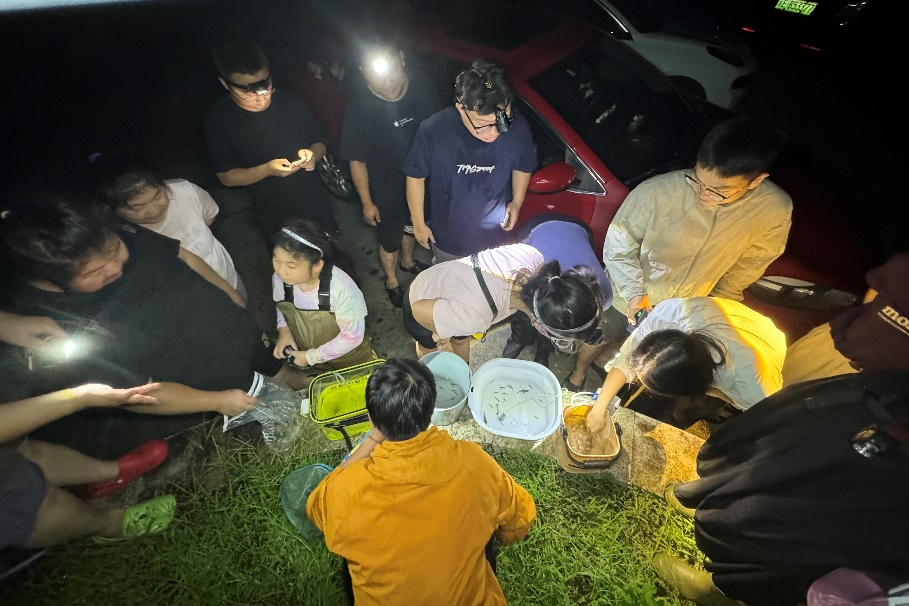
Fishing has also become a powerful social glue. Online communities and offline clubs have sprouted across the country, bringing together doctors, office workers, entrepreneurs, and artists. One Suzhou‑based club has over 500 members, most between 20 and 40, who organise friendly competitions, gear‑swap meets, and even creative challenges where teams fashion improvised rods from branches and bottles. Intercity contests foster a sense of belonging that transcends workplace hierarchies. On short‑video platforms, content related to fishing has generated hundreds of billions of views; live‑streamed fishing sessions attract audiences who may never hold a rod themselves but find vicarious relaxation in watching others. This digital ecosystem lowers the barriers for newcomers and turns a once‑solitary activity into a shared cultural spectacle.
The economic ripple effects are substantial. China already produces more than 80 percent of the world's fishing tackle, and domestic demand is soaring. By late 2023, the domestic market for rods, reels, lines, and accessories exceeded 50 billion yuan (roughly 7 billion US dollars), with projections nearing 60 billion yuan by 2026—a compound annual growth rate above 11 percent. Young anglers exhibit distinct spending habits: beginners keep costs modest, but those with three or more years of experience invest significantly more, averaging between 2,000 and 8,000 yuan per year on equipment, with dedicated hobbyists spending up to three times that amount.
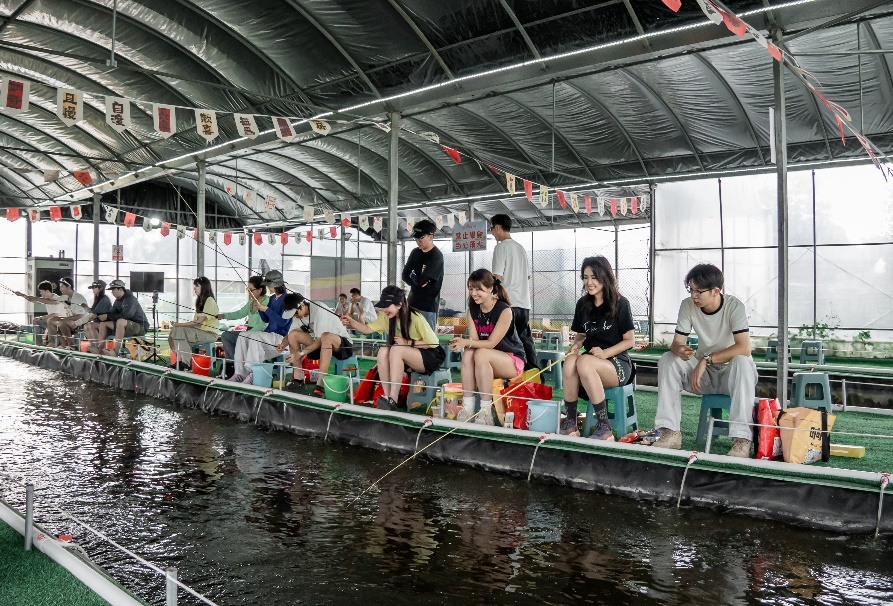
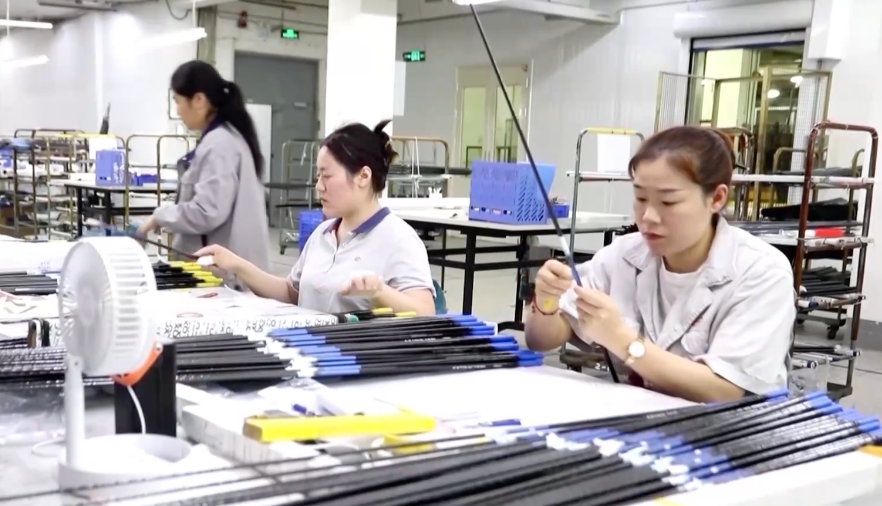
Beyond tackle sales, the "fishing‑plus" economy is flourishing. Resorts combine fishing with camping, hiking, and gourmet dining. Specialised tourism parks have created thousands of jobs. One scenic lake in Sichuan has hosted over a dozen international tournaments, generating billions in tourism revenue. Floating accommodations and fish‑themed restaurants attract predominantly young visitors, who often account for 30 to 50 percent of guests. Manufacturers are innovating with colourful, customisable rods, smart bite sensors, and GPS fish‑finders to help novices shorten the learning curve. In the coastal city of Weihai, a cluster of more than 5,000 fishing‑related enterprises produces hundreds of thousands of rods monthly, with engineering improvements making equipment lighter and stronger each year.
Of course, the boom is not without challenges. Some popular fishing spots face pressure from overuse, and tensions occasionally arise between anglers and other park users. Conservationists worry about depleted fish stocks in certain waterways, and the rapid expansion of commercial fishing facilities raises sustainability questions. There is also a critical view that "cloud fishing"—watching others online—may dilute the authentic connection to nature, turning the activity into mere performance. However, the angling community has shown growing self‑awareness. Many influencers promote ethical catch‑and‑release, respect for local regulations, and litter‑free practices. These negative aspects are real, but they have not diminished the overall enthusiasm; if anything, they have sparked constructive debates about how to keep the sport sustainable.
Ultimately, what we are witnessing is more than a passing fad. Fishing, one of humanity's oldest subsistence activities, is being reinvented by Chinese youth as a lifestyle choice—a form of therapy, a social bridge, and a statement of values. In a society that has raced through four decades of breakneck economic growth, many young people are now seeking balance. They are asking not just how to earn more, but how to live better. Fishing offers a practical answer: it forces a slowdown, reconnects urban dwellers with natural rhythms, and builds communities around shared patience rather than shared ambition.
The statistics—150 million anglers, nearly half under 45, a market approaching 100 billion yuan—are impressive. But they only hint at the deeper transformation. Behind each rod is a story of escape from digital overload, of friendship forged on riverbanks, of quiet victories over one's own restlessness. Whether casting a lure into the ocean or a tiny hook into a city pond, China's young anglers are rediscovering an ancient truth: that sometimes the most productive thing you can do is to wait, watch, and let the water teach you its own slow wisdom. And in that waiting, they find not boredom, but a rare and precious freedom.

