


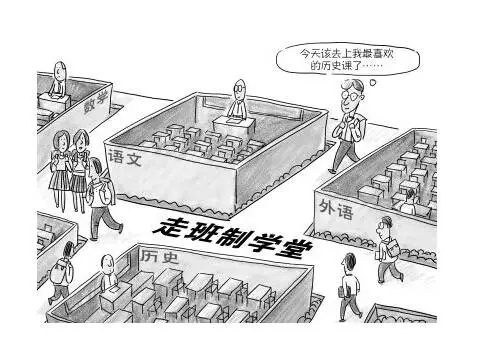
Since the implementation of the new “3+1+2” college entrance examination model, the subject-based flexible class teaching system has broken the traditional fixed-class teaching mode. It adheres to the concept of teaching students in accordance with their aptitude and supports students’ personalized development, serving as a key measure for senior high school education reform. However, in grassroots implementation, prominent problems such as structural teacher shortages and uneven distribution of educational resources have emerged. These issues lead to unstable teaching quality and limited reform effects, triggering widespread public discussions and hindering the in-depth advancement of the new college entrance examination reform.
Dual Problems of Teacher Shortages and Resource Imbalance
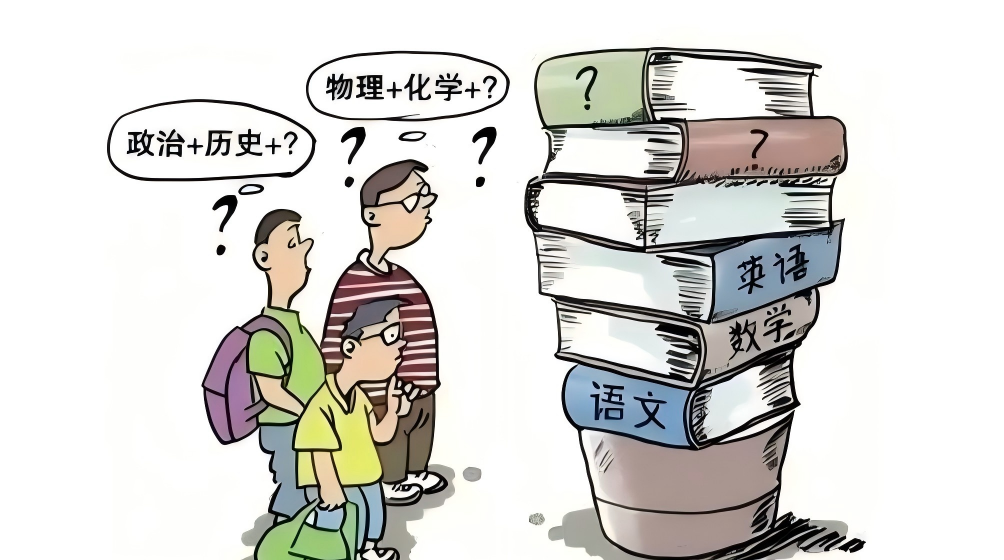
The core dilemmas of current subject-based flexible class teaching lie in the mismatched supply and demand of teachers and the unbalanced resource allocation between urban and rural as well as inter-school institutions. Influenced by university major admission policies and employment prospects, students tend to choose subjects utilitarianly, resulting in a polarized distribution of subject choices and a tidal imbalance in teacher resources. Popular subjects such as physics and chemistry see a sharp surge in elective students, leading to oversized classes in most schools. Teachers are overloaded with work and unable to carry out stratified teaching and personalized tutoring, resulting in a serious lack of refined teaching. In contrast, subjects like politics and history have far fewer elective students, leaving teachers in these disciplines with insufficient class hours and idle resources, which causes a severe imbalance in the overall utilization of teaching staff.
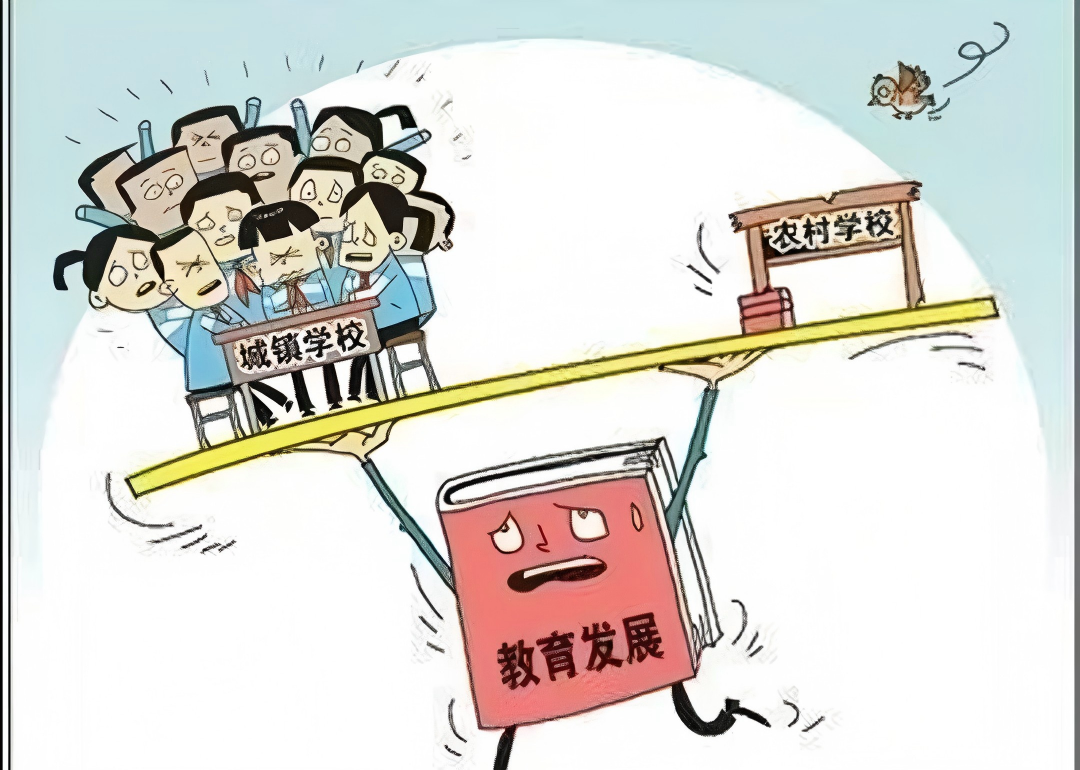
Meanwhile, the urban-rural gap in hardware and software resources continues to exacerbate reform shortcomings. Key urban senior high schools are equipped with sufficient classrooms, complete facilities and intelligent timetabling systems, covering all subject combinations and fully meeting students’ elective needs. In comparison, county and township senior high schools suffer from weak hardware conditions and shortages of classrooms, laboratories and teaching equipment, making it difficult to support synchronous flexible teaching for multiple classes. Most grassroots schools have to reduce optional subject combinations and restrict students’ subject choices, weakening the personalized educational value of the flexible class system. In addition, mobile flexible teaching leads to fragmented class management, weakened students’ sense of belonging, and increased difficulties in learning status tracking and daily management, further reducing teaching and educational effectiveness.
Overlapping Restrictions of Backward Mechanisms and Supply-demand Mismatch
The sluggish progress of flexible class teaching results from the poor adaptation of teacher allocation, resource coordination and management systems to the new college entrance examination reform. Firstly, the traditional teacher allocation model is rigid and lagging. The current staffing and post allocation of senior high school teachers are formulated based on the traditional liberal arts and science division, forming a fixed teacher structure. Although the new reform has broken the traditional discipline pattern, the adjustment and recruitment of teachers involve cumbersome procedures and long cycles, failing to quickly adapt to students’ dynamic subject selection needs and resulting in structural contradictions of teacher shortage in some disciplines and surplus resources in others.
Secondly, the mechanism for balanced educational resources is imperfect. For a long time, high-quality teachers, funds and equipment have been concentrated in urban elite schools, leaving county and township senior high schools with weak foundation. Restricted by geographical conditions, salary levels and development platforms, grassroots schools struggle to recruit and retain backbone teachers for shortage disciplines, leading to lagging teacher team construction. Meanwhile, some schools and parents blindly pursue popular subjects and guide students to choose subjects in a clustered manner, further aggravating the supply-demand imbalance of disciplinary teachers.
Finally, supporting management systems are underdeveloped. Flexible class teaching greatly increases teachers’ workload in lesson preparation, tutoring and learning data statistics, yet most schools have not optimized the corresponding assessment and incentive mechanisms. Extra work lacks special subsidies and recognition, causing heavy work pressure and low teaching enthusiasm among teachers. In addition, grassroots schools lag behind in digital management systems, with imperfect intelligent timetabling and learning tracking functions that cannot meet the complex management needs of flexible teaching, thus exacerbating teaching management chaos.
Targeted Policies Boost the Positive Development of Reform
To address the practical difficulties of subject-based flexible class teaching, local education authorities and schools have implemented targeted rectification and optimization measures in teacher allocation, resource balancing and management upgrading, promoting steady improvement of the new college entrance examination education reform and achieving an overall positive development trend.
In terms of teacher optimization, regions have fully implemented the “county-based school-employed” teacher management mechanism, breaking inter-school teacher barriers and coordinating county-level teacher resources. Surplus teachers are transferred to shortage posts to revitalize existing teaching resources. Meanwhile, authorities simplify the recruitment process for shortage disciplines, increase the introduction of teachers for science and engineering subjects, and carry out regular interdisciplinary training to improve teachers’ comprehensive teaching capabilities. The assessment and incentive system is optimized with special subsidies for flexible teaching and improved workload evaluation standards to fully mobilize teachers’ initiative.
In terms of resource balancing, educational policies and funds are tilted toward county and township senior high schools to make up for hardware deficiencies in teaching venues and experimental equipment. High-quality teacher and curriculum resources are shared across schools through paired assistance between urban and rural schools, teacher rotation exchanges and online synchronous classrooms, narrowing the urban-rural education gap. In addition, schools strengthen scientific subject selection guidance to help students abandon utilitarian thinking and make rational choices based on personal interests, academic strengths and career plans, balancing the number of students in each subject and alleviating teacher supply-demand pressure.
In terms of management upgrading, schools have popularized intelligent teaching management systems to accurately coordinate subject selection, timetabling and venue arrangement, improving the efficiency of flexible teaching. A dual-head-teacher system is implemented to manage both administrative and teaching classes, refining learning tracking, daily management and home-school communication to make up for the shortcomings of flexible teaching management. With the continuous implementation of various measures, problems such as teacher imbalance and resource inequality have been gradually alleviated. The standardized development of flexible class teaching has further realized the original intention of personalized education, promoting high-quality and balanced development of senior high school education.

