


Public Backlash Behind the Gimmick of "Authentic Performance"
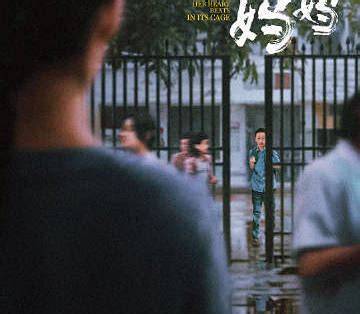
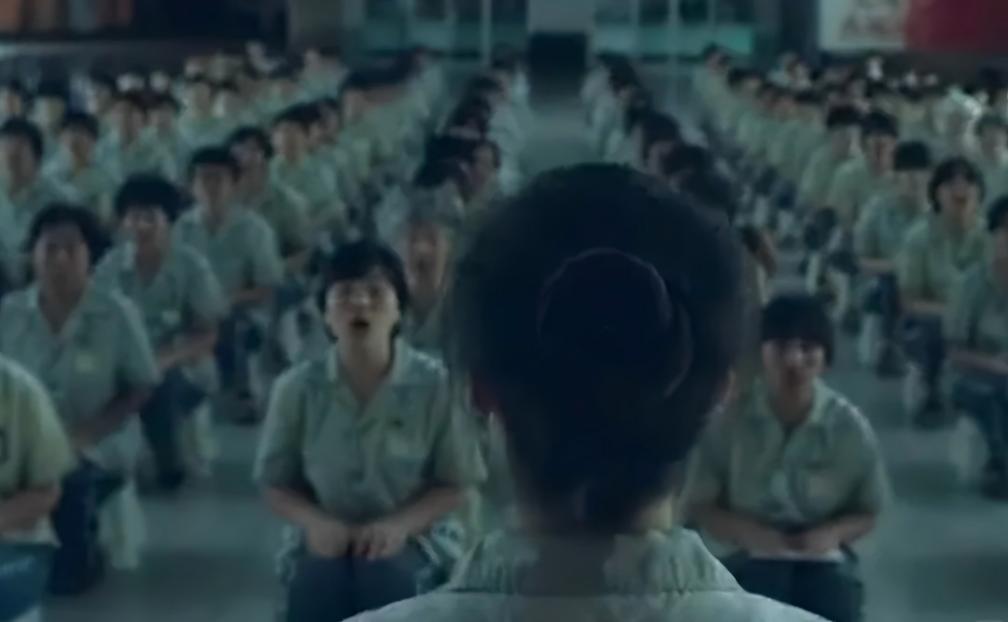
The realistic film "Mom from Prison", originally scheduled for release, gained widespread attention with its promotional selling point of "adapted from a real case and starring the actual person involved", and even won the Best Actress award at an international film festival with its warm redemption narrative. However, as public opinion fermented, the authenticity of the film's main creators and plot was completely refuted, triggering a nationwide controversy. The film was ultimately urgently withdrawn from release, and relevant authorities launched an investigation.
Zhao Xiaohong (stage name Zhao Xiaohong), the lead actress of the film, publicly claimed to have ten years of prison experience, portraying a tragic woman who was imprisoned after suffering domestic violence and fighting back. The film also tells the story of her repairing family ties and achieving self-redemption after her release from prison. However, netizens sorted out public judicial documents and found that the real case was seriously inconsistent with the film's narrative. Zhao Xiaohong had a dispute with her husband over trivial family matters, stabbed him to death with a knife, and was sentenced to 15 years in prison. There was no judicially recognized domestic violence, and her so-called "domestic violence resistance" persona was completely fictional. After two commutations, she actually served more than 11 years in prison. During the filming of the film, she was still in the period of deprivation of political rights and was suspected of illegally participating in commercial film and television shooting. After the facts were exposed, the film's cloak of tragic redemption was completely shattered, and public opinion heated up rapidly, becoming a typical film and television ethical controversy of the year.
The Dual Dilemma of Narrative Falsification and Ethical Disorder
The core of this controversy is not simply a dispute over the film's content, but the dual problems of the anomie of creative adaptation based on real events and the breakdown of industry ethics, which are concentrated in two aspects: narrative fraud and ethical imbalance.
At the narrative level, the film deliberately tampered with judicial facts to create false empathy. The bottom line of creating works adapted from real events is to respect judicial conclusions and objective facts. However, in order to cater to the public's emotional resonance with women's predicament and the anti-domestic violence issue, the film crew deliberately fabricated domestic violence plots, packaging an intentional injury criminal case into a tragic story of a vulnerable woman resisting violence. By glorifying the criminal and obscuring the nature of the case, it constructed a highly incendiary redemption narrative, which not only misled the public's understanding of the truth of the case, but also ignored and weakened judicial authority, reversing the basic boundary between good and evil.
At the ethical level, the film has multiple problems of industry anomie. First, the selection of actors broke the bottom line of rules. Employing a prisoner who was still in the period of restricted rights as the lead actress violated the principles of penalty execution and industry norms, and trivialized the judicial seriousness of punishment and reform. Second, it deliberately exploited social suffering, using popular social issues such as anti-domestic violence and women's redemption to hype for traffic, and used false tragic stories to gain awards and attention. This not only profaned the seriousness of the anti-domestic violence issue, but also failed the social empathy for real domestic violence victims. Third, false narratives are likely to form an adverse public opinion orientation, output one-sided values relying on fictional stories, exhaust public goodwill, and cause adverse industry and social impacts.

Uphold the Bottom Line of Creation and Respect the Law and Original Aspiration
The fiasco of "Mom from Prison" has sounded the alarm for the creation of domestic realistic films and television works, exposing the chaos of "traffic first and excessive creation" in the industry, which deserves in-depth reflection from the entire industry and society.
First of all, the creation of works adapted from real events must adhere to the bottom line of facts. Artistic creation allows reasonable artistic processing, but it must never tamper with core facts or glorify illegal acts. Film and television creation, especially judicial and realistic case themes, must be based on judicial documents and objective facts, resolutely put an end to fabricating plots and confusing right and wrong for the sake of dramatic effect and traffic popularity, and always respect judicial authority and adhere to the bottom line of truth.
Secondly, the film and television industry needs to build a solid ethical code and abandon the utilitarian creative thinking. Capital profit-seeking cannot override morality and law. The industry should clarify the standards for actor selection and the boundaries of theme creation, and strictly prohibit exploiting suffering, glorifying crimes, and creating false empathy. Film and television works bear the social responsibility of value guidance. Only by being based on reality and conveying positive values can we truly achieve the unity of artistic value and social value.
Finally, the regulatory level needs to improve the full-process review mechanism. Relevant authorities should strengthen the full-chain review of filing, shooting and release for works adapted from real events, strictly verify the authenticity of the plot and the compliance of the main creators' identities, severely crack down on film and television creations that tamper with facts and violate public order and good customs, and improve the punishment mechanism to force the standardized development of the industry. At the same time, the public should also improve their media literacy, refuse to be coerced by sensational and false narratives, rationally view the gimmick of "adapted from real events", and let works with false traffic and disordered narratives lose their living space.
In a word, the core of film and television creation is to convey truth, goodness and beauty, not to create false tragedy and exhaust social goodwill. Only by adhering to the bottom line of facts, abiding by ethical original aspirations, and respecting laws and regulations can the film and television industry get rid of the chaos of traffic and achieve healthy and long-term development.

