


Located in the central part of the Shandong Peninsula and on the southern bank of Laizhou Bay in the Bohai Sea, Shouguang, a small city under the jurisdiction of Weifang, does not boast the grandeur of famous mountains and rivers. However, it has leveraged "one vegetable" to drive a 100-billion-yuan industry, rewritten the history of vegetable cultivation in China, and become a benchmark for protected agriculture worldwide. Since being recognized as the "Hometown of Vegetables in China" by the Rural Development Research Center of the State Council in 1995, Shouguang has spent more than 40 years of intensive cultivation, transforming barren saline-alkali land into a high-yield "vegetable basket". It has made "Shouguang Vegetables" a world-renowned Chinese agricultural brand and blazed a distinctive development path of "revitalizing vegetables through science and technology, strengthening vegetables through brands, and enriching people through the vegetable industry". With vegetables as the medium, it connects the whole country and empowers global dining tables.
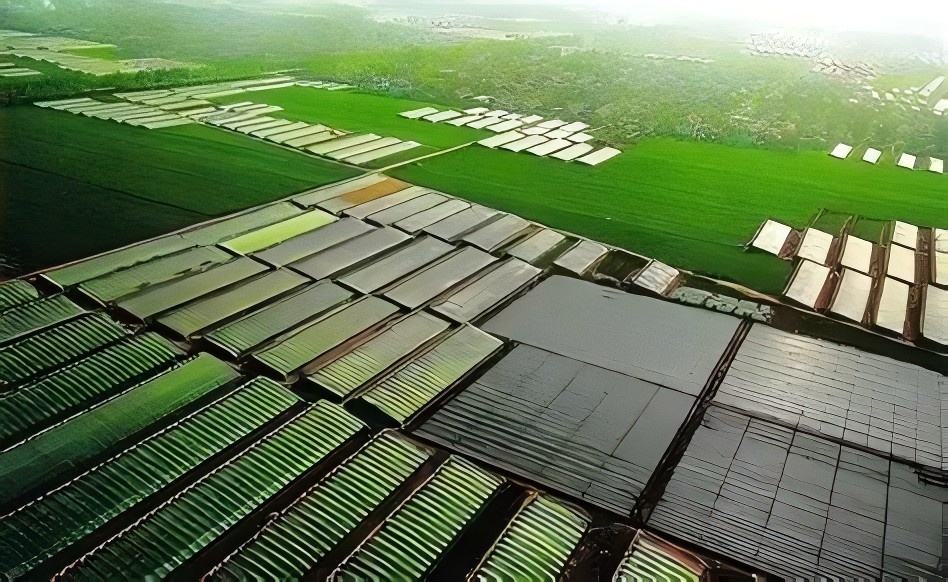
Origin and Breakthrough: Winter Warm Greenhouses Rewrite the History of No Fresh Vegetables in Northern China
The vegetable legend of Shouguang began with a pioneering technological breakthrough. In the 1980s, vegetables were scarce in northern China in winter, and radishes and Chinese cabbages were the mainstay on people's dining tables all year round. Fresh vegetables from the south were difficult to transport northward. In 1989, 17 cucumber greenhouses in Sanyuanzhu Village, Shouguang, took the lead in successfully trial-planting winter warm vegetable greenhouses, breaking the thousand-year-old predicament of "no fresh vegetables in northern China in winter" and sowing the first seed for the rise of the industry.
This breakthrough was no accident. Shouguang is located in the alluvial plain of the Yellow River Delta, with fertile soil, abundant sunlight, and convenient irrigation due to its geographical advantage adjacent to the Bohai Sea. The unique natural conditions have laid a solid foundation for vegetable cultivation. The pragmatism and innovation in the bones of Shouguang people have fully released this advantage. After the promotion of winter warm greenhouse technology, farmers have successively engaged in planting, developing from scattered small greenhouses to large-scale clusters. Today, 157,000 vegetable greenhouses stand in rows, with an annual output of more than 4.5 million tons of vegetables, which can meet the annual consumption demand of about 40 million people. Since then, Shouguang has embarked on the road of "prospering the city through vegetable planting".
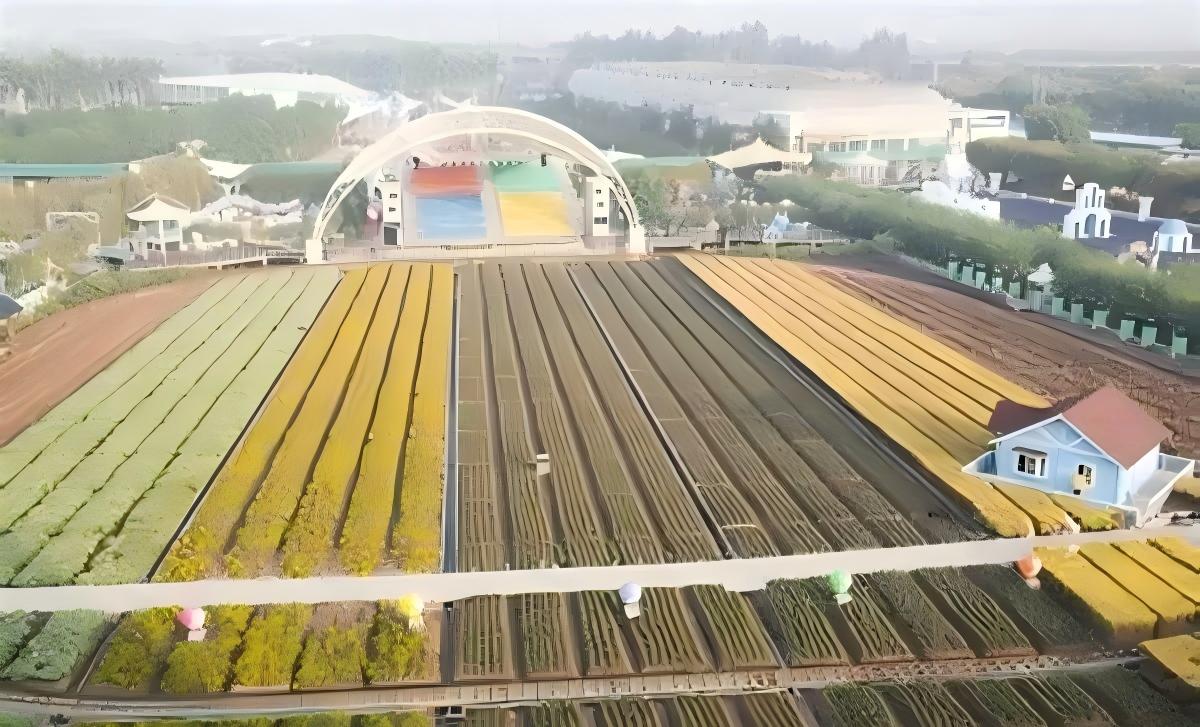
Technology Empowerment: Seed Industry Breakthrough, Unlocking the New Code of Intelligent Planting
If winter warm greenhouses are the "foundation for survival" of Shouguang vegetables, scientific and technological innovation is their "soul for development". Once upon a time, foreign vegetable seeds were expensive, restricting farmers' development. To solve the problem of the "seed chip", Shouguang has continuously introduced supportive policies for the seed industry since 2012, comprehensively laid out the entire industrial chain R&D of breeding, propagation and promotion, and gradually realized the leap from "introducing seeds" to "breeding seeds".
Today, Shouguang has become an important highland for vegetable seed R&D and promotion in China, gathering 12 national-level scientific research platforms, more than 40 universities and research institutes, and R&D centers of more than 70 domestic and foreign seed enterprises. Every year, more than 3,000 new vegetable varieties are tested, with 257 independently developed varieties. The annual seedling breeding capacity exceeds 1.8 billion plants, driving the market share of domestic vegetable seeds to more than 70%. New technologies such as space breeding and intelligent molecular design breeding are widely used, with the Internet of Things application rate exceeding 80%. Mobile phones have become "new agricultural tools", and technologies such as intelligent temperature control and integrated water and fertilizer management have made vegetable planting "precision-oriented and labor-saving", completely subverting the appearance of traditional agriculture.
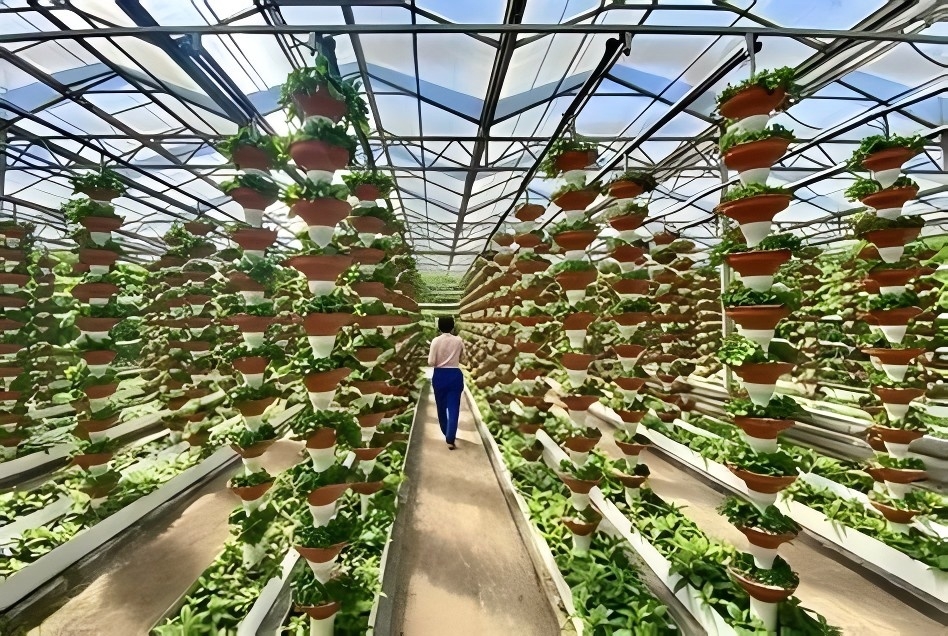
Whole Industry Chain Cultivation: Integration of Production, Transportation and Sales, Consolidating the Foundation of the National "Vegetable Basket"
The influence of Shouguang vegetables lies not only in "being well-grown", but also in "being sold far and stably". After decades of development, Shouguang has built a closed industrial chain of "seed-seedling-planting-harvesting-processing-transportation-sales", formed a three-dimensional circulation pattern of "leading large market + village-level small market + cooperative", and become the largest vegetable production and distribution center in China.
At present, Shouguang has 123 cold storage facilities, 80 cold chain logistics enterprises, and 395 cold chain transport vehicles, forming a modern cold chain system. Every day, 15,000 tons of vegetables are sold to more than 200 cities across the country, with an annual transaction volume stable above 9 million tons, realizing "picked today, on the table tomorrow". The price of Shouguang Agricultural Products Logistics Park has become the "weather vane" for national vegetable pricing, which can effectively stabilize market fluctuations. At the same time, the e-commerce model of "industrial belt + base + new farmers + live broadcast" has enabled Shouguang vegetables to be sold overseas. The export volume of carrots alone accounts for more than 60% of the national total, making them a "hard currency" in the global vegetable market.
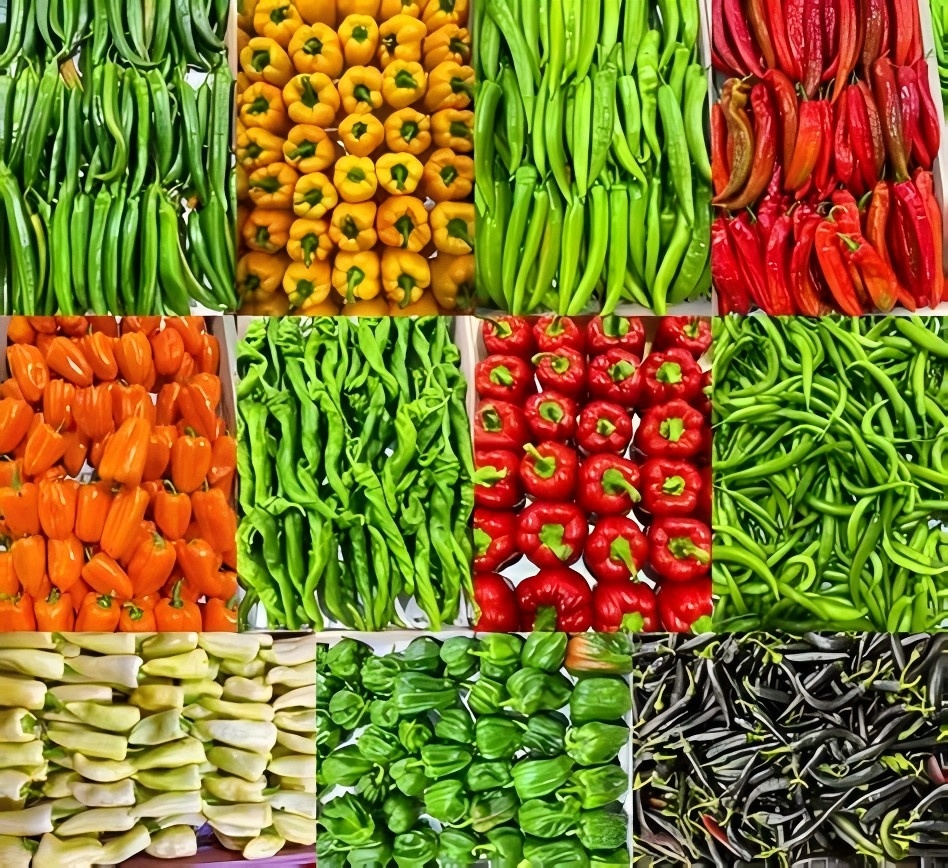
Brand Building for the City: Quality as the Core, Realizing Brand-driven Agriculture and Prosperous Farmers
The reason why "Shouguang Vegetables" can become a well-known brand lies in its adherence to "quality first". Shouguang has established a strict quality supervision system, realizing full-process traceability from planting to sales, so that every vegetable has an "ID card". Green planting models such as bumblebee pollination, natural enemy control, and zero-emission water and fertilizer recycling have made Shouguang vegetables synonymous with "safety, health and high quality".
In 2019, "Shouguang Vegetables" registered a collective geographical indication trademark; in 2021, the regional public brand was officially released, driving the rise of enterprise brands such as "Cuixi Yipin" and "Colorful Manor", and characteristic varieties such as Guihe celery and Gucheng tomato are well-known across the country. In 2024, Shouguang added 16 national famous, special, high-quality and new agricultural products and green foods, and 11 agricultural and fishery products were included in the China Agricultural Cultivation and Product Memory Index List. Brand upgrading has not only increased the added value of products, but also enabled farmers to reduce costs and increase income, truly realizing "prospering agriculture through brands and enriching farmers through quality".
Model Output: From Shouguang Green to Global Green, Sharing Agricultural Development Experience
Shouguang's responsibility lies in exporting mature technologies and development models while developing itself. Today, more than half of the newly built vegetable greenhouses in the country have "Shouguang elements". More than 8,000 technical personnel have been guiding production in 16 provinces, autonomous regions and municipalities directly under the Central Government all year round, and 72 standardized bases have been recognized to help rural revitalization.
This sharing has further expanded to the world. Shouguang enterprises have built 272 modern planting parks in more than 40 countries and regions. From the "chimney-type" greenhouses in Romania to the high-temperature-resistant greenhouses in Dubai, the "Chinese greenhouses" have solved planting problems in different regions. More than 30,000 post-80s, post-90s and post-00s new farmers have joined in, making the "Shouguang Model" a "Chinese plan" for global agricultural modernization, allowing Shouguang green to decorate the world's dining tables and continue the glorious chapter of the Hometown of Vegetables in China.

