


Nestled within the intricate tapestry of Chinese culinary heritage lies a name that evokes the warmth of home, the sweetness of tradition, and the delicate artistry of a bygone era: Daoxiangcun. Translated poetically as “the fragrant village of rice,” this is not merely a brand but a living chronicle, a century-old custodian of taste that has perfected the craft of creating traditional Chinese pastries. For a foreign visitor venturing into the vibrant, often overwhelming landscape of China’s food culture, Daoxiangcun offers a gentle and delightful introduction. Its shopfronts, often adorned with elegant calligraphy and wooden décor, serve as portals to a world where every cake, every pastry, is a miniature embodiment of history, symbolism, and meticulous craftsmanship.
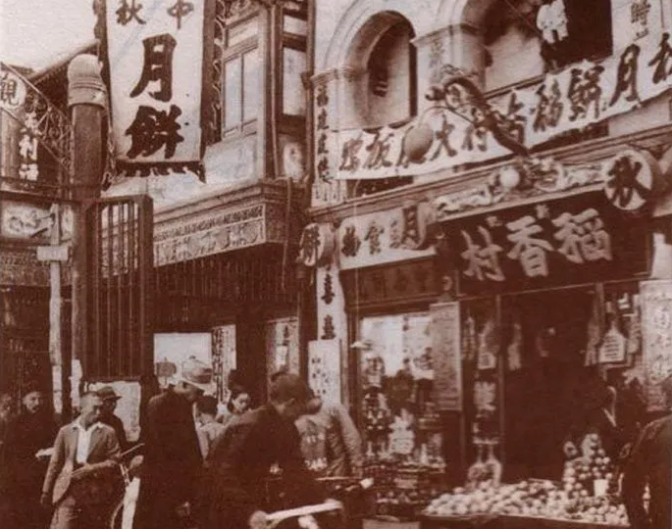
The story of Daoxiangcun begins not in a corporate boardroom, but in the bustling capital during the late Qing Dynasty. Its founding in 1895, under the reign of the Guangxu Emperor, anchors it in a period of profound change, making it a witness to China’s dramatic journey into the modern world. The very name, inspired by the idyllic imagery from classical poetry, speaks of an agrarian ideal—a village surrounded by fields of ripe grain, their scent carried on the wind. This foundational poetry is key to understanding its ethos. In a culture where food is deeply intertwined with philosophy and literature, Daoxiangcun’s creations are more than sustenance; they are edible poems. They seek to capture the essence of nature’s bounty and the Confucian values of harmony and balance. The pastries are designed to please all senses: the eyes with their intricate patterns and golden hues, the nose with their subtle, layered aromas, and the palate with their refined sweetness and varied textures.
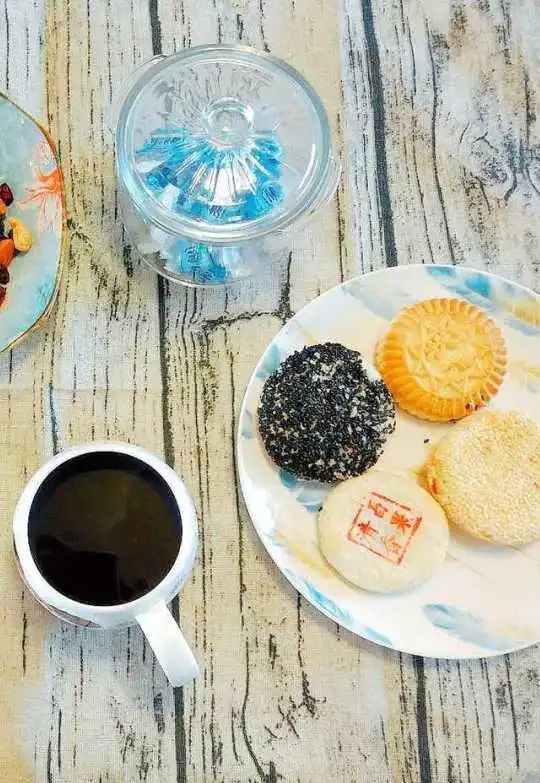
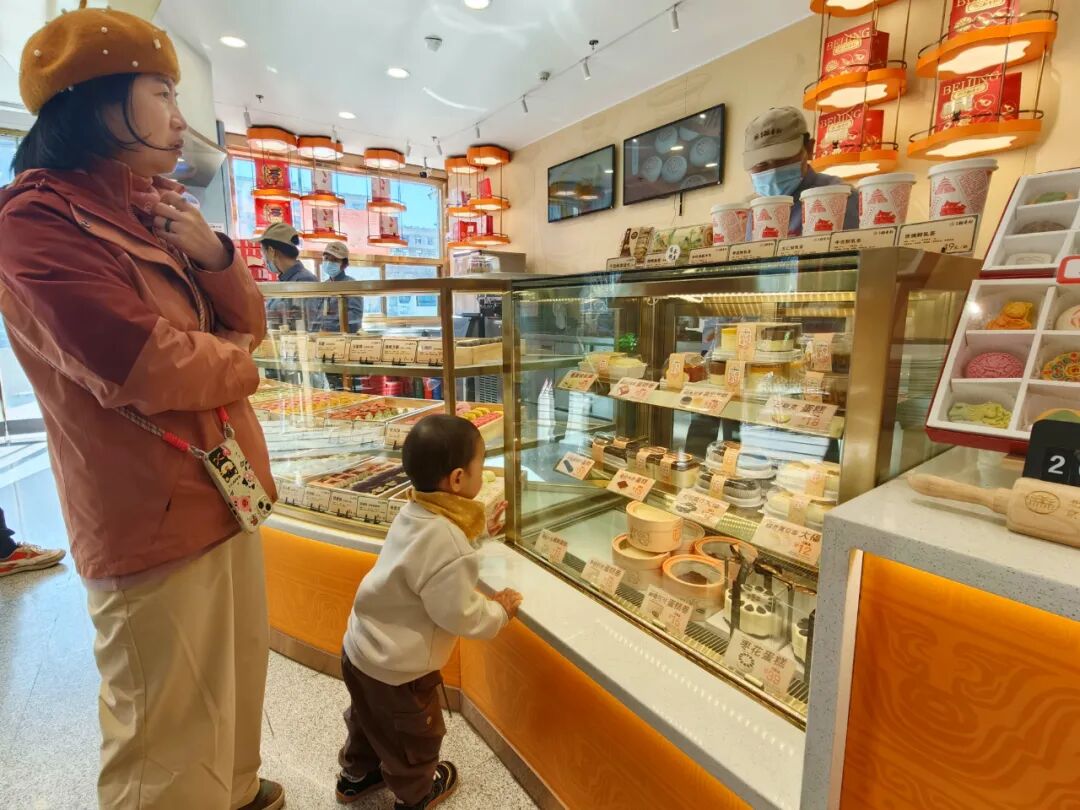
Walking into a Daoxiangcun store is an experience in sensory curation. The air is faintly sweet, carrying whispers of toasted flour, roasted nuts, and the comforting scent of sesame oil. Instead of flashy, brightly colored confections, the displays present an array of pastries in elegant, earthy tones—golds, ambers, and browns, often punctuated by the white of powdered sugar or the dark gleam of dates. The shapes are symbolic: perfect rounds for unity and completeness, crescents for the moon and tranquility, or intricate floral patterns wishing for prosperity and growth. One of the most iconic offerings, and a perfect starting point for the uninitiated, is the Suzhou-style Mooncake. While mooncakes are traditionally associated with the Mid-Autumn Festival, Daoxiangcun has elevated them to a daily art form. Their signature version features a flaky, myriad-layered crust that shatters delicately at the touch, giving way to a sweet, dense filling of red bean paste. The magic lies in the crust—hundreds of paper-thin layers created through a labor-intensive process of repeatedly folding and rolling oiled dough, a technique that requires the steady hand and patient heart of a master baker.

Equally representative is the Walnut Cake, a humble-looking yet profound delight. This small, round cake is densely packed with finely chopped walnuts, held together with just enough maltose and honey to bind them. The first bite is a revelation: a robust, toasty nuttiness dominates, followed by a clean, not cloying, sweetness. It is a celebration of texture and the pure, unadulterated flavor of a prime ingredient. Then there is the Sweetened Osmanthus Cake, a delicate, jelly-like confection that embodies ethereal subtlety. Made from glutinous rice flour and infused with the perfume of osmanthus flowers, it is steamed rather than baked, resulting in a translucent, slightly chewy texture. The flavor is floral and gentle, a fragrant whisper on the tongue that evokes images of autumn gardens. For those who prefer a savory note, the Pork Mooncake or Savoury Pastry offers a fascinating contrast. Encased in the same flaky pastry, the filling is a savory mixture of minced pork, spring onions, and spices, creating a hearty, satisfying taste that beautifully balances the shop’s sweeter offerings.
The genius of Daoxiangcun lies in this balance and its deep connection to seasonal rhythms and Chinese symbolism. The ingredients are deliberate. Red beans symbolize or longing, often used in pastries meant for loved ones. Lotus seeds signify harmony and fertility. Nuts and seeds represent vitality and health. During the Dragon Boat Festival, one might find Zongzi, glutinous rice dumplings wrapped in bamboo leaves, and for the Lunar New Year, the Nian Gao or New Year cake, promising a higher, sweeter year ahead. This cyclical menu ties the act of eating to the calendar and to family traditions, making Daoxiangcun an integral part of domestic life and ceremonial occasions. The preparation methods are themselves a heritage. Much of the work remains manual. Masters weigh ingredients by instinct, judge dough consistency by touch, and bake in traditional ovens where temperature is controlled by experience rather than digital readouts. The folding, shaping, and stamping of patterns are done by hand, each pastry bearing the faint, unique imprint of its maker.
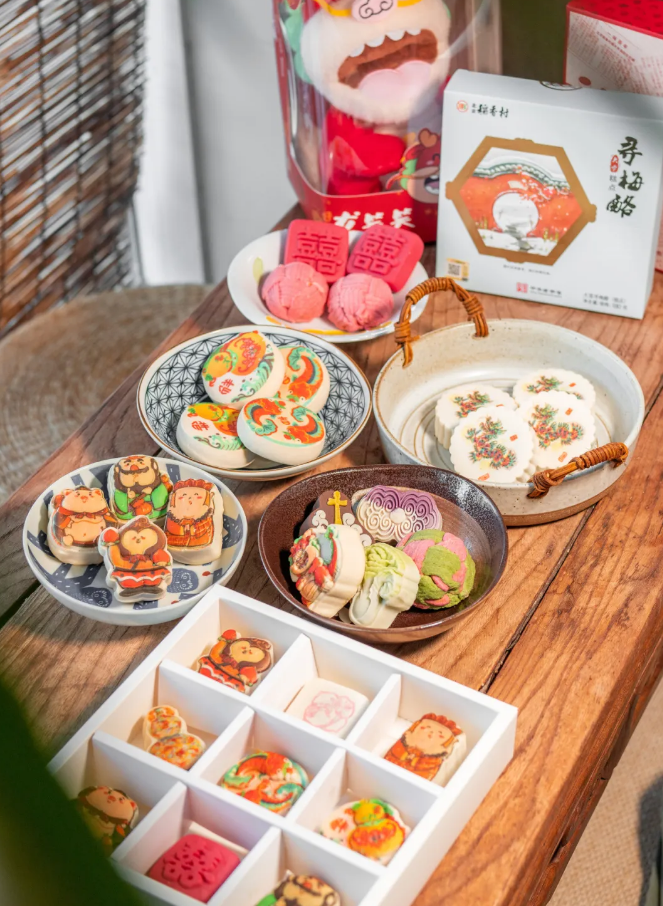
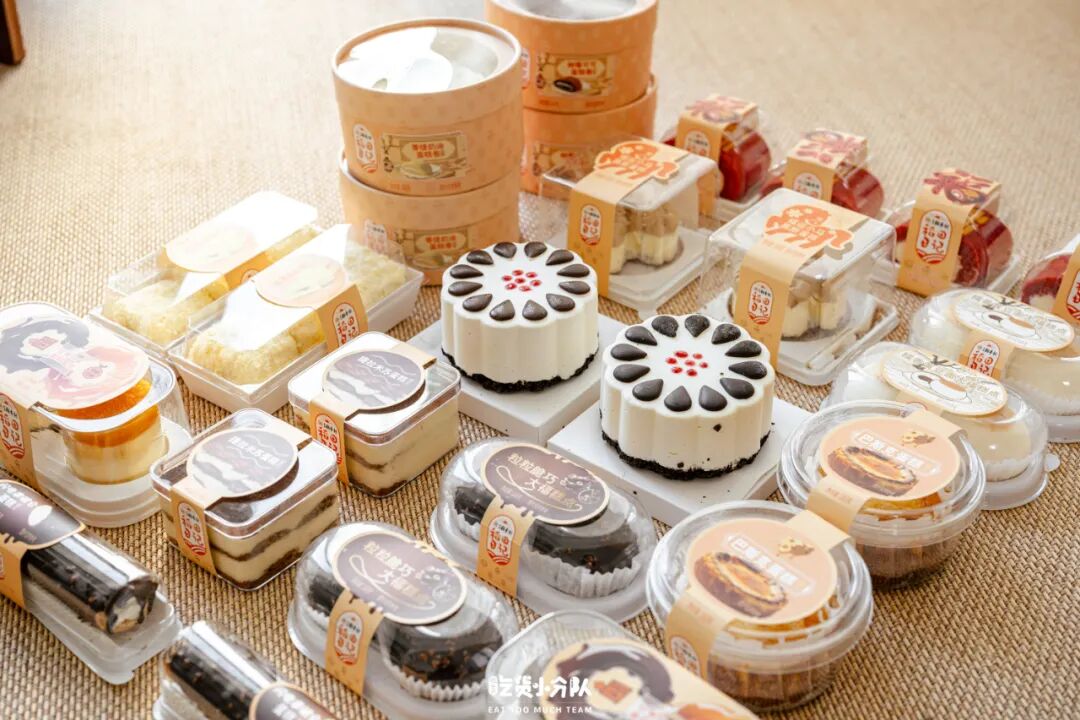
As China accelerated into the 21st century, Daoxiangcun faced the challenge of modernity. Could a brand rooted in late-imperial craftsmanship survive in an era of mass production and fast-moving consumer trends? The answer has been a careful, respectful adaptation. While core techniques are preserved, the environment has evolved. Daoxiangcun stores now exist in sleek shopping malls and busy airport terminals, their packaging modernized to ensure freshness and appeal. They have innovated cautiously, introducing lower-sugar versions to meet contemporary health concerns, or creating elegant gift boxes that blend traditional motifs with modern design sensibilities. Yet, the soul remains unchanged. They have resisted the temptation to overly westernize their flavors. A Daoxiangcun pastry still tastes distinctly, unequivocally Chinese. This integrity has earned it a revered status. It is not just a shop; it is an institution. Locals queue not for a trendy dessert but for a taste of authentic, guaranteed quality—a box of pastries to bring to a family gathering, a gift for an esteemed friend, or a personal treat that connects them to a shared cultural memory.
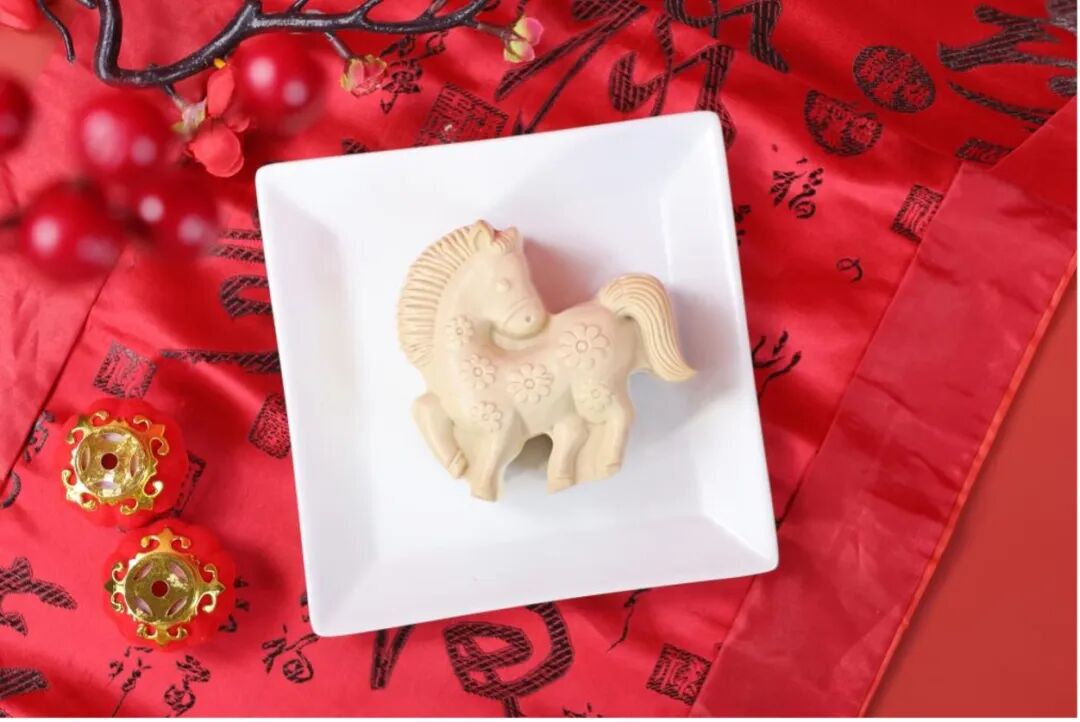
For a foreigner, appreciating Daoxiangcun is an exercise in understanding a different culinary philosophy. Western pastries often revel in richness—butter, cream, and chocolate delivering immediate, bold satisfaction. Daoxiangcun’s creations, in contrast, speak the language of subtlety and aftertaste. The sweetness is restrained, allowing the natural flavors of beans, grains, nuts, and flowers to shine through. The textures are diverse and considered: the crunch of a seed, the melt-in-the-mouth quality of a fine crust, the pleasant chew of glutinous rice. Eating one of these pastries with a cup of delicate green tea, such as Longjing or Jasmine, is the recommended ritual. The tea cleanses the palate between bites, allowing each subtle note to be fully appreciated, turning a simple snack into a meditative experience.
Ultimately, Daoxiangcun is a keeper of time. In its ovens, the scent of history continues to bake. Each walnut cake holds within it the patience of generations; each layer of a Suzhou mooncake unfolds like a page from an old manuscript. It represents a China that values continuity, that finds beauty in the seasonal cycle, and that expresses deep emotions—respect for elders, longing for home, wishes for good fortune—through the graceful medium of food. To taste Daoxiangcun is to take a bite out of a living, breathing culture. It is an invitation to slow down, to savor, and to understand that in this “fragrant village,” the most enduring recipes are those that blend skilled hands with a poetic heart, offering not just nourishment for the body, but a sweet, enduring comfort for the soul. It stands as a delicious testament to the fact that some traditions, no matter how old, never lose their flavor, but only grow more profound and essential with the passing years.

