


In the bright galaxy of Chinese intangible cultural heritage, shadow puppetry uses light and shadow as the medium and puppets as the characters, carrying thousands of years of folk memory and artistic wisdom. As an ancient form of folk opera, it integrates modeling, performance, singing and narration, interpreting joys and sorrows behind the screen, and is a cultural treasure passed down from generation to generation. In 2011, Chinese shadow puppetry was included in the Representative List of the Intangible Cultural Heritage of Humanity. This recognition has promoted the ancient art to gain new vitality in the new era.
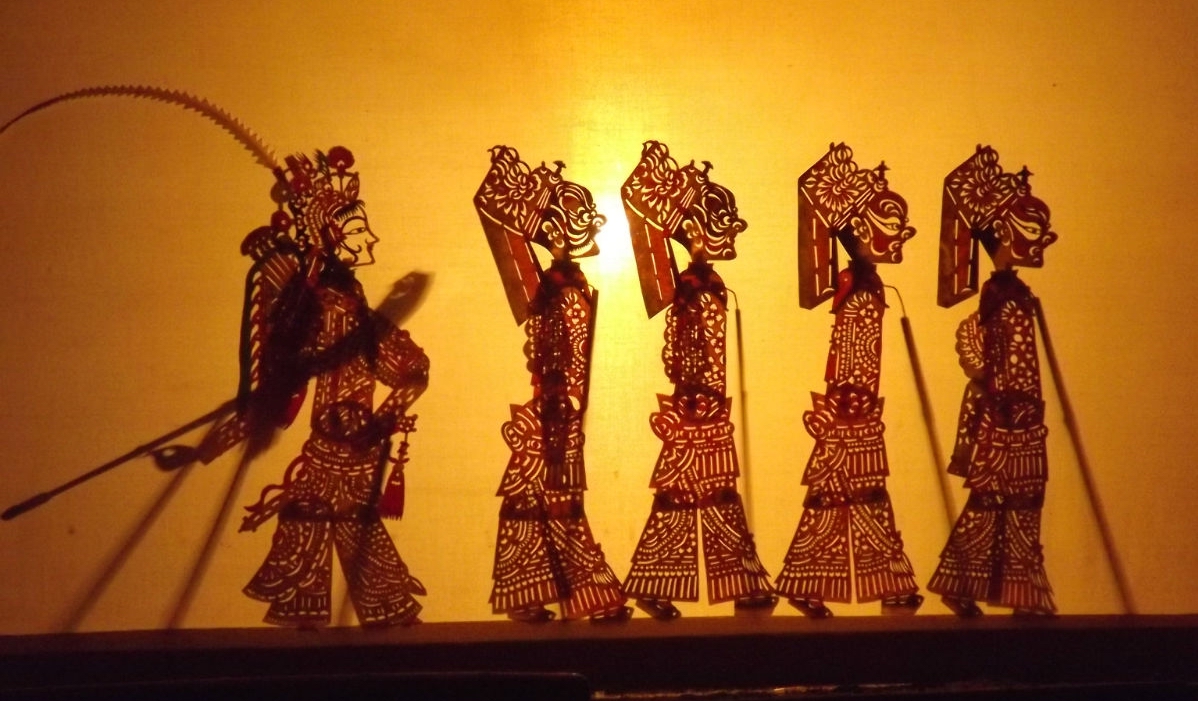
Tracing Back a Millennium: The Origin and Inheritance of Shadow Puppetry
Shadow puppetry originated in the Western Han Dynasty. According to legend, a sorcerer projected human figures through light and shadow to comfort Emperor Wu, who missed his deceased concubine Li, which was the embryonic form of shadow puppetry. Developing through the Wei, Jin, Southern and Northern Dynasties, shadow puppetry became increasingly mature in the Tang Dynasty. Artists could make exquisite puppets and perform stories with singing, making it a popular form of entertainment among both the imperial court and the people. With the rise of civic culture in the Song Dynasty, shadow puppetry entered teahouses and theaters, formed fixed performance patterns, and professional troupes and artists' guilds emerged, ushering in its golden age.
Over thousands of years, shadow puppetry has formed distinctive schools such as Qinqiang, Tangshan, Longdong and Chuanbei in its regional spread, adapting to local dialects and folk customs. During the Ming and Qing dynasties, it spread across the north and south, becoming an essential program for festivals. It even spread to Southeast Asia and Europe, serving as an important carrier of cultural exchanges between China and foreign countries. Impacted by film and television in modern times, shadow puppetry once fell into obscurity. Fortunately, with the persistence of inheritors and the support of intangible cultural heritage policies, it has been preserved, becoming a "living fossil" recording Chinese civilization.
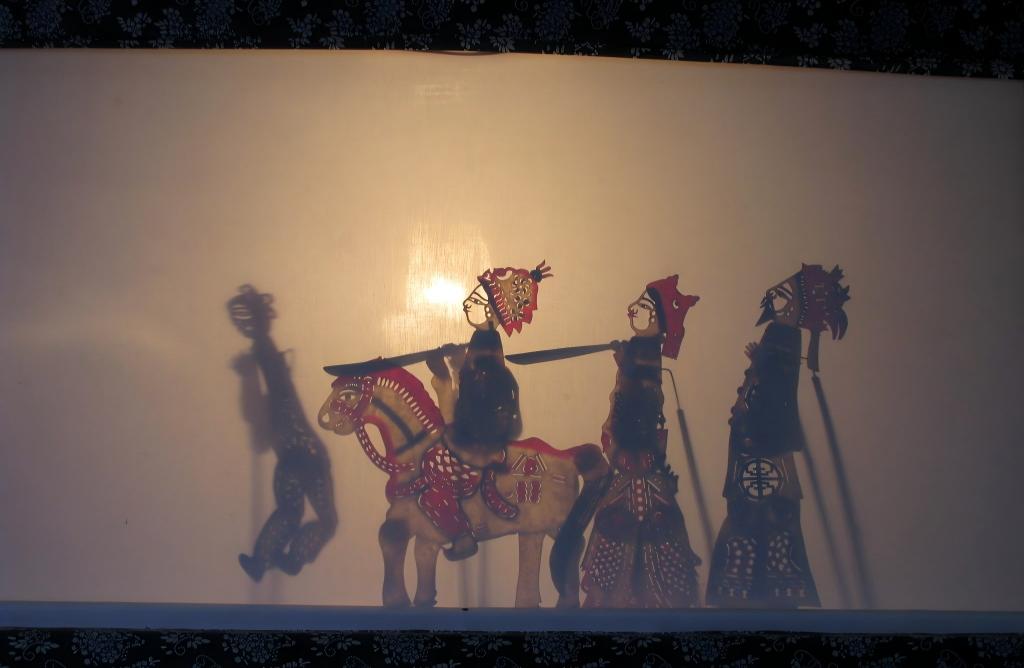
Ingenious Craftsmanship: The Diverse Artistic Features of Shadow Puppetry
The charm of shadow puppetry lies in the integration of multiple arts, showing the ingenuity of ancient craftsmen. Puppet making is the core. Artists select donkey skin or cowhide, and carve them through dozens of processes such as soaking, thinning, carving and dyeing. The finished products are as thin as cicada wings and brightly colored. The shapes of male roles, female roles, painted faces and clowns are distinct and recognizable, and a complex puppet can take months to make.
Performance and singing endow the puppets with soul. Sitting behind the screen, artists manipulate the puppets with both hands, making the shadow figures on the screen vivid through flexible movements and light projection. The singing integrates the characteristics of local operas and folk songs, accompanied by gongs, drums and suona horns, creating an excellent audio-visual effect. Most scripts are adapted from folk legends and historical stories, with both literary and folk characteristics, conveying the values and life wisdom of ancient people.
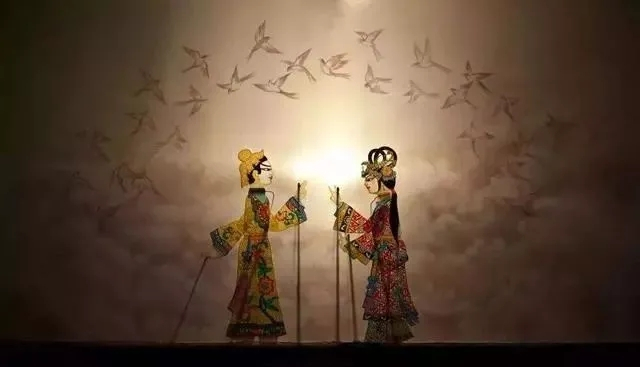
Carrying Cultural Heritage: The Profound Cultural Value of Shadow Puppetry
Shadow puppetry is not only an entertainment art, but also carries profound cultural connotations. At the folk level, it was once an important celebration for festivals such as the Spring Festival and the Lantern Festival, building a platform for rural neighbors to gather, enhancing the festival atmosphere, maintaining neighborhood ties, and serving as an important link for folk social interaction.
At the cultural level, it records the development of traditional opera, has important historical value for the study of ancient opera and folk customs, and conveys traditional values such as loyalty, filial piety, integrity and righteousness, serving as an important medium for the dissemination of traditional culture. As a cultural envoy, shadow puppetry has gone abroad, showing the charm of Chinese art, promoting cultural exchanges and mutual learning, and enhancing the international influence of Chinese culture.
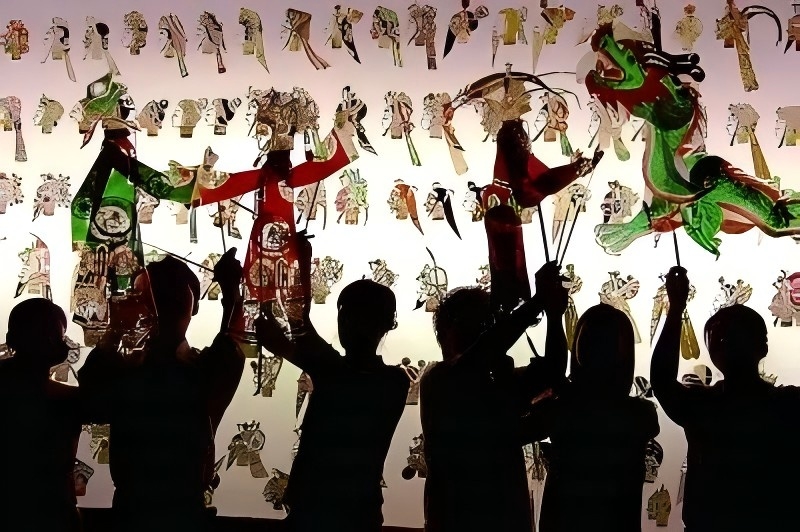
Passing on the Torch: The Path of Contemporary Rebirth of Shadow Puppetry
Against the background of the new era, shadow puppetry has emerged from obscurity, innovating while adhering to traditions. Various regions have increased protection efforts, established inheritance bases, supported elderly artists to teach apprentices, and rescued endangered scripts and puppets. The participation of young inheritors has injected vitality. They retain traditional skills while integrating modern elements and innovating performance forms.
Today, shadow puppetry has stepped out of traditional stages and entered campuses and museums to popularize culture; artists use new media to shoot short videos and create cultural and creative products to get closer to young groups. It has combined with modern stage technology and film and television creation to launch innovative plays, which balance traditional charm and contemporary aesthetics, bringing new vitality to this millennium-old art.
Light and shadow have flowed for thousands of years, and the art has been passed down from generation to generation. Shadow puppetry carries the cultural genes and artistic wisdom of the Chinese nation, enduring through vicissitudes, and is a vivid witness to Chinese cultural heritage. On the road of intangible cultural heritage protection and innovation, it is shining with a new look, conveying cultural power and ensuring that excellent traditional Chinese culture thrives in the new era.

