


The Indissoluble Bond Between Winter Solstice and Dumplings
"If you don't eat dumplings on Winter Solstice, your ears will freeze off and no one will care." This widely spread folk proverb closely links Winter Solstice with dumplings, endowing this delicacy with a strong folk custom color. As an important solar term with both natural and humanistic significance in the Twenty-Four Solar Terms, Winter Solstice is not only the day with the shortest day and longest night in the Northern Hemisphere, but also a turning point regarded by the ancients as "the extreme of yin and the beginning of yang". Dumplings, a delicacy born thousands of years ago, have become the most representative dietary symbol of the Winter Solstice with their unique shape and taste. They carry the Chinese people's longing for reunion, wishes for health, and embody profound cultural heritage.
The Millennium Evolution from "Jiao'er" to Winter Solstice Dumplings
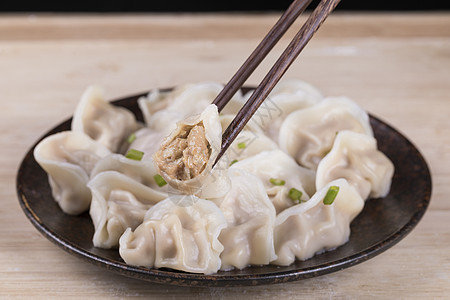
Tracing the origin of eating dumplings on Winter Solstice, it can be traced back to the Eastern Han Dynasty, closely related to Zhang Zhongjing, the "Medical Sage". According to historical records, when Zhang Zhongjing returned to his hometown in his later years, it was the coldest winter month. He saw that the people in his hometown were sallow and emaciated, and many had frostbitten and festered ears, which made him feel very distressed. To relieve the people's sufferings, Zhang Zhongjing imitated the ancient method of "sages preparing medicines". He chopped mutton, chili peppers and cold-dispelling and warming medicinal materials, wrapped them in dough into the shape of ears, named them "Jiao'er" (meaning delicate ears), boiled them and distributed them to the people. After eating, the people's frostbitten ears gradually healed. Later, to commemorate Zhang Zhongjing's kindness, people imitated making "Jiao'er" every Winter Solstice. Over time, "Jiao'er" gradually evolved into today's dumplings, and the custom of eating dumplings on Winter Solstice has been passed down. From the initial medicinal and therapeutic food to the later folk delicacy, dumplings have completed the transformation from "a cure for diseases" to "a cultural symbol" in the flow of years, becoming a taste memory engraved in the hearts of the Chinese people.
Reunion and Aspirations Wrapped Inside
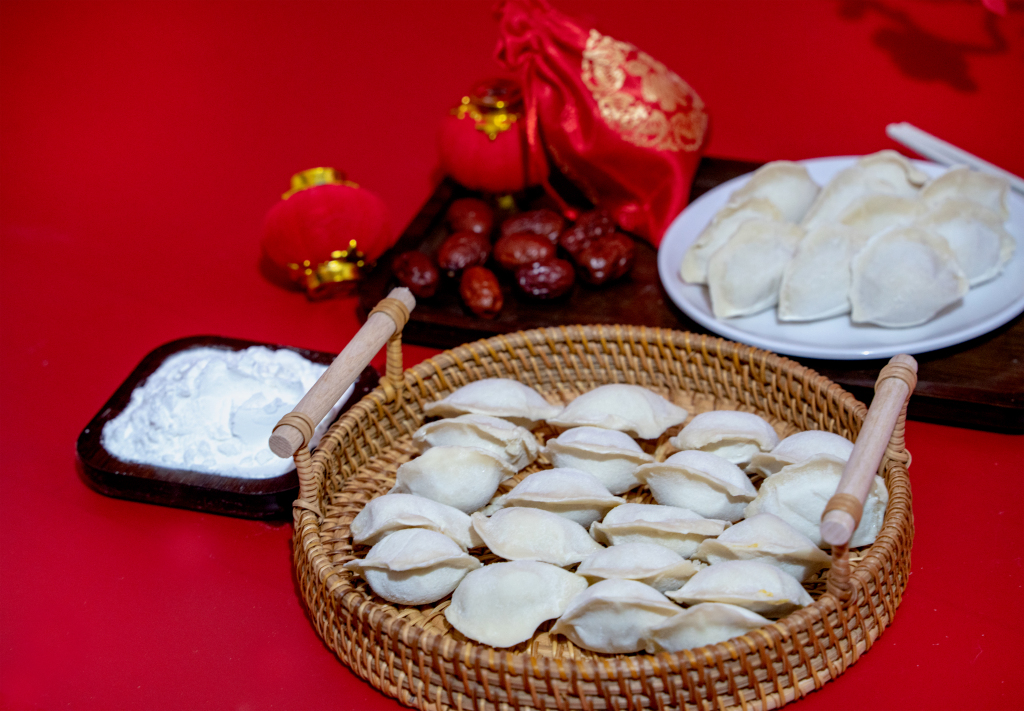
The cultural meaning of Winter Solstice dumplings has long transcended the food itself. In terms of shape, dumplings are round and plump, wrapping fillings, symbolizing "reunion" and "contentment". During the Winter Solstice, no matter where family members are, they will try their best to rush home to make and eat dumplings together. In the warm smoke of the hearth, they maintain the bond of family love. The fillings of dumplings also contain rich auspicious meanings: chives filling symbolizes "longevity and permanence", suitable for family gatherings; Chinese cabbage filling implies "a wealth of treasures", embodying people's expectation for prosperity in the coming year; shrimp filling represents "steady progress", carrying good wishes for career and life. In addition, the saying that eating dumplings on Winter Solstice "prevents ears from freezing off", although it has a bit of humorous folk imagination, also contains the ancients' simple wish for health and peace, cleverly integrating dietary customs with life aspirations.
The Ritual Sense of Making Winter Solstice Dumplings
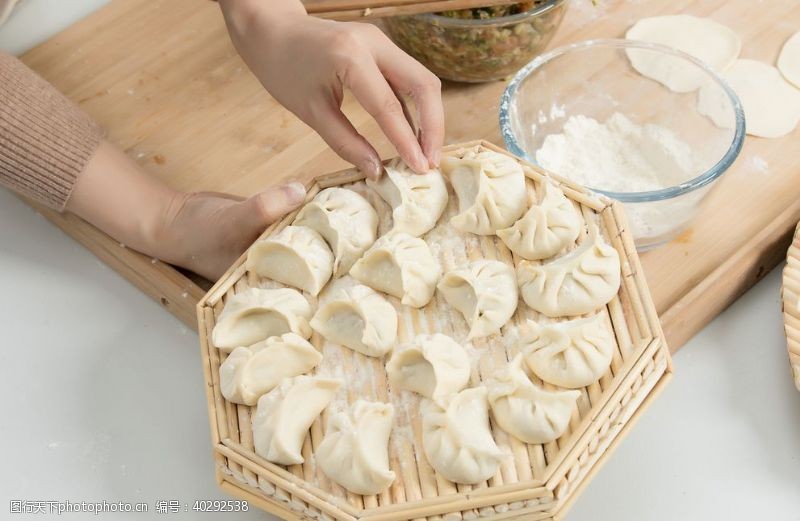
Making Winter Solstice dumplings is a ritualistic family collaboration, and every step is full of craftsmanship and warmth. First, kneading the dough is the foundation of the dumpling's taste. Choose high-gluten flour, add an appropriate amount of warm water, and knead repeatedly until the dough is smooth and elastic. Then cover it with a damp cloth and let it rest for half an hour to allow the flour to fully absorb water. Only then will the rolled dumpling wrappers be chewy and not easy to break. While the dough is resting, you can prepare the filling. Take the classic pork and Chinese cabbage filling as an example: wash and chop the Chinese cabbage, marinate it with a little salt for ten minutes, and squeeze out the excess water to avoid the filling from oozing. Choose fat and lean front leg pork, chop it into fine minced meat, add minced ginger, chopped green onions, light soy sauce, oyster sauce, cooking wine and other seasonings, stir in one direction until the meat filling is sticky. Then add the squeezed Chinese cabbage, drizzle with a little sesame oil and mix well. A fragrant filling is ready.
Family Time During Rolling Wrappers and Filling Dumplings
Rolling wrappers and filling dumplings are the core links in making Winter Solstice dumplings, and also the moments that best reflect family warmth. Family members sit around the table: some are responsible for rolling wrappers, turning the dough with their left hand and holding a rolling pin with their right hand, gently rolling out round dumpling wrappers that are thick in the middle and thin at the edges, uniform in size and moderate in thickness; some are responsible for filling dumplings, taking a dumpling wrapper in the palm, scooping a spoonful of filling in the center, dipping a little water with their fingers and smearing it on the edge of the wrapper, then folding it into a semicircle, pinching the edge tightly with fingers, and then pinching out exquisite pleats along the edge. One by one, round and plump dumplings come into being. During the process of making dumplings, family members are busy while chatting about daily life and sharing interesting things in life. Amidst the laughter, the originally plain time becomes warm and precious.
The Secret to Delicious Boiled Dumplings
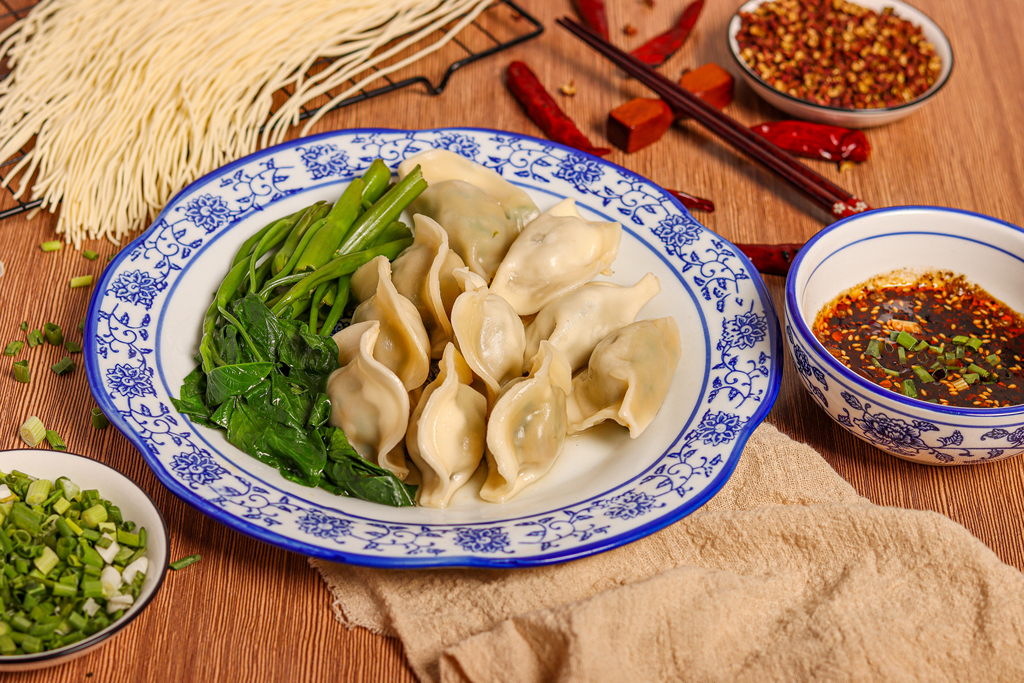
The process of boiling dumplings also has many exquisite details. Add a sufficient amount of water to the pot, bring it to a boil over high heat, put the dumplings into the pot, and gently push them with a spoon to prevent the dumplings from sticking to the bottom of the pot. When the water boils again, add a little cold water, and repeat this three times. This is what the folks call "adding cold water". The purpose of "adding cold water" is to make the dumplings heated evenly inside and out, avoiding the situation that the outside is cooked but the inside is raw. When all the dumplings float on the water and become round and plump, it means they are fully cooked. Take out the dumplings, put them on a plate and serve them on the table, with condiments such as minced garlic, mature vinegar and chili oil. Take a bite, the skin is chewy and smooth, the filling is fresh and juicy, and the warm taste dispels the cold of winter and warms people's hearts.
Inheritance and Diversity in the Changes of the Times
With the development of the times, the form and taste of Winter Solstice dumplings are constantly innovated, but what remains unchanged is the cultural connotation and family memory they carry. Today, there are various flavors of quick-frozen dumplings on the market, which are convenient and fast, meeting the needs of modern people's fast-paced life. However, many families still insist on making dumplings by hand on Winter Solstice. Because in their opinion, hand-made dumplings not only taste better, but also carry the care and blessings of family members, which cannot be replaced by quick-frozen dumplings. In addition, Winter Solstice dumplings in different regions have formed unique regional characteristics: dumplings in the north have rich fillings, mainly salty and fresh; some areas in the south add sweet seasonings to dumplings, with a sweet taste; in some areas, a coin is wrapped in the dumplings. Whoever eats the dumpling with the coin is destined to have good luck in the coming year. These regional characteristics make the cultural connotation of Winter Solstice dumplings more rich and diverse.
Cultural Impressions and Family Bonds in Hearth Smoke
Winter Solstice dumplings are no longer a simple delicacy. They are the inheritance of thousands of years of folk customs, the bond of family love, and the Chinese people's wish for a better life. From Zhang Zhongjing's "Jiao'er" in the Eastern Han Dynasty to the delicacy on the dining tables of thousands of households today, dumplings have witnessed the changes of the times and precipitated profound cultural heritage in the long river of years. Every Winter Solstice, a bowl of steaming dumplings not only warms our stomachs, but also warms our hearts. It reminds us that no matter how busy life is, we should not forget to stop, reunite with family, feel the preciousness of family love in the hearth smoke, and inherit this cultural memory flowing in the blood. In the years to come, the taste of Winter Solstice dumplings will continue to flow in the memories of generations of Chinese people, becoming an indelible folk symbol.

