


In the folds of the mountains in northwestern Hubei, China, Wudang Mountain in Shiyan shines like a bright pearl, inlaid in the eastern section of the Qinling-Bashan Mountains. Stretching for thousands of miles, this mountain range is not only an important geographical landmark but also a cultural sanctuary carrying China's millennia-old Taoist culture and ancient architectural art. As a World Cultural Heritage site and a National 5A-level Tourist Attraction, Wudang Mountain is renowned far and wide for its reputation as "the unparalleled scenic spot since ancient times, the number one sacred mountain under heaven." The integration of its landscapes and humanities forms a unique regional style.
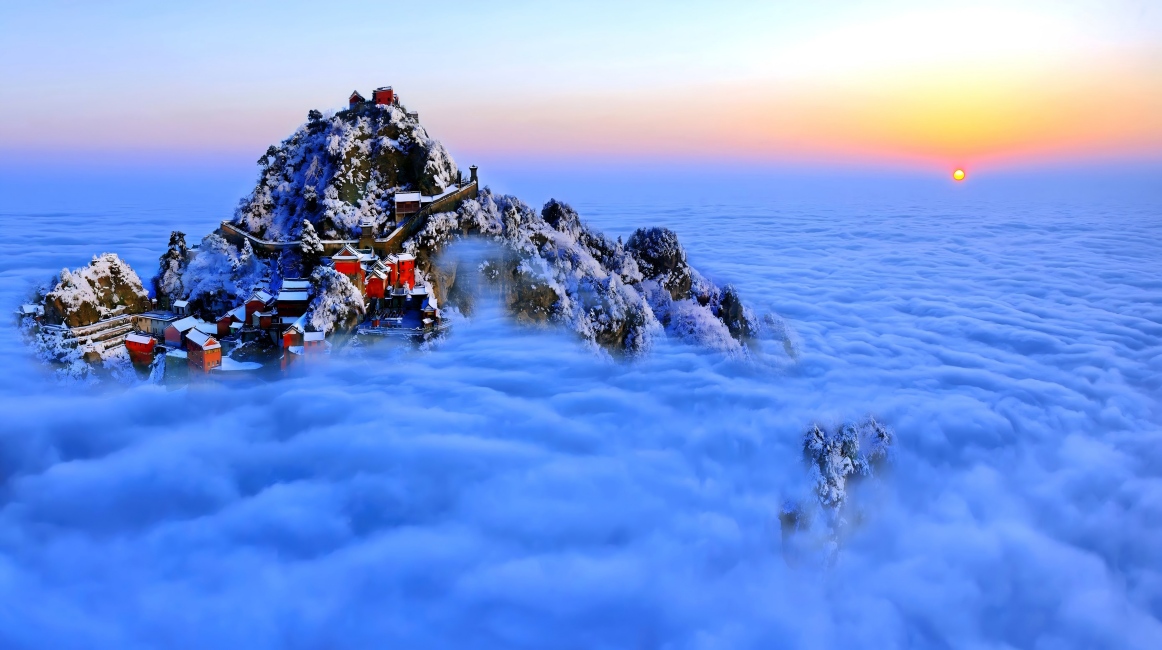
Wudang Mountain boasts a privileged geographical environment. Its main peak, Tianzhu Peak, stands at an altitude of 1612 meters, known as "One Pillar Holding Up the Sky." The mountain range extends for hundreds of kilometers, with natural landscapes such as seventy-two peaks, thirty-six rocks, twenty-four streams, eleven caves, and three pools scattered in an orderly manner. Here, the climate is mild and four seasons are distinct: spring brings blooming flowers, summer offers dense shade to block the sun, autumn paints the forests in layered hues, and winter adorns the trees with rime like jade. The mountain is shrouded in clouds and mist for more than 200 days a year; walking among them feels like being in a fairyland. The unique combination of karst landform and subtropical monsoon climate has created the natural characteristics of wonder, danger, beauty, and seclusion in Wudang Mountain, providing an ideal natural carrier for the germination and development of Taoist culture.
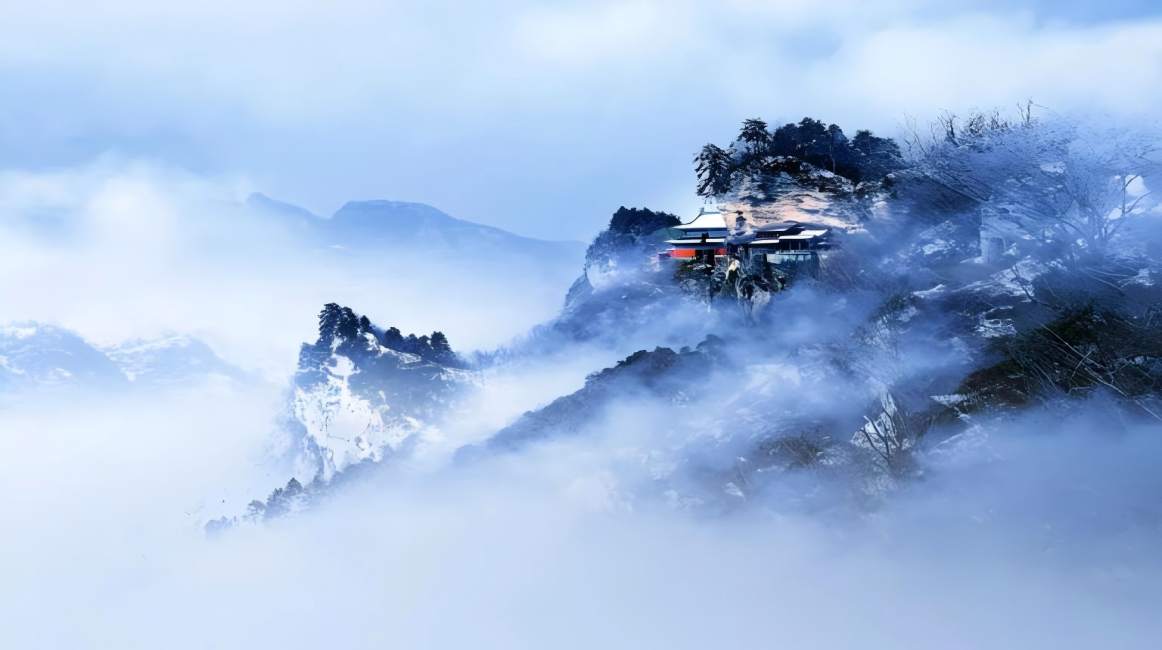
Taoist culture on Wudang Mountain has a long history. As early as the pre-Qin period, this place was already a secret realm for Taoists to cultivate their moral character and nurture their nature. After the birth of Taoism at the end of the Eastern Han Dynasty, Wudang Mountain gradually became an important Taoist sanctuary. The Ming Dynasty was the heyday of Taoism's development on Wudang Mountain. Emperor Chengzu Zhu Di issued an imperial edict: "Build the Forbidden City in the north and construct Wudang in the south." It took 12 years and employed 300,000 craftsmen to build a grand complex of ancient buildings on Wudang Mountain. These buildings are constructed along the mountain slopes, perfectly integrated with the natural environment, forming a magnificent scene of "an nunnery every five li and a palace every ten li, with red walls and green tiles looking exquisite from afar." Today, more than 40 ancient buildings remain, including over 2,000 halls, pavilions, bridges, and other structures. Their exquisite architectural craftsmanship can be called a model of Ming Dynasty architectural art.
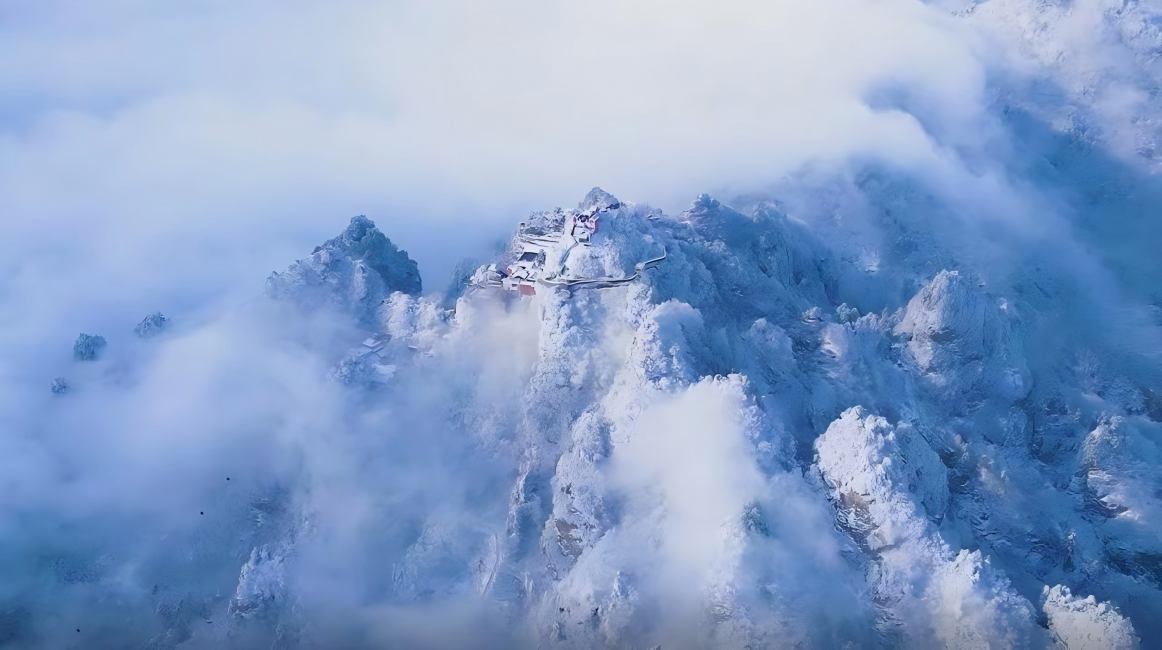
Taihe Palace is located at the top of Tianzhu Peak, the core of Wudang Mountain's ancient architectural complex. The Golden Palace inside is entirely cast in bronze and gilded, with a height of 5.54 meters, a width of 4.4 meters, a depth of 3.15 meters, and a weight of several tons. Its components fit tightly together; having withstood over 600 years of wind and rain erosion, it still shines brightly and remains intact, demonstrating the superb metallurgical technology and architectural craftsmanship of the Ming Dynasty. Nanyan Palace is famous for its perilous location. Its "Dragon Head Incense" hangs on the steep cliffs, overlooking an abyss thousands of feet deep. It is one of the most representative dangerous scenes of Wudang Mountain and also embodies the Taoist philosophical thought of "the unity of man and nature." Zixiao Palace is situated at the foot of Zhanqi Peak, with grand and magnificent halls. It is the most well-preserved palace complex on Wudang Mountain, enshrining Taoist gods and enjoying a constant stream of incense all year round.
In addition to its rich cultural landscapes, Wudang Mountain is also the birthplace of Wudang Wushu. Together with Shaolin Wushu, Wudang Wushu is known as one of the two major schools of Chinese martial arts. Characterized by "overcoming hardness with softness and subduing movement with stillness," it contains profound Taoist philosophical connotations. It is said that Wudang Wushu was founded by Zhang Sanfeng. After hundreds of years of inheritance and development, it has formed numerous sects and boxing routines. Today, in various Taoist temples on Wudang Mountain, one can still see practitioners of martial arts. Wudang Wushu has become an indispensable and important part of Wudang Mountain's culture, attracting countless martial arts enthusiasts to explore and learn.
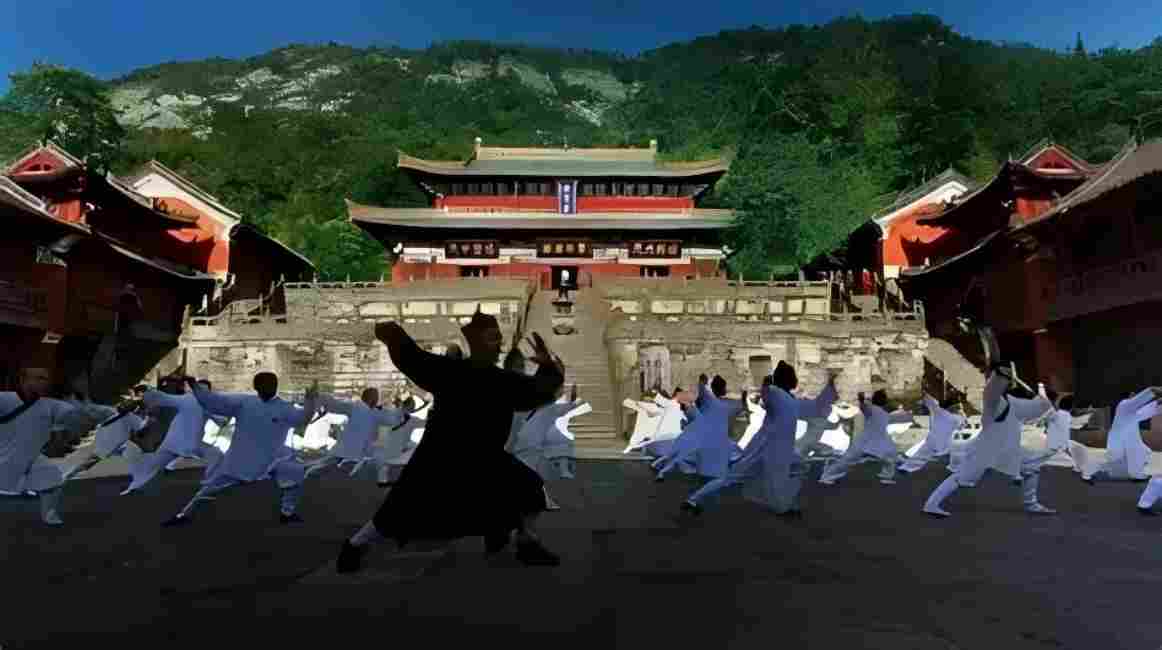
As the core tourism resource of Shiyan City, Wudang Mountain is not only an important pillar of local economic development but also a key window for Chinese culture to communicate with the outside world. In recent years, on the basis of protecting the ancient architectural complex and natural ecology, the local government has continuously improved tourism supporting facilities and service quality, allowing more tourists to appreciate the charm of Wudang Mountain. Wandering in Wudang Mountain, one can not only feel the magical craftsmanship of nature but also comprehend the profound connotation of Taoist culture and admire the exquisite ancient architectural art.
The value of Wudang Mountain lies not only in its beautiful landscapes and grand buildings but also in its cultural heritage passed down for thousands of years. It is the perfect integration of nature and humanity, a living carrier of Taoist culture, and a precious cultural heritage of the Chinese nation. Today, this millennium-old sacred mountain still stands quietly on the land of northwestern Hubei, telling the world about the vicissitudes of time and the glory of culture, waiting for more people to explore its mysteries and feel its charm.

