


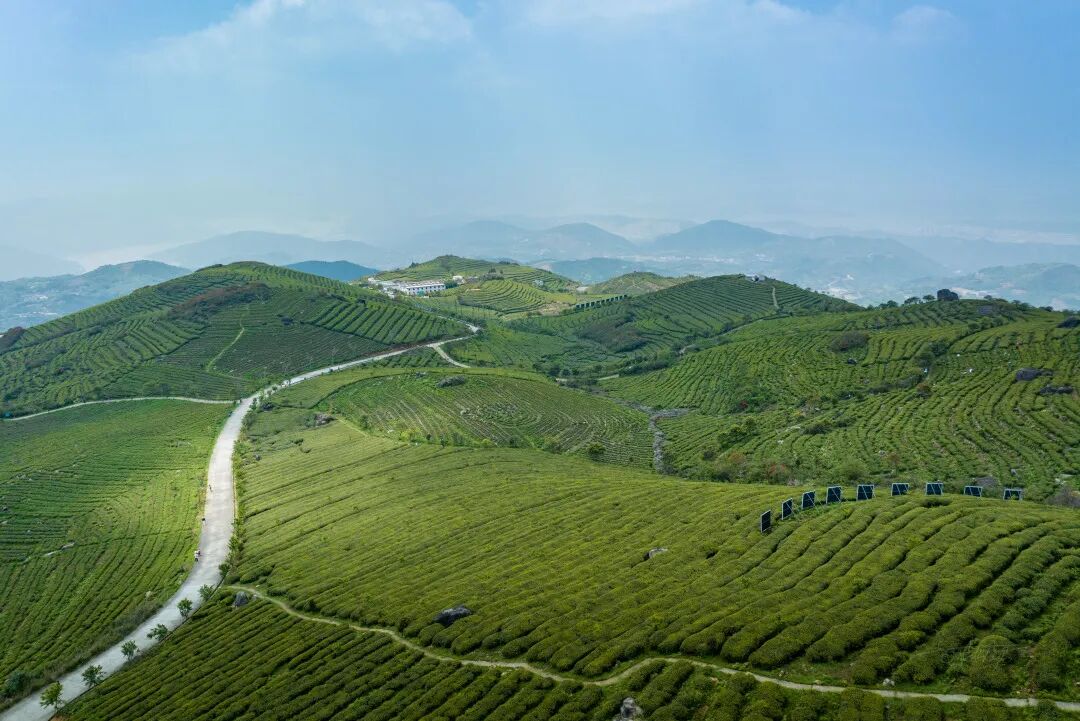
In the mist-shrouded mountains of Fujian province, where the air carries the damp, earthy scent of fertile soil and the whispers of ancient traditions, grows a tea of remarkable subtlety and profound depth. This is Fuding White Tea, a beverage that captures the very essence of minimalism and natural elegance. Unlike its more robust black or roasted oolong cousins, white tea asks for a quieter appreciation, a moment of stillness to unveil its delicate poetry. To understand it is to embark on a journey through history, craftsmanship, and a philosophy that celebrates the unadorned beauty of nature’s offering.
The origins of white tea are steeped in the lore of China’s imperial past, with Fuding County widely regarded as its birthplace. Historical records and local legends trace its lineage back over a millennium, to the Tang and Song dynasties, when tea culture was blossoming into a refined art. The tea produced in the Fuding region, particularly from the unique local cultivar known as Fuding Da Bai Hao (Fuding Large White Sprout), was noted for its delicate, downy buds that appeared silver in the early spring light. It was said that this rare and beautiful tea, requiring meticulous hand-picking during a short harvest window, was reserved as a tribute for the emperors. Its pristine, pale liquor and sweet, ethereal flavor were believed to embody purity and nobility, qualities befitting the Son of Heaven. This imperial legacy is not just a tale of the past; it permeates the very identity of Fuding White Tea, bestowing upon it an aura of quiet reverence and historical significance that continues to this day.

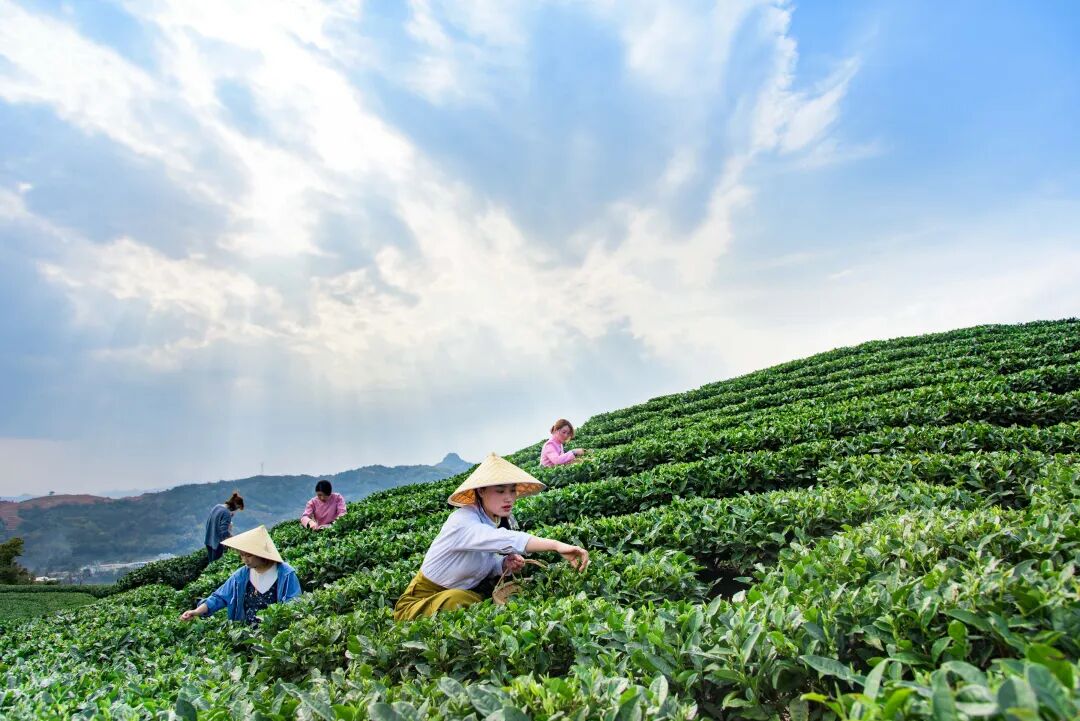
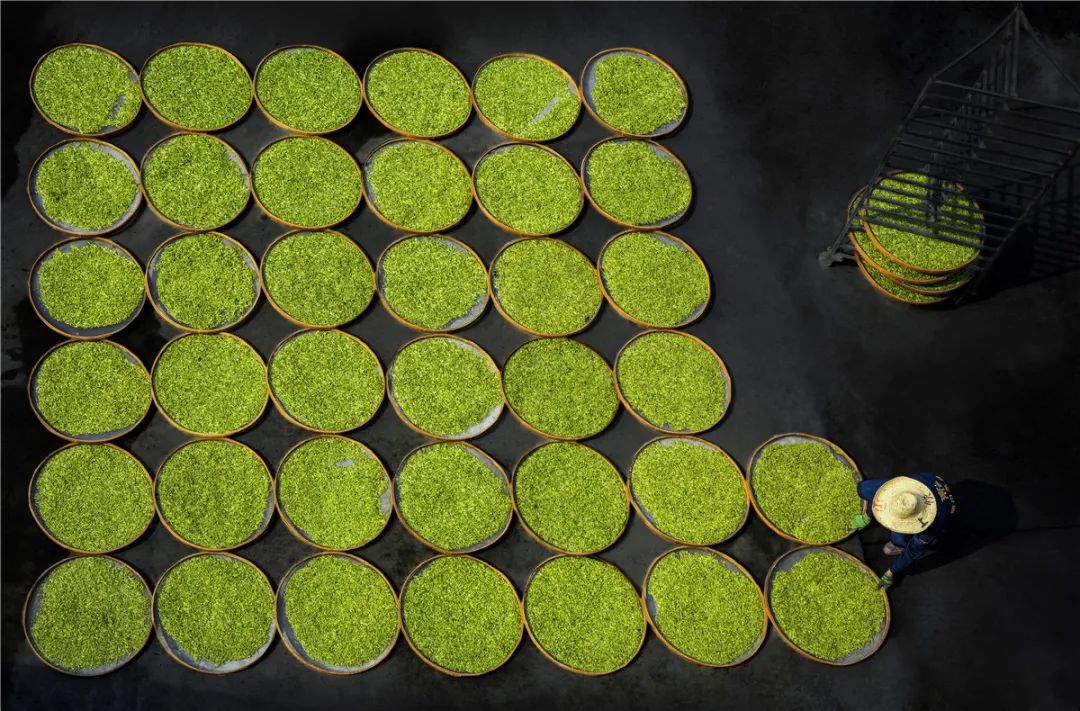
The production of authentic Fuding White Tea is an exercise in patience and restraint, a process that stands in stark contrast to the more complex manipulations involved in other tea types. Its magic lies not in what is done, but in what is deliberately left undone. The journey begins in early spring, often before the Qingming Festival, when the tea bushes awaken with the season’s first flush. The pluckers seek only the finest, unopened buds, or a specific combination of a single bud adorned with one or two just-unfurling leaves, all covered in a fine, silvery-white fuzz. This down, or hao, is a sign of quality and the source of the tea’s name. Once gathered, the fresh leaves undergo minimal processing. The key steps are withering and drying. Under carefully controlled conditions of gentle warmth and airflow, the leaves are laid out to wither naturally. This slow dehydration is the heart of white tea making. It allows for a very slight, natural oxidation to occur, just enough to develop its characteristic flavor profile without ever scorching, rolling, or pan-firing the leaf. Finally, the leaves are dried, traditionally under the soft sun or in well-ventilated indoor spaces, to lock in their character. This minimalist approach is a testament to the craftsman’s faith in the raw material. The goal is to preserve, as closely as possible, the original state of the leaf, capturing the taste of the mountain, the mist, and the spring sun in a dried form. It is a processing method that demands deep understanding, as the margin for error is slim; too much moisture leads to spoilage, too much heat destroys its delicate nature.
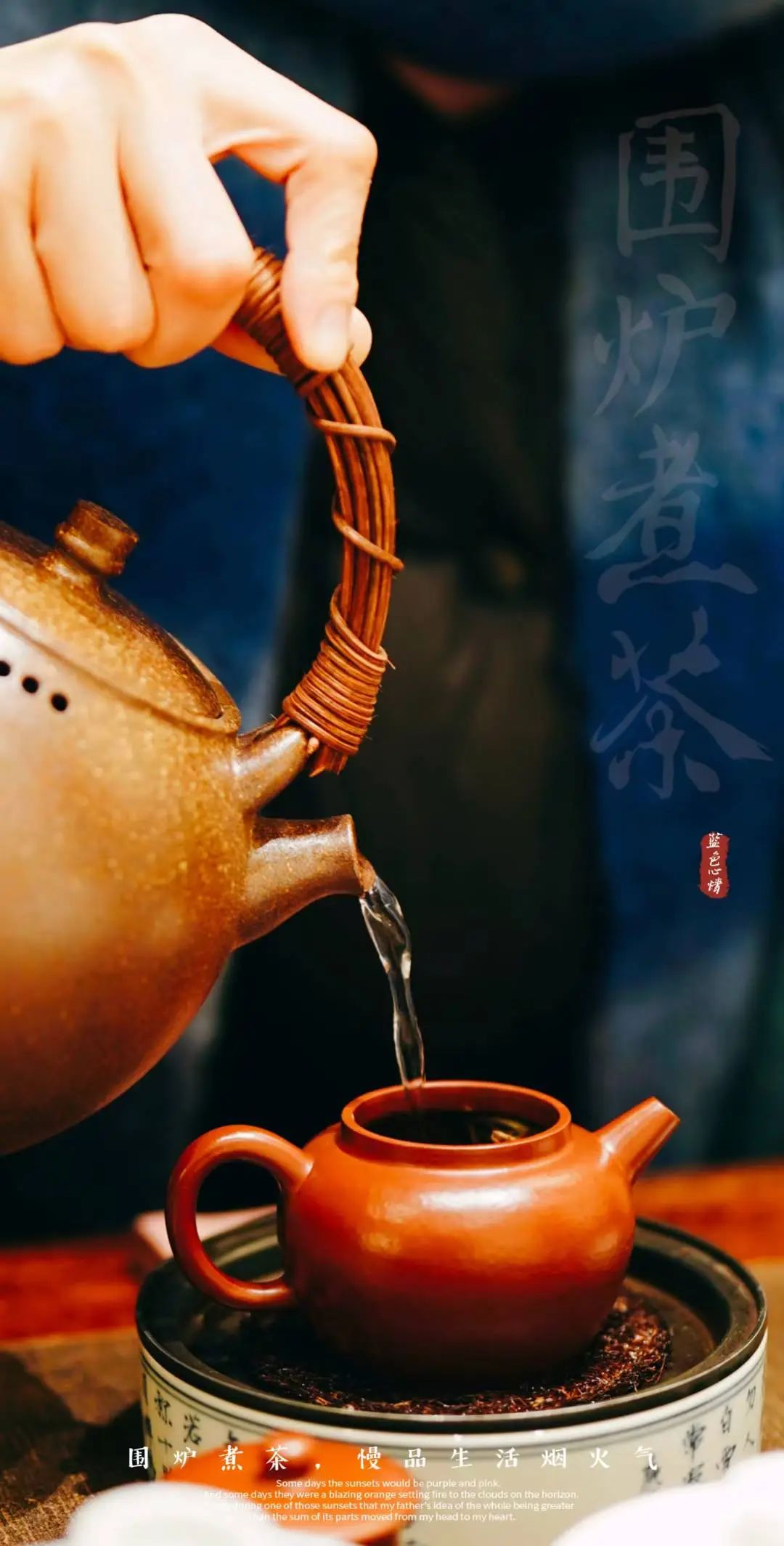
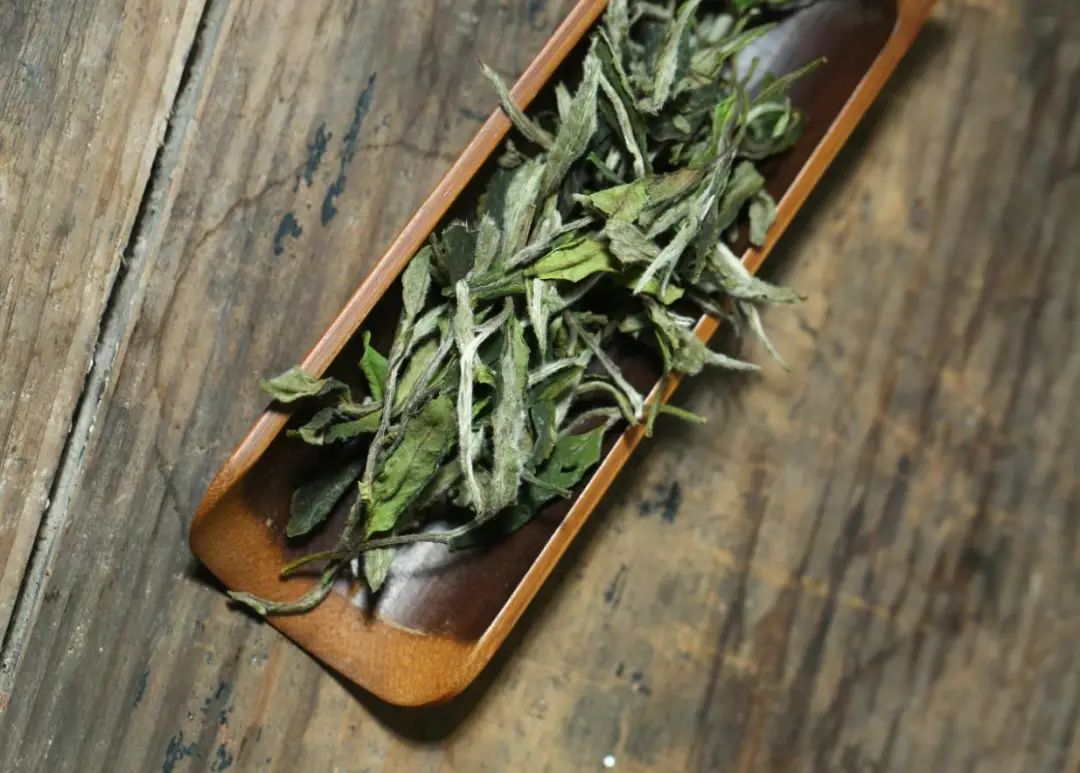
To behold dry Fuding White Tea is to see a work of natural art. The highest grade, Bai Hao Yinzhen (Silver Needle), consists solely of fat, needle-shaped buds thickly coated in silvery down, appearing like a basket of precious, miniature scepters. Bai Mudan (White Peony), which includes a bud and leaves, presents a beautiful mosaic of dark green leaves edged in silver and interspersed with the downy buds. The dry aroma is faint but evocative, hinting at dried hay, fresh cucumbers, and sweet orchids. Brewing white tea is an act of gentleness. Water, ideally pure and soft, should be well below boiling, typically around 70 to 80 degrees Celsius. Boiling water would shock these delicate leaves, releasing unwanted astringency and masking their subtle notes. In a glass teapot or gaiwan, one can witness the dance of the leaves as they slowly rehydrate, sinking and rising in the pale golden liquor. The first infusion yields a scent that is profoundly clean and fresh, often compared to honeysuckle, melon, or a walk through a dew-kissed meadow after rain. The flavor is soft, sweet, and remarkably smooth, with a lingering aftertaste the Chinese call hui gan—a returning sweetness that coats the throat long after the tea is swallowed. With each subsequent infusion, the flavor evolves, sometimes revealing deeper notes of honey, apricot, or a minerality reminiscent of fresh spring water. It is a tea that speaks in whispers, inviting the drinker to slow down, to pay attention, to engage the senses fully.
Beyond its captivating taste, Fuding White Tea has been cherished for centuries in traditional Chinese medicine for its perceived health-promoting properties. Modern science has begun to illuminate the reasons behind this ancient wisdom. As the least processed of all teas, white tea retains an exceptionally high concentration of antioxidants, particularly polyphenols like catechins. These compounds are known for their role in combating oxidative stress in the body. Studies have suggested that regular consumption of white tea may support cardiovascular health, aid in healthy skin maintenance, and provide gentle immune system support. Its low caffeine content, especially compared to green or black tea, makes it a soothing choice that can be enjoyed throughout the day without causing restlessness. For many, a cup of white tea is not merely a drink but a tonic for wellness, a natural infusion of calm and vitality that aligns perfectly with a holistic approach to health. It embodies the preventive philosophy of wellness, where nourishing the body with pure, natural substances is a daily ritual.
In today’s globalized world, Fuding White Tea has stepped beyond the misty mountains of Fujian to find admirers across continents. Its rise in international popularity mirrors a growing appreciation for artisanal, sustainably produced foods and beverages. Connoisseurs in Europe and North America are drawn to its nuanced flavor profile, its connection to a specific terroir, and its compelling story. It represents a different facet of Chinese tea culture—one that is less about ceremonial rigidity and more about a pure, direct communion with nature. While it can be prepared with the careful attention of a Gongfu tea ceremony, it is equally approachable brewed simply in a western-style teapot. This versatility adds to its appeal. The Chinese government has recognized its cultural and economic importance, granting Fuding White Tea a Protected Geographical Indication status. This designation safeguards its authenticity, ensuring that only tea grown and processed according to strict traditional methods in the Fuding region can bear the name. This protection helps maintain quality and supports the local farming communities whose lives and identities are intertwined with the tea bushes they tend.
To sip Fuding White Tea is to experience a moment of tranquil clarity. It is the antithesis of a bold, arresting flavor; instead, it is a tea of harmony, refinement, and understated complexity. It carries within its pale liquor the history of emperors, the skill of generations of tea masters, and the pristine environment of its homeland. For the foreign explorer of Chinese culture, it offers a gateway to understanding a different aesthetic—one that finds supreme elegance in simplicity and deep flavor in subtlety. It challenges the palate to discern more than just strength, to appreciate the quiet notes, the lingering sweetness, and the clean, refreshing finish. In a world that often values intensity, Fuding White Tea stands as a gentle emperor, ruling not by power but by persuasion, inviting all who taste it to find peace, wellness, and a deep, abiding pleasure in the simplest of nature’s gifts. It is, in every sense, a liquid jewel, a testament to the beauty that emerges when humanity works in respectful concert with nature, doing little so that nature can speak for itself.

