


Nestled along the banks of the Grand Canal in eastern China’s Jiangsu Province, Yangzhou is a city that seems frozen in time. Known as one of the most charming cities in “Jiangnan”—the water town region south of the Yangtze River—Yangzhou boasts a rich tapestry of history, elegant landscapes, and profound cultural heritage. For centuries, it has captivated poets, scholars, and travelers with its gentle canals, ancient gardens, and unique culinary traditions. To visit Yangzhou is to step into a classical Chinese painting, where every corner tells a story of grace and nostalgia.
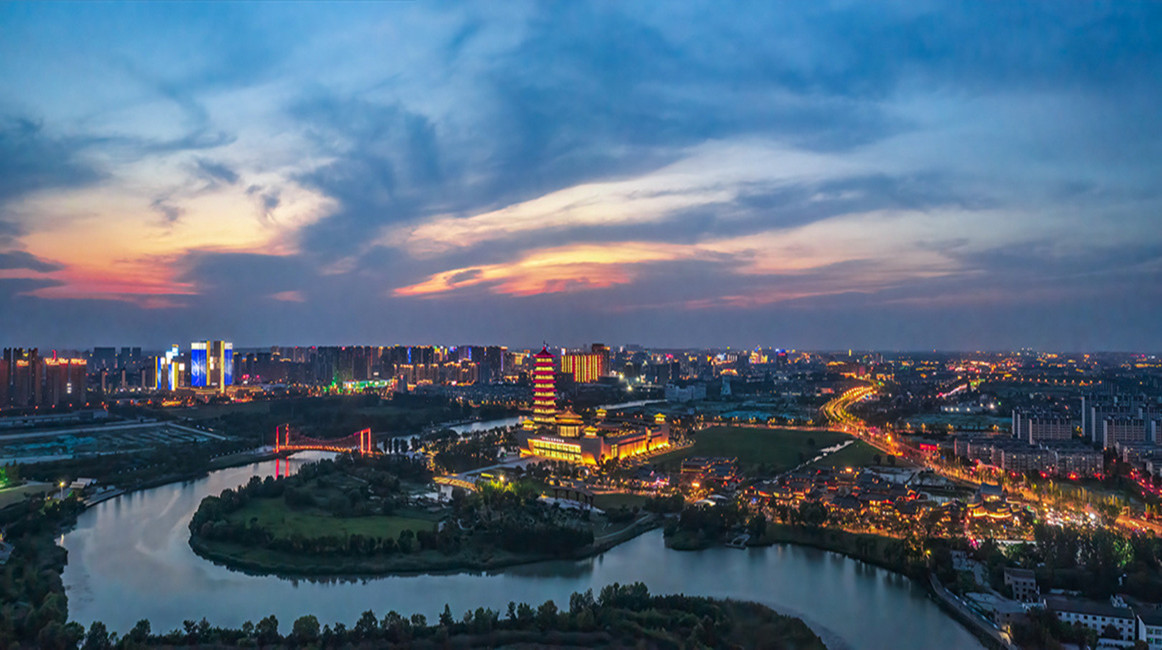
Yangzhou’s scenic beauty is inseparable from its waterways and gardens, which are the essence of Jiangnan’s charm. The Slender West Lake (Shouxihu), the city’s most iconic attraction, is a masterpiece of Chinese landscape gardening. Unlike the grandeur of Beijing’s lakes, Slender West Lake exudes delicacy and serenity. Willows drape over the lake’s banks, and stone bridges with curved arches span the calm waters, reflecting beautifully in the ripples. A boat ride on the lake allows visitors to admire scenic spots like the Five-Pavilion Bridge—a national treasure with five elegant pavilions perched on a single arch—and the White Pagoda, a Buddhist structure that adds a touch of solemnity to the landscape. Beyond the lake, Yangzhou’s ancient canals are another highlight. Lined with traditional brick-and-wood houses, these canals once made Yangzhou a vital hub of the Grand Canal, China’s ancient “golden waterway.” Wandering along the canal banks at dusk, with lanterns glowing softly, one can feel the city’s peaceful rhythm of life.
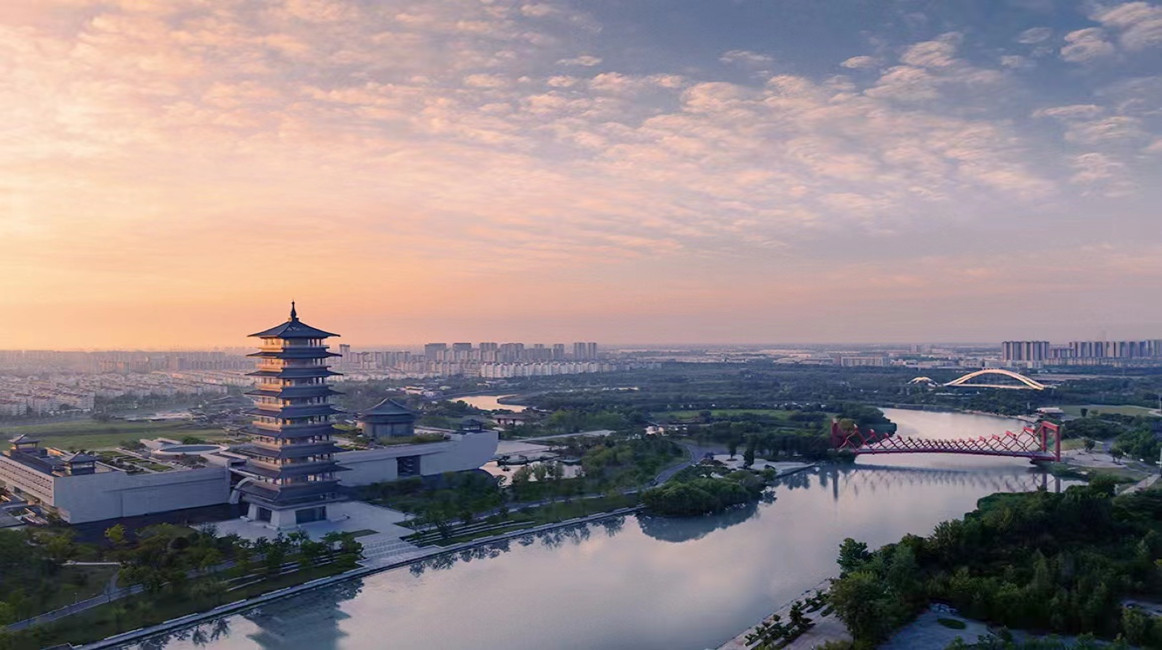
The city’s history stretches back over 2,500 years, with its glory peaking during the Sui, Tang, and Qing dynasties. As a key port on the Grand Canal, Yangzhou became a bustling commercial center and a gateway for cultural exchange. During the Tang Dynasty (618–907), it was one of the world’s largest and most prosperous cities, attracting merchants from as far as the Middle East and Europe. Remnants of this golden age can still be found today: the Daming Temple, founded in the Eastern Jin Dynasty, is not only a sacred Buddhist site but also home to the Hall of Jianzhen, honoring the monk who traveled to Japan to spread Buddhism. The temple’s towering pagoda offers panoramic views of the city. Another historical gem is the Ge Garden, a classical private garden from the Qing Dynasty. Famous for its exquisite rock arrangements—representing the four seasons—the garden showcases the Chinese philosophy of harmonizing man with nature. Every stone, tree, and pond in the garden is carefully placed to create a sense of tranquility and balance.
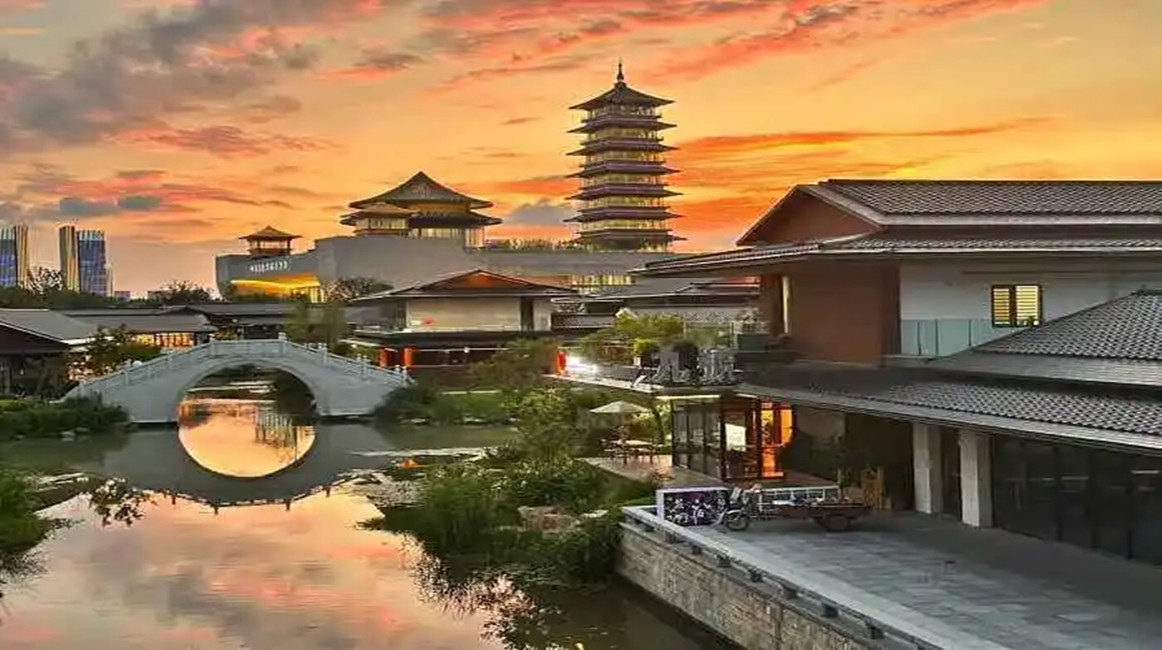
Yangzhou’s culture is deeply rooted in its history, evident in its art, cuisine, and way of life. The city is renowned for its traditional crafts, such as Yangzhou lacquerware and jade carving. Yangzhou lacquerware, with its bright colors and intricate patterns, has been a favorite of royal families for centuries; visitors can watch craftsmen create these masterpieces in local workshops. Jade carving, another specialty, turns ordinary jade into delicate sculptures of flowers, birds, and figures, reflecting the city’s refined aesthetic. Cuisine is also an integral part of Yangzhou’s culture. Yangzhou fried rice, a world-famous dish with eggs, ham, shrimp, and rice, originated here. The city’s morning tea culture, known as “yangcha,” is a beloved tradition: locals and visitors alike gather in teahouses to savor delicate dim sum, sipping green tea while chatting leisurely. This slow-paced lifestyle embodies the city’s laid-back and elegant spirit.
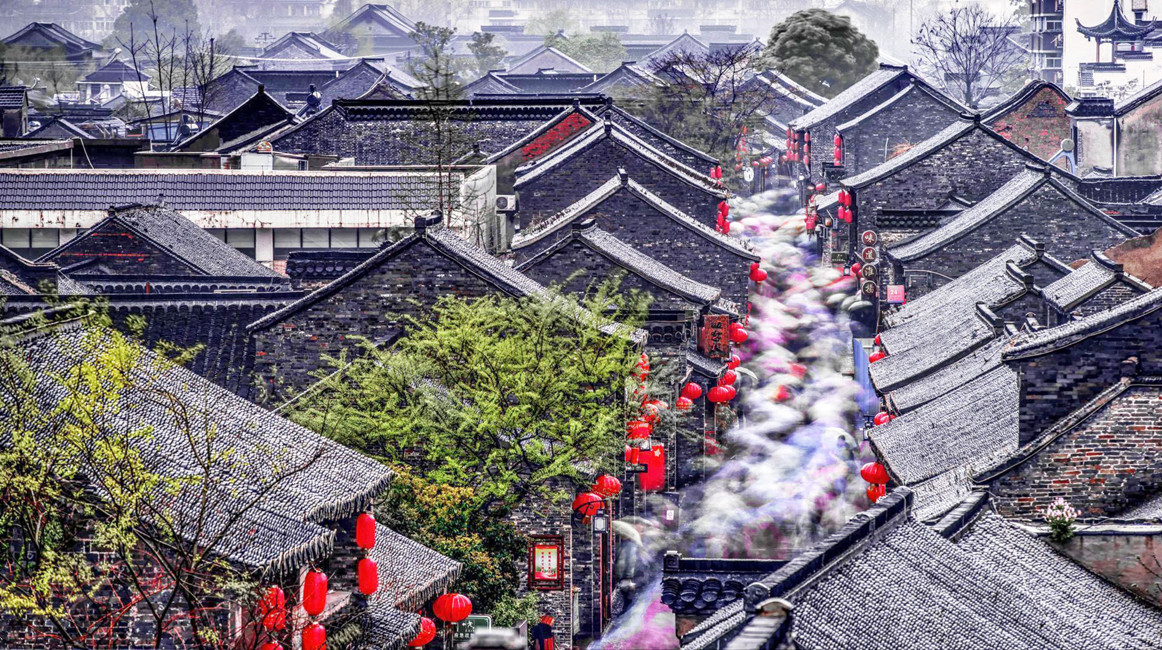
Today, Yangzhou retains its ancient charm while embracing modernity. New bridges and skyscrapers stand alongside ancient gardens and canals, creating a unique blend of past and present. The city’s commitment to preserving its cultural heritage has made it a UNESCO World Heritage City, recognized for its role in the Grand Canal’s history. Whether you’re wandering through ancient gardens, cruising along the canals, savoring local delicacies, or simply enjoying a cup of tea in a traditional teahouse, Yangzhou offers an unforgettable experience that captures the true essence of Chinese culture. It is a city where time slows down, and beauty lingers in every moment.