


In the vast river of traditional Chinese art, Kunqu Opera stands like an ancient lotus that has weathered 600 years of wind and rain. With the gentle and elegant "Shuimo Diao" (Water-Grinded Melody) and the "freehand brushwork" performance style, it is hailed as the "ancestor of all operas" and the "master of all operas". In 2001, Kunqu Opera was listed by UNESCO as one of the first batch of "Masterpieces of the Oral and Intangible Heritage of Humanity", becoming a common cultural treasure of all mankind. It is not only the source of Chinese opera art, but also carries the aesthetic genes and spiritual core of traditional Chinese culture, passing through time and space to this day.
Tracing the Origin: The Transformation from Kunshan Tune to "Water-Grinded Melody"
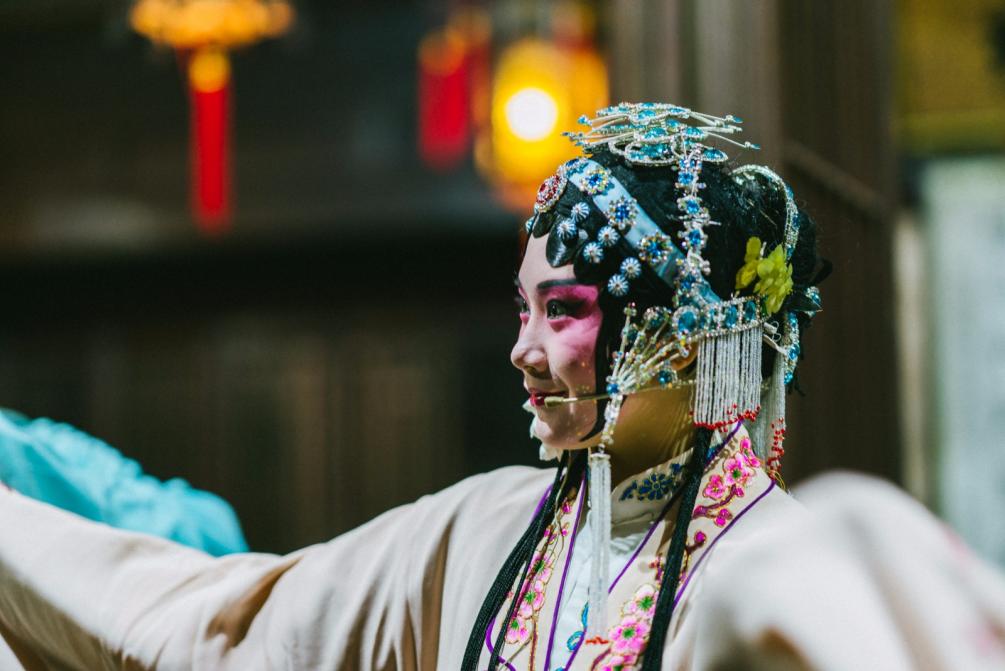
The origin of Kunqu Opera can be traced back to the late Yuan and early Ming dynasties in Kunshan, Jiangsu Province. At that time, the folk tune "Kunshan Tune" was popular locally, and after sorting out and processing by the opera musician Gu Jian, a unique vocal style was initially formed. During the Jiajing period of the Ming Dynasty, the opera artist Wei Liangfu carried out drastic reforms on Kunshan Tune. He absorbed the essence of other vocal styles such as Haiyan Tune and Yiyang Tune, integrated the rhythm of Jiangnan silk and bamboo music, and created "Shuimo Diao" (Water-Grinded Melody). This singing style emphasizes "correct pronunciation and mellow tone, pure tune and regular rhythm", with a slow and melodious rhythm and a clear and gentle timbre, as warm and delicate as the flowing water in the Jiangnan water towns, hence the name. At the same time, Liang Chenyu created "The Story of Washing Silk" based on "Shuimo Diao", elevating Kunqu Opera from a folk tune to a mature opera form, making it step onto the stage, quickly becoming popular all over the country, and becoming the mainstream vocal style of opera in the Ming Dynasty. During the Ming and Qing dynasties, Kunqu Opera ushered in its peak period. A large number of classic repertoires emerged, and many schools such as "Southern Kunqu, Northern Kunqu, Sichuan Kunqu, and Hunan Kunqu" were formed, spreading all over the country. It exerted a profound influence on the formation and development of many local operas such as Peking Opera, Yue Opera, and Huangmei Opera.

Artistic Essence: The Freehand Beauty of Vocal Music and Performance
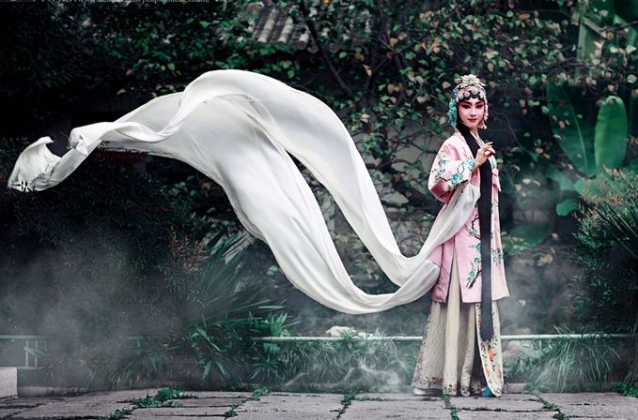
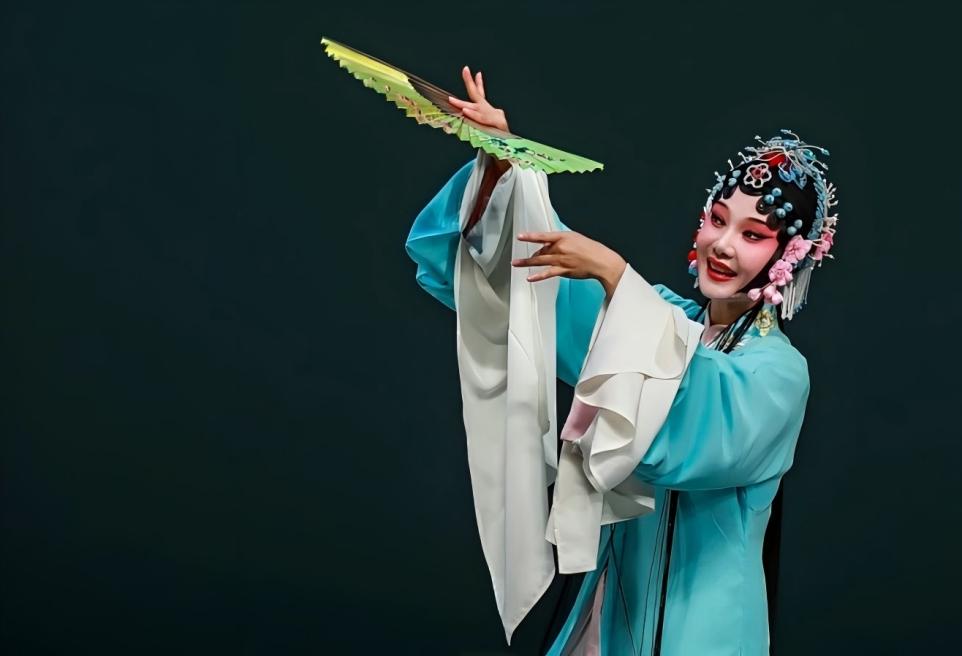
The artistic characteristics of Kunqu Opera are reflected in many aspects such as vocal music, performance, costumes, and stage art, forming a harmonious and unified artistic system. In terms of vocal music, "Shuimo Diao" is based on the qupai (tune pattern) system. Each qupai has a fixed melody and meter. When singing, it pays attention to articulation, enunciation, and rhyme, pursuing the effect of "melody following the words, and tune changing with the words". Actors need to have profound vocal skills to accurately convey the gentle, passionate, sorrowful and other emotions of the melody. In terms of performance, Kunqu Opera emphasizes "expressing spirit through freehand brushwork" and the combination of "stylization" and "virtualization". Whether it is the basic skills of hand, eye, body, method, and step, or the use of props such as sleeve flinging, water sleeves, plumes, and fans, there are strict stylized norms. For example, a simple "circular step" can represent a long journey; a section of "water sleeve dance" can convey joy, anger, sorrow, and joy. This virtual performance method leaves a rich imagination space for the audience, embodying the unique pursuit of "interdependence of emptiness and reality" in traditional Chinese aesthetics.
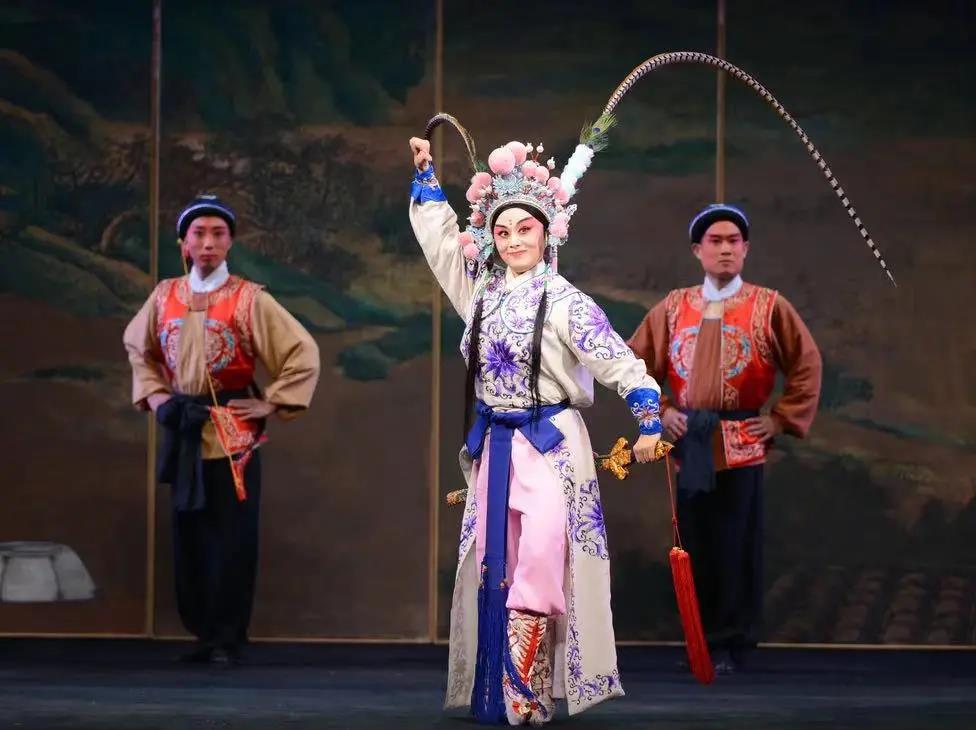
Costumes and stage art add a strong classical charm to Kunqu Opera. Kunqu Opera costumes draw on the characteristics of court costumes and folk costumes in the Ming and Qing dynasties, with bright colors and exquisite patterns. Different costume styles can distinguish the identity, status, and personality of the characters. For example, emperors, generals, and ministers wear python robes and jade belts, literati and scholars wear long gowns and Confucian skirts, and the costumes of Dan roles (female roles) are mostly embroidered with flowers, birds, fish, and insects, showing softness and agility. The stage art design is simple and elegant, with one table and two chairs as the basic props. Through simple arrangement and combination, it can create different scenes such as palaces, courtyards, studies, and battlefields, highlighting the artistic concept of "simplicity but not simplicity".
Classic Inheritance: The Cultural Core Carried by Repertoires
For hundreds of years, Kunqu Opera has left a large number of classic repertoires, covering various themes such as historical allusions, folk legends, and love stories, with both ideological and artistic value. "The Peony Pavilion", "Romance of the Western Chamber", "The Palace of Eternal Youth", and "The Peach Blossom Fan" are hailed as the "Four Great Classics" of Kunqu Opera. Among them, Tang Xianzu's "The Peony Pavilion" can be called the pinnacle of Kunqu Opera art, telling the romantic love story of Du Liniang and Liu Mengmei who "die for love and come back to life for love". Scenes such as "Awakening from a Dream", "Seeking Dreams", and "Lamenting Death" in the opera vividly show Du Liniang's infatuation and rebellion through beautiful singing and delicate performance, conveying the pursuit of free love and personality liberation, and are still frequently performed today. Wang Shifu's "Romance of the Western Chamber" focuses on the love story of Zhang Sheng and Cui Yingying, criticizing the constraints of feudal ethics, with elegant and beautiful language and vivid and tortuous plots, becoming a classic handed down from generation to generation. Hong Sheng's "The Palace of Eternal Youth" takes the tragic love story of Emperor Xuanzong and Yang Guifei as the clue, integrating the historical background of the Anshi Rebellion, combining the lingering love and the depth of history; Kong Shangren's "The Peach Blossom Fan" reflects the rise and fall of the Southern Ming Dynasty through the love story of Li Xiangjun and Hou Fangyu, expressing the feelings of family and country and national integrity through the token of "peach blossom fan".
Passing the Torch: The Contemporary Rebirth of Traditional Art
Entering modern society, with the impact of multiculturalism, Kunqu Opera once fell into a development dilemma, with a decreasing audience and a shortage of inheritors. To protect this precious cultural heritage, the state has issued a series of supporting policies, such as establishing Kunqu Opera art protection areas, training young inheritors, and promoting Kunqu Opera to enter campuses and communities. At the same time, many Kunqu Opera artists have actively explored and innovated, adapting repertoires on the basis of retaining traditional essence, integrating modern stage technology, to make Kunqu Opera more in line with the aesthetic needs of contemporary audiences. For example, the launch of the youth version of "The Peony Pavilion", with young actors as the main body, simplified the plot and optimized the stage art, attracting a large number of young audiences, making the ancient Kunqu Opera glow with new vitality. Today, Kunqu Opera not only has a wide audience in China, but also goes abroad, showing its unique artistic charm on stages around the world, and has become an important bridge for cultural exchanges between China and foreign countries.
Cultural Treasure: An Artistic Monument Carrying National Spirit
Kunqu Opera is a microcosm of traditional Chinese culture. It carries the aesthetic taste, values, and life wisdom of the Chinese people. Every section of singing, every movement, and every line of libretto condenses the efforts and wisdom of artists of all generations. In the fast-paced modern life, the gentle and elegant Kunqu Opera is like a clear stream, allowing people to calm down, feel the charm of traditional art, and realize the profound heritage of Chinese culture. Protecting, inheriting, and developing Kunqu Opera well is not only a respect for history, but also a guardian of the root of national culture. It is believed that in the journey of the new era, this ancient art flower will continue to bloom brilliantly, contributing to the prosperity and development of Chinese culture.

