


In the vast tapestry of Chinese culinary traditions, few creations embody the harmonious intersection of gourmet pleasure and holistic wellness as profoundly as the Eight-Treasure Cake, known in Mandarin as Bazhen Gao. This deceptively simple pastry, with its soft, crumbly texture and subtly sweet flavor, carries within it centuries of imperial patronage, medicinal wisdom, and cultural refinement. It is not merely a snack but an edible narrative of China's philosophical belief that food and medicine share a common origin. Woven from a blend of grains, seeds, and roots, each ingredient was carefully selected by ancient physicians for its specific nourishing properties, creating a formula that sustained emperors and commoners alike. The story of this cake unfolds across dynasties, from the consulting rooms of Ming doctors to the opulent tables of the Qing court, offering a delicious slice of living history that continues to be relevant in modern times .

The origins of the Eight-Treasure Cake are firmly rooted in the sophisticated medical traditions of ancient China. Its formula was first documented in the early 17th century by the renowned Ming dynasty surgeon Chen Shigong in his classic medical text, "Wai Ke Zheng Zong" (The Orthodox Manual of Surgery). Chen, who himself lived to an advanced age of over 80, was a firm believer in the importance of nurturing the spleen and stomach to maintain health and longevity. His original prescription, then known as "Eight Immortals Cake," combined eight functional ingredients: lotus seeds, hyacinth beans, lotus seeds, Job's tears barley, Chinese yam, fox nut, hawthorn berry, and malt. This was not conceived as a commonplace dessert but as a dietary therapy, a medicinal formula cleverly disguised as a pleasant-tasting pastry. Chen praised its effects, claiming that consuming it for a hundred days would "lighten the body, delay aging, strengthen primal yang, and cultivate the spleen and stomach—its wonders are too many to describe" . The cake's journey from a physician's remedy to a royal favorite began during the reign of the Qing dynasty's Emperor Qianlong, one of China's longest-ruling and most culturally avid monarchs. Around the year 1775, physicians in the imperial palace tailored Chen Shigong's formula to suit the emperor's personal constitution and aging needs. Recognizing the emperor's need to boost his vital energy, they adjusted the recipe, replacing the hawthorn and malt, which were primarily for aiding digestion, with the more potent tonics of ginseng and pilose asian ginseng. This refined version became a staple of the emperor's daily routine, and historical records from the imperial archives indicate that Qianlong was so devoted to it that he would personally order the eunuchs to prepare a new batch as soon as his supply ran low . The cake's prestige was further cemented by its most famous female devotee, Empress Dowager Cixi. In 1880, Cixi fell ill, suffering from indigestion, abdominal distension, and lethargy after years of indulging in rich foods. The court physicians, led by Li Desheng, diagnosed her with spleen deficiency and once again turned to the medicinal cake. They prepared a special "feminine" version for her, which included ingredients like poria mushroom and pearl powder, and named it "Spleen-Invigorating Cake." According to historical accounts, after consuming it for just a few days, her symptoms vanished, her appetite returned, and her energy was restored. Thoroughly delighted, she renamed the concoction "Eight-Treasure Cake," solidifying its place as a cherished imperial delicacy that she would continue to eat, whether ill or well, for the rest of her life .
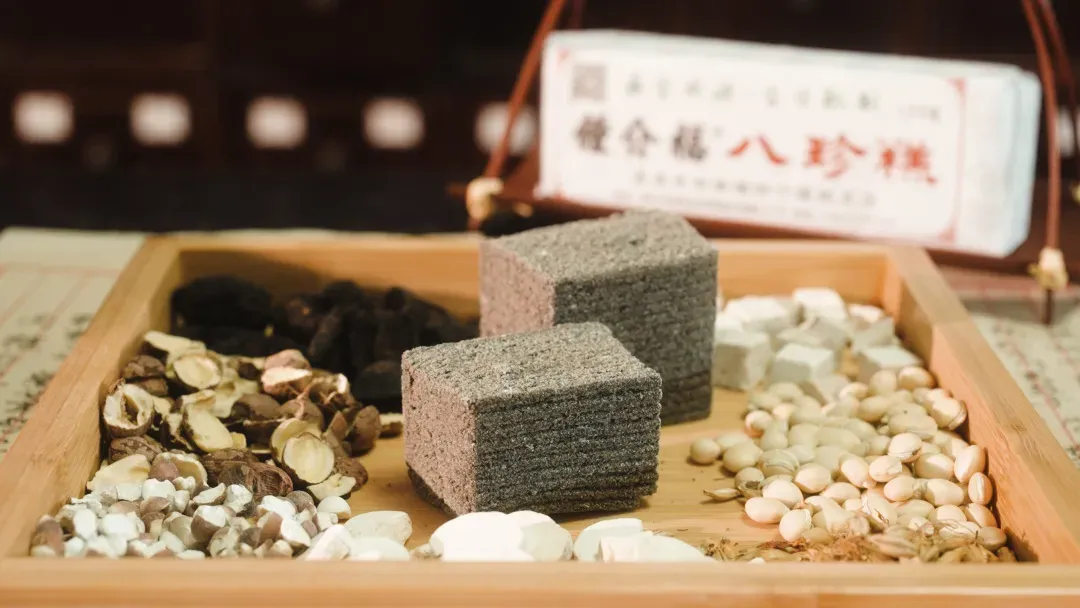
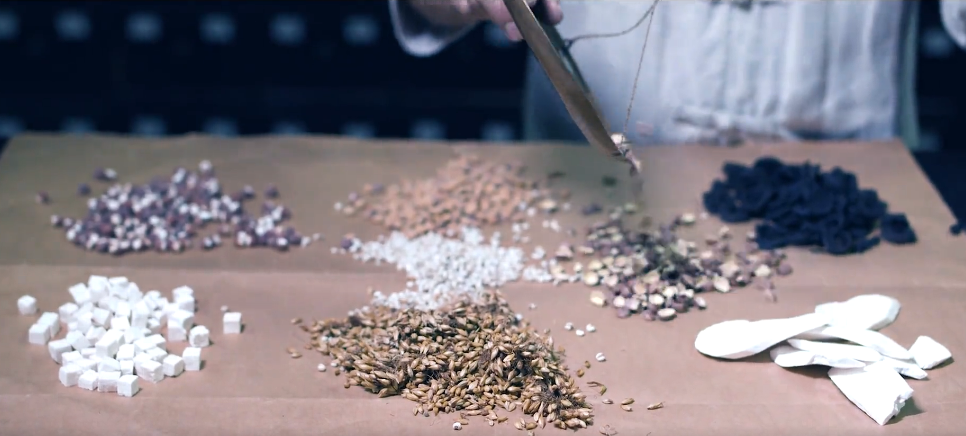
Beyond the palace walls, the cake also took root in local cultures, most notably in the ancient water town of Xitang in Zhejiang province. Here, a local variation known as Xitang Eight-Treasure Cake became a celebrated specialty. A man named Zhong Daosun is credited in the late 19th century with adapting the imperial recipe for local production, using glutinous rice flour and a blend of eight herbs that included hawthorn, Chinese yam, poria, gorgon fruit, rice kernel, malt, lentil, and lotus heart . This version was celebrated for its fragrant, sweet, and crisp character and was recognized for its cultural significance, being listed as an intangible cultural heritage of Zhejiang Province . The essence of the Eight-Treasure Cake lies in the synergistic blend of its components, each a powerhouse of nutrition in traditional Chinese medicine. The primary ingredients have remained largely consistent, forming a symphony of flavors and health benefits. Poria mushroom is used to soothe the mind and promote urination, while lotus seed and fox nut are believed to tonify the spleen and calm the spirit. Job's tears barley drains dampness from the body, and Chinese yam strengthens the lungs and kidneys in addition to fortifying the spleen. Hyacinth beans counteract summer dampness, and malt aids in digestion by breaking down starches. In the versions designed for vitality rather than just digestion, ginseng serves as a potent qi tonic, and pilose asian ginseng enhances these effects . The preparation of the cake is a meticulous process that transforms these raw, often powdered, ingredients into a cohesive and palatable form. The various medicinal powders are combined with finely milled rice flours—typically glutinous and non-glutinous rice—to create the dry base. Sugar or honey is dissolved in water and gently heated to create a syrup, which is then mixed into the dry ingredients. The key is to achieve a consistency that is neither too wet nor too dry, allowing the mixture to be pressed firmly into molds or spread evenly in a steamer tray. The cake is then steamed, a gentle cooking method that preserves the nutritional integrity of the ingredients. Once cooked and cooled, it is cut into small, manageable slices or bars, ready to be consumed .
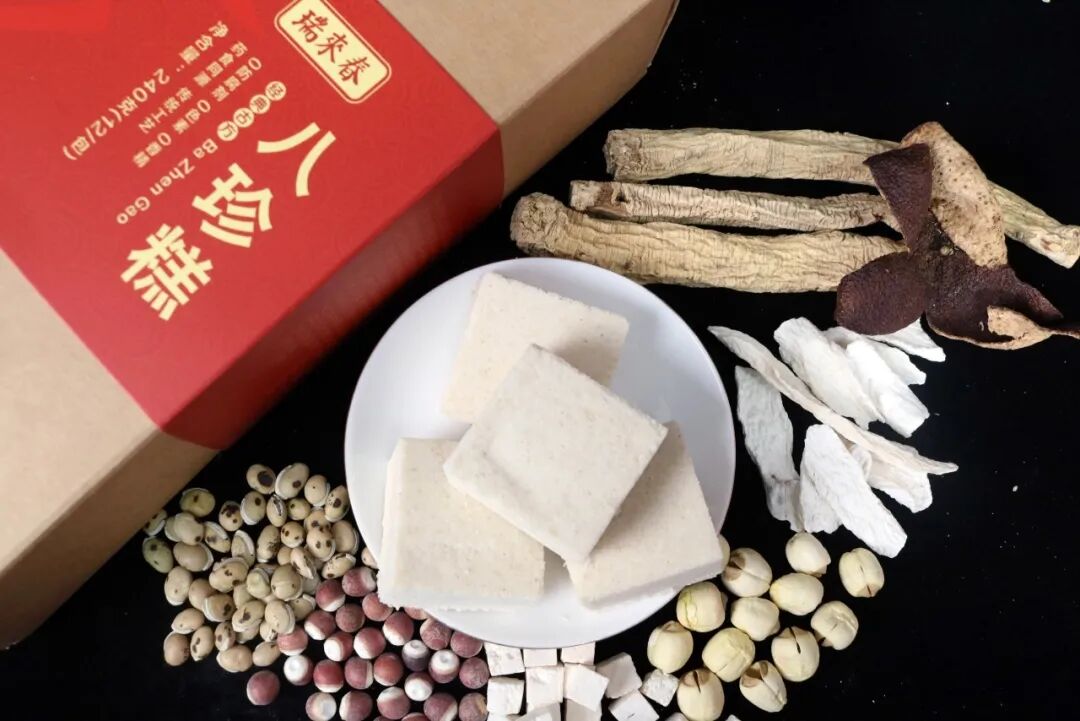
In contemporary China, the Eight-Treasure Cake has experienced a remarkable resurgence, aligning perfectly with a modern wellness movement that seeks natural and preventative approaches to health. While the traditional form is still widely available, many manufacturers have introduced innovations to suit contemporary palates and lifestyles. A significant trend has been the development of low-sugar or sugar-free versions, catering to health-conscious consumers and even those with diabetes, for whom ingredients like Chinese yam and Job's tears barley are considered beneficial . Some producers have even employed advanced techniques like cell-wall breaking technology, which micronizes the ingredients into tiny particles, making the nutrients easier for the body to absorb . The cake has also been strategically marketed to different demographics. For children prone to frequent colds and digestive issues, it is promoted as a gentle way to strengthen the foundational energy of the spleen and stomach, which in turn supports the immune system. For adults, especially the urban white-collar workforce plagued by irregular meals and high stress, the cake is presented as an antidote to the "spleen deficiency" caused by overthinking and poor dietary habits—a condition believed in Chinese medicine to lead to more serious problems like obesity, high blood pressure, and fatigue . The commercial landscape for traditional Chinese pastries, including the Eight-Treasure Cake, is robust and growing, fueled by both cultural preservation efforts and a global diaspora community. The market is valued in the billions of dollars, with products showing strong reorder rates, indicating sustained demand. While gift-boxed assortments often have the strongest commercial appeal, artisanal products that claim to be "handmade" or based on "traditional recipes" can command a premium price, appealing to consumers seeking authenticity .
The enduring appeal of the Eight-Treasure Cake is a testament to its deep-seated place in Chinese culture. It is a tangible link to a worldview that sees no stark division between the kitchen and the pharmacy. More than just a list of ingredients or a set of instructions, it represents a holistic philosophy of life—a belief in balance, prevention, and the power of nature to sustain the human body. From the meticulous notes of a Ming dynasty surgeon to the eager consumption by a modern urbanite, the cake continues to be a symbol of wisdom passed down through generations. It invites everyone to partake in a tradition where exquisite flavor and profound well-being are seamlessly woven together, offering a taste of imperial luxury and timeless health in every single bite .

