


Nestled in the southwestern foothills of the Greater Khingan Range in Inner Mongolia lies Arxan, a serene and picturesque border town. Its Mongolian name, “Haren Arxan”, means “hot holy water”, which perfectly defines the core feature of this land. Located at the junction of forests and grasslands, it boasts unique landforms shaped by hundreds of millions of years of volcanic movements, integrating forests, lakes, mineral springs and volcanic landscapes. Known as “China’s smallest city”, Arxan features a compact urban area and a sparse population. With a forest coverage rate exceeding 81% and exceptionally fresh air, it is well-deserved as a natural oxygen bar in northern Xinjiang. Blending marvelous natural wonders and profound diverse humanistic heritage, and featuring distinctive scenery all year round, it is a rare ecological secret land in the hinterland of the Greater Khingan Range.
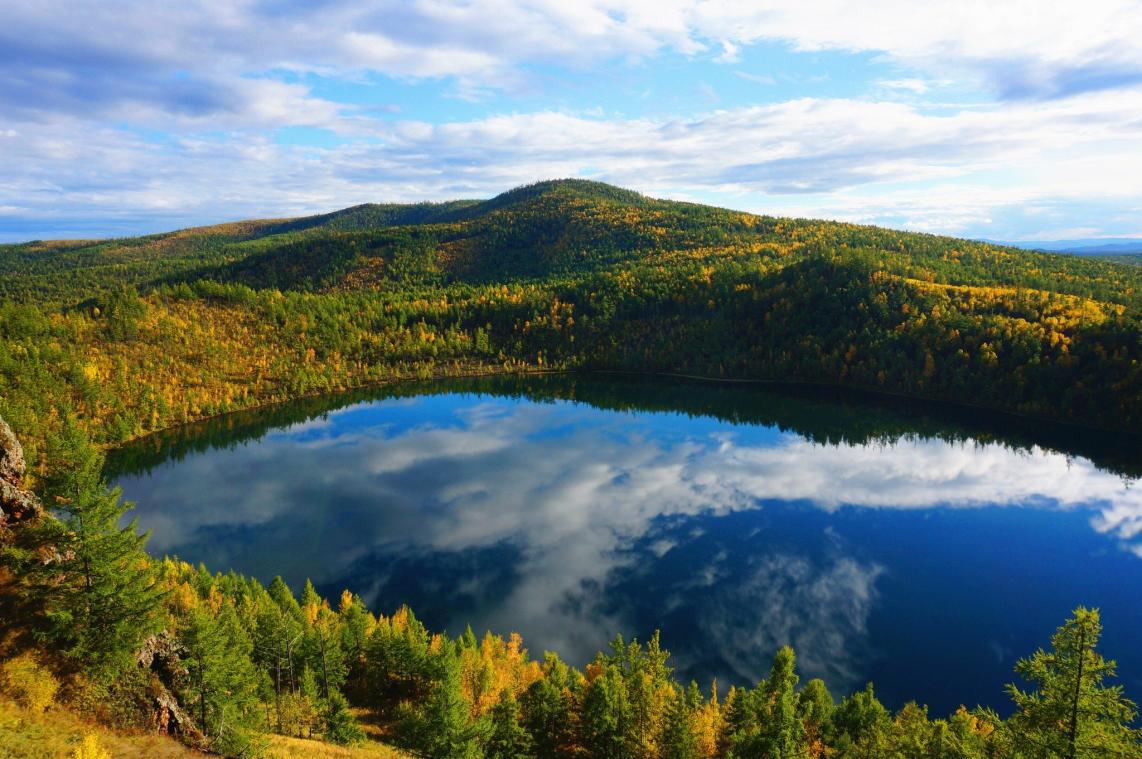
Volcanic Creation: A Geological Epic Carved by the Earth
Arxan serves as a natural volcanic geological museum, preserving complete relics of ancient volcanic activities. Scattered volcanic platforms, lava landforms and crater lakes fully record the evolutionary history of the earth. Among them, the Stone Pond Forest is Asia’s largest and best-preserved basalt lava landform. The ancient lava erupted and cooled, forming a vast sea of stone. Tenacious larch and dwarf pine trees grow among the rugged black rocks, with moss covering the stone surfaces, creating a unique spectacle of “forests growing on stones”. Well-preserved primitive geological forms endow this place with high scientific research and ornamental value.
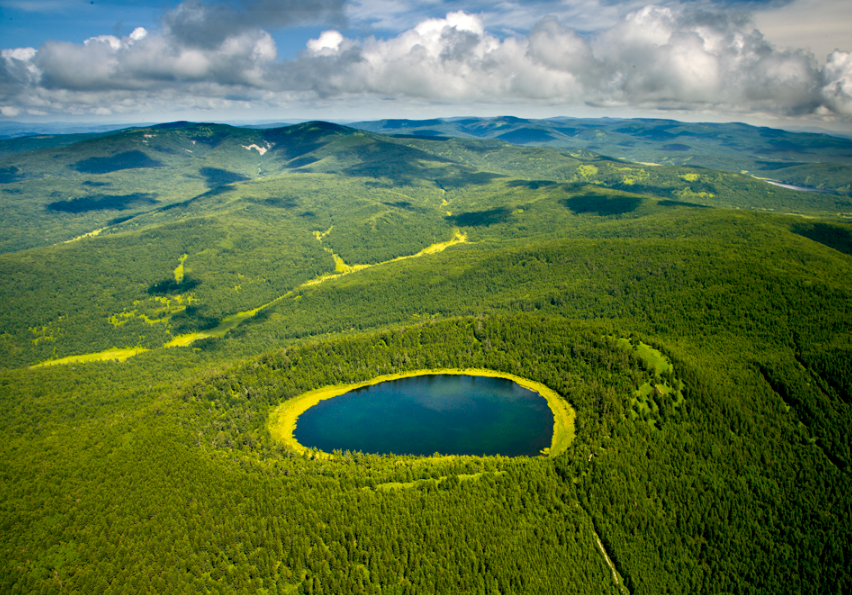
The volcanic lakes scattered across the mountains are the highlight of Arxan. Perched on the mountain top, Arxan Heavenly Lake has clear and abundant water all year round, never drying up or overflowing, a marvelous geological wonder. The Camel Hump Ridge Heavenly Lake features an elegant outline and mirror-like water reflecting the forest and sky. In spring, Azalea Lake is the most charming, with blooming azaleas on the volcanic rocks forming a picturesque scene of red flowers, black rocks and green water. Another unique attraction is the unfrozen section of the Harha River. Heated by geothermal energy, the river keeps flowing even in the extreme cold of minus 40 degrees Celsius in northern winters, with mist curling over the water and crystal rime lining the banks, forming a rare winter fairyland.
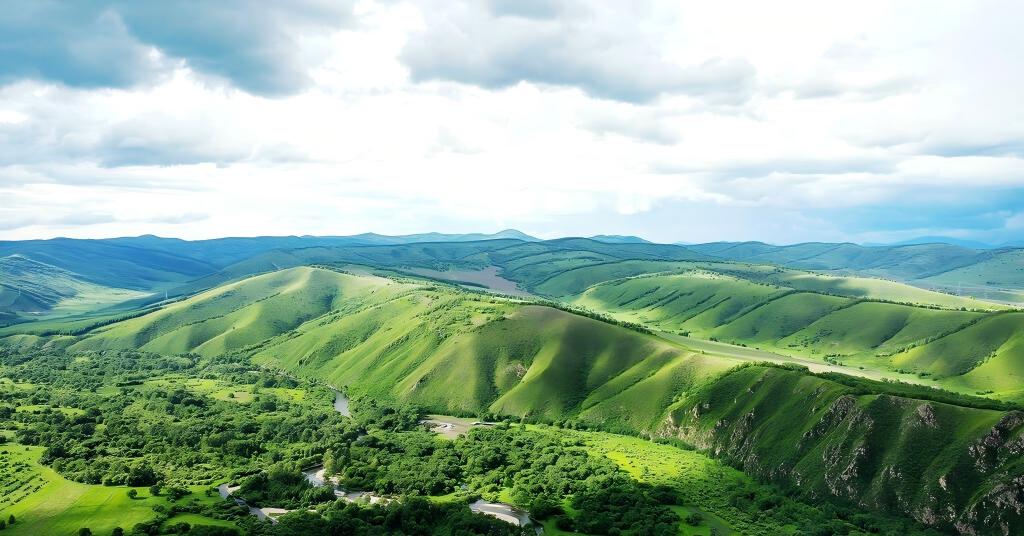
Forest Scenery in Four Seasons: A Flowing Landscape Scroll
Arxan thrives on forests, truly embodying the scene of “a city nestled in forests”. Vast primitive birch and larch forests stretch endlessly, presenting distinct scenery with the changing seasons. In early spring, ice and snow melt, mountains revive, and azaleas bloom boldly, dyeing the quiet forest with gorgeous colors. In summer, the forests are lush and green, stretching thousands of miles. With an average temperature of only 22 degrees Celsius, the cool breeze through the woods and rippling lake waters make it a famous summer resort for recreation and health preservation in northern China.
Autumn paints Arxan with layered colors. Golden pine forests, fiery oak trees and snow-white birch trees interweave, covering the mountains in gorgeous hues. The lake mirrors the colorful woods, forming an innate oil painting. In winter, heavy snow blankets the mountains and rivers, and the vast snowfield is wrapped in silver. The quiet forest, together with the misty rime along the unfrozen river, forms a pure and magnificent snow landscape, making Arxan a top-tier ice and snow tourism destination in China. With charming scenery all year round, it attracts countless visitors constantly.
Holy Water Spring Group: A Renowned Hometown of Mineral Springs
Arxan gets its name from springs, boasting a rarely seen dense cluster of functional mineral springs in the world. More than seventy springs are scattered here, including cold, warm, hot and hyperthermal springs with sharply different water temperatures within a short distance. Rich in various trace elements beneficial to the human body, the springs have outstanding health-preserving values. Since ancient times, herdsmen on the grassland have traveled here to bathe and recuperate, and the tradition of spring therapy has been passed down through generations, gaining widespread fame.
The local springs have different functions, such as eye springs and stomach springs, with pure and mild water quality. Among them, Wuli Spring features sweet and refreshing water, a rare natural drinking mineral spring. The China Hot Spring Museum located here perfectly retains the original style of the spring group. For thousands of years, the gushing holy water has nourished this land and nurtured a unique holy water culture. Folk activities such as the Holy Water Festival have been inherited to this day, embodying local people’s reverence and cherish for nature.
Border Town Culture: Inherited Memories of Northern Xinjiang
Small as it is, Arxan boasts a profound cultural heritage. Its long history of forestry cultivation has nurtured a rich forest culture. Intangible cultural heritages including wooden cottage architecture, bark paintings and forestry work songs record the ordinary life of local foresters. Ethnic groups such as Mongolians, Han people and Manchu people have lived here for generations, integrating Mongolian customs with forest culture and forming a simple and inclusive border town style.
The iconic Arxan Railway Station, with its simple and exquisite architecture, carries century-old historical memories of the border region and serves as a distinctive humanistic landscape. The border port adjacent to Mongolia stands quietly at the junction of forests and grasslands, presenting the vast and tranquil scenery of northern Xinjiang. The tidy town, wooden houses hidden in forests, and superb volcanic and landscape scenery endow Arxan with both natural charm and humanistic warmth.
Ecological Protection: Sustainable Vitality of Green Mountains and Clear Waters
As a core ecological barrier of the Greater Khingan Range, Arxan adheres to the concept of ecological priority and green development, committing to protecting its green mountains and clear waters. It is an important water conservation area and a habitat for rare wild animals such as roe deer and various birds. Abandoning extensive development modes, the local government develops cultural and tourism resources moderately and strictly controls ecological consumption, maximizing the preservation of primitive natural landscapes. Today, with volcanoes as its framework, forests as its coat and holy springs as its soul, Arxan integrates nature and humanity, balances ecological protection and development, and constantly shows the unique poetry and charm of northern Xinjiang.

