


The Breath on the Copper Sheet: The Miao Lusheng—a three-thousand-year symphony of mountain civilization played with reed slides.
In the Miao villages nestled between Leigong Mountain in Guizhou and Wumeng Mountain in Yunnan, there has always been a sound that never ceases. It rises from a gourd-shaped wooden vessel, passes through six or eight bitter bamboo tubes, and is produced by the vibration of a thumb-sized brass reed, ultimately coalescing into melodies of the lusheng—what the Miao people call "gix." In 2006, the craft of crafting the Miao lusheng was officially inscribed on the first batch of the National List of Intangible Cultural Heritage by the State Council of China, under project number VIII-33; the candidate regions include Leishan County in Guizhou Province and Daguan County in Yunnan Province. This is no instrument displayed in a glass cabinet—it is a brass reed, forged, scraped, and tuned thousands of years ago; each time it is played, it tells a story of migration, memory, and communal identity.
I. From Gourd to Bitter Bamboo: A Three-Millennia Evolutionary Journey of Reed Vibrators
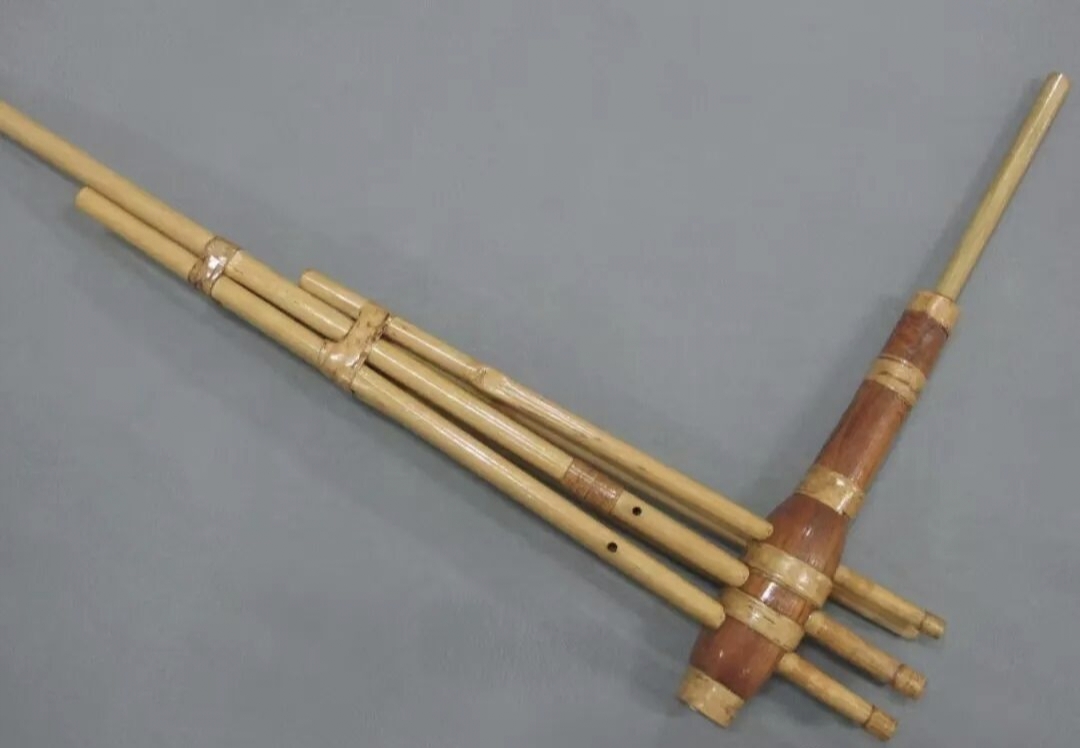
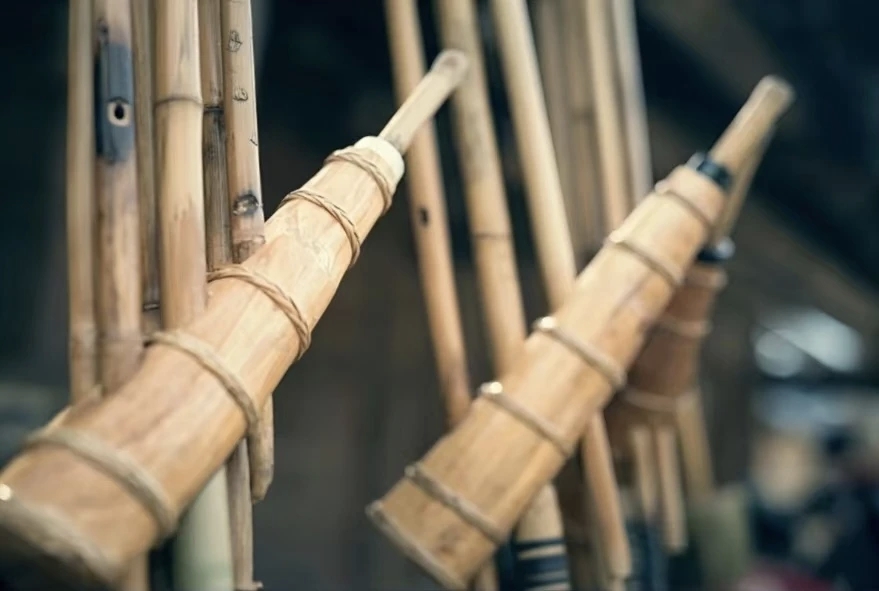
The origins of the Lusheng are even older than its distinctive sound. The academic community widely holds that the prototype of the Lusheng can be traced back to the "sheng" of the Central Plains—a reed instrument featuring a gourd as its shell and bamboo tubes as its sound pipes. As the ancestors of the Miao people underwent several major migrations from the Central Plains into the mountainous regions of Southwest China, this instrument also underwent its own transformation during these migrations. The shell evolved from gourd to wood, the arrangement of the sound pipes shifted from random placement to strict adherence to the pentatonic scale, and ultimately, it took on the three-component structure—shell, sound pipes, and reed—that is characteristic of the Lusheng as it is known today.
Paika Village in Danjiang Town of Leishan County, Pingxiang Village in Fangxiang Township of Leishan County, and Tianxing Town in Daguan County are the two most important heritage sites for this traditional craft. Each of these two regions has its own distinct focus: the Lusheng of Leishan is renowned for its pure sound quality and polished exterior, while the Lusheng of Tianxing in Daguan County, under the guidance of Wang Jiefeng, has modified the number of sound pipes from the traditional six to eight or ten, and has also incorporated a specific proportion of lead into the brass reed production process to enhance the reed's elasticity and toughness, thereby yielding a louder and more melodious tone. In both Leishan and Daguan, crafting a qualified Lusheng involves dozens of meticulous steps—selecting materials, firing the materials, polishing the sheng body, crafting bamboo and wooden components, forging the reeds, and final assembly and tuning. Among these steps, the production of the reeds is the most critical phase.
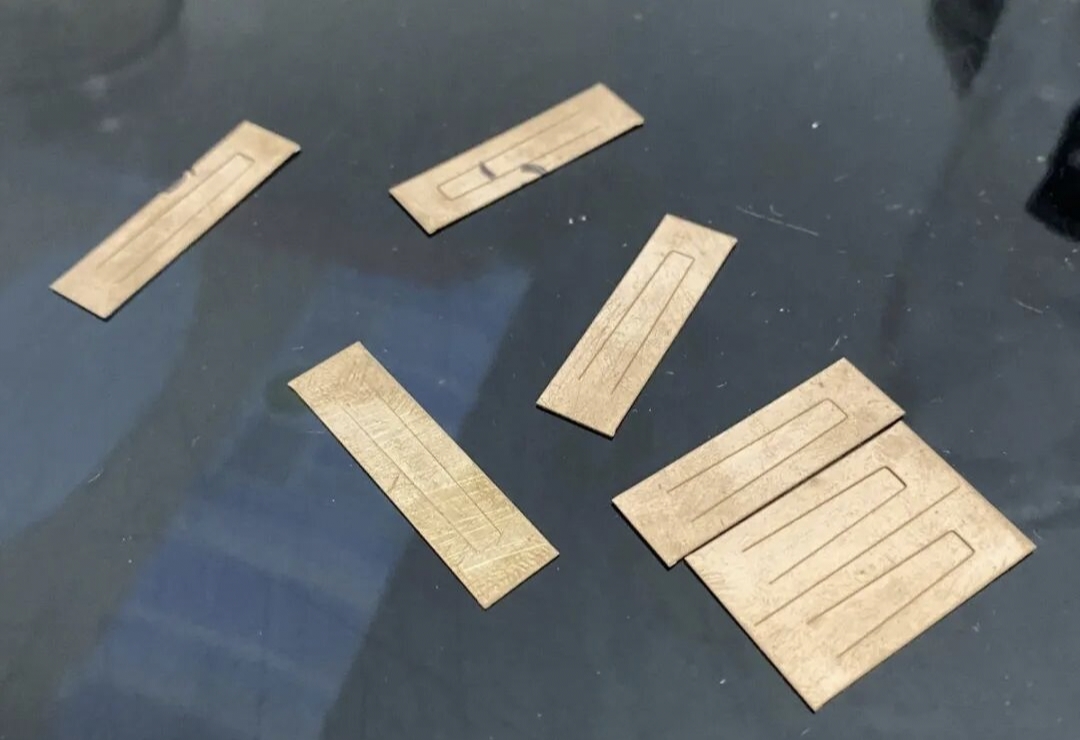
Wang Aihua, the sixth-generation inheritor of the Lusheng craft in Daguan, Yunnan, recalled that in his teenage years, he learned to play the Lusheng, yet he could never master the reeds; at one point, he even considered giving up. It was not until his father, Wang Jiefeng, sternly told him: "The Lusheng is a vital part of our Miao ethnic culture, and its technical challenges must be overcome," that he changed his mind. Crafting the reeds requires repeatedly forging brass into thin sheets, then carving out a tongue-shaped profile with a knife. "The reeds must be scraped to an extremely thin consistency, and their tips must be carved with distinct forks; only in this way can they produce precise tones under the impact of airflow." If one side of the copper sheet were thinner than the other, or if the tongue-shaped section were too large or too small, the entire Lusheng would fall silent. This delicate craft, which relies entirely on tactile sensation and auditory perception, has no written documentation to replace it—it is preserved between the artisan's fingertips and his eardrums, and can only be transmitted from master to apprentice through live demonstration.
II. The Global Language of the Reed Instrument: How the Lusheng Engages in a Global Musical Dialogue
The reed of the lusheng serves as a key to fostering cross-cultural dialogue. From an acoustic perspective, the lusheng belongs to the category of "free-reed wind instruments" —sharing the same family with European instruments such as the organ, harmonica, and accordion. Under the influence of airflow, a brass reed vibrates freely to produce a fundamental tone of fixed pitch, while the length of the lusheng's tube determines the resonance frequency. This indicates that the lusheng shares a profound physical affinity with Western reed instruments—a connection that is now being rediscovered in international musical exchanges.
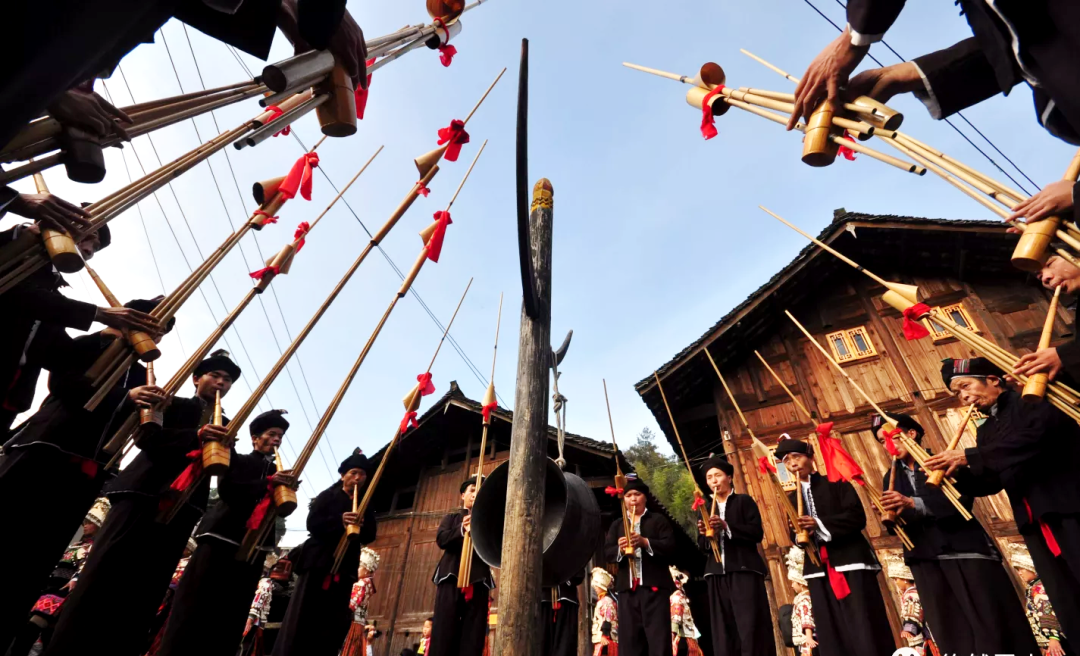
In April 2026, Hong Kong's "International Sheng Festival," themed "Endless Life of the Sheng: A Confluence of Thousands of Reeds," brought together diverse orchestras from home and abroad as well as performers of reed instruments. The featured instruments spanned both Eastern and Western reed instruments, including the sheng, lusheng, gourd sheng, hulusi, harmonica, and wind flute. A 20-member ensemble from the Kaili University Lusheng Orchestra was invited to Hong Kong; dressed in traditional Miao attire and holding mangtong and lusheng, they performed traditional folk melodies, engaging in artistic exchanges with international peers during roaming performances and outdoor concerts. The central motif of this event— "a confluence of thousands of reeds" —carries profound symbolic significance: a copper reed hewn from the depths of Leigong Mountain resonated alongside a reed from a Scottish wind flute or a German harmonica on the same stage. In July 2025, six European musicians visited the Qianhu Miao Village in Xijiang, Guizhou. The Italian composer Andrea Granitzio curiously inquired whether the dancers' movements while playing the lusheng were deliberately designed; to this, Yang Zhengping, a lusheng instructor at Kaili University, responded with a simple yet insightful remark: "When the lusheng sounds, my feet itch—this has always been the essence of integrating music and dance in our tradition." The British percussionist Bogdan Skrypka then took the stage to perform "We Will Rock You" in ensemble with Guizhou folk artists using Miao wooden drums. As musical notes collided between the folk melodies of the Miao people and European tunes, this very collision demonstrated one truth: the sound waves generated by reed vibrations transcend the boundaries of language.
III. From Paika Village to Nagoya: The Global Echo of a Single Village
If the international dialogue of the Lusheng occurs at the level of its sound, then its global resonance unfolds at the level of its cultural symbolism. In January 2024, the Ethnic Art Troupe of Kaili College traveled to Japan to participate in the 18th Nagoya Chinese Spring Festival Festival, where the Miao ethnic group's Lusheng dance "Nanmeng Lusheng Dance" was performed alongside the Dong ethnic group's Great Song and the Miao ethnic group's Golden Pheasant Dance, earning high acclaim from overseas audiences and Chinese compatriots living in Japan. In September of the same year, 80 teenagers from Washington State, USA, visited the Qiandongnan region of Guizhou Province, where they played the Lusheng, danced the Fanpai wooden drum dance, and experienced the preparation of Miao ethnic group's sour soup at Miao village secondary schools. The significance of these activities lies not in teaching foreigners how to play the Lusheng, but in allowing them to personally experience a fundamentally different musical logic: in Miao culture, musical instruments are not merely "played," but are instead "lived." The Lusheng is not merely a stage prop; it serves as a medium to guide the souls of the deceased in sacrificial rituals, as a clarion call to unite the ethnic community during festivals, and as a private dialogue through which young men and women convey their feelings.
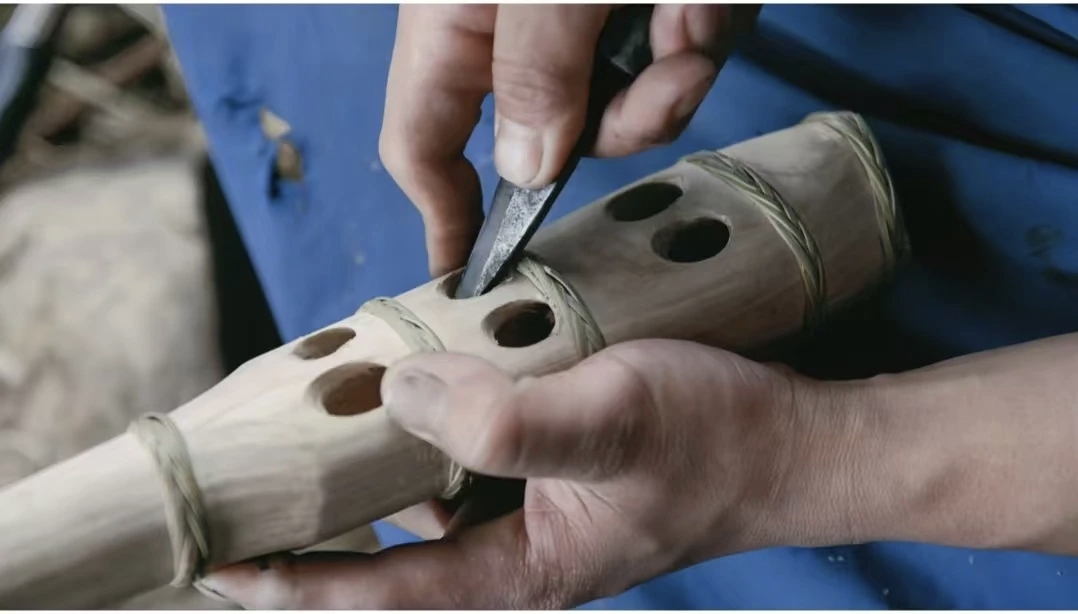
Mo Yanxue, a nationally recognized inheritor of this craft, holds a simple yet profound understanding of this tradition. Born in 1951 in Leishan, he began learning how to craft the lusheng under his father's guidance at the age of 16; over the past five decades, he has become the fourth-generation inheritor of the Mo family's lusheng-making legacy. He has evolved the traditional six-pipe lusheng into models ranging from fifteen to twenty-four pipes today, with large lushengs reaching lengths of six to seven meters, and these instruments are now sold both domestically and internationally. However, what matters most to him is not where these lushengs are sold, but rather the conviction that "in this lifetime, to master the craft of lusheng-making is enough for me." The village of Paika, where Mo Yanxue resides, is hailed as the "Hometown of Lusheng Craftsmanship." Under his leadership, the farming households in the village capable of producing lusheng have all achieved substantial economic benefits. This model of "supporting the craft through the craft" has transformed lusheng-making from a pure form of familial inheritance into a sustainable community livelihood.
IV. The Silent Spring and the Revived Copper Sound: A Crossroads of Heritage
However, the craft of lusheng making now faces a paradoxical dilemma: it is too "dynamic" to be institutionally protected, yet too "traditional" to be embraced by the younger generation.
The core challenge in preserving this craft lies in its physical dimension—the mastery of reed craftsmanship. In the Leishan region, artisans who craft the Lusheng rely solely on the most basic tools—such as a bellows, a hammer, brass, an axe, a chisel, and a saw—to create exquisitely crafted and functional Lusheng instruments of diverse designs. Yet, precisely because of this, the transmission of this skill depends entirely on oral instruction and repeated demonstrations between master and apprentice; no written documentation exists to preserve this knowledge. In the tide of urbanization, young people are increasingly leaving their villages, thereby distancing themselves from this "knowledge of the fingertips" —a skill that requires prolonged immersion to master. Yang Ziming, an experienced Lusheng artisan from Muzu Bai Village in Pingbian County, Yunnan Province, voices a sentiment shared by many practitioners: "The process of crafting a Lusheng is intricate; from selecting the bamboo to tuning the instrument, every step demands meticulous precision. Yet today, the young people in our village have all gone out to seek work elsewhere, and none of them are willing to set aside their time to learn this craft."
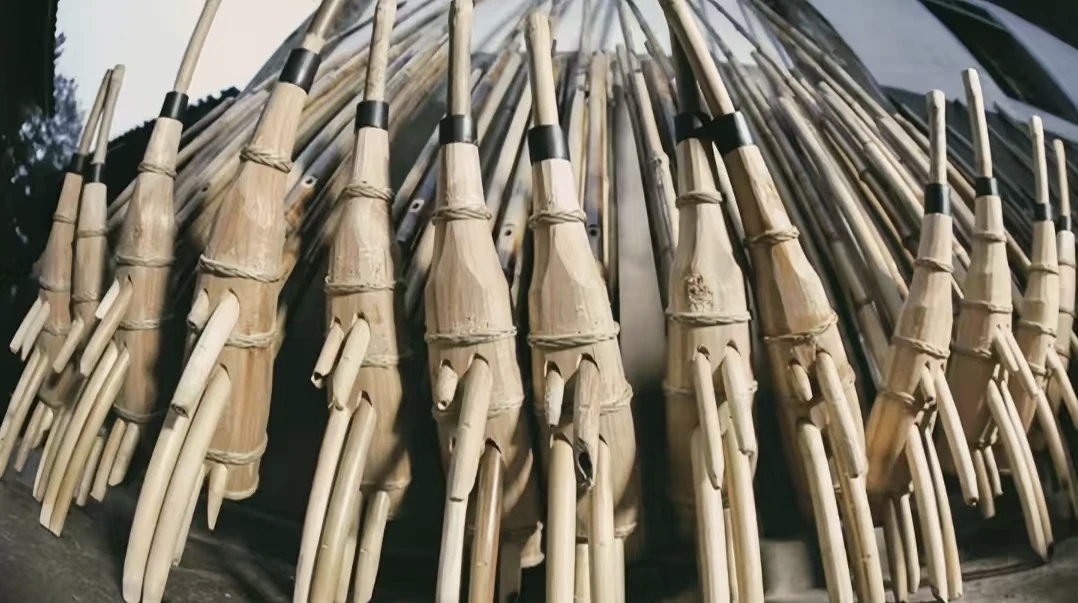
It is heartening that new pathways for cultural inheritance are being forged. Following the passing of his father, Wang Aihua has devoted his craftsmanship to preserving this traditional art by organizing Lusheng-making training workshops, having trained over 100 participants in total, and actively promoting the integration of Lusheng craftsmanship and Lusheng dance into school curricula. Since 2021, Leishan County has, for several consecutive years, offered free summer training programs for students in intangible cultural heritage skills, including Lusheng and embroidery. In 2024, Leishan County signed cooperation agreements with Beijing Lifang Law Firm and the Guangdong Provincial Legal Aid Foundation to establish the first intangible cultural heritage legal consultation and mediation center in Guizhou Province, aiming to address the challenges of intellectual property protection that intangible cultural heritage works encounter when entering the market. Yang Changjie, a Lusheng instructor at Kaili University, has proposed a "3+4" collaborative model: the "three-step strategy" —preserving and protecting the craft, innovating and enhancing products, and securing market channels for the products—alongside a "four-dimensional synergy" mechanism that leverages coordinated efforts from universities, government agencies, enterprises, and local villagers. The common goal of these initiatives is not to confine Lusheng to the status of a museum artifact, but rather to ensure that it remains a living tradition, finding its voice within contemporary society.
For anyone hearing the lusheng for the first time in a Miao village, its sound may not sound pleasant—at first, it carries the metallic quality of copper plates, the wooden resonance of bamboo tubes, and the subtle tremor of the airflow passing through the gaps of the reed slits within the lusheng's frame. But if, at dusk, you stand by the Danjiang River in Paika Village and listen to Mo Yanxue's son or Wang Aihua's trainee attempt to play a newly crafted lusheng, you will suddenly realize: the reason this instrument has never lost its voice throughout three millennia of migration lies not in how well it has been preserved, but in the fact that each generation, in its own way, has learned once again how to breathe for a copper plate. The lusheng whispers to every listener: the continuity of civilization has never depended on locking tradition away in a safe; instead, it has depended on generations of people being willing to lean in and listen to the vibration of a single reed, and then, with their own breath, allow it to continue to resonate.

