


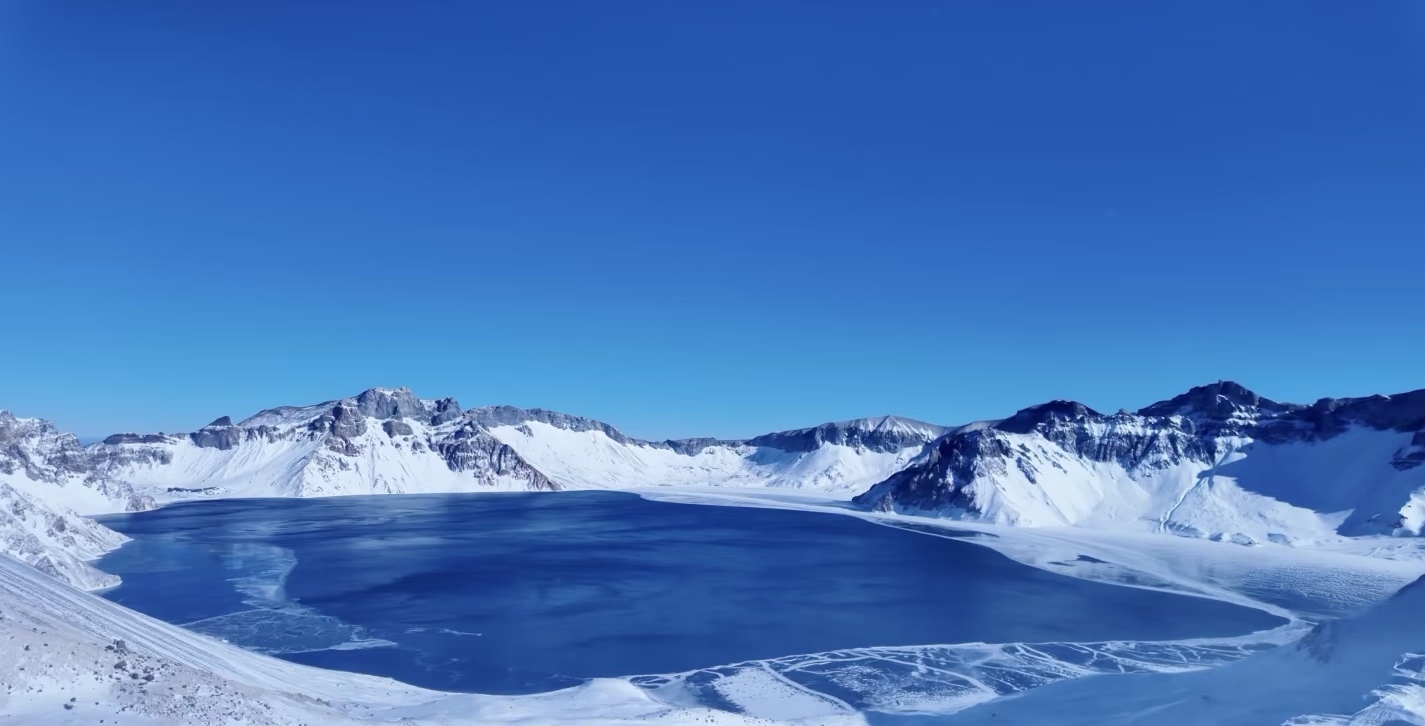
In the vast northern expanse of China stands a mountain of both grandeur and ethereal beauty—Mount Changbai. Located in the southeastern part of Jilin Province, it is the highest mountain range on the eastern edge of the Eurasian continent. Renowned for its unique and well-preserved volcanic landforms, it has been hailed as a "three-dimensional treasure house of resources" and a "gene bank of species."
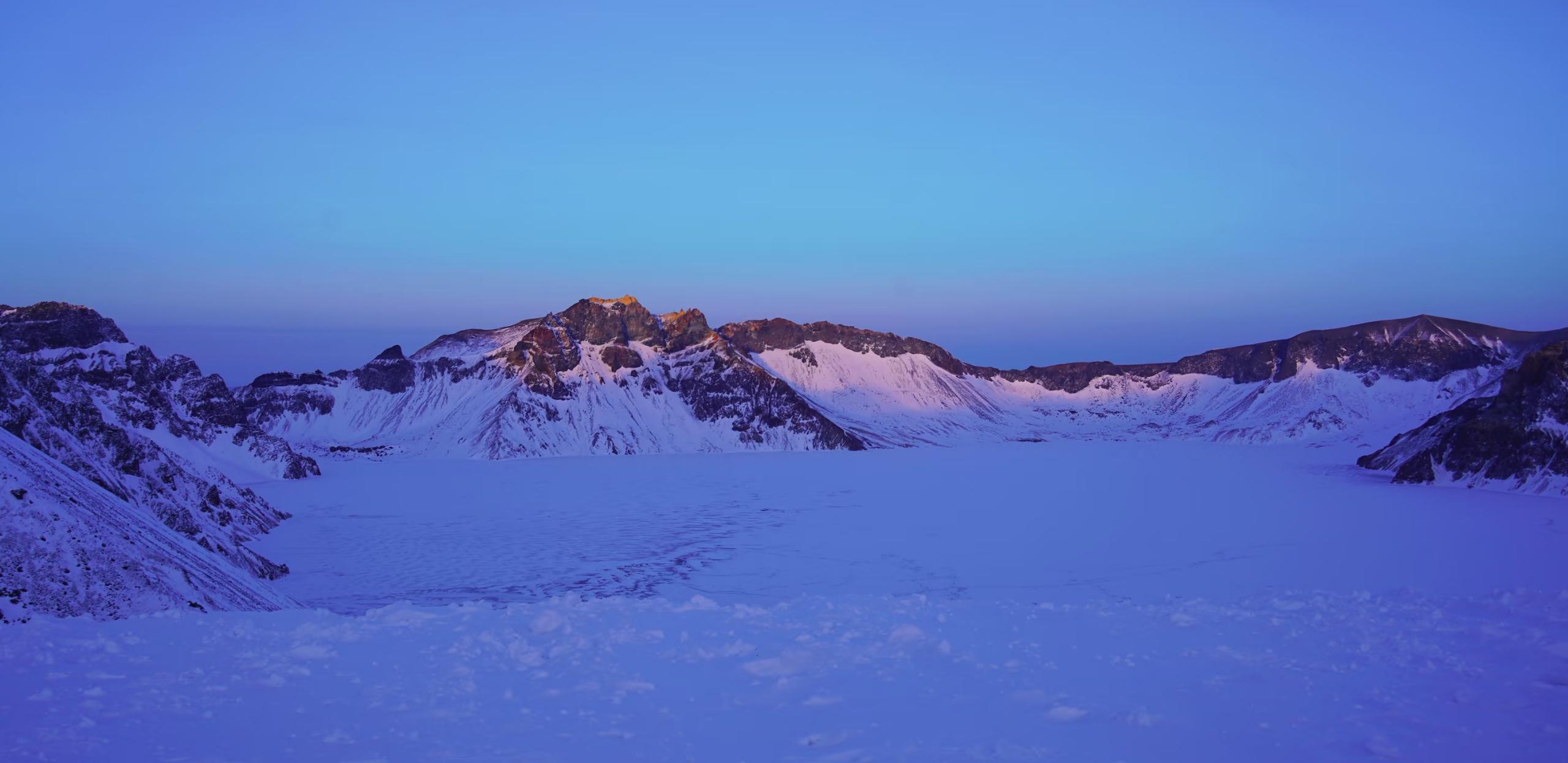
The wonder of Mount Changbai lies first in its magnificent volcanic landscapes. It is one of the best-preserved composite dormant volcanoes in the world, having recorded the complete process of volcanic formation over millions of years. Through multiple eruptions across geological ages, layers of lava and volcanic debris accumulated to form its massive conical shape. At the summit of this volcanic giant, nature's masterstroke is Heavenly Lake (Tianchi) —a crater lake formed by accumulated rainwater and snowmelt. With a surface elevation of nearly 2,200 meters, an average depth of 204 meters, and a maximum depth of 373 meters, it is the deepest lake in China and the highest volcanic crater lake in the world. Encircling the lake are 16 peaks rising above 2,500 meters, with Baiyun Peak reaching 2,691 meters—the highest point in Northeast China. From the only outlet on the northern side, the lake water cascades down in a magnificent 68-meter drop, forming the Changbai Waterfall, which roars onward to feed the Songhua River—marking the beginning of the great journey of three major river systems.
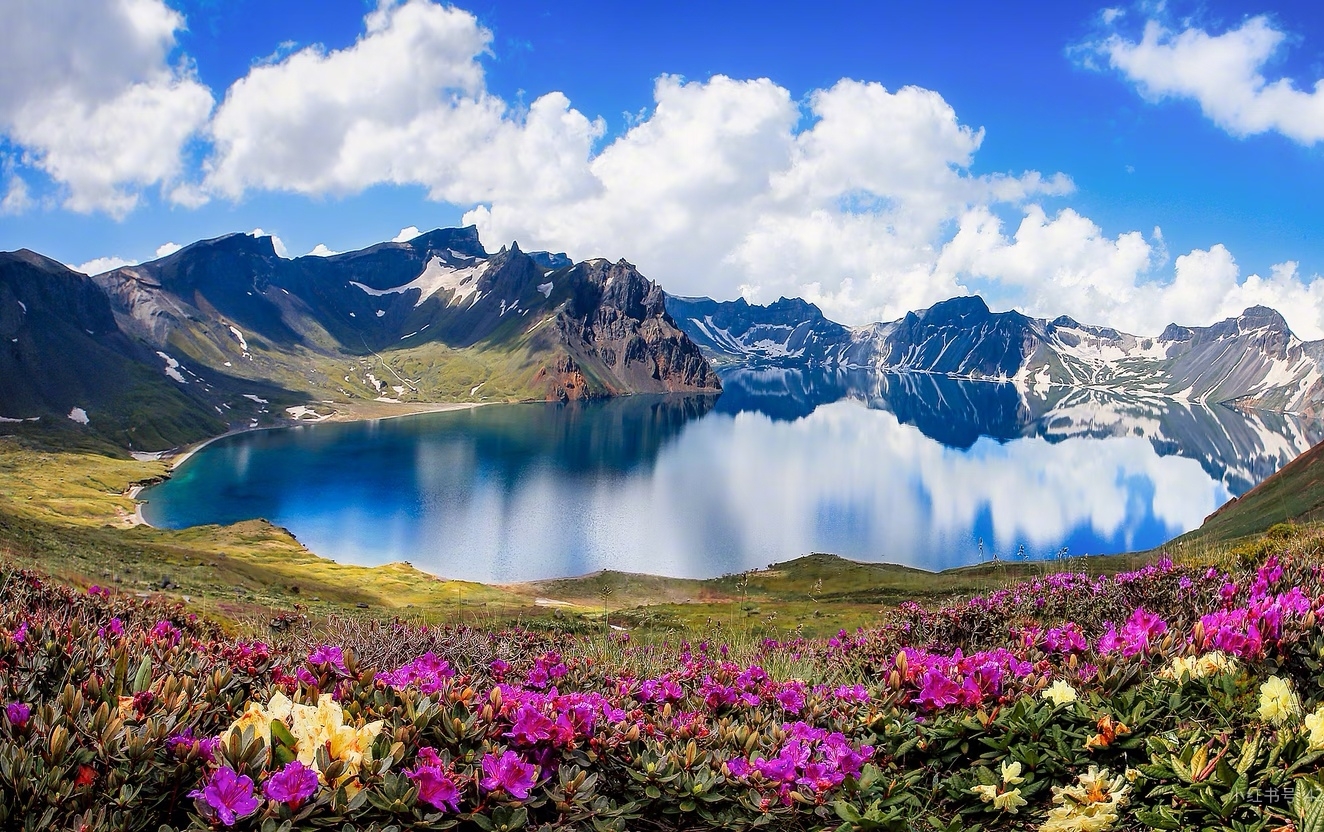
The splendor of Mount Changbai also unfolds in its extraordinary vertical ecological zones, which transform dramatically from base to summit. Below 1,100 meters lies a mixed broadleaf-Korean pine forest. Ascending further, one encounters the dark coniferous forest zone, followed by the birch forest belt, and finally the alpine tundra zone above 2,000 meters. The boundaries between these plant communities are strikingly distinct—from broadleaf pines to lichens and mosses—offering stunning views in every season: rhododendrons blooming against spring snow, dense summer canopies shading the earth, autumn's riot of colors carpeting the slopes, and winter's vast snow-covered forests. This pristine forest ecosystem, with its complete biological chain, is home to numerous rare and endangered species—the Chinese merganser duck glides along streams, and the sable roams through the woods. The area has been recognized as part of UNESCO's "Man and the Biosphere" network.
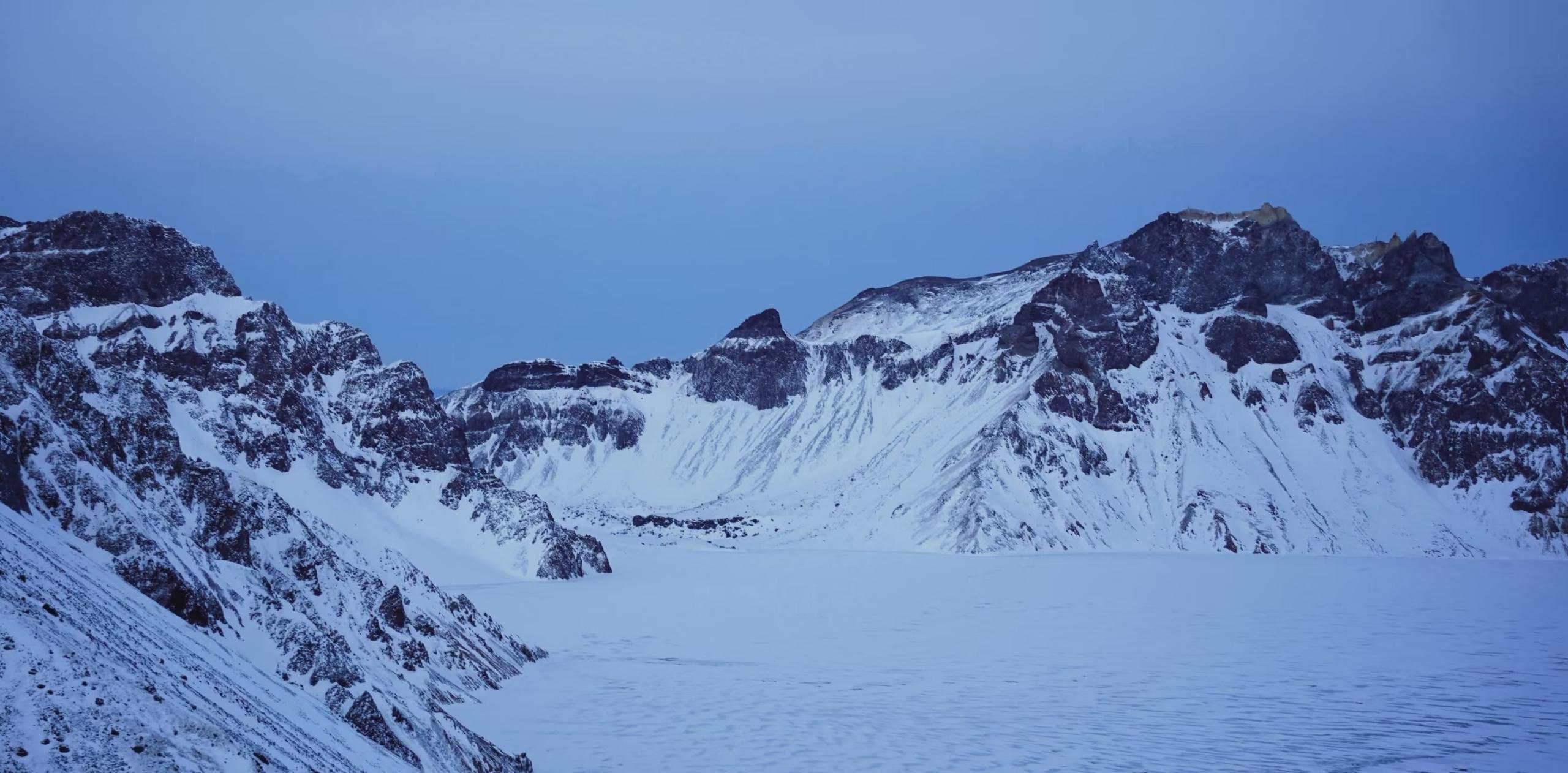
Mount Changbai is also a sacred mountain steeped in cultural heritage. It is regarded as the birthplace of the Manchu people, and during the Qing Dynasty, it was venerated as a "holy site," placed under a two-century-long ban on entry and sacrificial rites. Hidden within the mountain's hinterland is a living fossil of Changbai's wood culture—the Jinjiang Log Village. Built entirely without a single brick or tile, its wooden beams and shingles are crafted using the ancient Manchu "log-cabin" technique, with mortise-and-tenon joinery that has withstood centuries of wind and snow. Today, Mount Changbai has been successfully inscribed on the UNESCO Global Geoparks list, advancing both scientific research and public education to share this dual heritage—natural and cultural—with the wider world. Mount Changbai is more than just a mountain; it is an epic poem written upon the earth.

