


Miao embroidery is a time-honored traditional embroidery handicraft passed down from generation to generation by the Miao people and a national intangible cultural heritage of China. It is hailed as a wordless historical book worn on the body. For thousands of years, the Miao ethnic group, which has no written characters, has inscribed its migration history, folk beliefs and daily life on cloth. Every colored thread and delicate stitch embodies the millennium-old culture and wisdom of the Miao nation. More than a mere decorative craft for costumes, Miao embroidery serves as a spiritual carrier for the Miao people to record history, express emotions and inherit civilization, boasting unique ethnic artistic charm forged through years of evolution.
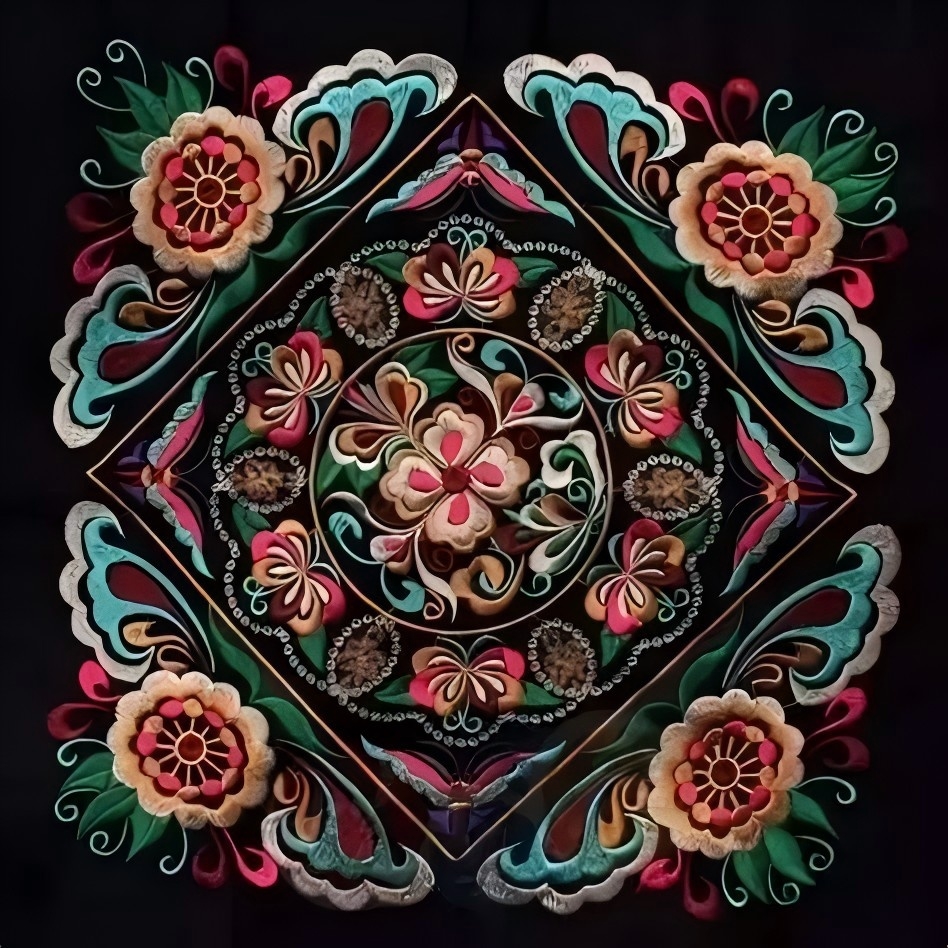
A Time-Honored Legacy: A Millennium-Old Ethnic Culture
The development of Miao embroidery runs through the millennial migration history of the Miao people. Rooted in Miao settlements across southwest China’s Guizhou, Hunan, Chongqing and Yunnan provinces, it has evolved into a mature folk craft system after centuries of refinement. In ancient times, Miao ancestors took animal skins and linen as substrates and dyed threads with natural minerals and plant juices, giving birth to the embryonic form of Miao embroidery. During long-term migration and settlement, Miao embroidery absorbed diverse regional cultural features and gradually developed into distinctive schools including Leishan, Huaxi, Jianhe and Xiangxi Miao embroidery, each with its own unique style and charm.
Unlike other embroidery techniques, Miao embroidery has always been rooted in folk life and passed down orally and manually from elders to youngsters. Miao girls learn embroidery at an early age by observing and following senior artisans, and they personally embroider their own daily clothes, wedding gowns and accessories throughout their lives. Listed in the first batch of National Intangible Cultural Heritage in 2006, Leishan Miao embroidery, the representative school of Miao embroidery, has been officially incorporated into the national traditional culture protection system, standing as an indispensable treasure of China’s intangible cultural heritage.
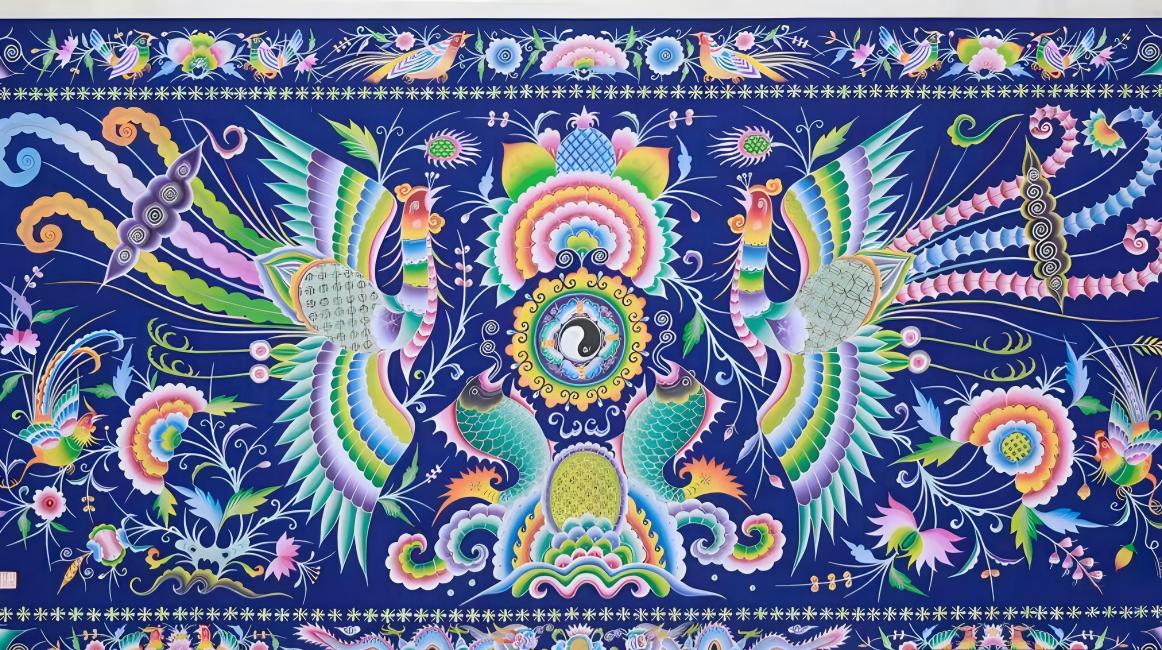
Exquisite Craftsmanship: Ingenious and Authentic Handiwork
The artistic appeal of Miao embroidery stems from its elaborate and authentic handmade techniques. Created entirely by artisans’ imagination and proficient skills without drafts or sketches, it features simple and natural materials. Traditional embroidery threads are dyed with natural plants and minerals, presenting rich, steady colors that resist fading over time. The base cloth is hand-woven native cloth, sturdy and durable, perfectly suited for various embroidery stitches.
Miao embroidery boasts a rich variety of stitches reflecting the ingenuity of Miao craftsmen, including flat stitch, braided stitch, knot stitch, seed stitch and overlay stitch, totaling more than ten techniques. Among them, seed stitch creates full, three-dimensional textures; braided stitch features tight and layered patterns; overlay stitch forms thick and dimensional surfaces. The combination of diverse stitches breathes vivid vitality into ordinary cloth. The entire production process is rigorous and complicated, including spinning, dyeing, grounding, embroidering and edging, all completed purely by hand. A complete Miao embroidery costume often takes months or even years to finish, embodying the spirit of meticulous craftsmanship.
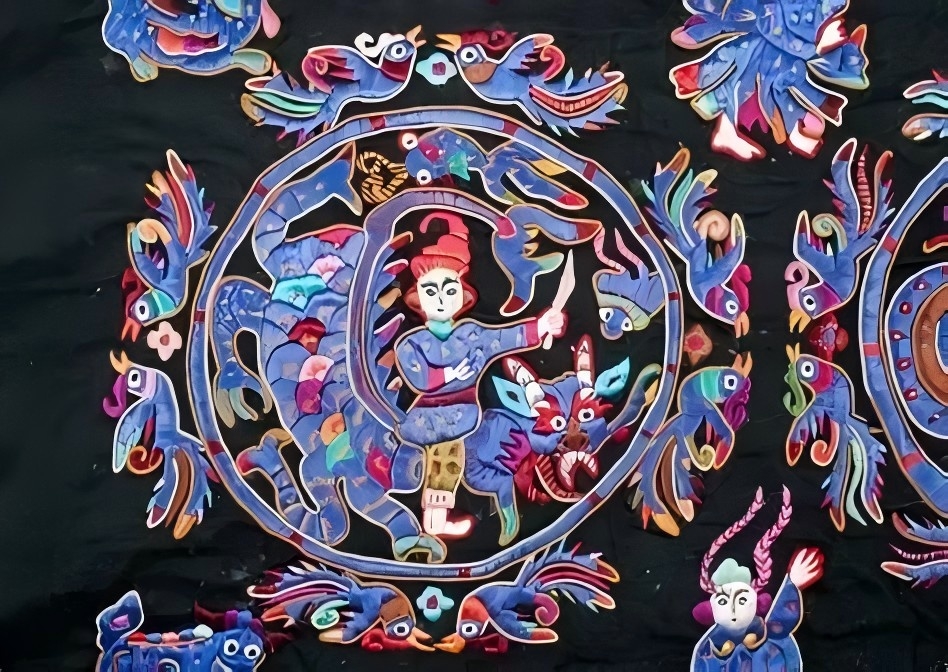
Patterned Meanings: Symbolic Ethnic Totems
Patterns are the soul of Miao embroidery. Every design is a vivid cultural symbol that carries the nation’s memories and aspirations. Unadorned and authentic, Miao embroidery patterns derive from nature and daily life, covering all living things in the world and diverse folk customs. They are roughly divided into four categories: natural objects, mythical totems, geometric textures and human life scenes, with flowers, birds, mountains, rivers, suns, moons, butterflies and dragons as the most common themes.
Every pattern carries profound implied meanings and people’s sincere wishes. The butterfly pattern, the ancestral totem of the Miao people, symbolizes the prosperity and continuity of the ethnic group; dragon and phoenix patterns represent good fortune, peace and favorable weather; geometric textures record ancient migration routes and landforms, preserving the Miao people’s migration memories; floral and faunal patterns convey reverence for nature and yearning for a better life. Blending figurative and abstract elements without fixed formulas, the patterns are created freely by artisans, making every Miao embroidery work unique and irreplicable.
New Vitality: Inheritance and Innovation of Ancient Intangible Heritage
Once hidden in remote mountains and little-known to the public, Miao embroidery was merely used as costume decoration and faced the dilemma of aging artisans, insufficient successors and marginalization of the craft. Today, with the advancement of intangible heritage protection and cultural tourism development, this ancient craft has embraced new opportunities. Local regions have built intangible heritage workshops and rural revitalization demonstration bases based on Miao embroidery resources, enabling Miao embroideresses to work nearby and turn the traditional craft into a pillar industry for rural prosperity.
Meanwhile, Miao embroidery has broken traditional boundaries and embarked on a path of integration and innovation. Cross-border cooperation between artisans and designers combines classic Miao patterns with modern aesthetics, spawning a wide range of new products such as scarves, bags, cultural and creative ornaments and trendy costumes. Having stepped onto international stages including Milan Fashion Week, Miao embroidery showcases the unique charm of Chinese ethnic handicrafts to the world. No longer confined to traditional costumes, this ancient craft has integrated into modern life and the mass market, realizing dual empowerment of cultural value and economic value.
Stitches weave the passage of time; patterns inherit millennial traditions. Miao embroidery embodies the ingenuity and sentiments of generations of Miao people and bears witness to the cultural roots of ethnic minorities. Protected and innovated in the new era, this ancient handicraft breaks free from temporal constraints and radiates enduring vitality, passing on the eternal Miao spirit through every flowing stitch.

