


A gaze spanning thousands of miles: The Great Wall—a civilizational boundary etched with bricks and stones over two millennia.
Among all defensive structures ever built by humanity, no wall has evoked such a profound sense of awe and confusion in successive generations of travelers standing before it—what exactly is it blocking, and what is it safeguarding? In 1987, the Great Wall was inscribed on the World Heritage List as one of China's first World Heritage Sites, with UNESCO describing it as "the greatest engineering achievement in human civilization." From space, this serpentine dragon winding through northern China stands among the few landmarks visible to the naked eye. Yet when you approach it and touch those bricks and stones worn down by six centuries of wind and sand, you will discover that what the Great Wall has always safeguarded is not merely a physical boundary, but how a civilization defines itself.
I. From Beacon Lights to Brickwork: A Project That Has Eluded Completion for Two Millennia
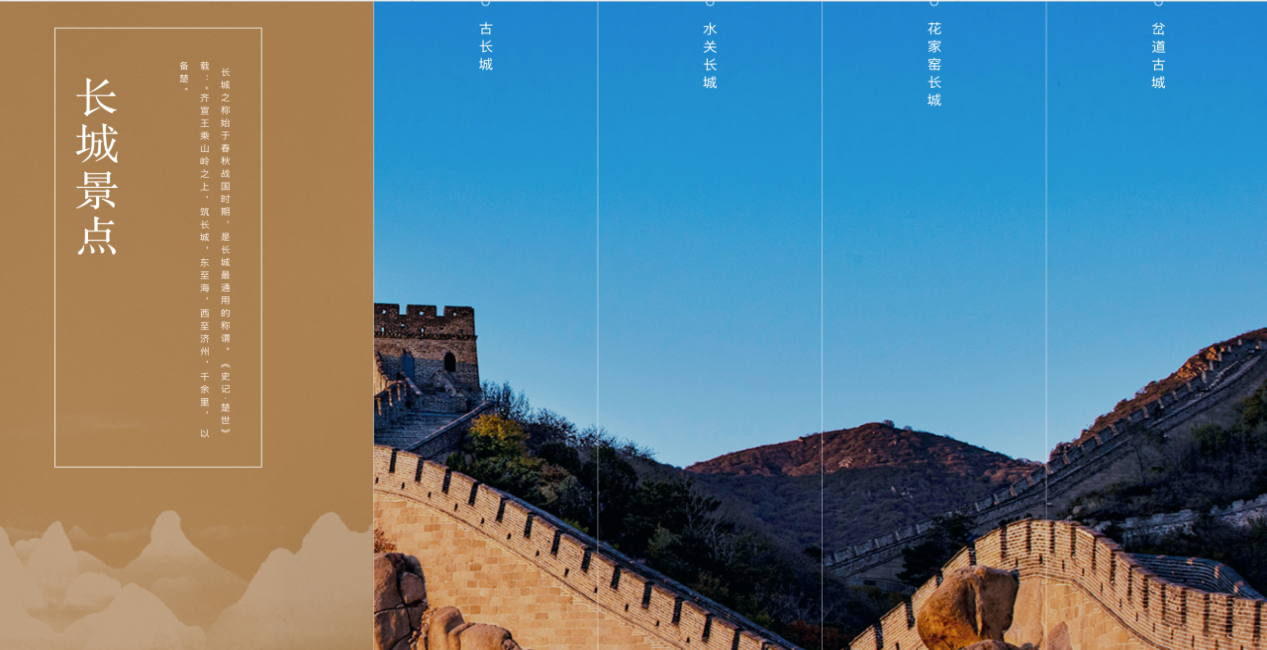
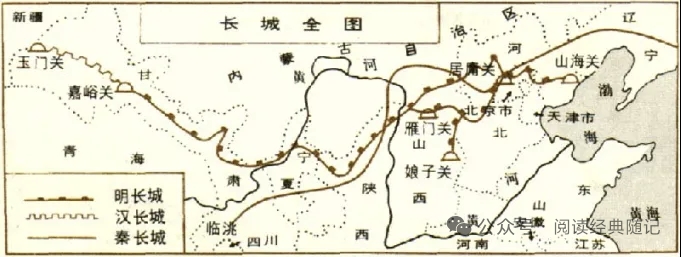
The history of the Great Wall's construction spans nearly the same duration as the written history of Chinese civilization. The earliest known sections of the Great Wall can be traced back to the Chu Great Wall of the 7th century BCE—when various feudal states built walls along their respective borders for self-defense. In 221 BCE, after Qin Shi Huang unified the six states, he connected the scattered walls of the northern states into a defensive line stretching thousands of miles. Subsequently, during the Han and Ming dynasties, large-scale construction efforts were carried out; the magnificent Great Wall visible today consists largely of remains from the Ming Dynasty (1368–1644). If all the Great Walls constructed throughout different dynasties were combined, their total length would exceed 50,000 kilometers—enough to circle the Earth more than once. From the Spring and Autumn Period to the late Ming Dynasty, over more than two millennia, more than twenty feudal states and dynasties participated in this "construction competition" that has been the longest in human history.
II. Both Sides of the Wall: A Dual Identity of Defense and Communication
Westerners are accustomed to viewing the Great Wall as a "barrier wall," but the actual history is far more complex than this. The Great Wall was first and foremost a military defense system—its sections of city walls, beacon towers, passes, and fortresses were intricately interconnected. At the same time, the passes along the Great Wall served as crucial nodes on the Silk Road: merchant caravans transported grapes, alfalfa, and glazed ceramics from the Western Regions to the Central Plains, while silk, tea, and porcelain from the Central Plains traveled westward through these passages. The Great Wall is both a line and a door—it not only blocked the iron hooves of cavalry but also provided a window that could be opened or closed for the dialogue between civilizations.
This duality is vividly reflected in the architecture. On the inner side of the city wall, there are horse-paths leading up to the wall, facilitating rapid mobilization of the garrison; at the strategic passes, defensive structures such as wongchengs (fortified enclosures), arrow towers, and sluice gates are installed—serving both to repel enemies from outside and to control trade access. The "Guanghua Gate" and "Rouyuan Gate" at Jiayuguan—one facing the Eastern Empire and the other oriented toward the Western Regions—their names themselves constitute a chapter in the history of diplomacy.
III. From Misinterpretation to Resonance: The Global Perception Journey of the Great Wall
The Western world's imagination of the Great Wall began with Marco Polo's travelogue from the 13th century—though it remains uncertain whether this Venetian merchant ever saw the Great Wall with his own eyes. What truly brought the Great Wall into European awareness were the Jesuit missionaries who came to China in the 16th century. Matteo Ricci detailed this "incredible wall" in his *Notes on China*. For more than three centuries thereafter, the Great Wall became the central visual symbol in the Western perception of China.
 In 1987, the Great Wall was inscribed on the World Heritage List alongside the British Hadrian's Wall. In 2021, the World Heritage Committee recognized the Great Wall as one of only three "Model Cases for Protection and Management" worldwide. It has been repeatedly cited as a "symbol of human resilience" —in an era marked by the growing prevalence of individualism, this wall—which required the concerted efforts of countless generations to complete—stands as the most profound illustration of "collective memory."
IV. Four Hundred and Sixty Years of Wind and Rain: Guarding a Wall That Continues to Disappear
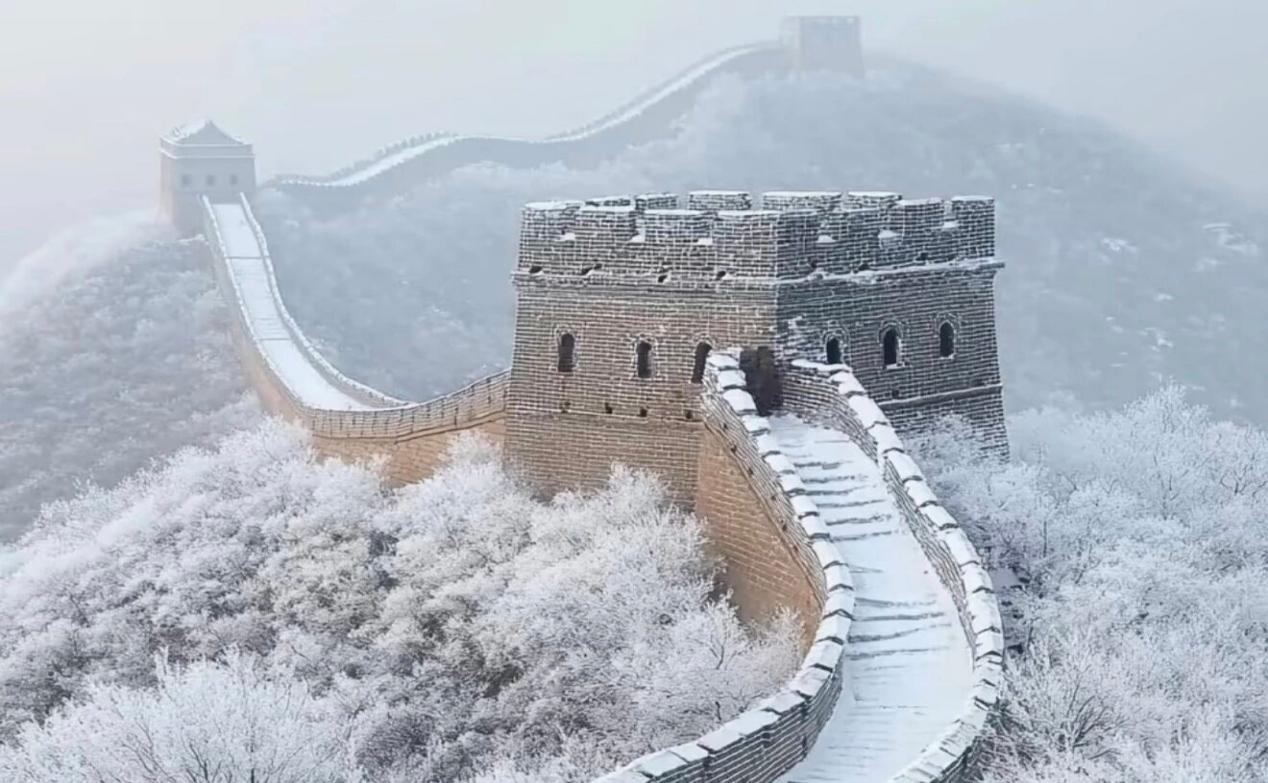
Amidst its glory, the conservation challenges facing the Great Wall are equally staggering. This linear heritage site spanning 15 provinces, autonomous regions, and municipalities across China has numerous sections located in remote wilderness areas, where natural weathering poses the primary threat—wind-blown sand erosion, rainwater scouring, and damage to the wall caused by plant roots, all of which annually erode parts of the Great Wall. Tourism development has also introduced new pressures: popular sections such as Badaling and Mutianyu bear the foot traffic and touch of tens of thousands of visitors daily, while the more remote "Wild Great Wall" sections face human-induced damage such as brick theft and soil excavation.
There are also gratifying efforts underway. Since 2006, China has implemented the "Great Wall Protection Regulations," established the "Great Wall Conservators" system, and employed thousands of local residents as patrollers. A digital team is using drones and 3D scanning to create a comprehensive digital archive of the Great Wall. "The Great Wall belongs to China, but it also belongs to the world" —this ancient wall is being revitalized through modern approaches to ensure its continued standing.
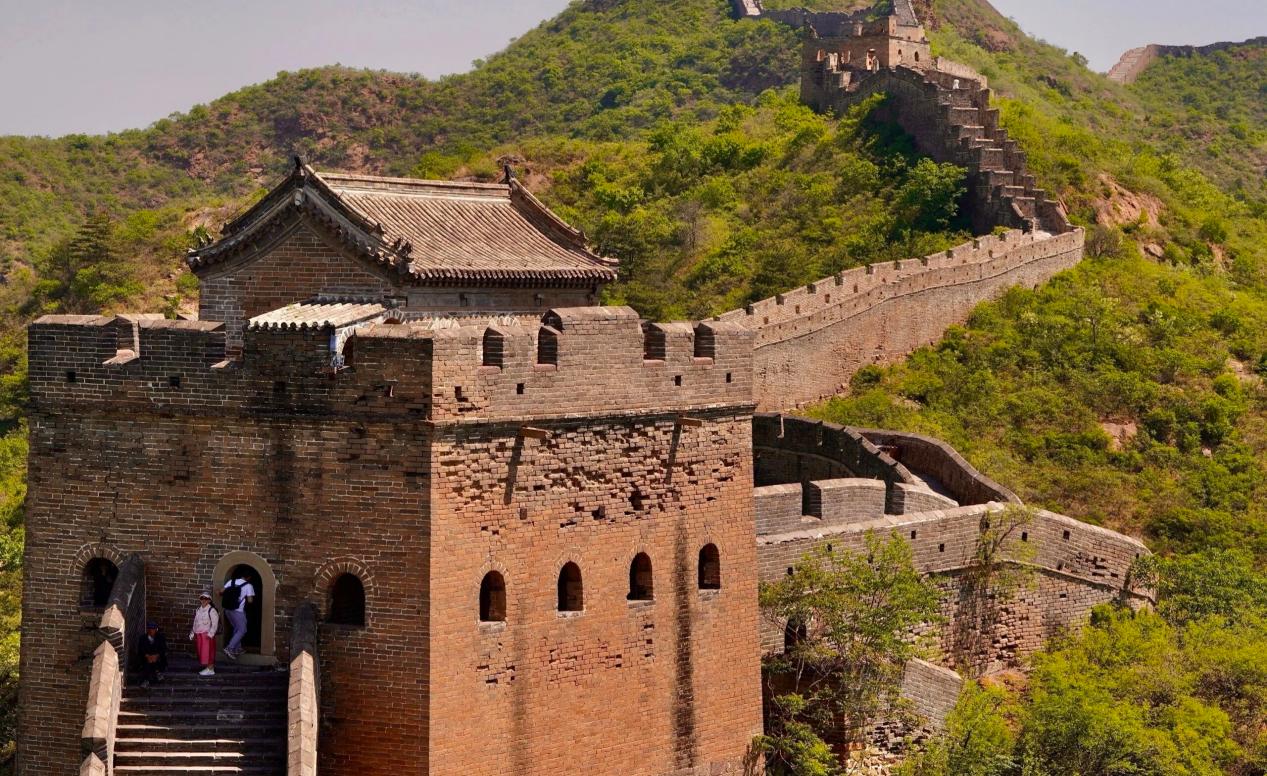
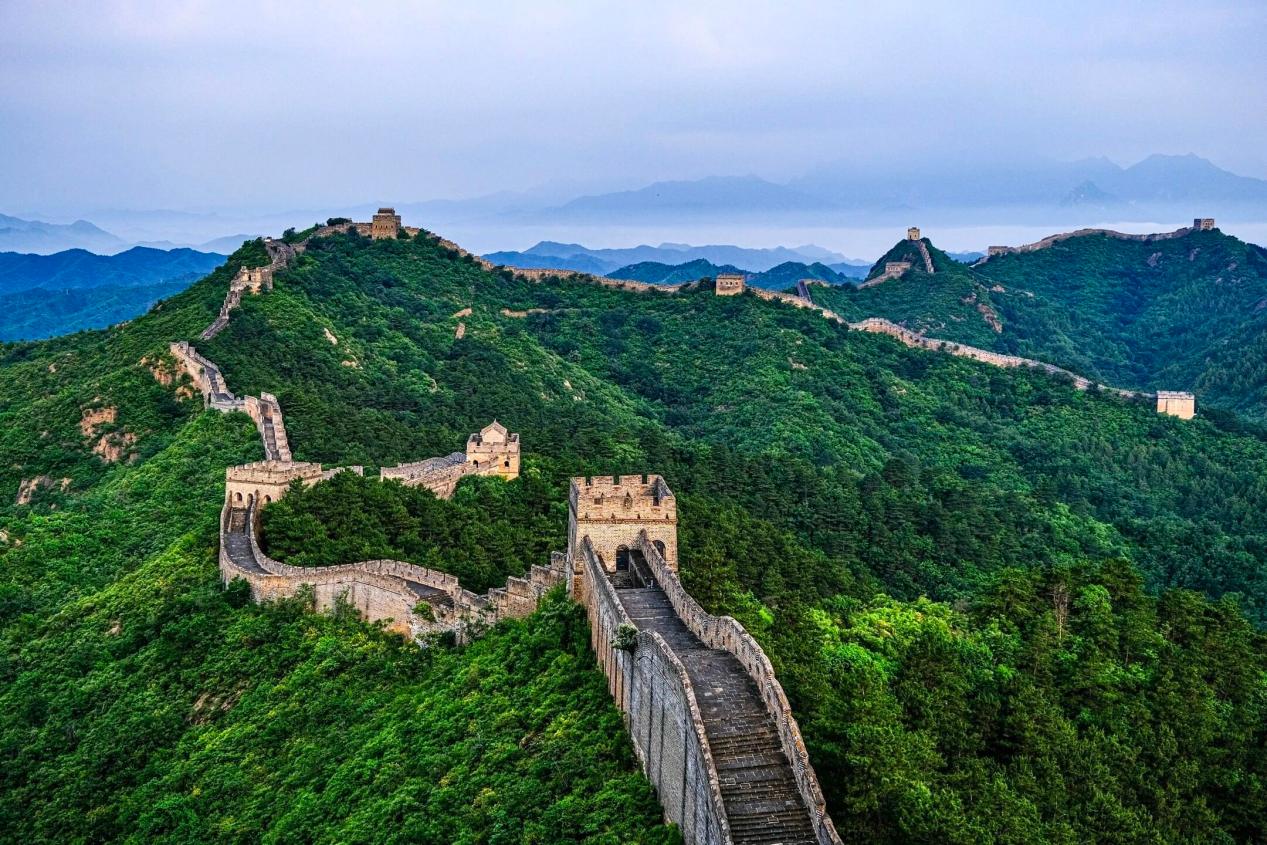
For every climber, the Great Wall offers more than just a hiking trail. It is the experience of standing at the enemy tower on Jinshanling in the early morning, witnessing the rising sun dye the wall in crimson gold; it is the feeling of running your hand along the bricks of Jiayuguan, sensing the fingerprints left by craftsmen six centuries ago; it is standing before a collapsed beacon tower, imagining the emotions of the guards who lit the beacon fires back then as they gazed into the distance. When you stand upon the Great Wall, the wind blows from both sides simultaneously—at that moment, you will realize that the Great Wall has never truly isolated anything. It merely uses an extremely slow pace to convey to every visitor: a great boundary was never meant to shut out the world, but rather to let the world know—a civilization exists here that is willing to dedicate two millennia to safeguarding what it believes in.

