


Hele Crab ranks among Hainan’s Four Famous Dishes and serves as the signature specialty of Wanning. Its scientific name is Scylla serrata, and it holds the status of a China National Geographical Indication Product. Named after Gangbei Lagoon in Hele Town, Wanning, it is the only seafood delicacy among Hainan’s Four Famous Dishes. Revered since ancient times, it was once presented as imperial tribute. Today, it is an unmissable coastal treasure for visitors to Hainan.
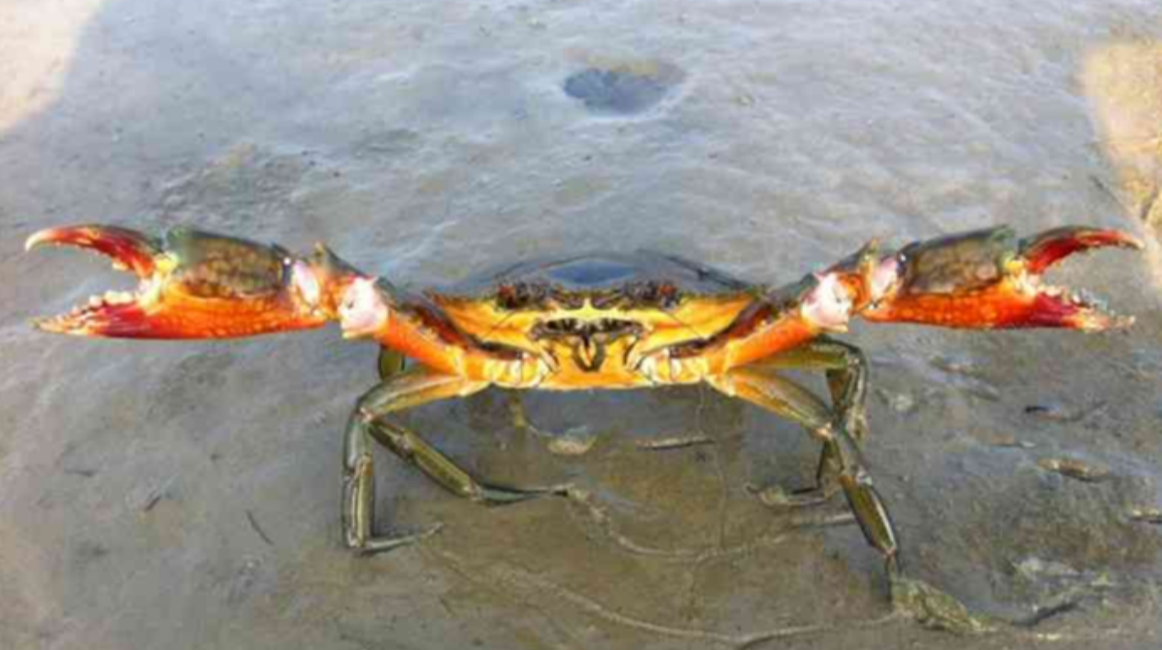
The uniquely endowed Gangbei Lagoon gives Hele Crab its one-of-a-kind flavor. Multiple rivers including the Taiyang River flow into the waters, creating a distinctive brackish habitat. Mudflats are covered with mangroves and seagrass, teeming with fish, shrimp and seaweed. Constant tidal movements keep the crabs active, forming firm, dense flesh. Even mud crabs of the same species raised elsewhere cannot match its luscious taste.
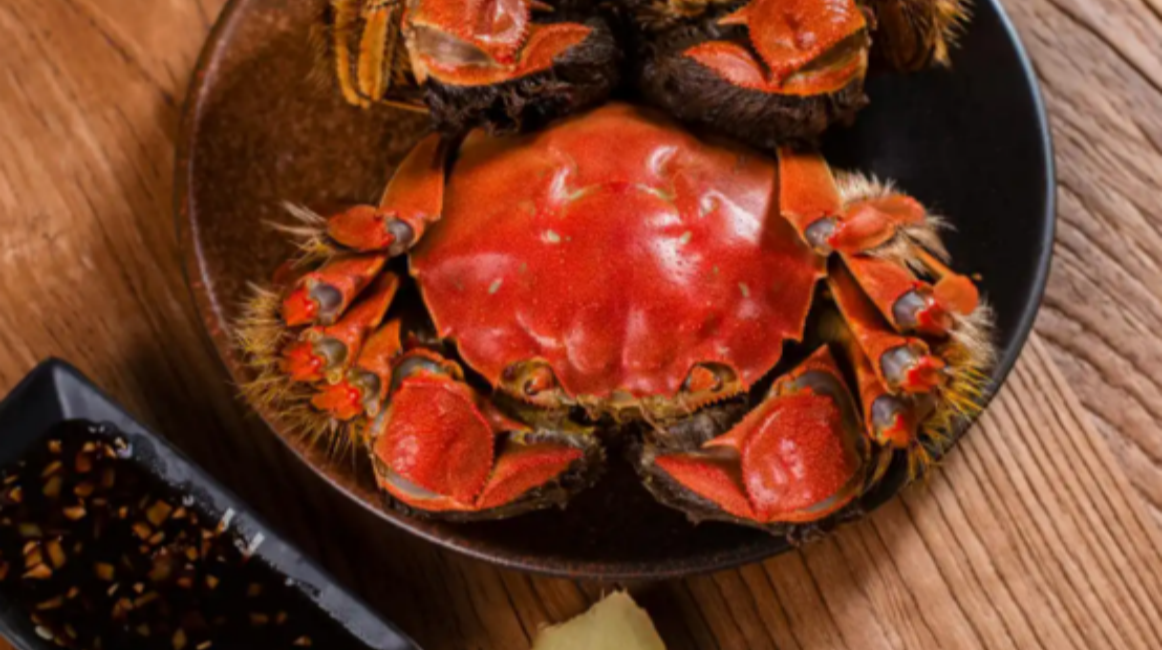
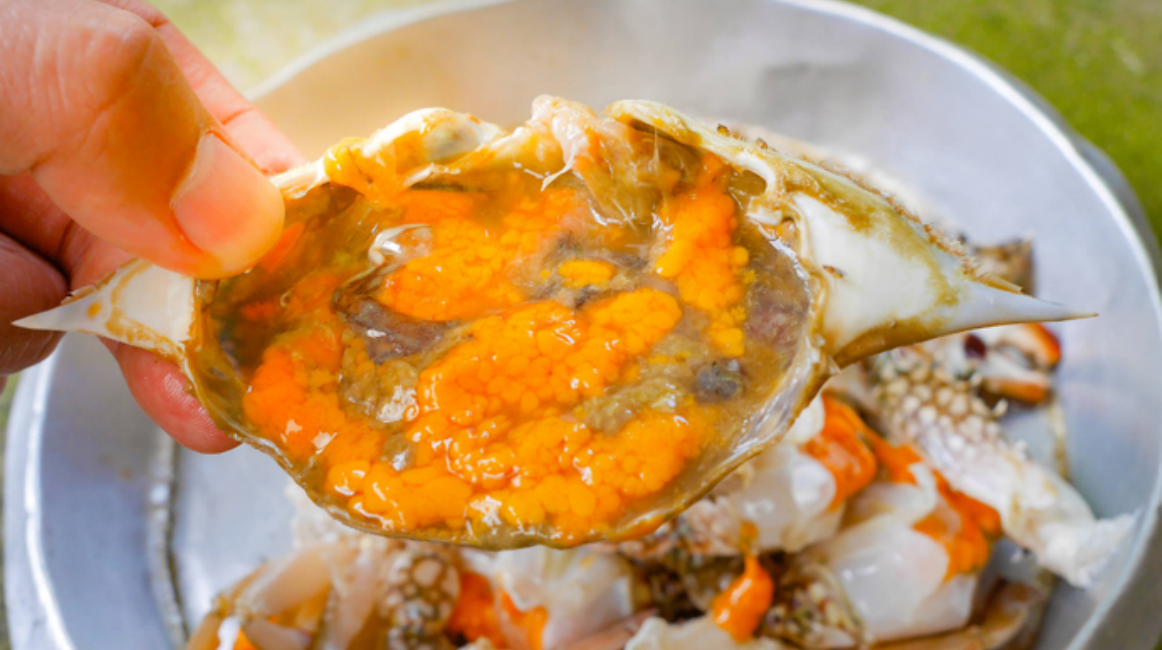
Abundant roe and plump meat define Hele Crab. Premium female crabs are filled with golden, glossy roe all over the carapace. The dense, grainy roe tastes much like salted egg yolk. Its snow-white meat is tender, sweet, springy and barely fishy. Compared with ordinary mud crabs, Hele Crab boasts richer roe and fuller flesh, with roe-laden female crabs being the top favourite among diners.
Hainan locals believe simplicity brings out the best of Hele Crab. Steaming is widely recognised as the finest cooking method. High heat locks in freshness and preserves the natural seafood flavour. It is served with a special dipping sauce blended from calamansi, minced garlic and yellow lantern chili, delivering a harmonious mix of umami, sourness and mild spiciness. Other popular preparations include stir-frying with ginger and scallions, spicy baked crab and crab congee to suit varied palates.
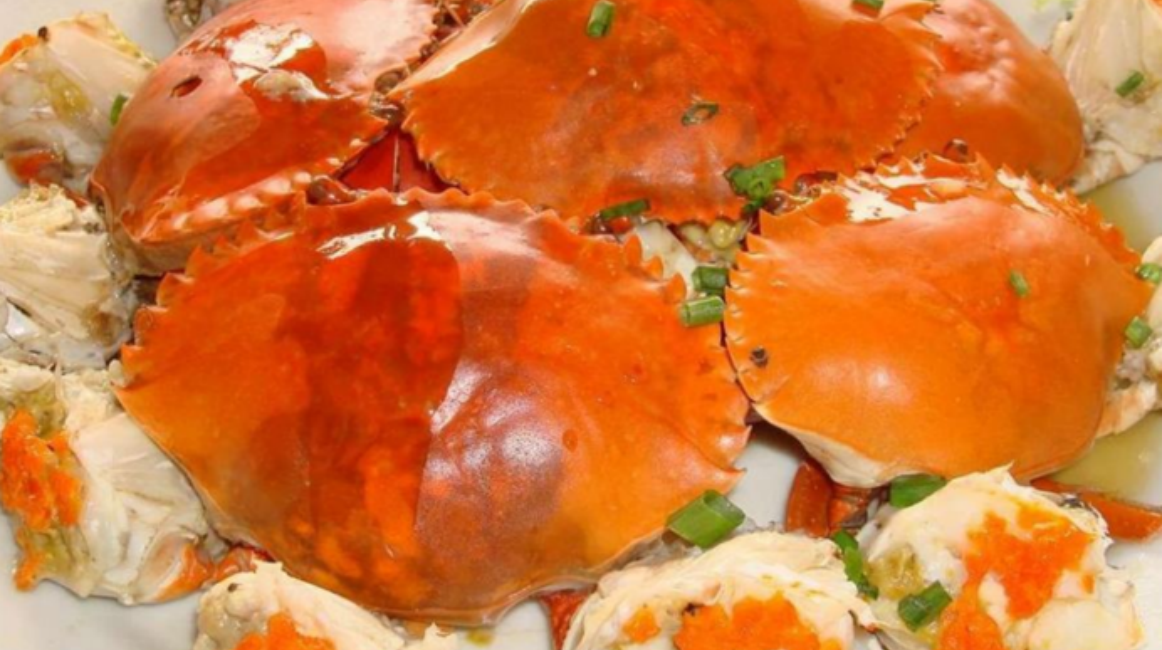
More than merely seafood, Hele Crab embodies Hainan’s coastal culinary culture. The prime seasons for roe crabs span from the Qingming Festival to the Dragon Boat Festival, and from Mid-Autumn Festival to the Winter Solstice. A staple grand finale at local banquets, it carries the islanders’ memories of living off the sea, acting as a culinary ambassador showcasing the charm of Hainan’s natural bounty to the world.

