


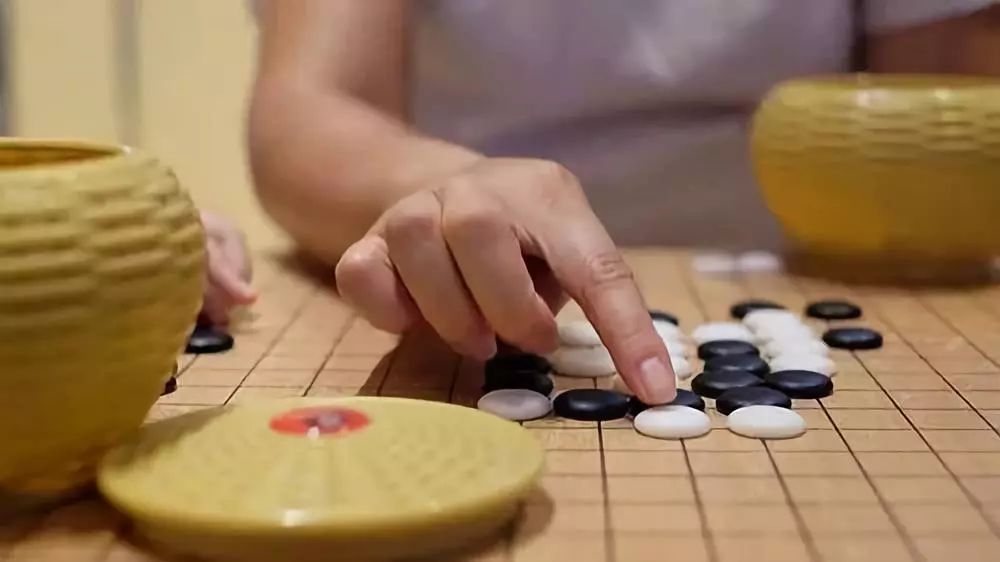
The air in the traditional teahouse is thick with quiet intensity. Two figures sit motionless across a grid of nineteen by nineteen lines, their eyes fixed on the smooth, flat board between them. Tiny black and white stones, smooth and cool to the touch, lie scattered across the intersections like scattered stars on a miniature cosmos. Not a word is spoken, yet a profound dialogue unfolds – a clash of strategies, a dance of patience and foresight. This is Weiqi, known globally as Go, an ancient Chinese board game that transcends mere recreation, embodying millennia of philosophy, strategic thought, and cultural depth. For the foreign observer seeking to understand a cornerstone of Chinese intellectual tradition, the journey begins with this seemingly simple grid and its profound silence.
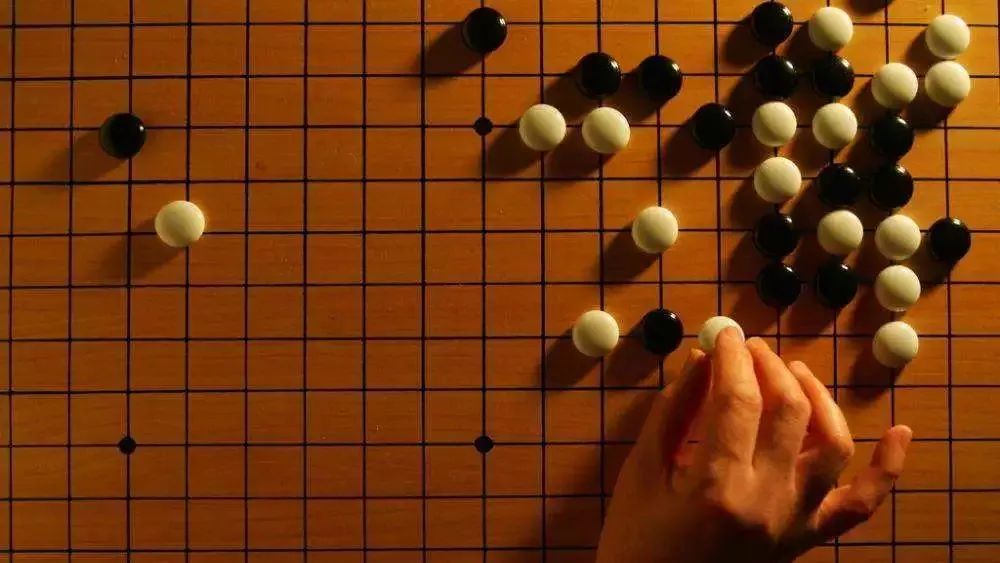
Weiqi's origins are shrouded in the mists of Chinese antiquity, stretching back over 4,000 years. Legends attribute its invention to the mythical Emperor Yao (c. 24th century BCE), devised as a tool to cultivate wisdom and strategic thinking in his son. Archaeological evidence, including fragments of pottery boards and stones, confirms its existence during the Spring and Autumn Period (770-476 BCE). By the time of Confucius (551–479 BCE), Weiqi was already a well-established pastime, though the sage himself reportedly viewed it with some ambivalence compared to more overtly virtuous pursuits. Its golden age blossomed during the Tang (618-907 CE) and Song (960-1279 CE) dynasties. Emperors patronized masters, elaborate sets became prized possessions, and poetry and painting celebrated its subtle beauty. Alongside calligraphy, painting, and the guqin (a zither-like instrument), Weiqi solidified its place as one of the revered "Four Arts" expected of the cultivated Chinese scholar-gentleman (junzi). It was more than a game; it was a mirror reflecting one's character, discipline, and understanding of cosmic principles. From China, Weiqi spread to Korea (where it is called Baduk) and Japan (Igo) around the 5th to 7th centuries CE, deeply influencing their cultures too, but its heart and deepest roots remain undeniably Chinese.
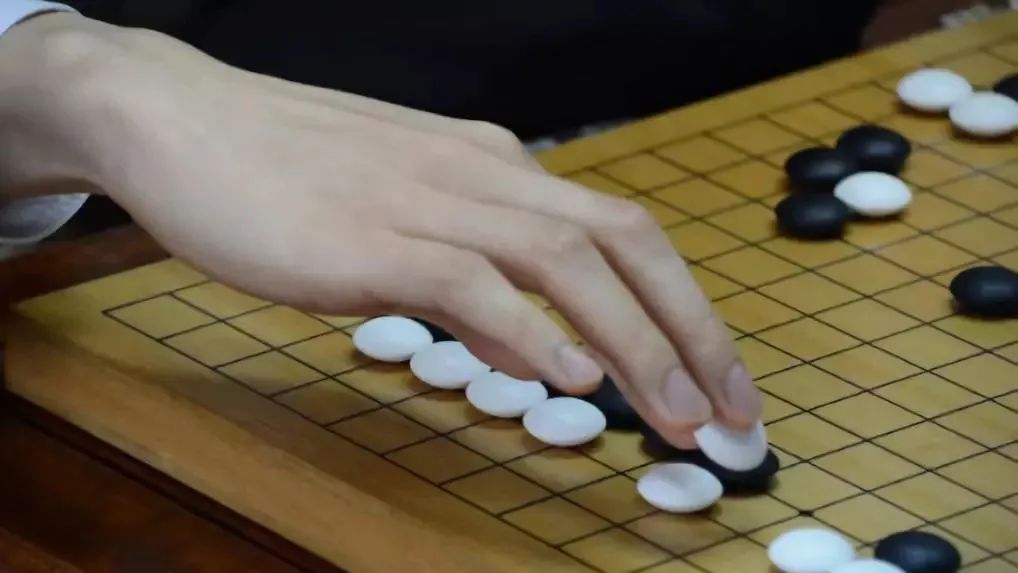
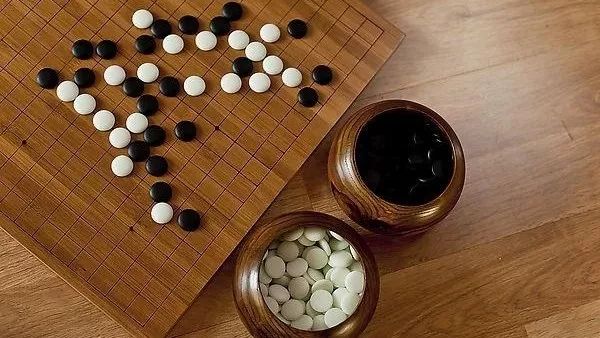
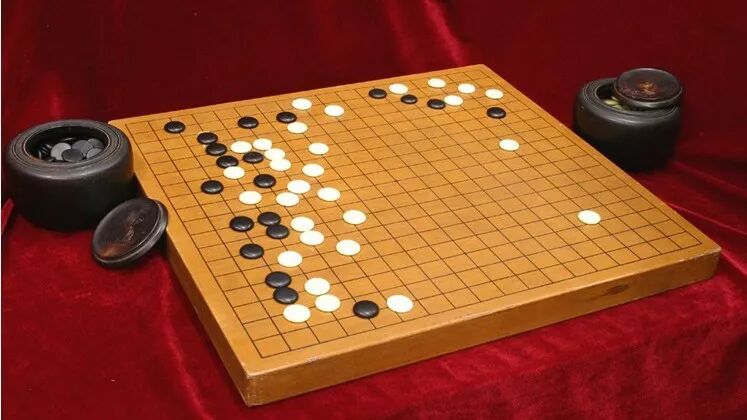
The equipment itself speaks of elegant simplicity. The board (qipan) is typically made of fine wood, its grid pattern unchanging. The stones (qizi) are traditionally crafted from slate (black) and clamshell (white), their smooth, slightly convex shape fitting perfectly onto the board's intersections. The stark contrast of black and white is fundamental, symbolizing the duality of yin and yang – opposing yet complementary forces inherent in the universe. The objective is deceptively straightforward: control more territory than your opponent by strategically placing stones to surround empty points and capture enemy stones. Players take turns placing a single stone on any unoccupied intersection. Stones, or connected groups of stones of the same color, remain on the board as long as they retain at least one "liberty" – an adjacent empty intersection. When all liberties of a group are occupied by the opponent's stones, the group is captured and removed from the board. Territory is defined as completely enclosed empty points, plus the points occupied by one's own stones still on the board at the game's conclusion.
The true essence of Weiqi, however, lies not in these simple rules, but in the staggering depth and complexity they engender. Possessing more possible board configurations than atoms in the observable universe, Weiqi defies brute-force calculation. Success hinges on a unique blend of skills: Spatial Reasoning: Visualizing the evolving shapes and potential connections across the entire board is paramount. Players must see not just the immediate move, but several steps ahead, anticipating how local battles influence the global position. Strategic Thinking: This involves setting long-term goals – securing key areas, building influence towards the center, connecting groups, or attacking weaknesses. It's about balancing offense and defense, knowing when to invade and when to consolidate. Tactical Sharpness: Local fights demand precise calculation of sequences (tesuji) to capture stones, save groups, or create advantageous shapes. Balance and Judgement: Weiqi constantly presents dilemmas. Is securing territory more valuable than building outward influence? Should one fight a local skirmish or sacrifice stones for greater global gain? Mastering the assessment of relative value (miai – mutually exclusive points of equal value) is crucial. Patience and Discipline: Rushing often leads to overextension and vulnerability. True strength lies in calm assessment, waiting for the opportune moment (aji – latent potential in a position) to strike or solidify. Unlike Western chess, where the goal is the capture of a single king, Weiqi is a game of incremental advantage, influence, and the subtle art of managing multiple battles simultaneously across a vast landscape. Victory is often achieved not by annihilation, but by persistent, adaptable pressure leading to a few more points of controlled territory.
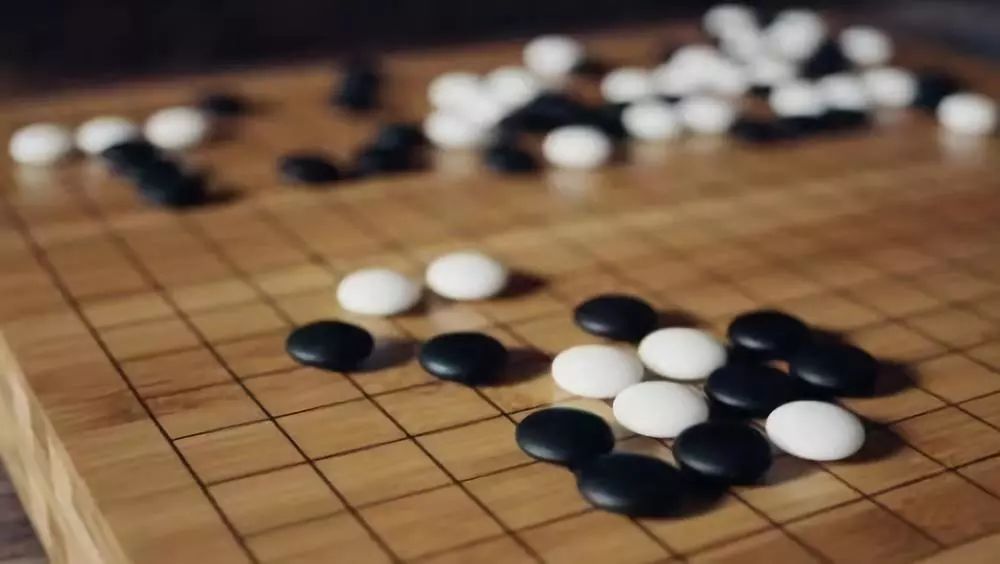
To understand Weiqi is to glimpse the soul of Chinese philosophical thought. It is a tangible expression of core principles that have shaped the culture for millennia. The game embodies the Taoist concept of Wu Wei (Non-Action/Effortless Action). The most effective play often appears effortless, flowing with the natural development of the board rather than forcing unnatural conflicts. Skilled players create situations where the opponent's best moves inadvertently strengthen their own position. The interplay of black and white stones is a direct representation of Yin and Yang. The game is a dynamic balance of opposing forces: attack and defense, influence and territory, thickness (strong, secure groups) and lightness (flexible, efficient shape). Harmony (He) emerges not from uniformity, but from the dynamic equilibrium achieved between these forces across the board. Confucian values are also deeply embedded. Respect for the opponent is paramount; etiquette governs play. The focus on balance, moderation, and finding the harmonious middle path resonates strongly. Weiqi teaches patience, humility in the face of complexity, and respect for the long game – virtues highly prized in Confucian ethics. Furthermore, the game reflects a fundamentally different approach to conflict compared to some Western models. While confrontation exists, the ultimate goal is not destruction but the creation of a larger, more stable shared space (Lebensraum), achieved through strategic positioning and influence – a profound metaphor for a worldview favoring harmony and coexistence achieved through superior organization and foresight.
The 20th and 21st centuries have witnessed Weiqi's transformation from an East Asian cultural treasure into a truly global phenomenon. International tournaments now attract top players from China, Japan, Korea, Europe, and the Americas, with substantial prize money and global viewership. The Nihon Ki-in (Japan), the Hanguk Kiwon (Korea), and the China Qiyuan are major governing bodies fostering professional play and amateur participation. Titles like the Ing Cup, Samsung Cup, and the historic Meijin and Honinbo titles in Japan command immense prestige. However, the most seismic shift came in 2016. Google DeepMind's artificial intelligence program, AlphaGo, achieved what many thought impossible for decades: it defeated a top human professional, Lee Sedol, in a highly publicized match. AlphaGo's victory, particularly its unconventional and seemingly "creative" moves, sent shockwaves through the Go world. Its successors, like AlphaGo Zero and KataGo, trained purely through self-play, have surpassed even AlphaGo, revealing entirely new layers of strategic understanding. While initially unsettling, the AI revolution has proven immensely beneficial. AI analysis tools are now integral for professional training and amateur study, offering insights into previously unseen possibilities and refining understanding of fundamental principles. Online platforms like Fox Go Server, Tygem, and OGS (Online Go Server) have created vibrant global communities, allowing players of all levels, from curious beginners to seasoned professionals, to connect and compete across continents at any time. This digital accessibility has fueled an unprecedented surge in the game's popularity worldwide.
For the uninitiated foreigner, approaching Weiqi can feel daunting. The abstract nature and immense complexity are formidable. Yet, the path to appreciation begins with simplicity. Numerous online resources offer excellent tutorials – Online Go Server (OGS), British Go Association (BGA), and American Go Association (AGA) websites provide rules, interactive lessons, and beginner guides. Mobile apps like BadukPop or Tsumego Pro offer bite-sized puzzles (tsumego) focusing on specific capturing or life-and-death situations, honing tactical vision effectively. Finding a local club or an online community is invaluable. Playing against other beginners, reviewing games together, and asking questions demystify the process. Watching professional games, especially those with commentary (many available on YouTube channels like the AGA's or BadukDoctor), can be surprisingly enlightening, revealing the narrative and strategic depth behind the moves. Remember, the initial goal is not mastery, but comprehension and enjoyment. Focus on small 9x9 boards to grasp fundamental interactions and capturing mechanics before progressing to the standard 19x19. Embrace the mistakes; every lost stone or surrounded group is a lesson etched onto the board. The profound satisfaction comes not just from winning, but from the gradual unfolding of understanding, the moment a complex position clarifies, or a well-laid plan comes to fruition.
Why does this ancient game, born millennia ago, continue to captivate millions worldwide? Its enduring appeal lies in its unparalleled ability to simulate the complexities of existence on a microcosmic scale. The board is a blank canvas where strategy meets intuition, where patience battles impulsiveness, and where deep calculation dances with creative insight. It teaches critical life skills: foresight, the ability to plan several steps ahead; adaptability, the necessity to adjust to an opponent's moves and unforeseen developments; resilience, the capacity to recover from setbacks; and nuanced judgment, the constant evaluation of risk, reward, and relative value across a complex landscape. More than just cognitive exercise, Weiqi offers a unique form of meditation. The intense focus required clears the mind of extraneous noise, fostering a state of deep presence. The rhythmic placement of stones, the quiet contemplation, and the unfolding strategic narrative create a profound sense of flow. It fosters cross-cultural understanding, providing a shared language and intellectual challenge that transcends borders. In an age dominated by fleeting digital distractions and instant gratification, Weiqi stands as a powerful counterpoint, a sanctuary demanding and rewarding deep, sustained concentration and strategic thought. It is an art form painted in black and white, a silent conversation spanning centuries, and a timeless testament to the enduring power and elegance of human – and increasingly, artificial – intellect. To engage with Weiqi is to touch a vital thread in the tapestry of Chinese civilization and to participate in a global dialogue of strategy and beauty that continues to evolve, captivating minds across the board.

