


Nowadays, air fryers have become essential kitchen appliances in most households. Matching air fryer disposable paper liners (silicone-coated paper) are widely used for their non-stick, oil-absorbing, and easy-to-clean properties. However, in recent years, online rumors that “air fryer paper causes cancer when heated” have sparked widespread public concern about food safety. Are these commonly used kitchen accessories truly carcinogenic? Based on authoritative test results from consumer protection committees, this article clarifies the facts and offers scientific usage guidelines.
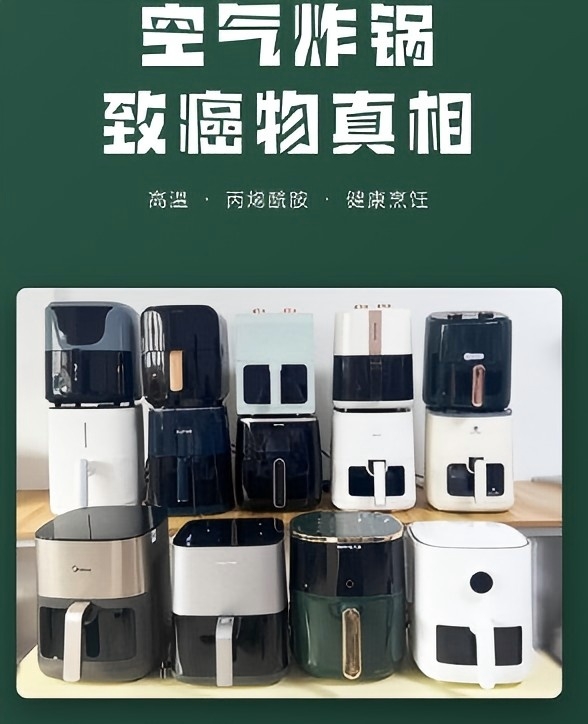
Viral Carcinogenic Rumors Fuel Public Concerns
As public health awareness grows, people pay increasing attention to subtle food safety issues. Rumors surrounding air fryer paper have spread rapidly across short-video platforms and social media, mainly focusing on three core claims. First, many believe air fryer paper contains fluorescent agents and formaldehyde, which can penetrate food under high heat, accumulate in the human body, induce cell canceration, and damage the liver and other organs. Second, some rumors claim that the adhesives used in paper production contain toxic benzene substances such as toluene and xylene. At the high working temperature of air fryers, these substances will volatilize, migrate into food, and cause cancer with long-term consumption. Third, it is alleged that the paper contains residual probable human carcinogens (Group 2A) including acrylamide and mineral oil, which threaten human health when released under high temperatures.
These rumors have triggered widespread public anxiety, leaving consumers in a dilemma. Without paper liners, food sticks easily and the fryer becomes greasy and hard to clean. With paper liners, people worry about potential carcinogenic risks from long-term use. Many consumers have stopped using air fryer paper entirely or reduced their use of air fryers. Such false rumors continue to mislead the public and create unnecessary food safety worries.

Authoritative Professional Tests Debunk Carcinogenic Myths
To address widespread public doubts, consumer protection committees in Shanghai and Heilongjiang have launched special comparative tests. They sampled mainstream silicone-coated air fryer paper products sold online and offline, simulated daily high-temperature cooking scenarios, and conducted comprehensive inspections for harmful substance residues and migration.
All authoritative test results have completely refuted the carcinogenic rumors. No formaldehyde or fluorescent substances were detected in any sampled products, fully complying with national safety standards for food-contact paper materials. There is no risk of fluorescent agent accumulation or cancer induction. Targeted tests on harmful substance release under conventional air fryer temperatures confirmed that qualified air fryer paper does not release toxic benzene compounds such as toluene and xylene, with no hazardous gas emissions.
In addition, specialized tests for controversial carcinogens including acrylamide, mineral oil, and 3-MCPD showed negative results with no excessive residues. Trace amounts of heavy metals and microorganisms detected in individual samples were far below national safety limits and pose no threat to human health. Professional engineers explained that qualified air fryer paper adopts a safe three-layer structure of virgin pulp, food-grade adhesive, and food-grade silicone. Standard production processes ensure full volatilization of harmful substances, leading to no carcinogenic risks under normal use. In contrast, unqualified low-cost generic products with no official brand, certification, or production standards adopt crude manufacturing techniques and may release harmful substances at high temperatures.

Standardized Usage Practices Ensure Food Safety
Authoritative tests have proven that compliant air fryer paper is safe and non-carcinogenic. There is no need to stop using it blindly. Mastering correct selection and usage methods can effectively avoid potential risks.
First, follow strict standards during purchase. Choose formal products with intact packaging and clear labeling. Prioritize items that comply with the national standard GB 4806.8 for food-contact paper materials, with clear information on manufacturers, addresses, shelf life, and materials. Reject all unbranded low-quality products to eliminate risks at the source.
Second, avoid improper usage behaviors. Most standard air fryer papers have a maximum heat resistance of 220°C. Avoid prolonged ultra-high-temperature baking to prevent carbonization and deterioration. Never run the air fryer empty with paper inside, as uncovered paper will scorch and produce harmful substances under high heat. Cut the paper to fit the fryer size exactly; oversized paper may curl up and touch the heating tube, causing scorching or even fire hazards.
Furthermore, develop good usage habits. Use each paper liner only once and avoid repeated reuse, which prevents the accumulation of carbonized oil and food residues. Replace the paper timely after baking acidic or high-fat ingredients to avoid trace migration of potential harmful substances. With qualified products and standardized operation, air fryer paper is a safe and convenient kitchen helper.
In conclusion, the claim that air fryer paper causes cancer is a false rumor. Potential risks only exist in inferior unqualified products and improper usage scenarios. Distinguish online rumors rationally and adhere to scientific usage standards to balance cooking convenience and food safety.

