


In the vast, bustling ecosystem of Chinese social media, a peculiar and captivating phenomenon has taken root over the past year, one that sits at the volatile intersection of folk creativity, cutting-edge technology, and cultural heritage. This is the world of or AI-driven "magical alterations," a trend where netizens harness the power of generative artificial intelligence to deconstruct, reimagine, and often gleefully sabotage beloved classical films and television dramas. What began as a niche hobby for tech enthusiasts has exploded into a nationwide craze, captivating millions with its surreal humor and technical audacity. Yet, as rapidly as it has risen to prominence, it has also ignited a firestorm of controversy, forcing a profound national conversation about copyright, cultural reverence, and the very nature of creativity in an age where algorithms can seamlessly rewrite history with just a few keystrokes.
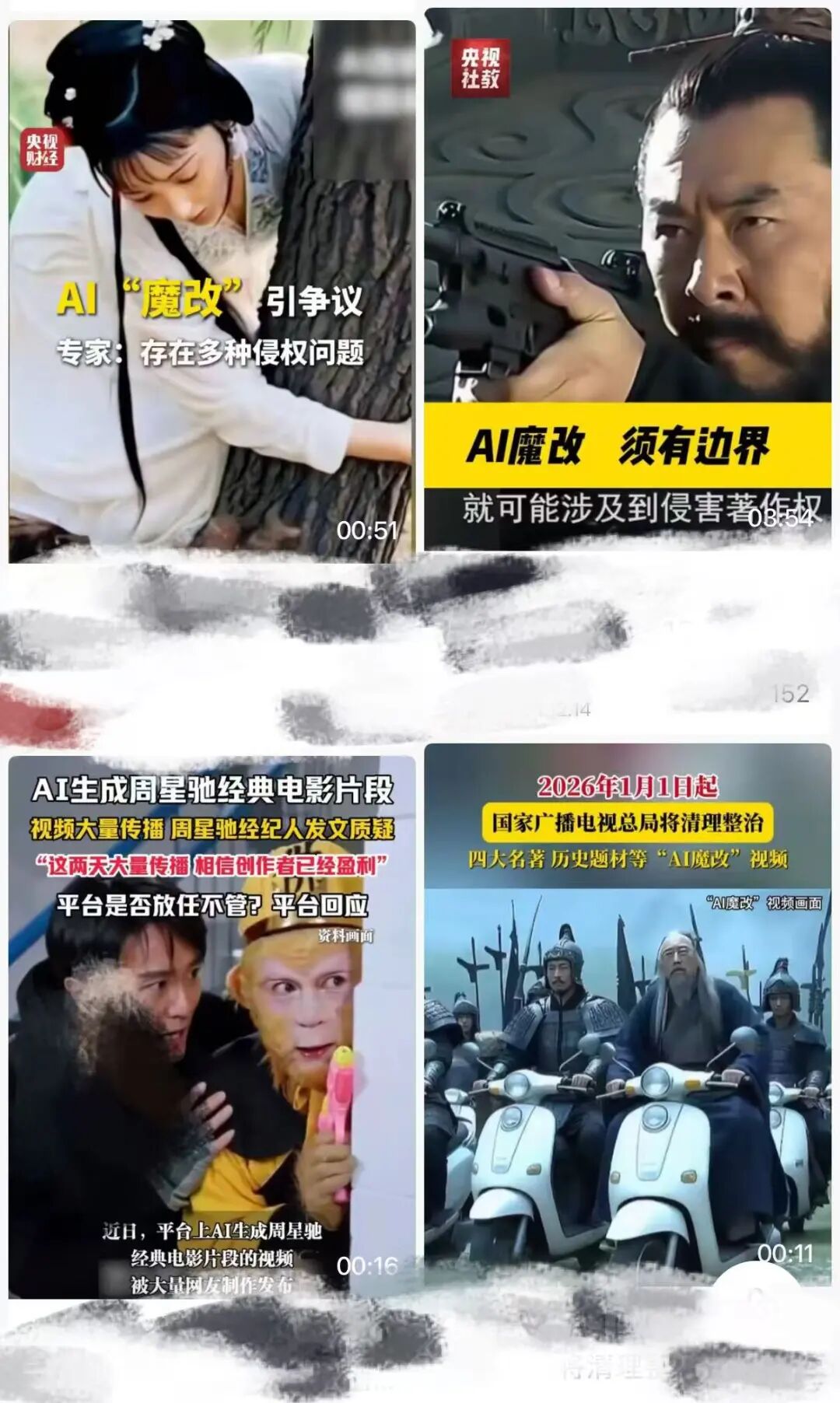
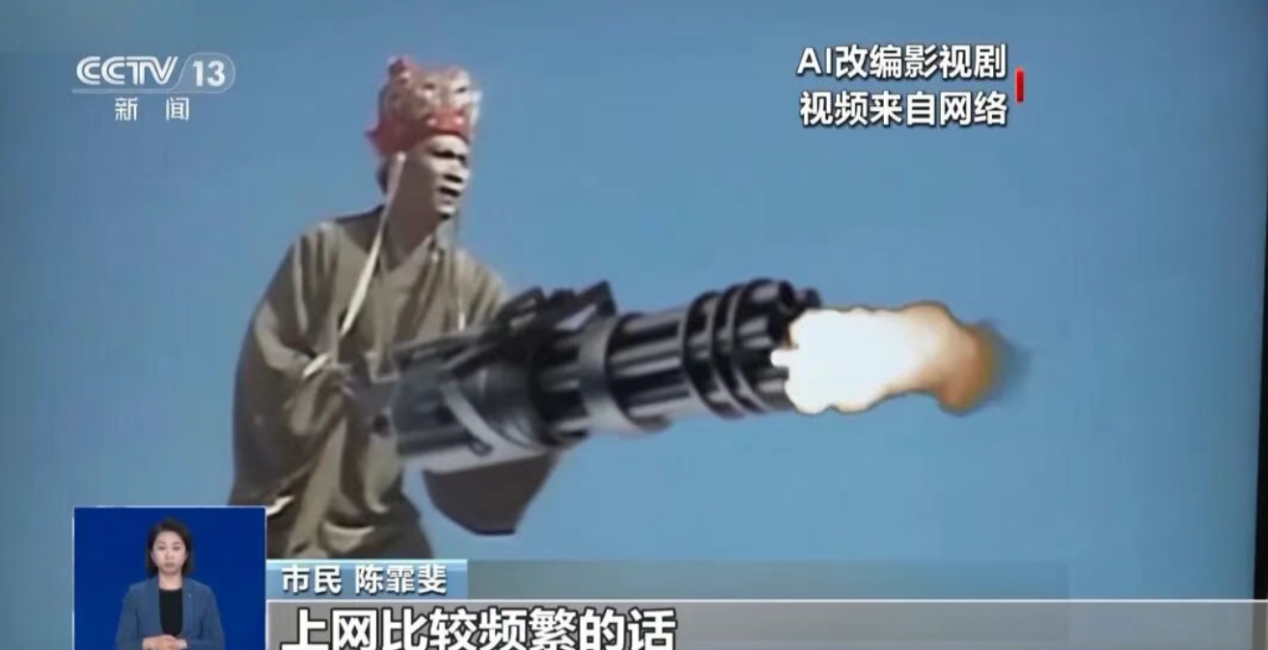
At its core, the AI mo gai movement is a testament to the democratization of content creation. In the past, re-editing a film required painstaking manual effort, a deep understanding of narrative structure, and considerable time. Now, sophisticated yet user-friendly AI tools allow anyone with a smartphone to become a digital auteur. The most popular form of these alterations involves the 1986 television adaptation of Journey to the West, a show that holds a quasi-sacred place in Chinese popular culture. For decades, the image of the monk Tang Sanzang and his mischievous disciple Sun Wukong has been synonymous with childhood nostalgia and traditional values. In the AI-generated reimaginings, however, this classical world is turned upside down. In one viral clip, Sun Wukong, the Great Sage Equal to Heaven, is no longer wielding his golden staff against demons; instead, he is depicted riding a motorcycle through the clouds, his traditional armor replaced by a leather jacket. In another, the serene Tang Sanzang is re-imagined as a hip-hop artist, dropping rhymes instead of chanting sutras. The humor is derived from the stark, absurdist juxtaposition of the archaic and the hyper-modern.
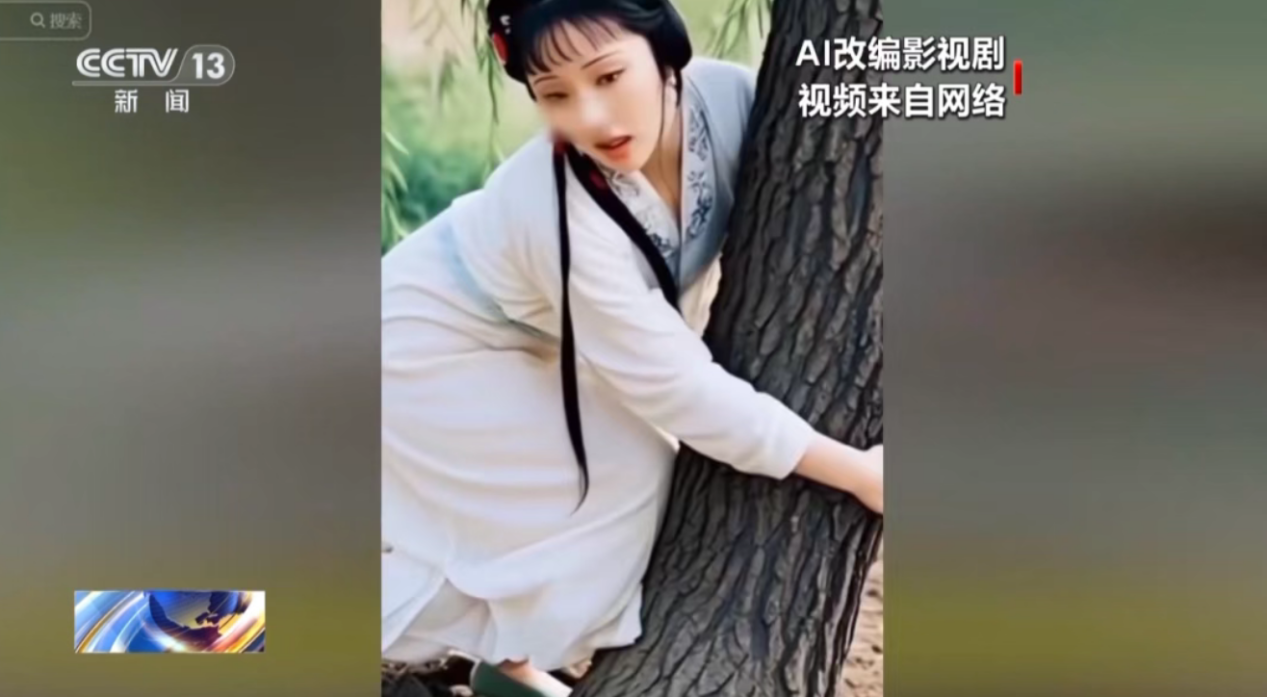
These creations quickly transcended mere slapstick. They evolved into a form of digital folklore, a way for a generation raised on the internet to engage with—and gently subvert—the cultural touchstones of their parents. The trend expanded beyond Journey to the West to encompass other classics. The tragic romance of the Dream of the Red Chamber was reimagined as a corporate power struggle; the heroic archer Guo Jing from The Legend of the Condor Heroes was transformed into a martial arts master who fights using the principles of quantum physics. For the creators, who often operate under whimsical pseudonyms, the appeal is multifaceted. It is a technical challenge to push AI tools to their limits, a comedic exercise in meme creation, and a subtle form of cultural commentary. By stripping these hallowed narratives of their original context and injecting them with modern chaos, they argue they are keeping the stories alive for a new audience that might otherwise dismiss them as relics of a bygone era.
From a technological and creative standpoint, the positive aspects of this trend are significant. It represents one of the most visible, grassroots applications of generative AI in the world, showcasing China's deep pool of digital literacy and innovative spirit. The creators are not passive consumers of AI products; they are active tinkerers, learning to fine-tune models, craft precise prompts, and manually refine outputs to achieve a specific aesthetic or comedic timing. This process fosters a new kind of technical skill and creative problem-solving. Furthermore, it can be viewed as a form of democratized art. In a tightly regulated media environment, where mainstream content often adheres to established formulas, AI mo gai offers a safety valve for creative expression—a chaotic, decentralized playground where the only rule is what the algorithm can be persuaded to generate. It gives voice to the anonymous, allowing individual netizens to participate in a form of cultural production that can, at its best, feel vibrant, participatory, and genuinely original.
However, the euphoria of this digital renaissance has been met with a wave of equally powerful backlash, and the criticisms leveled against AI mo gai are as complex as the technology itself. The most immediate and legally fraught concern is copyright infringement. The original films and television series are the intellectual property of major studios and production houses, which have invested millions in their creation. When a netizen takes the core performances of established actors and, using AI, inserts them into entirely new, often commercially oriented contexts (many creators monetize their videos through platform advertising revenue or fan donations), they are, in the eyes of the law, engaging in unauthorized derivative work. The actors themselves have also voiced their discontent. Prominent performers have taken to social media to express their unease, arguing that having their likeness—their face, voice, and acting style—used to portray scenarios they would never consent to is a violation of their personality rights. For an actor, the control over their own image is not just a matter of ego but a fundamental aspect of their professional livelihood and personal dignity.
Beyond the legal and personal rights issues lies a deeper, more culturally sensitive controversy: the perceived erosion of historical and cultural heritage. The objections here go beyond the question of who owns a particular frame of film. Critics, including state media and cultural scholars, argue that the AI mo gai trend represents a dangerous form of historical nihilism. When a revered classic like Journey to the West is continuously depicted in a state of absurdist, anarchic parody, it risks dissolving the very values and aesthetic standards the original sought to uphold. For many, these adaptations are not mere entertainment; they are foundational texts that have shaped Chinese identity, moral philosophy, and artistic tradition for centuries. To see them reduced to raw material for disjointed, algorithm-generated comedy is viewed not as homage but as desecration. This concern is amplified by the fact that the AI tools are not discerning. They do not understand the cultural weight of a scene they are deconstructing; they merely follow the user's prompt, often leading to outputs that, while technically impressive, are thematically hollow or, in some cases, inadvertently offensive.
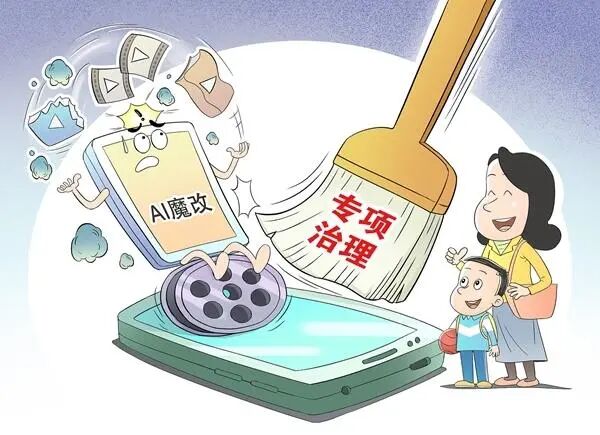
This cultural anxiety culminated in a significant intervention from Chinese regulatory authorities. In late 2023 and throughout 2024, as the AI mo gai trend reached its peak, the National Radio and Television Administration (NRTA), the powerful body overseeing China's broadcast media, issued a series of directives aimed at curbing the phenomenon. The administration did not call for a blanket ban on AI technology, recognizing its potential for economic and technological advancement. Instead, it took a targeted approach, demanding that online platforms strengthen their content moderation to identify and remove what it termed "problematic mo gai works." The official statements emphasized the need to protect the "dignity of classics" and to prevent the "distortion of history and traditional culture." Platforms like Douyin (the Chinese version of TikTok) and Bilibili, a hub for youth culture and fan edits, swiftly complied, deploying algorithms to detect and take down thousands of videos while also restricting the discoverability of such content through recommendation systems.
The regulatory crackdown created a complex and nuanced response from the public. A segment of society, particularly older generations and cultural conservatives, applauded the move. They saw it as a necessary defense of cultural integrity against the chaotic and often frivolous forces of internet culture. For them, a society that allows its foundational myths to be endlessly parodied without reverence is a society losing its moral and cultural compass. They argue that there are plenty of original, modern stories to be told with AI without needing to hijack and deface the nation's cherished artistic legacy. On the other hand, the creators and their young, tech-savvy audience have expressed a more conflicted view. While many are careful to comply with the rules to avoid having their accounts suspended, a sense of frustration lingers. They argue that their work is fundamentally a form of love—a creative, if irreverent, engagement that proves these old stories still have the power to captivate. They view the crackdown not as a protection of culture, but as a stifling of the very dynamism that keeps culture alive. The debate encapsulates a classic tension: is tradition a sacred monument to be preserved in amber, or a living language to be spoken in new dialects by each generation?
The commercial dimension of this controversy adds yet another layer of complexity. The AI mo gai craze has not gone unnoticed by the very industries it borrows from. While some production companies have issued cease-and-desist orders, others have watched with a keen, calculating eye. The massive engagement numbers—hundreds of millions of views for popular edits—represent an unprecedented level of audience engagement that traditional marketing campaigns could never buy. Some studios have begun to tentatively explore partnerships with AI creators, offering legal access to character IP in exchange for a share of the revenue or for controlled promotional content. This has created a gray market ecosystem where the line between piracy and promotion is blurry. It raises the question of whether the future of entertainment might involve a more symbiotic relationship between official producers and the unofficial remix culture, a model that has seen some success in the music industry but remains fraught in the world of film and television, where the emotional connection to actors' performances is so integral to the product's value.
Looking forward, the story of AI mo gai in China is far from over. It serves as a microcosm of the global challenges posed by generative AI. The technology's capacity to create is outpacing the legal and ethical frameworks designed to manage its consequences. In China, this struggle is being played out with a distinct set of characteristics: a powerful, centralized regulatory state with a clear mandate to protect cultural stability; a highly sophisticated, digitally native population that prizes creativity and humor; and a deep cultural tradition that is simultaneously a source of immense pride and a complex legacy to navigate. The outcome of this clash will likely set a precedent not just for China, but for how other nations grapple with the collision of AI, intellectual property, and cultural heritage.
In essence, the phenomenon of AI mo gai represents a pivotal moment in the evolution of digital culture. It is a story of empowerment, as ordinary citizens wield god-like technological tools to reshape the narratives of their childhood. It is a story of anxiety, as established institutions and cultural guardians confront the fragility of the stories they hold dear in the face of algorithmic chaos. And it is a story of negotiation, as a society attempts to find a balance between fostering innovation and protecting the integrity of its cultural soul. The creations themselves—the surreal, funny, and sometimes jarring videos of ancient heroes navigating a modern world—are fleeting, often disappearing from platforms as quickly as they appear. Yet the questions they have raised about authorship, authenticity, and the ownership of culture are enduring. As AI technology continues to evolve, becoming even more seamless and accessible, the debate ignited by these magical alterations will likely intensify. Whether the future holds a more permissive, hybrid model of cultural production or a stricter, more fortified defense of the original, one thing is certain: the line between creator and consumer, between tradition and innovation, has been permanently redrawn. The digital renaissance, with all its creative promise and contentious discontents, is here to stay.

