


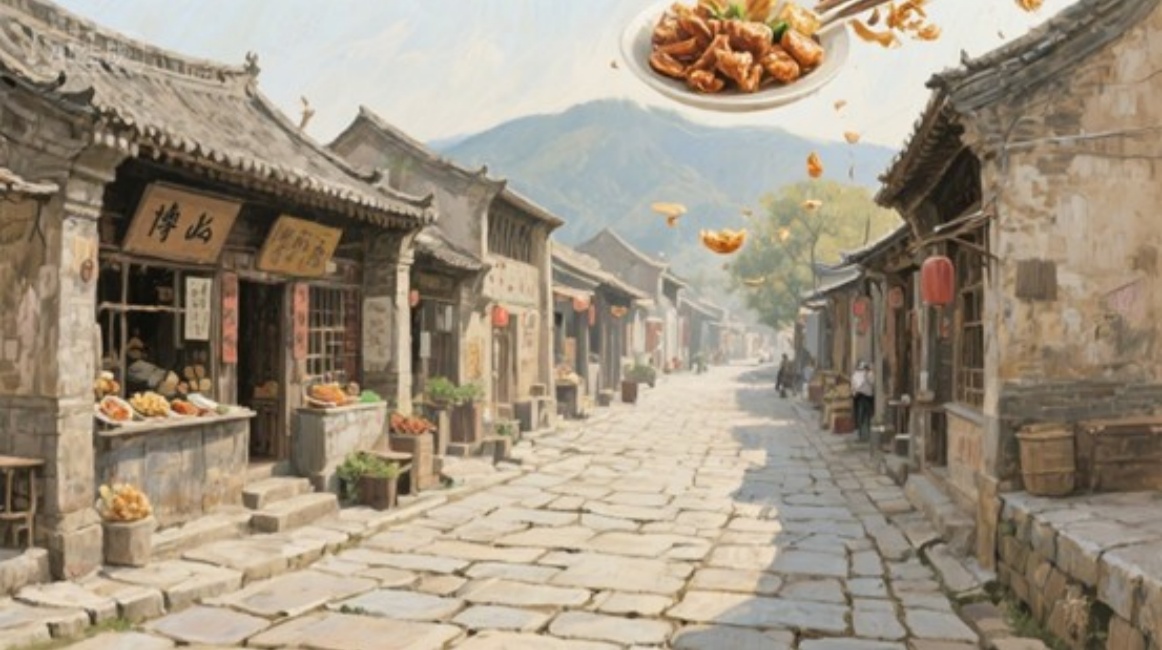
The aroma of Boshan crisp pot has been floating on the land of Zhongqilu for hundreds of years. This famous seasonal dish of Lu cuisine, alias "Su Guo dish", has a good story related to Su Shi's brother and sister-it is said that during the Northern Song Dynasty, when Su Xiaomei passed through Boshan, she drew inspiration from the casserole stew of kiln workers and created a cooking method of stacking ingredients layer by layer, which was improved by later generations and finally became today's crisp pot. From the homely taste of kiln workers in the old days to the palace of intangible cultural heritage in Shandong Province, the evolution of crisp pot has witnessed the prosperity of Boshan ceramics and coal industry, and also precipitated the wisdom of regional food culture. During the Spring Festival, this delicacy becomes a must for every family, making the flavor of the year more and more intense in the aroma of slow stewing.
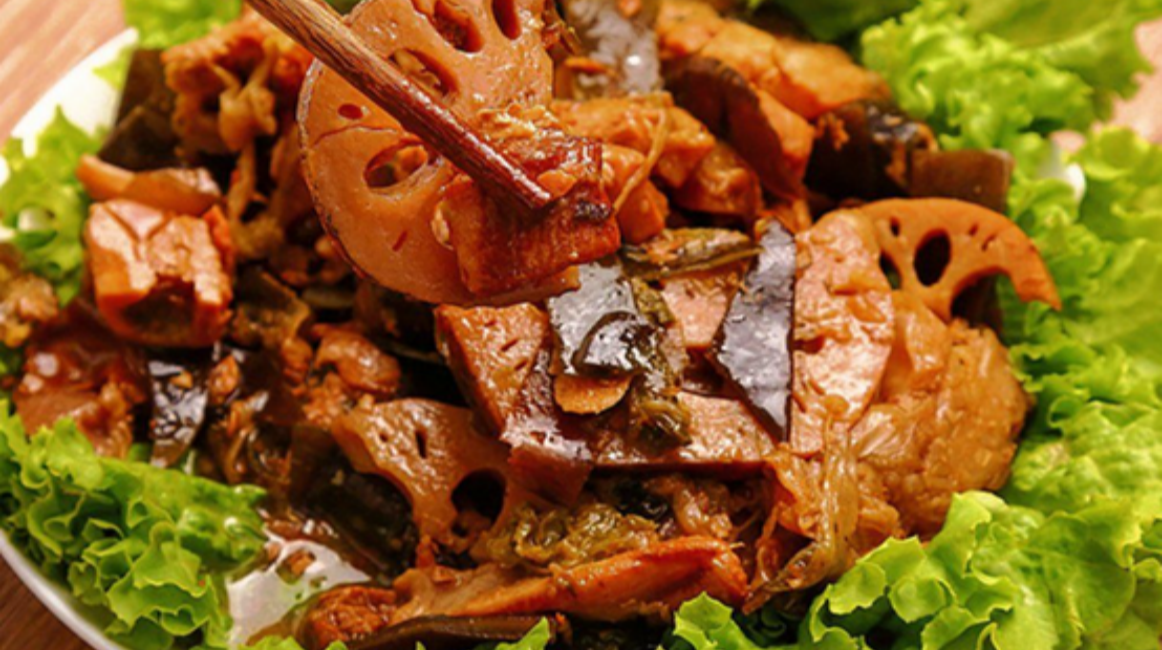
T he magic of Boshan crisp pot lies in the perfect integration of the characteristics and meanings of meat and vegetable ingredients. "Three meat and three vegetables" are classic standard: Spanish mackerel, pig's trotters and pork belly provide mellow meat flavor, cabbage, kelp and lotus root add refreshing taste, while people pay attention to abundance and frugality. Cabbage symbolizes peace and prosperity, tofu implies the wish of "all are blessed", lotus root implies long family affection, kelp silk places long-term hope for happiness, and every kind of food material is a good expectation for life. The selection of materials is even more refined: the local round cabbage in Boshan has little moisture and is easy to crumble, the dried kelp in Long Island comes with fresh fragrance after being soaked, and the nine-hole lotus root powder is waxy and not broken. These authentic ingredients together form the flavor base of the crisp pot.
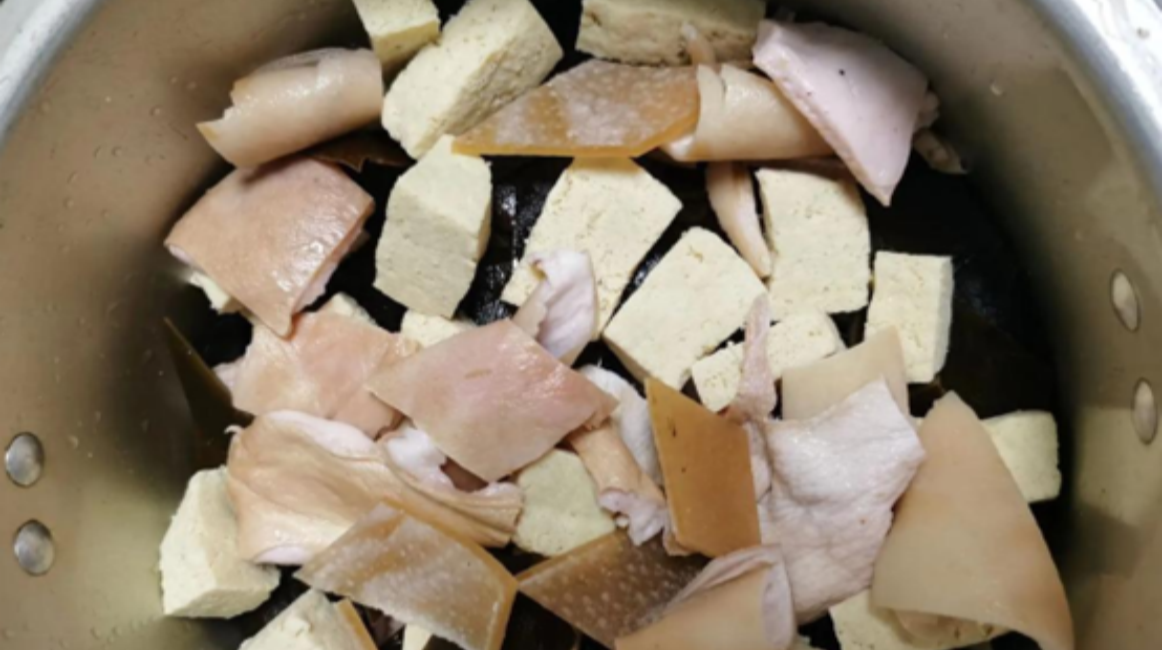
Making a pastry pot is a dialogue with time, and every step has hidden secrets. The traditional method requires a special black casserole made by Boshan, with bamboo grate as the bottom to prevent paste. The ingredients are stacked layer by layer in the order of "vegetarian food is below and meat food is above". The top layer is "sealed" with cabbage to lock the delicate flavor. The key lies in "not adding a drop of water", relying entirely on the juice exuded from the ingredients to stew slowly, then using soy sauce to color, vinegar to promote crisp rotten, sugar to neutralize, and yellow wine to remove fishy smell. The slight difference in the proportion of seasonings creates the unique phenomenon of "every family makes crisp pots, one flavor at a time. The conversion of civil and military fire is especially important. First, boil it with a strong fire, then turn to a small fire and simmer for at least 8 hours, so that the meat is crisp and rotten, the vegetarian dishes are full of meat flavor, and the taste is deeply blended in the slow stewing.
The moment you open the casserole, the flavor of sour, meat and vegetables will come to you. The flavor balance of this delicacy is just right: fish is soft and not broken, pork is fat but not greasy, kelp is flexible and tasty, lotus root starch is glutinous and sweet, and cabbage is soft and rotten but not broken. The taste of sour and sweet is moderate and salty for all ages, sour can appetizer and relieve greasy, sweet can neutralize meat and fishy, and salty and fresh bottoming makes each bite rich in levels. When eating hot, the soup is mellow and warm the heart and stomach. After cold food, the ingredients are compact and the sour flavor is stronger. Whether it is poured with rice or served as a cold dish with wine, it can make people have a big appetite. No wonder it has the reputation of "three bowls with rice.

For Boshan people, the crisp pot has already surpassed the dishes themselves and has become a symbol of nostalgia and reunion engraved in the bones. "Poor is also a crisp pot, rich is also a crisp pot", this delicacy does not distinguish between rich and poor. It is a must-have on the dining table during the Spring Festival reunion, and it is also a warm ceremony for family division of labor and cooperation. Once upon a time, the cries of "big casseroles and two casseroles" in Boshan streets and lanes were intertwined with the aroma of saucepans in every household. Now, it has become a hot online food and has been reported and promoted by Xinhua News Agency, but it still retains the most authentic taste. No matter where you are, a crispy pot can awaken the memory of your hometown and let the wandering heart find a sense of belonging. This is the most moving power of traditional food.

