


Pu’er tea processing techniques—rooted in reverence for nature, adherence to ancient methods, and deep integration with regional culture—serve as a prime example of Oriental craftsmanship and living intangible cultural heritage. They perfectly capture the depth and richness of China’s intangible cultural heritage, with every step embodying time-honed wisdom and every transformation highlighting culture’s vibrant vitality.
At its core, Pu’er production hinges on adapting to local ecology and upholding strict raw material standards. Only large-leaf tea leaves from Yunnan’s core growing regions are selected, following the "one bud with two or three leaves" picking principle. This not only lays the groundwork for Pu’er’s mellow flavor but also reflects the Oriental ecological philosophy of harmony between humans and nature—simple, sincere dedication that vividly showcases the profound heritage of China’s intangible cultural heritage.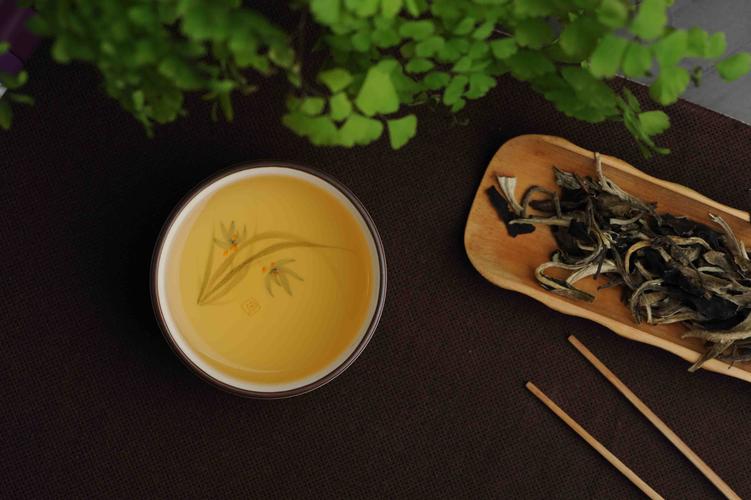
In initial processing, the age-old techniques of withering and fixation represent craftsmanship no machine can replicate. Natural withering, done by spreading and air-drying, honors the tea leaves’ inherent qualities; high-temperature iron-wok fixation relies on precisely controlled heat and rhythm, guided by generations of passed-down experience. These skills—taught through oral tradition and hands-on demonstration—highlight intangible cultural heritage’s unique traits while carrying the depth of traditional Chinese craftsmanship.
Rolling and sun-drying create a harmonious balance between craftsmanship and nature. Precise force control during rolling builds the foundation for fermentation’s distinct flavors, while natural sun-drying preserves the leaves’ authentic taste. This reflects reverence for ancient methods and perpetuates the Oriental philosophy of harmonious coexistence with nature, making it a key window for international audiences to experience the allure of China’s intangible cultural heritage.
Fermentation is Pu’er’s soul and the core expression of wisdom in China’s intangible cultural heritage. Raw Pu’er’s natural aging embodies the Oriental philosophy of letting time unfold; ripe Pu’er’s pile fermentation follows nature’s laws with precision. This "working with natural tendencies" logic fully demonstrates the craftsmanship and profound heritage of Chinese intangible cultural heritage.
The pressing and shaping stage blends practicality with cultural meaning. It carries on ancient tea trade traditions, aligns with Chinese cultural values, and elevates Pu’er to an intangible cultural heritage carrier—one that unites technical skill and cultural significance, bearing witness to the deep integration of Chinese craftsmanship and culture.
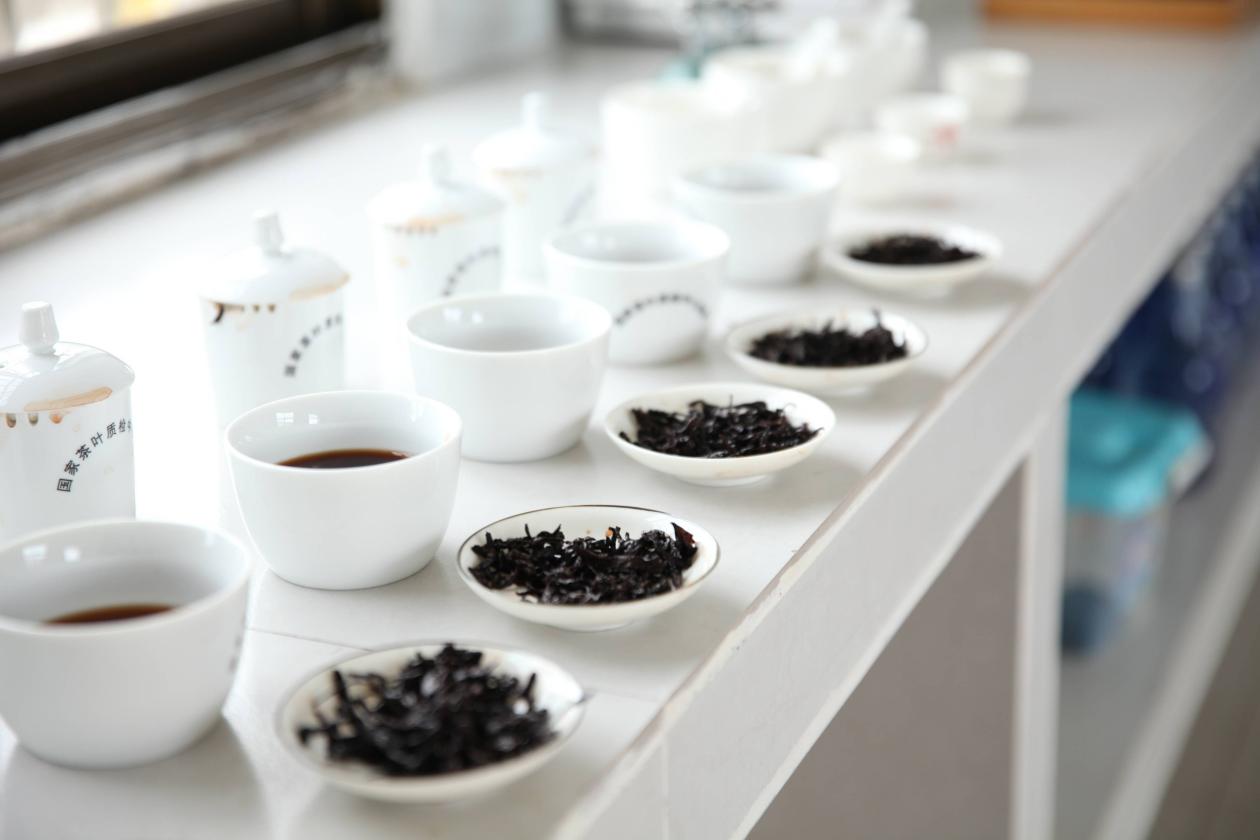
Overall, Pu’er tea processing’s value lies in three core tenets of intangible cultural heritage woven into its system: reverence for nature, commitment to craftsmanship, and cultural inheritance. As a living intangible cultural heritage, it sustains the vitality of China’s intangible cultural legacy. The ecological concepts and craftsmanship it embodies showcase the grandeur of China’s intangible cultural heritage, offering international audiences a vital lens to understand traditional Chinese cultural roots.

