


In the heart of Jiangsu province, nestled within the ancient city of Suzhou, lies a world of tranquil beauty and profound philosophical thought—the Classical Gardens of Suzhou. These are not merely collections of plants and pavilions; they are meticulously crafted microcosms, three-dimensional poetry where nature, art, and metaphysics converge to form what is often considered the pinnacle of Chinese landscape garden design.
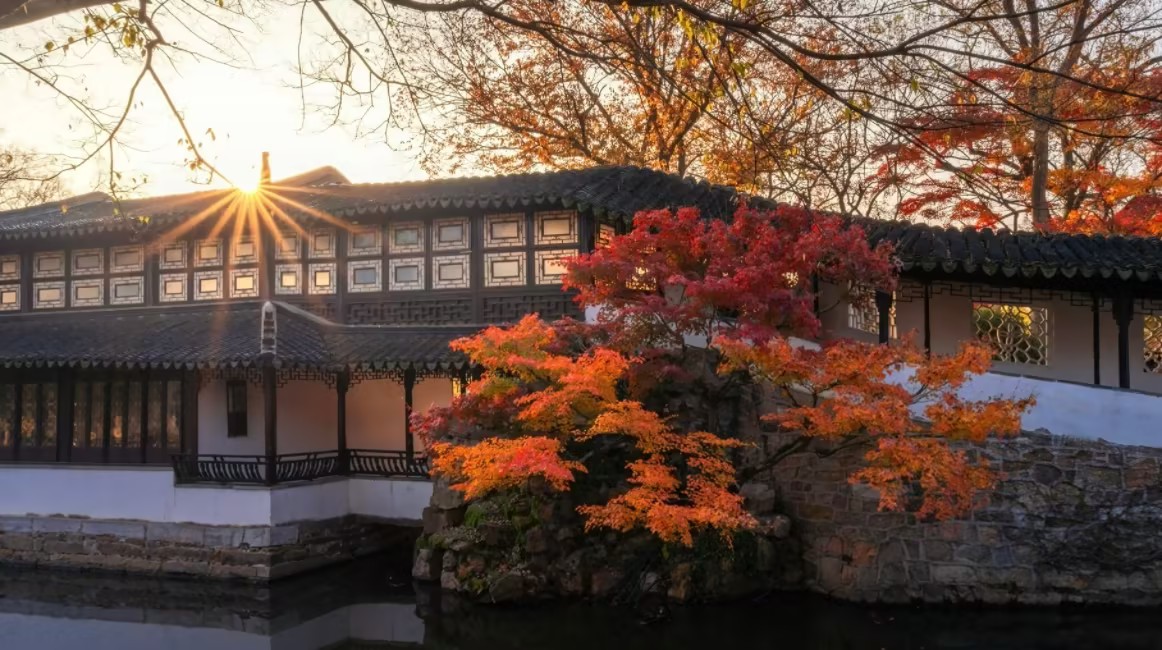
Emerging during the prosperous Ming and Qing dynasties (14th-20th centuries), these gardens were the private retreats of scholars, artists, and retired officials. For them, a garden was an extension of the self—a physical manifestation of intellectual pursuit and spiritual refuge from the bureaucratic world. It served as a canvas for expressing harmony with nature, a core tenet of Confucian, Daoist, and Buddhist thought.
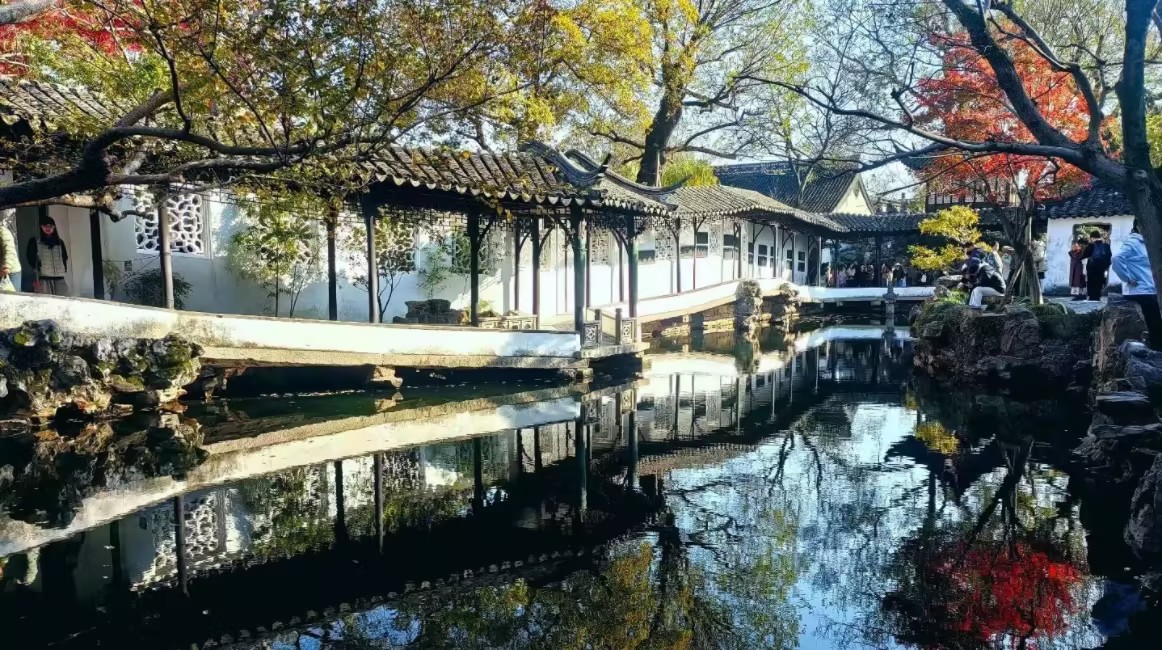
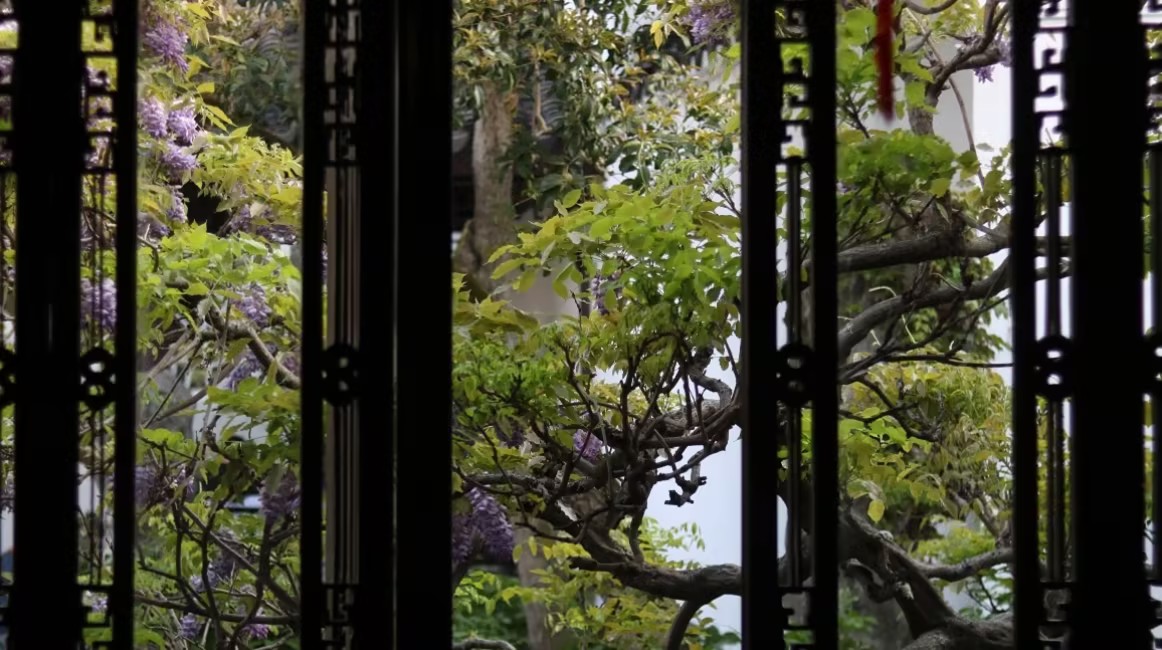
The genius of Suzhou's gardens lies in their mastery of illusion and compression. Within limited urban spaces, often just a few acres, designers conjured a sense of boundless landscape. The principle of "borrowed scenery" is key: walls, lattices, and strategically placed windows frame distant pagodas or neighboring trees, seamlessly incorporating the outside world into the garden's composition.
Every element is deliberate. Meandering pathways and zigzag bridges slow the visitor’s pace, encouraging contemplation. Artificial hills, built from weathered Taihu rocks with their characteristic holes and wrinkles, mimic the grandeur of mountain ranges. Water, in the form of serene ponds or murmuring streams, is the lifeblood of the garden, reflecting skies, architecture, and foliage to double the visual pleasure.
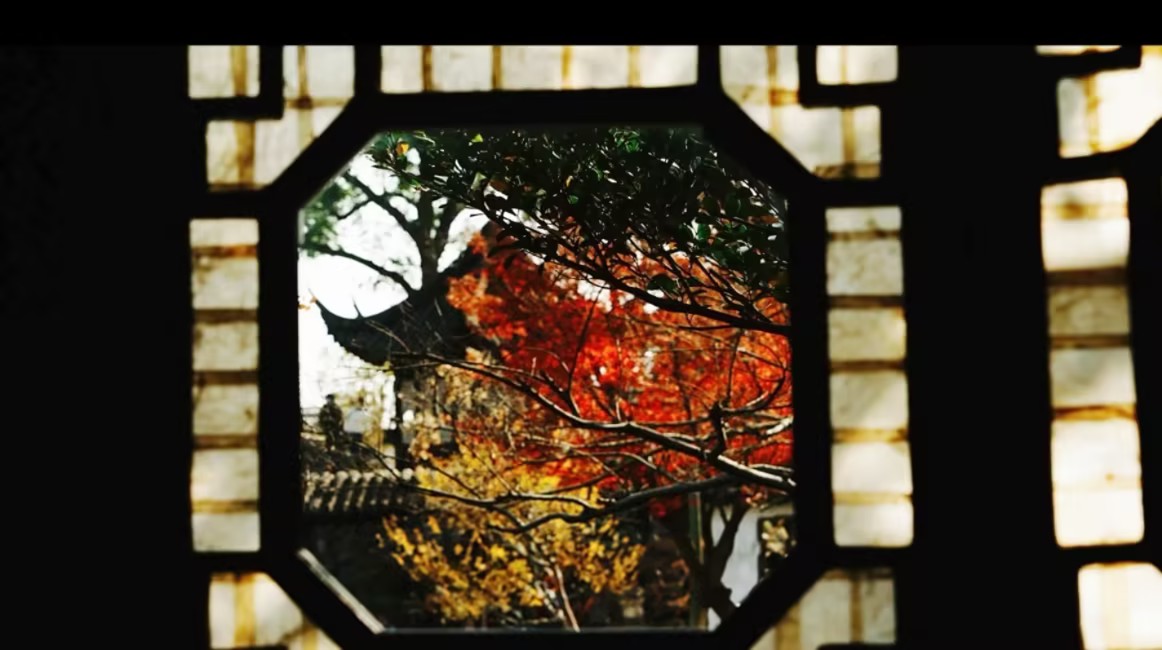
Architecture is woven organically into this natural tapestry. Elegant pavilions, known as ting or xie, offer sheltered vantage points. Halls with intricately carved wooden latticework are named after poetic concepts like the "Hall of Distant Fragrance" or the "Pavilion of the Surging Waves." Each structure is positioned to capture specific views—of a lotus pond in bloom, a solitary rock, or the moon's reflection on water—transforming every glance into a living painting.
The gardens engage all senses. The subtle play of light and shadow through bamboo groves, the sound of rain dripping from broad lotus leaves, the fragrance of osmanthus in autumn, and the tactile coolness of a stone bench—all contribute to the immersive experience. These are spaces designed for the refined pastimes of the literati: reading, painting, playing the guqin (a zither), sipping tea, and conversing with friends.
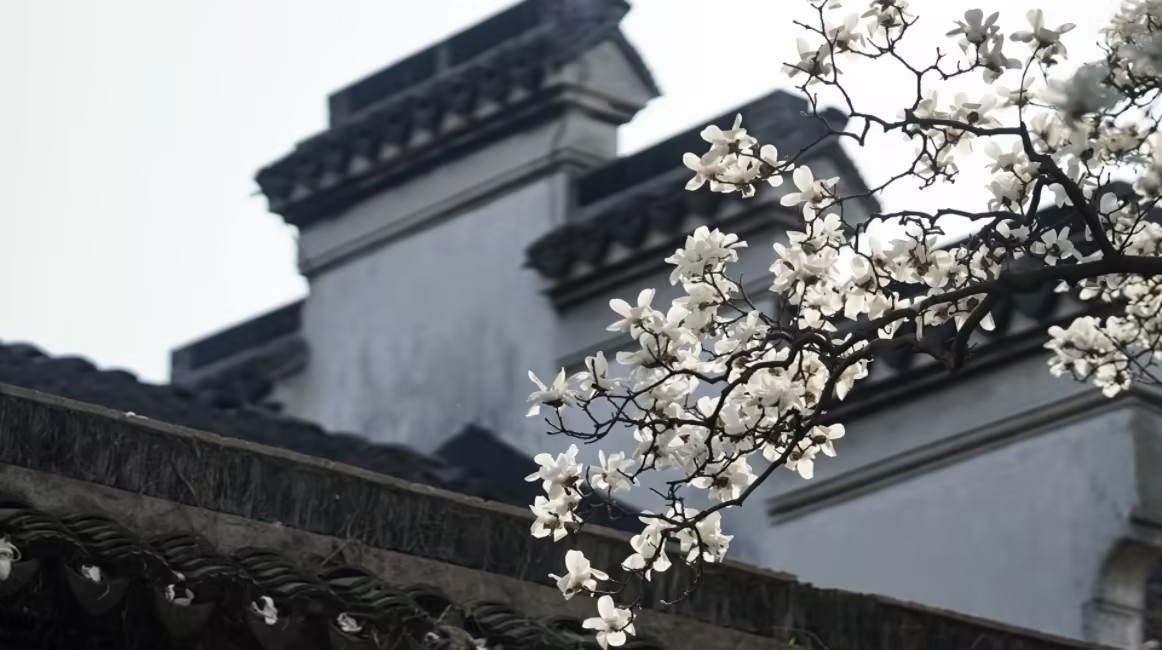
Among the most celebrated are the Humble Administrator's Garden (Zhuozheng Yuan), vast and watery, with its islands and lotus-covered ponds; the Lingering Garden (Liu Yuan), renowned for its exquisite rockery and sequence of changing spaces; and the Master-of-Nets Garden (Wangshi Yuan), a compact masterpiece where every square foot is perfectly balanced. For its exquisite miniaturization, the Garden of Cultivation (Yi Yuan) is a hidden gem.
In 1997, several of Suzhou's finest gardens were collectively inscribed as a UNESCO World Heritage Site, recognized for their outstanding embodiment of Chinese cultural ideals expressed through landscape design. They are not relics frozen in time but living cultural spaces. Today, they continue to whisper ancient secrets—of the desire to find the universe in a courtyard, to balance human artifice with natural spirit, and to create, in stone and water, a timeless symphony of serene beauty. A visit is a journey into the very soul of traditional Chinese aesthetics, a quiet dialogue between humanity and the natural world.

