


Water Town Whisper: Nanxun, an ancient town in Jiangnan that has been treated by time
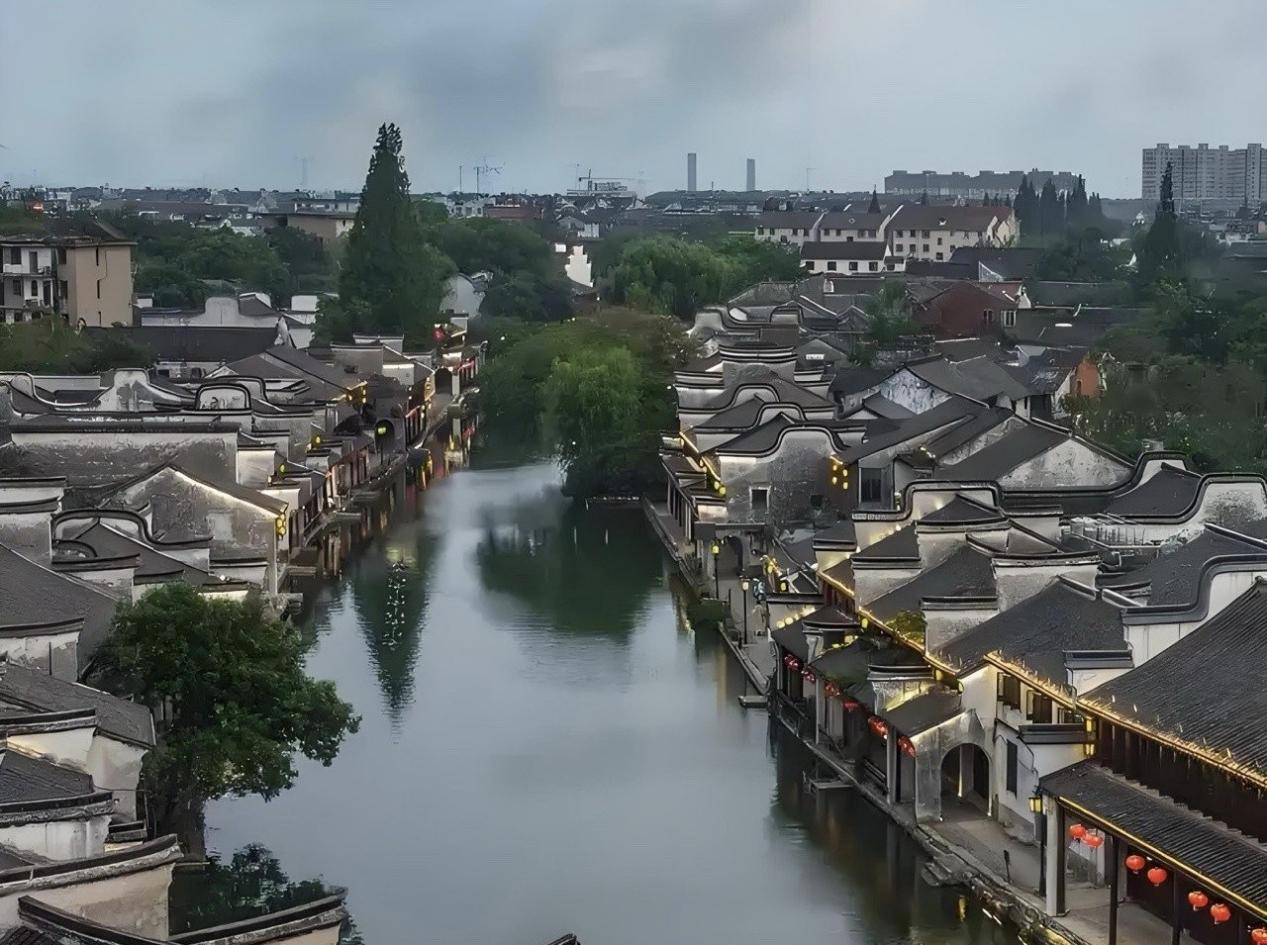
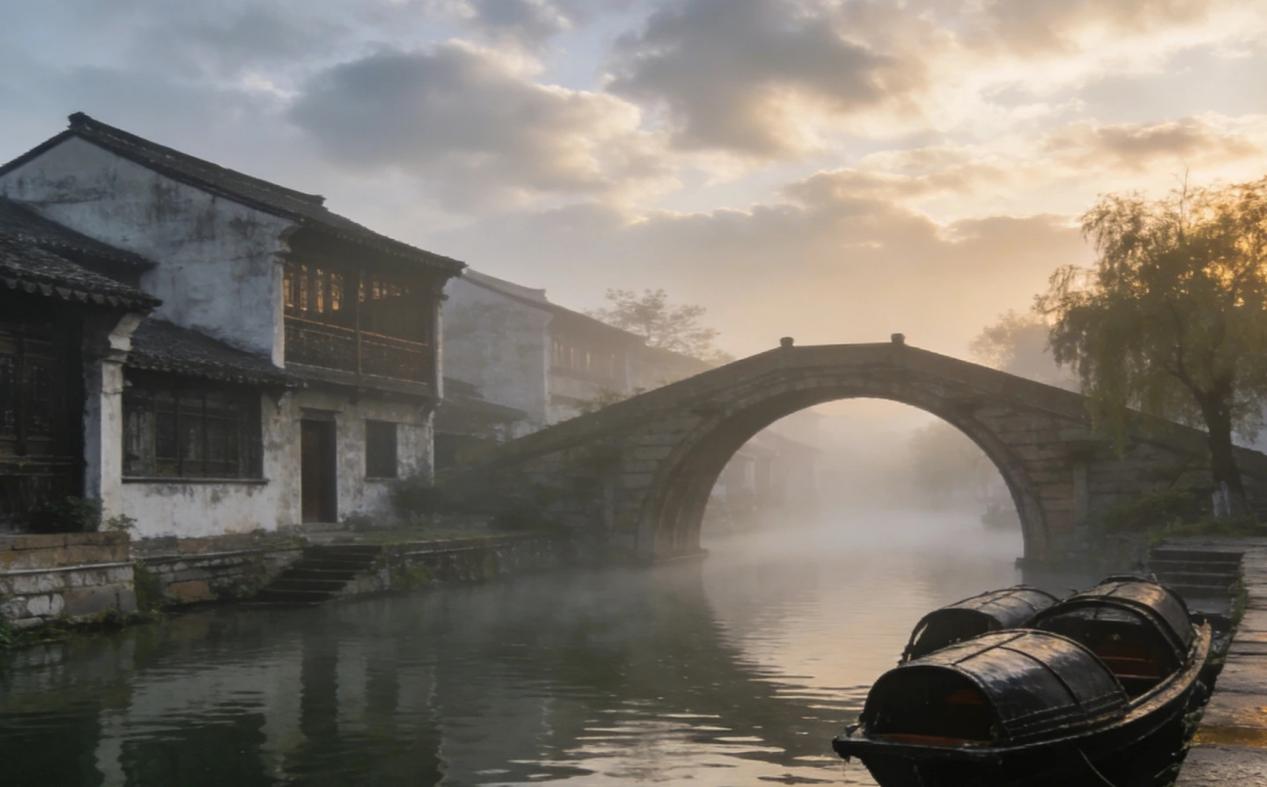
In the heart of Zhejiang lies a small town resembling a Jiangnan ink painting—Nanxun. This ancient town, not always at the top of international tourists 'lists, is a hidden gateway to understanding the essence of China's Jiangnan culture, its classical wealth, and the history of Sino-Western integration in modern times. Compared to more well-known water towns like Zhouzhuang and Wuzhen, Nanxun exudes a more reserved, serene, and profound charm. It is not only a model of small bridges over flowing streams and white walls with black-tiled roofs, but also a vivid epic about silk, wealth, book collections, and transnational exchanges, quietly awaiting travelers from around the world to unravel its multi-layered stories.
I. Origin and Development: From Silkworm Silk to the World's Richest
The narrative of Nanxun began in the Southern Song Dynasty (around the 12th century). Located on the alluvial plain south of Taihu Lake with its intricate network of waterways, it was named "Nanxun." Its fate was closely tied to a slender silk thread—the lake silk. Benefiting from its unique natural conditions and exquisite silk-reeling techniques, Nanxun became the finest producer and trading center of lake silk in China during the Ming and Qing dynasties, especially in the 19th century. Merchants here transported silk via the Grand Canal to Shanghai and then sold it worldwide, amassing astonishing wealth and forming the renowned "Nanxun Merchant Guild" in modern Chinese history.
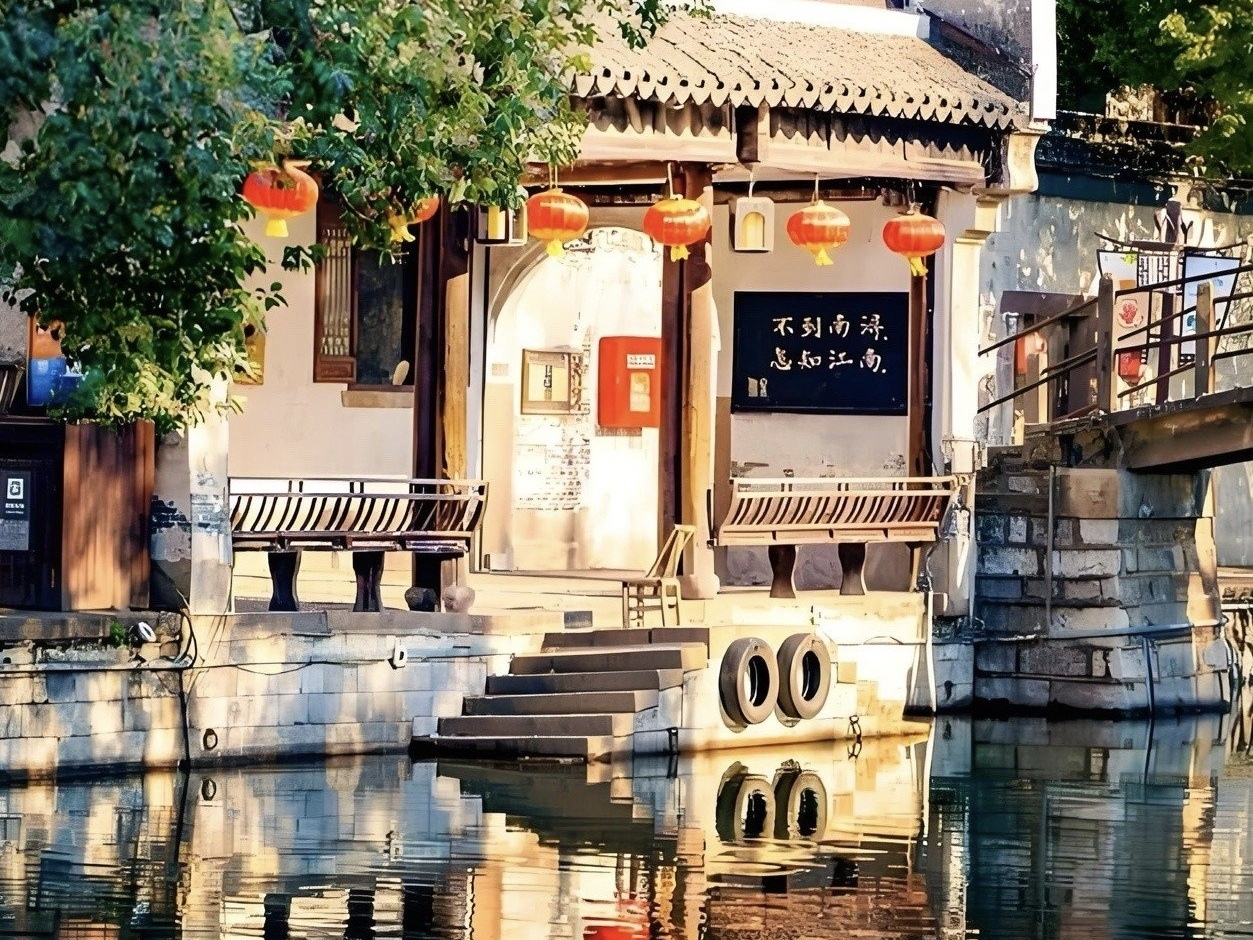
Wealth is not only used for luxury, but also transformed into cultural and architectural heritage.
The uniqueness of Nanxun lies in its perfect fusion of the elegance of Chinese gardens and the style of Western European architecture, which is extremely rare among ancient towns in China. At the end of the Qing Dynasty and the beginning of the Republic of China, silk merchants and wealthy merchants returned from their travels in Europe, bringing back Roman columns, arches, stained glass, and French lattices to their hometowns, where they harmonized with Chinese horse-head walls and carved wooden windows. Thus, the town saw the emergence of classic Jiangnan gardens like "Xiaolianzhuang," as well as grand buildings blending Chinese and Western styles such as "Zhang Shiming's Former Residence" and "Liu's Staircase." This architectural dialogue was a silent testament to Nanxun's early globalization and laid the foundation for its reputation as the "First Town of Sino-Western Blending."
II. Overseas Communication: From Missionary's Lens to Traveler's Guide
Nanxun's path to the world's attention was closely tied to the silk trade network and early Western visitors. From the late 19th to the early 20th century, Western merchants, missionaries, and explorers who came to Shanghai and its surrounding areas soon discovered this prosperous and uniquely styled "Silk Capital." Early photographs and travelogues began introducing Nanxun's canals, arch bridges, libraries (such as Jiaye Hall), and grand residences to Western readers, making it a mysterious model of "China's elite life and garden art" in the eyes of Westerners.
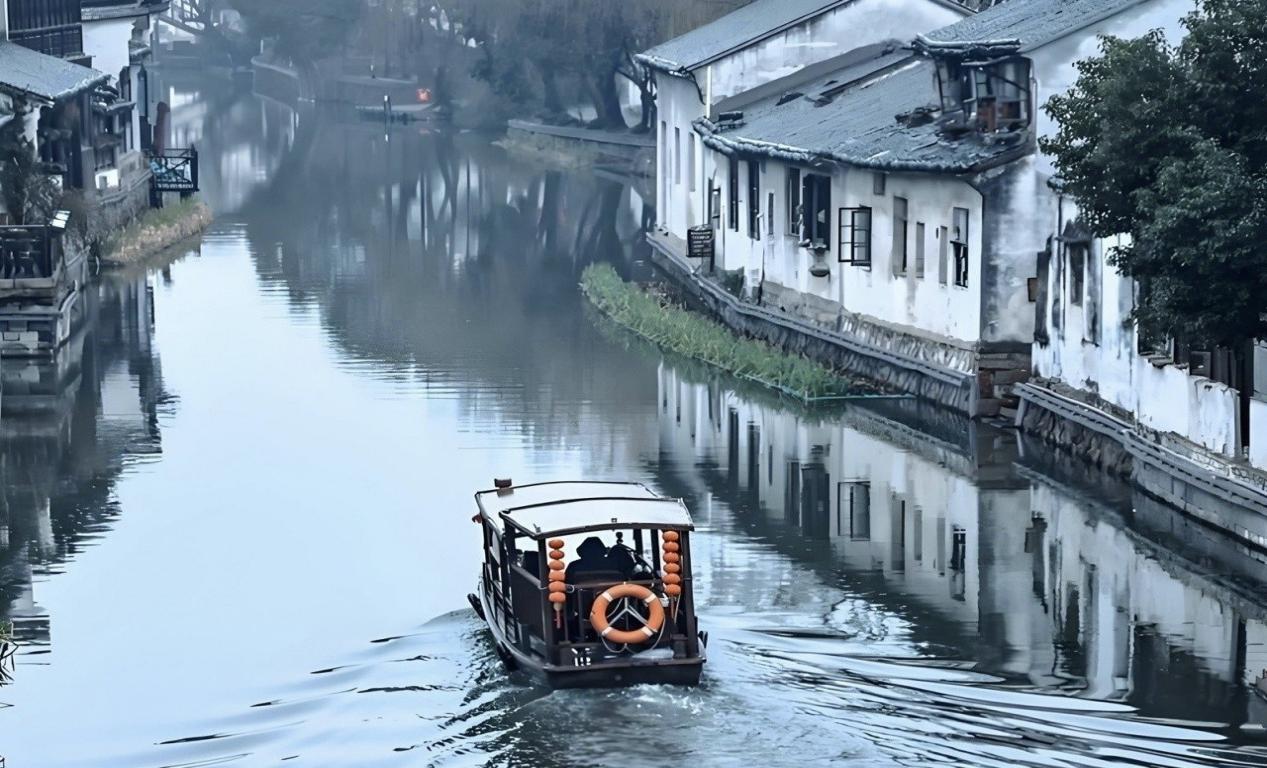
Entering the 21st century, with the rise of China's cultural heritage tourism and the in-depth promotion of international travel guides, Nanxun has gradually evolved from a "niche day trip" option in the surrounding areas of Shanghai and Hangzhou into an independent destination worth lingering and savoring. International travel platforms and bloggers have begun to explore its unique selling points that distinguish it from other water towns: a more tranquil atmosphere, less commercialized main streets, and the sense of wonder akin to a "Museum of Chinese and Western Architecture." Narratives about how to experience a "time-travel" in Nanxun—having morning tea with locals under the riverside corridor of Baijianlou, exploring the hidden details of private residences in the afternoon, and cruising along the sunset-dyed river in a hand-pulled boat at dusk—are attracting an increasing number of international travelers seeking in-depth cultural experiences.
III. International Influence: The Oriental Model of Cultural Heritage Protection
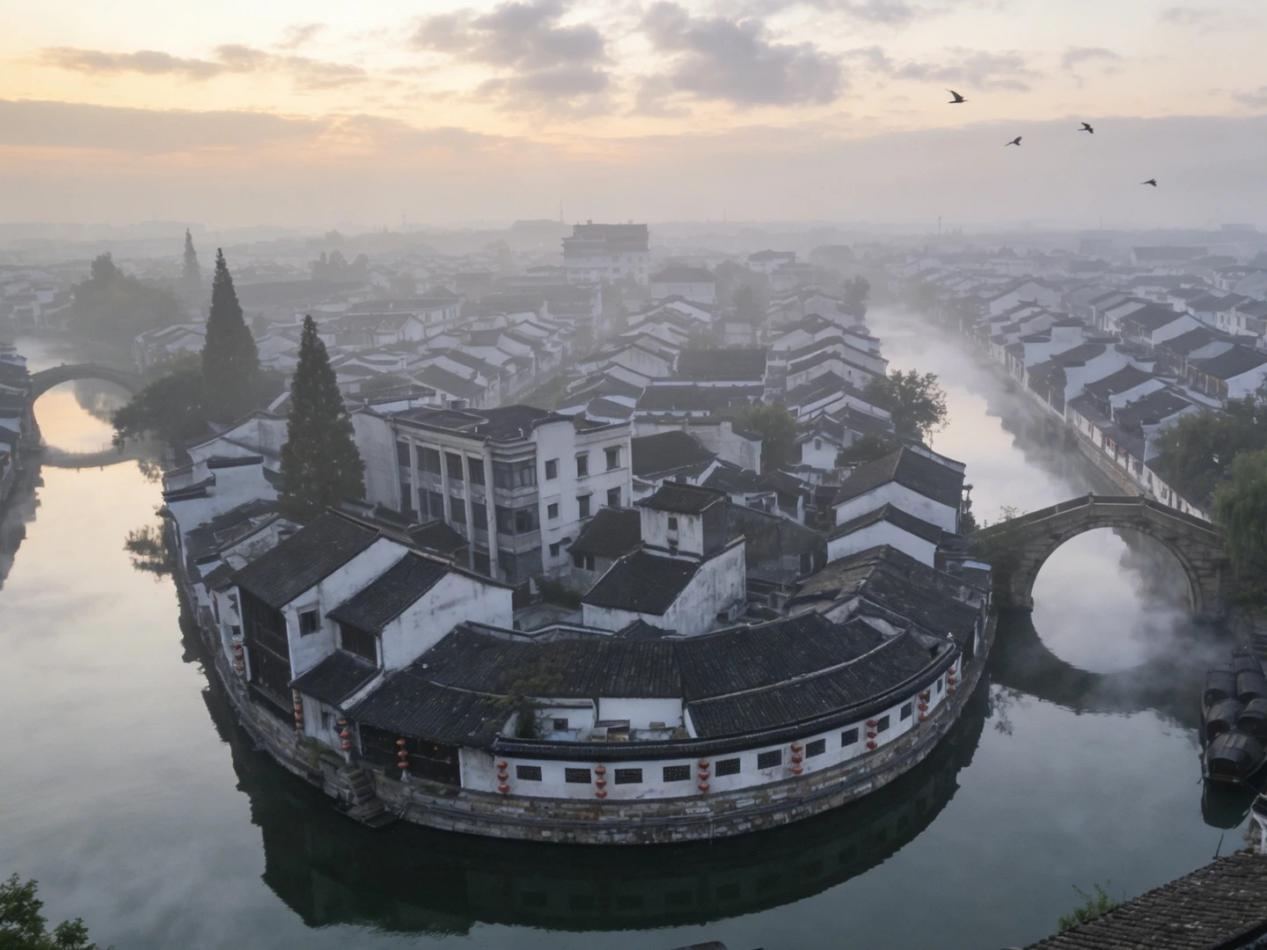
Nanxun's international influence lies not only in its tourism appeal but also in its provision of a valuable case study for the preservation and revitalization of historical towns in China and even the world. Its intact ancient town layout, well-preserved grand residences and gardens, and the continuity of community life led to its inclusion in the UNESCO World Heritage Tentative List as early as 2001. Nanxun's conservation philosophy emphasizes "living inheritance," which does not involve relocating residents to create a purely museum-like environment but rather strives to maintain community functions, allowing traditional life to coexist with tourism development.
This model has garnered attention from the international cultural heritage community. Experts and teams from regions with rich ancient town preservation experience, such as Europe and Japan, frequently visit Nanxun to exchange insights and study its approach to balancing authenticity preservation, modern living needs, and tourism development. Nanxun's practices demonstrate that historical districts can avoid excessive commercialization and preserve their essence through meticulous planning and community participation. For historical towns worldwide facing similar challenges, Nanxun's experience offers Eastern wisdom on how to safeguard local uniqueness amidst the tide of globalization.
IV. Challenges and Future: Seeking Balance Between Tradition and Modernity
Like all popular cultural heritage sites, Nanxun stands at a crossroads of development, facing a series of challenges. The primary issue is how to maintain its renowned tranquility and vibrant atmosphere amid the growing pressure from tourists. Preventing the riverbanks from being dominated by homogeneous souvenir shops and noisy bars is a daunting task for the management.
Secondly, the focus should be on deepening cultural immersion beyond superficial sightseeing. Future Nanxun could leverage its rich heritage as the 'Source of the Silk Road,' modern merchant guild culture, and stories of Sino-Western architectural fusion to develop interactive and educational programs. These might include silk-making workshops, modern financial history tours, and comparative lectures on Sino-Western architectural aesthetics, catering to international tourists' growing demand for immersive experiences.
Finally, connectivity and sustainability. Enhancing transportation links with major international gateways such as Shanghai, Hangzhou, and Suzhou, while promoting green travel modes (e.g., water-based public transport, bicycle rentals), will help attract and retain international tourists who prioritize sustainable travel.
Looking ahead, Nanxun's potential lies in preserving its unique identity as a' low-key luxury 'and' hybrid elegance.' Rather than becoming another crowded theme park-style ancient town, it can position itself as a cultural hub for discerning travelers—those who appreciate depth, discovery, and historical dialogue. Through innovative approaches to smart tourism management, community empowerment, and cultural storytelling, this Jiangnan ink-wash painting town is fully capable of carving out a more vivid and captivating chapter in the global landscape of cultural heritage tourism.
For international travelers from afar, Nanxun offers more than a picturesque tour. It is a journey through time where you can feel the warmth of silk threads that sustained the ancient Silk Road, wander through gardens blending Eastern and Western dreams, and listen to the eternal whispers of a civilization that, in its dialogue with the world, preserves its essence while gracefully pivoting between civilizations.

