


In the vast and intricate landscape of Chinese cuisine, where flavors tell stories of regions and histories, there exists a dish that has, in recent decades, clawed its way from humble origins to become nothing short of a national sensation. This dish, known to many simply as spicy crayfish, is more than just a meal; it is a vibrant social ritual, a testament to culinary innovation, and a powerful symbol of contemporary Chinese food culture. Its journey from a regional specialty to a ubiquitous feature of summer nights across the country offers a fascinating glimpse into the dynamics of modern China, where tradition and trend converge in a delicious, often messy, and utterly captivating way.
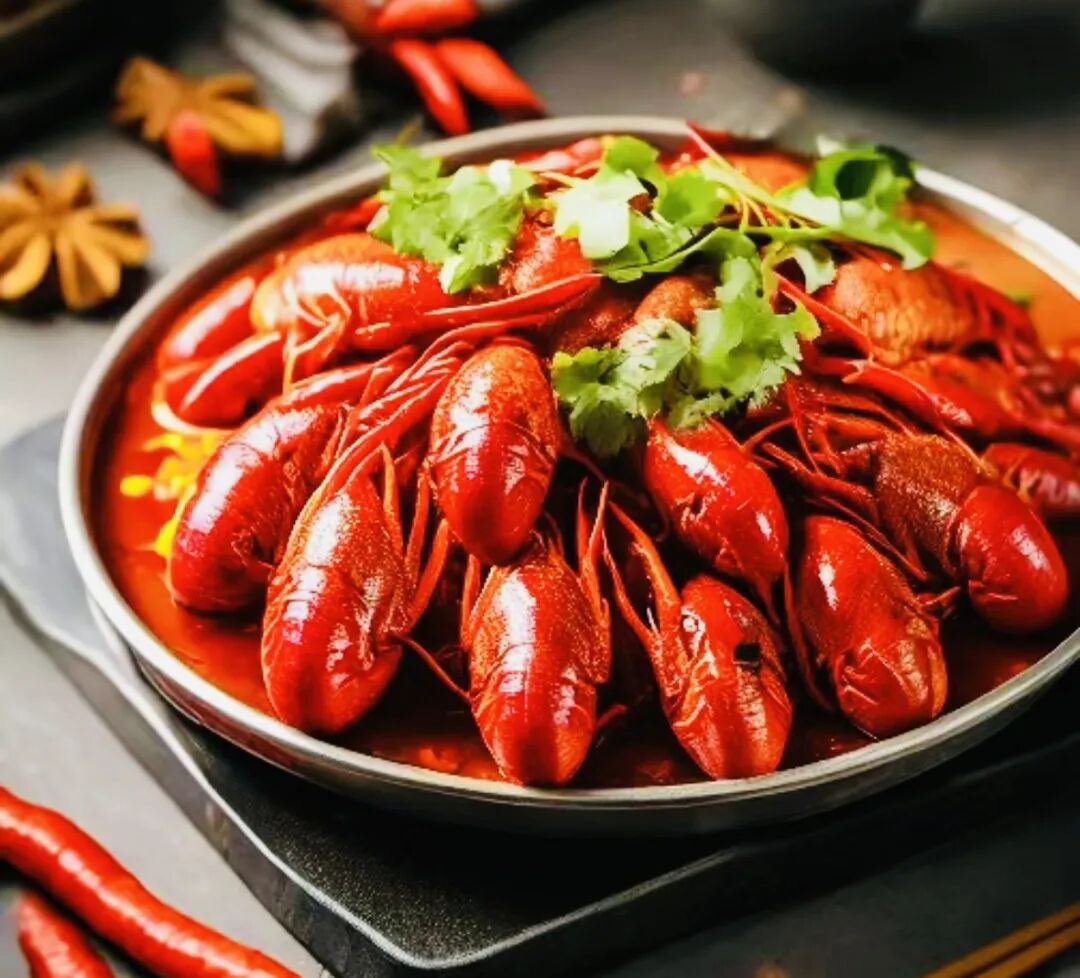
The protagonist of this story, the crayfish itself, is a small freshwater crustacean known scientifically as Procambarus clarkii. Often referred to in other parts of the world as the Louisiana crawfish or red swamp crawfish, it is a creature of resilience, thriving in the ponds and waterways of many Chinese regions. For a long time, it was not considered a premier ingredient, often overshadowed by its larger marine cousins like lobster and prawn. Its transformation began in earnest in the late 20th century, particularly in the cities along the Yangtze River basin. The exact birthplace of the spicy preparation is a matter of friendly debate, with places like Nanjing and Changsha often vying for the title. What is undeniable, however, is how a simple method of cooking this plentiful creature ignited a nationwide frenzy. The concept was straightforward yet revolutionary: take the hearty, slightly sweet meat of the crayfish and submerge it in a bold, complex, and incendiary sauce that would define its character.
The magic of spicy crayfish lies entirely in its preparation and the symphony of flavors that coat its shell. The process is an art form passed down and adapted by countless chefs and home cooks. The live crayfish are first meticulously cleaned, a crucial step that ensures the enjoyment of the final product. They are then briefly fried to seal in their succulence before being plunged into the heart of the dish—the sauce. This sauce is where the soul of the dish resides. It is a deep, aromatic, and fearsomely red liquid, a cauldron of potent flavors. The foundation is a generous amount of high-quality vegetable oil, heated until it shimmers. Into this oil, copious amounts of dried red chilies and the unique, mouth-numbing Sichuan peppercorns are introduced, releasing their fiery and tingling essences. This combination creates the iconic málà sensation—a two-pronged attack of heat (là) and a distinct, floral numbness (má) that is both challenging and addictive.
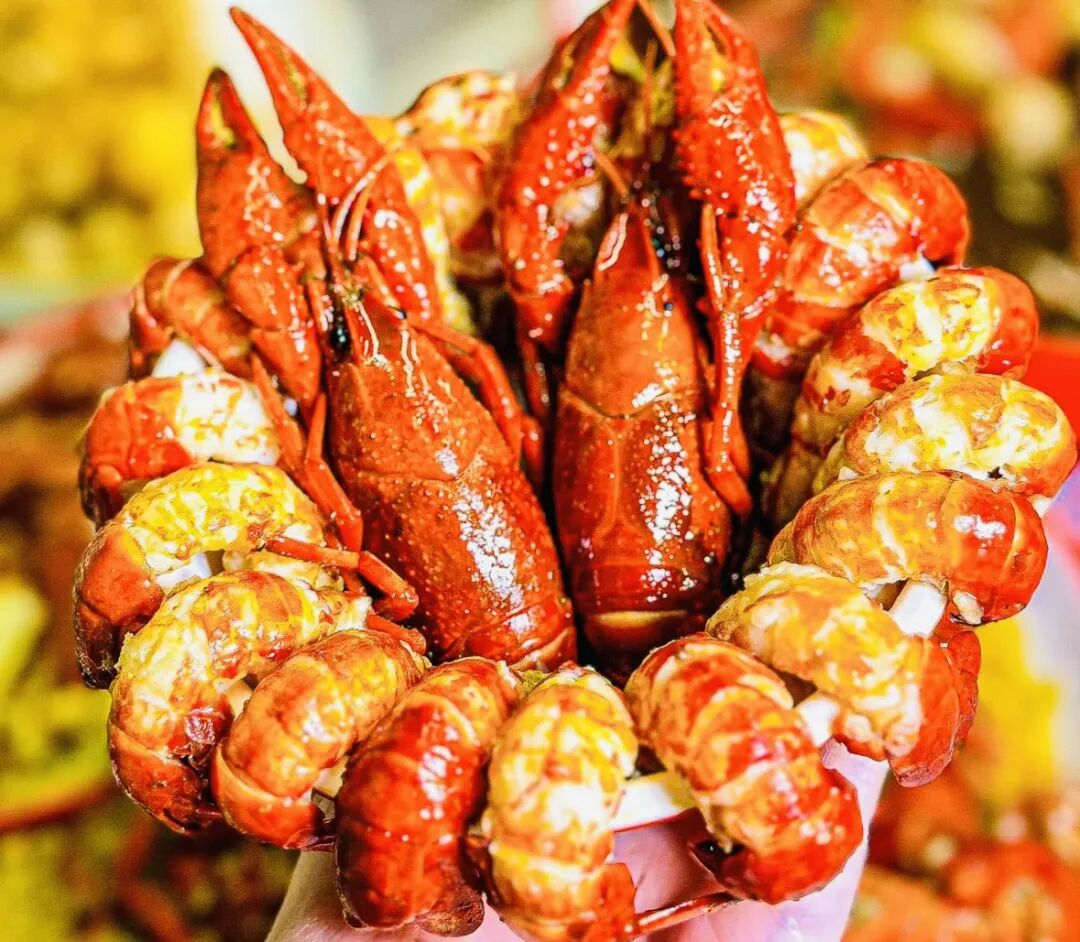
But the sauce’s complexity deepens further. Aromatic ginger and garlic sizzle at its base, while doubanjiang, a fermented broad bean and chili paste from Sichuan, adds a deep, savory umami backbone. Star anise, cassia bark, bay leaves, and other warming spices are added, lending a subtle, almost medicinal fragrance that balances the chili’s aggression. Soy sauce, sugar, and sometimes a splash of beer or rice wine round out the profile, creating a perfect equilibrium of spicy, salty, sweet, and aromatic. The crayfish simmer in this potent brew, absorbing its every nuance until their shells turn a brilliant, glossy crimson. Just before serving, whole scallions and cilantro are tossed through, adding a final burst of freshness.
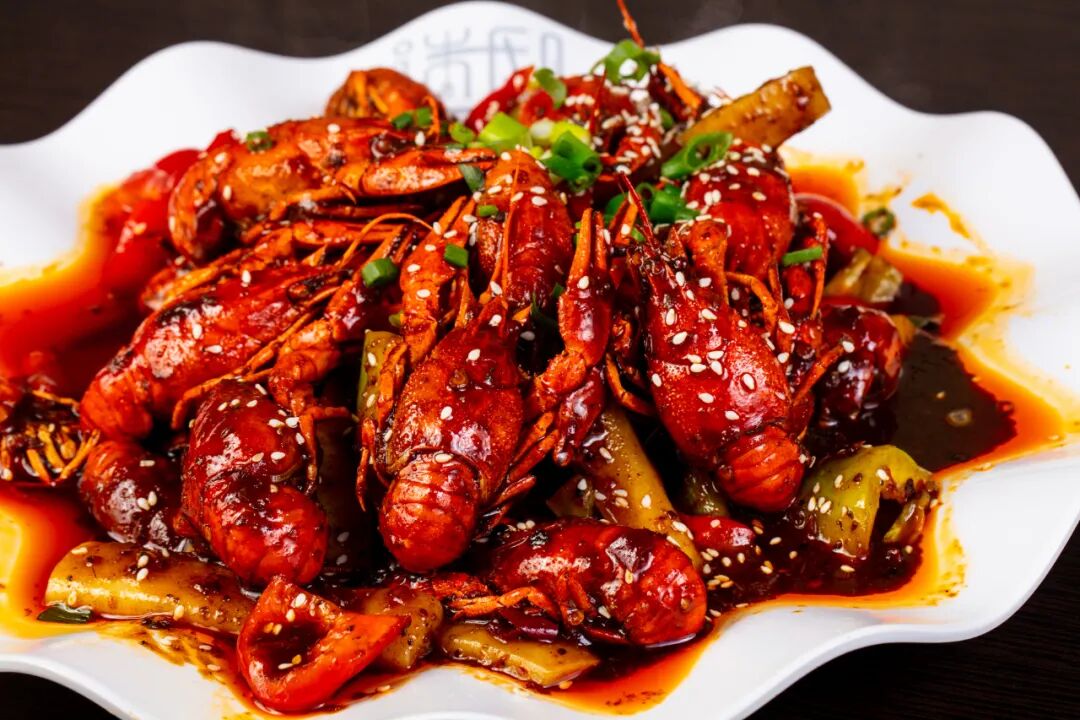
The act of eating spicy crayfish is an experience that demands full engagement, dismantling any pretence of formality. It is a hands-on, communal, and wonderfully leisurely affair. Plates or often large metal basins piled high with the red-shelled creatures are placed at the center of a table, their heady aroma cutting through the evening air. Diners don plastic gloves or, more bravely, use their bare hands, embracing the inevitable mess. The ritual is simple but specific. One holds the crayfish, twists off the head, and sucks out the rich, flavorful fat and juices trapped within—a step considered by aficionados to be the first and most crucial taste. Then, the shell of the tail is peeled away to reveal the small, curved piece of tender meat inside. This morsel, having absorbed the full intensity of the málà sauce, is the ultimate reward. It is a burst of flavor: the initial sweetness of the seafood, immediately followed by the escalating heat of the chilies and the buzzing tingle of the Sichuan pepper, all underpinned by the deep, savory notes of the spices.
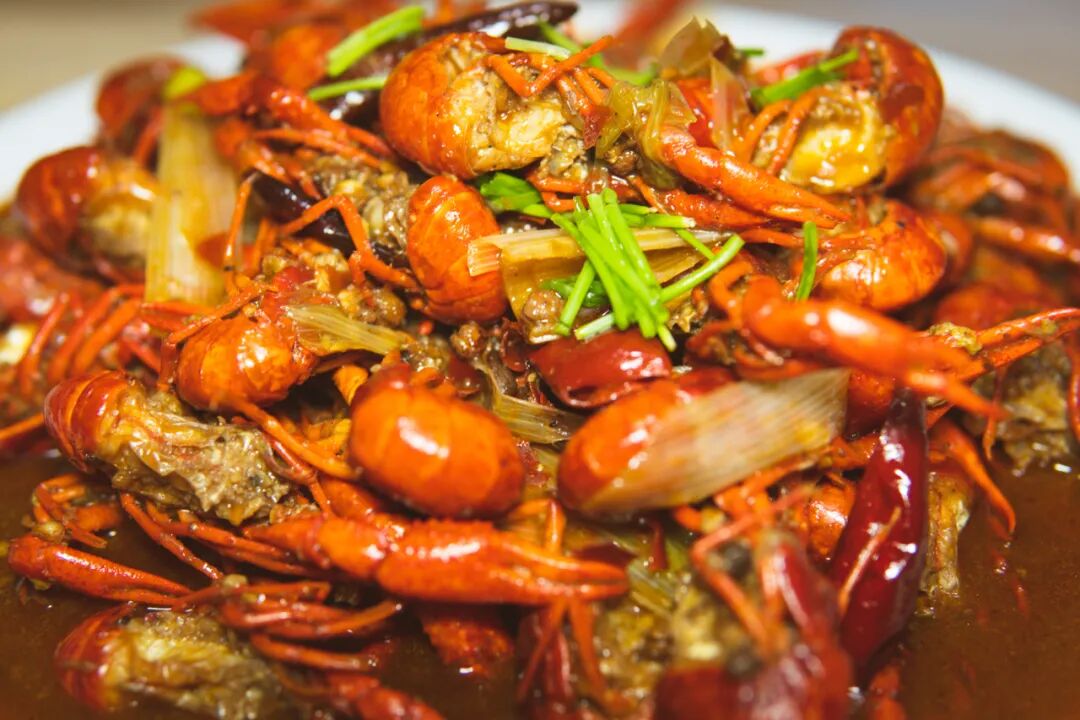
This is not a meal to be eaten quickly or in silence. It is inherently social. The process of peeling slows down the pace of dining, naturally fostering conversation and camaraderie. It is perfectly paired with ice-cold local beers or sweet, nutty bottled teas, which act as soothing foils to the spice. The spent shells pile up in communal bowls, a testament to the shared effort and enjoyment. In cities across China, from Beijing’s hutong alleyways to Shanghai’s bustling food streets and Chengdu’s open-air markets, the scene repeats itself every summer night. Plastic tables sprawl across sidewalks, filled with friends, families, and colleagues, all united by the simple, joyful act of sharing a mountain of spicy crayfish. The atmosphere is loud, lively, and filled with the sounds of cracking shells, satisfied sighs, and lively chatter. In this setting, the dish transcends its role as food; it becomes a social glue, a great equalizer, and a symbol of relaxed pleasure.
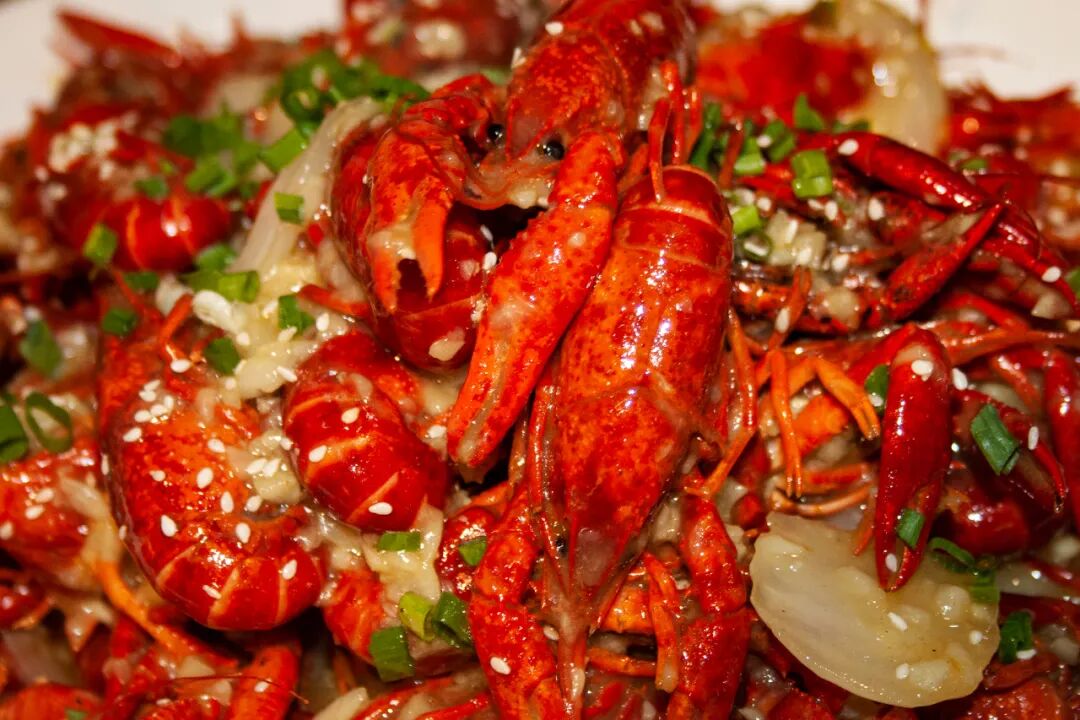
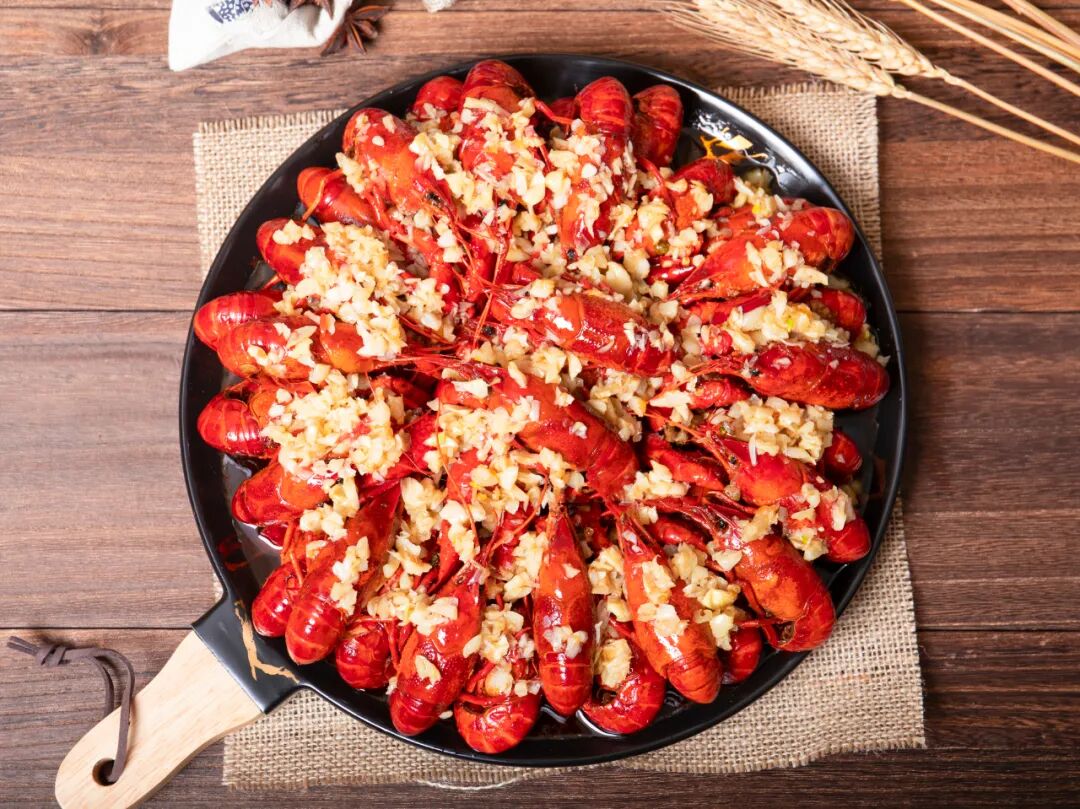
The rise of spicy crayfish mirrors significant shifts in Chinese society. Its popularity exploded alongside the country’s rapid economic growth and urbanization. It represents a new, more casual, and experiential form of dining that appeals to the younger, cosmopolitan generation. Furthermore, its story is one of culinary resourcefulness, transforming an underappreciated ingredient into a celebrated star through the powerful application of iconic Chinese flavors. The dish also highlights the incredible diversity within Chinese cuisine itself. While the málà style is dominant, regional variations abound. In some areas, a thirteen-spice blend creates a more aromatic and less aggressively hot profile. Others might offer a garlic-butter version or a steamed preparation with a light soy and vinegar dip, showcasing the crayfish’s natural sweetness. This adaptability shows the dynamic nature of the country’s food culture.
Today, the influence of spicy crayfish continues to grow. It is a fixture in Chinese restaurants overseas, introducing international diners to its unique charm. While the experience of eating it on a noisy, warm night in Beijing or Changsha is irreplicable, the dish travels well, carrying with it a taste of contemporary Chinese life. Food documentaries and social media are replete with images of its glossy red hue, further cementing its iconic status. For the curious traveler or the adventurous food lover abroad, seeking out a plate of well-prepared spicy crayfish is highly recommended. It is an invitation to participate in a modern Chinese tradition, to understand a flavor profile that defines a region, and to engage in a tactile, communal eating experience that is as memorable as it is delicious.
Ultimately, the spicy crayfish is a culinary phenomenon that captures a moment in time. It is a dish born from ingenuity, powered by bold flavors, and sustained by its unique ability to bring people together. Its story is one of ascent, from the waterways of the countryside to the very heart of urban food culture. Each shell cracked, each piece of meat savored, is a participation in a vibrant, shared national pastime. It is, in every sense, the fiery delight of modern China—a small creature with a big flavor, leaving an indelible mark on palates and memories alike, one spicy, numbing, and utterly satisfying bite at a time.

