


The Whisper of Stone: The Whisper of Time in the Ancient City of Ju
In the long galaxy of Chinese civilization, there stands an ancient city like a sleeping giant, lying quietly in the southeastern land of Rizhao, Shandong Province—Juzhou Ancient City. This is not merely a historical relic, but a "living museum" written with rammed earth, bricks, stones, and millennia of memory. It spans over three thousand years of time, from the capital of the Ju State in the Zhou Dynasty to the administrative centers of commanderies and counties since the Qin and Han dynasties, and now stands as a cultural window open to the world. For international travelers, Juzhou Ancient City offers a profound journey, not only through the layers of ancient Chinese history but also directly to the core of Eastern philosophy about eternity, inheritance, and home.
Origin and Development: Deeply Rooted in the Roots of Ju Culture
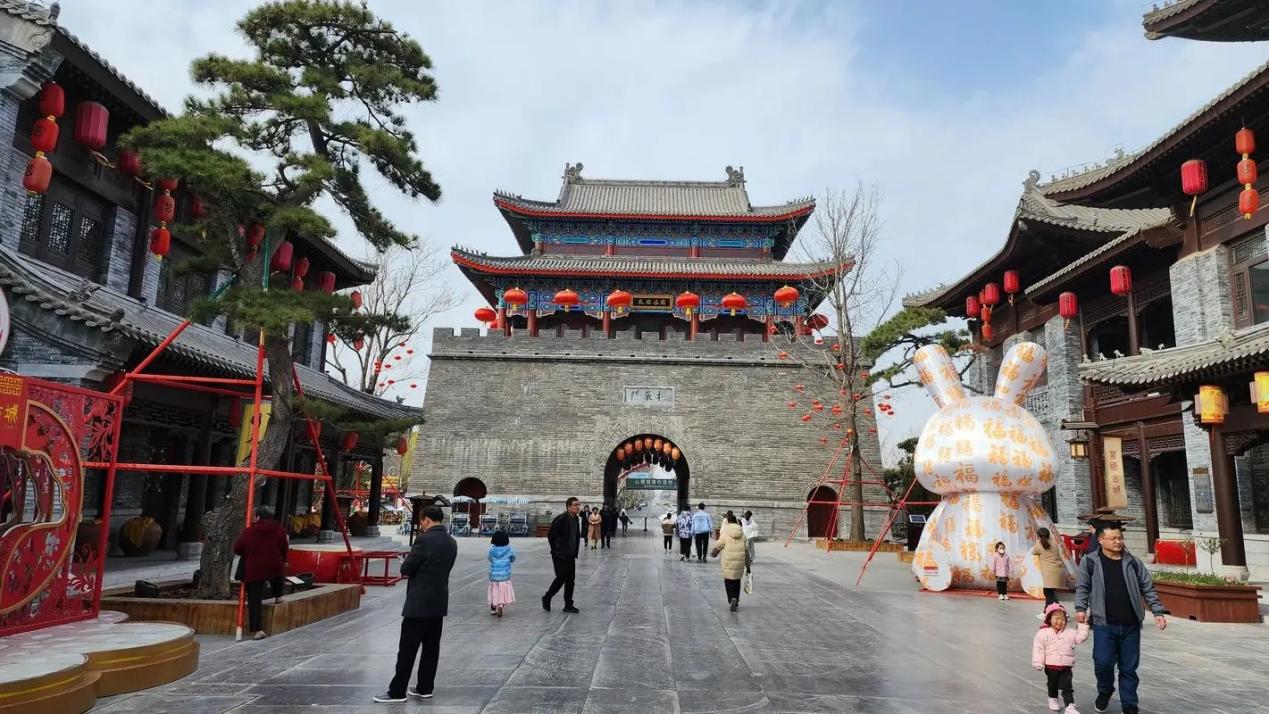
The soul of Ju City traces its origins to the splendor of the ancient state of Ju. Its history dates back to the early Western Zhou Dynasty, when it stood as a prominent representative and powerhouse of Eastern Yi culture, rivaling the states of Qi and Lu. This legacy is immortalized in the famous saying, "Never forget where you were." Today, the ancient city stands as a testament to conservation and restoration, built upon historical sites—particularly the foundations of Song Dynasty city walls. Visitors walking through the city feel as if they are stepping into a three-dimensional chronicle: pottery shards from the Spring and Autumn Period may lie beneath their feet, the Ming Dynasty walls rise majestically, and the streets of Qing Dynasty-style residences still pulse with the vitality of daily life.
This development model does not freeze the ancient city in a specific era, but instead presents a vibrant cross-section of cultural layer accumulation. The restoration adheres to the principle of "restoring the old as it was," while skillfully integrating modern functions. This approach prevents the ancient city from becoming an empty backdrop, instead preserving the pulse of cultural heritage—local residents continue to live here, traditional crafts thrive in shops, and ancient rituals and folk customs are revived during festivals.
Overseas Communication: A Cultural Bridge Without Walls
In recent years, the ancient city of Juzhou has been attracting an increasing number of international tourists seeking in-depth cultural experiences with its unique "low-key grandeur". The key to its appeal lies in transforming the grand historical narrative into perceptible and interactive individual experiences.
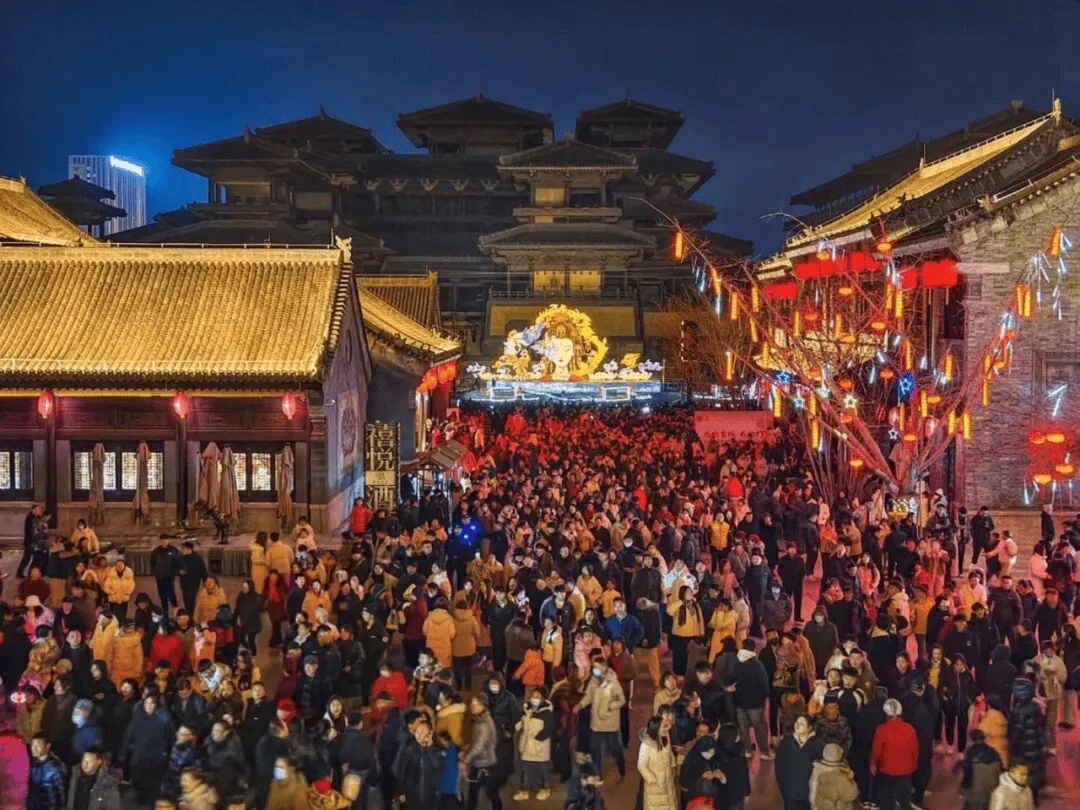
For overseas visitors, the most appealing aspect of the ancient city may be its authentic, undisturbed character. Here, there is no crowded throng of people, but rather the tranquility of overlooking the entire city from the Wenchang Pavilion and the leisure of strolling along the gently flowing moat. The tour guide's commentary often focuses on vivid stories of historical figures and details of daily life, rather than dry dates. For example, they might recount the craftsmanship of ancient Ju State artisans or interpret the traditional Chinese philosophical concept of "emulating heaven and following earth" embedded in the city's layout.
Furthermore, the ancient city actively promotes itself through digital initiatives and international cultural exchange programs. Virtual reality (VR) experiences transport visitors to ancient marketplaces, while multilingual smart navigation systems provide detailed explanations of stone-carved symbols on architectural components. The annual Ju Culture International Forum attracts numerous sinologists and history enthusiasts, establishing this ancient city as an international platform for academic research and cultural dialogue.
International Influence: A Model of Redefining the "Ancient Eastern City"
In the global cultural heritage tourism landscape, the ancient city of Juzhou is forging a distinct Eastern urban image, diverging from the classic royal palaces or Jiangnan water towns. Its significance lies in showcasing a paradigm of "resilient beauty" and "living heritage."
It shows the world that China's historical heritage is not only the golden splendor of the Forbidden City or the imposing military formations of the Terracotta Army in Xi' an, but also the simplicity, depth, and sense of continuity conveyed by these rammed earth walls. This aesthetic experience deeply resonates with the international pursuit of "authenticity." Many Western tourists have commented that in the ancient city of Juzhou, they feel the "weight of time" and the "warmth of civilization," rather than just visual spectacles.
More importantly, the ancient city serves as a living community that provides a valuable case study for international heritage conservation. How does it balance residents' modern needs with the preservation of historical sites? How does it encourage younger generations to voluntarily carry forward traditions? These practices offer a "Chinese solution" for historical towns facing similar challenges worldwide, and their experiences have been shared and discussed at several international cultural heritage conferences.
Challenges and Future:Preserving Uniqueness in the Wave of Globalization
Despite its promising prospects, the sustainable development of Juzhou Ancient City faces numerous challenges. The foremost issue is striking a balance between the growing tourism appeal and the fragile preservation of the heritage site. Excessive visitor numbers may exert irreversible pressure on the ancient rammed earth structures and original alleyways.
Secondly, the depth and accuracy of cultural interpretation are crucial. Telling a complex story spanning three millennia to an international audience requires overcoming significant disparities in language, cultural context, and knowledge structure. Avoiding the oversimplification of history into sensational fragments or falling into stereotypical Orientalist narratives is an ongoing endeavor.
Looking ahead, Juzhou Ancient City will further solidify its identity as a "cultural immersion destination". The proposed initiatives include: establishing more living heritage workshops (e.g., black pottery making and handmade paper production) for hands-on visitor participation; developing immersive educational routes based on the history of the ancient Ju Kingdom and folk legends; and forming sister heritage site partnerships with other historic towns worldwide to share management expertise and cultural experiences.
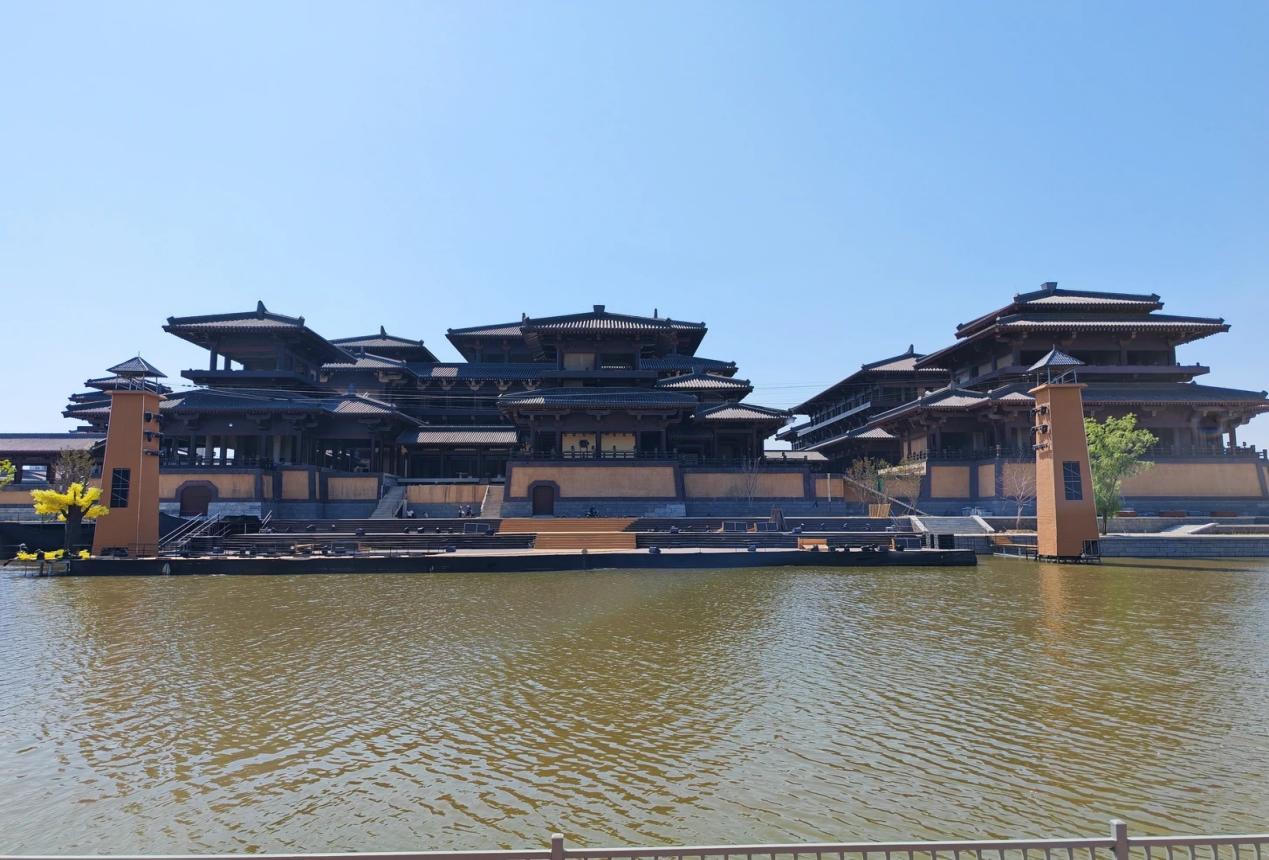
Ultimately, the ambition of Juzhou Ancient City is not to become another "must-visit" tourist attraction, but to serve as a beacon guiding those who seek to understand the profound continuity and diversity of Chinese civilization. Here, every weathered brick whispers its story, and every surviving section of the city wall narrates: history has never truly passed—it simply transforms its form, coexisting with the present and flowing gently into the future. For travelers around the world, discovering Juzhou Ancient City may be like uncovering a fragment of an eternal answer about the resilience of civilization and humanity's shared home.

